
CloudQix vs. MuleSoft Anypoint Platform
| Product | Rating | Most Used By | Product Summary | Starting Price |
|---|---|---|---|---|
 CloudQix | N/A | Small Businesses (1-50 employees) | CloudQix is a cloud-based, no-code iPaaS integration platform that helps businesses connect and automate their software without heavy IT involvement. With its drag-and-drop interface, users can build workflows and manage integrations in the cloud. Its library of pre-built connectors automate processes across sales, marketing, and support. CloudQix also gives users control over APIs and integrations, to make it both simple for beginners and powerful for advanced teams across… | $59 per month Flat rate per plan, with DCUs as a usage metric. |
 Anypoint Platform | Score8.1 out of 10 | N/A | The Anypoint Platform developed by MuleSoft and acquired by Salesforce in early 2018 is designed to connect apps, data, and devices anywhere, on-premises or in the cloud. This platform was built to offer out-of-the-box connectors as well as tools that architects and developers can adopt quickly to design, build and manage the entire lifecycle of their APIs, applications, and products. | N/A |
| CloudQix | Anypoint Platform | |||||||||||||||
|---|---|---|---|---|---|---|---|---|---|---|---|---|---|---|---|---|
| Editions & Modules |
| No answers on this topic | ||||||||||||||
| Offerings |
| |||||||||||||||
| Entry-level Setup Fee | No setup fee | No setup fee | ||||||||||||||
| Additional Details | Flat rate per plan, with DCUs as a usage metric. | — | ||||||||||||||
| More Pricing Information | ||||||||||||||||
| CloudQix | Anypoint Platform | |
|---|---|---|
| Considered Both Products | No answer on this topic | No answer on this topic |
| Key User Insights | ||
| Would buy again | ||
No answers on this topic | 93% Would buy again 14 Answers | |
| Delivers good value for the price | ||
No answers on this topic | 92% Delivers good value for the price 12 Answers | |
| Happy with the feature set | ||
No answers on this topic | 100% Happy with the feature set 15 Answers | |
| Lived up to sales and marketing promises | ||
No answers on this topic | 92% Lived up to sales and marketing promises 11 Answers | |
| Implementation went as expected | ||
No answers on this topic | 100% Implementation went as expected 13 Answers | |
| CloudQix | Anypoint Platform | ||||||||||||||||||||||
|---|---|---|---|---|---|---|---|---|---|---|---|---|---|---|---|---|---|---|---|---|---|---|---|
| Cloud Data Integration |
| ||||||||||||||||||||||
| CloudQix | Anypoint Platform | |
|---|---|---|
| Small Businesses |  Make Score9.3 out of 10 | Make Score9.3 out of 10 |
| Medium-sized Companies |  IBM App Connect Score9 out of 10 | IBM App Connect Score9 out of 10 |
| Enterprises |  Workato Score9.3 out of 10 | Workato Score9.3 out of 10 |
| All Alternatives | View all alternatives | View all alternatives |
| CloudQix | Anypoint Platform | |
|---|---|---|
| Likelihood to Recommend | - | 8.9 |
| Likelihood to Renew | - | 9.0 |
| Usability | - | 8.7 |
| Support Rating | - | 10.0 |
| Online Training | - | 10.0 |
| CloudQix | Anypoint Platform | |
|---|---|---|
| Likelihood to Recommend | No answers on this topic |
|
| Pros | No answers on this topic |
|
| Cons | No answers on this topic |
|
| Usability | No answers on this topic |
|
| Support Rating | No answers on this topic |
|
| Online Training | No answers on this topic |
|
| Alternatives Considered | No answers on this topic |
|
| Return on Investment | No answers on this topic |
|
| ScreenShots | CloudQix Screenshots  | Anypoint Platform Screenshots 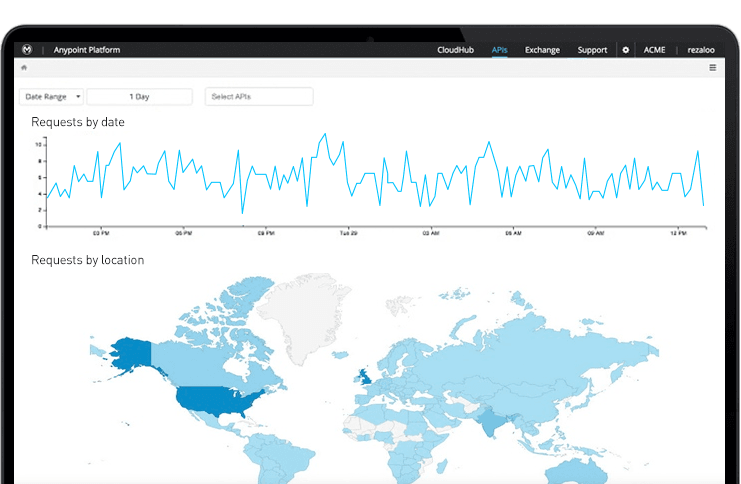 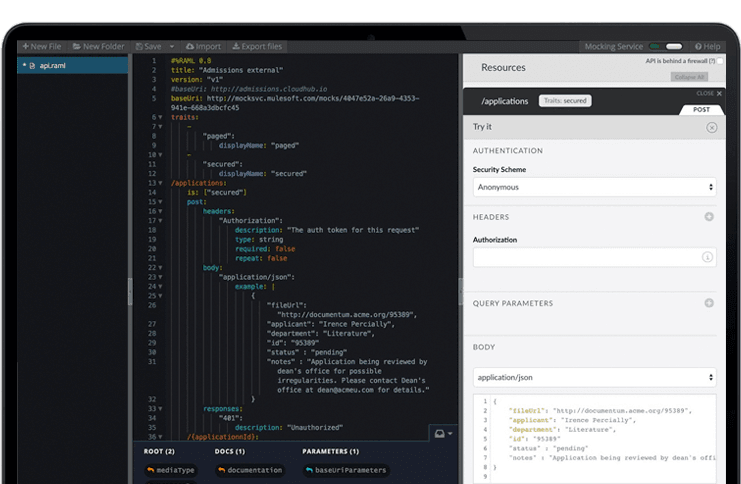 |



