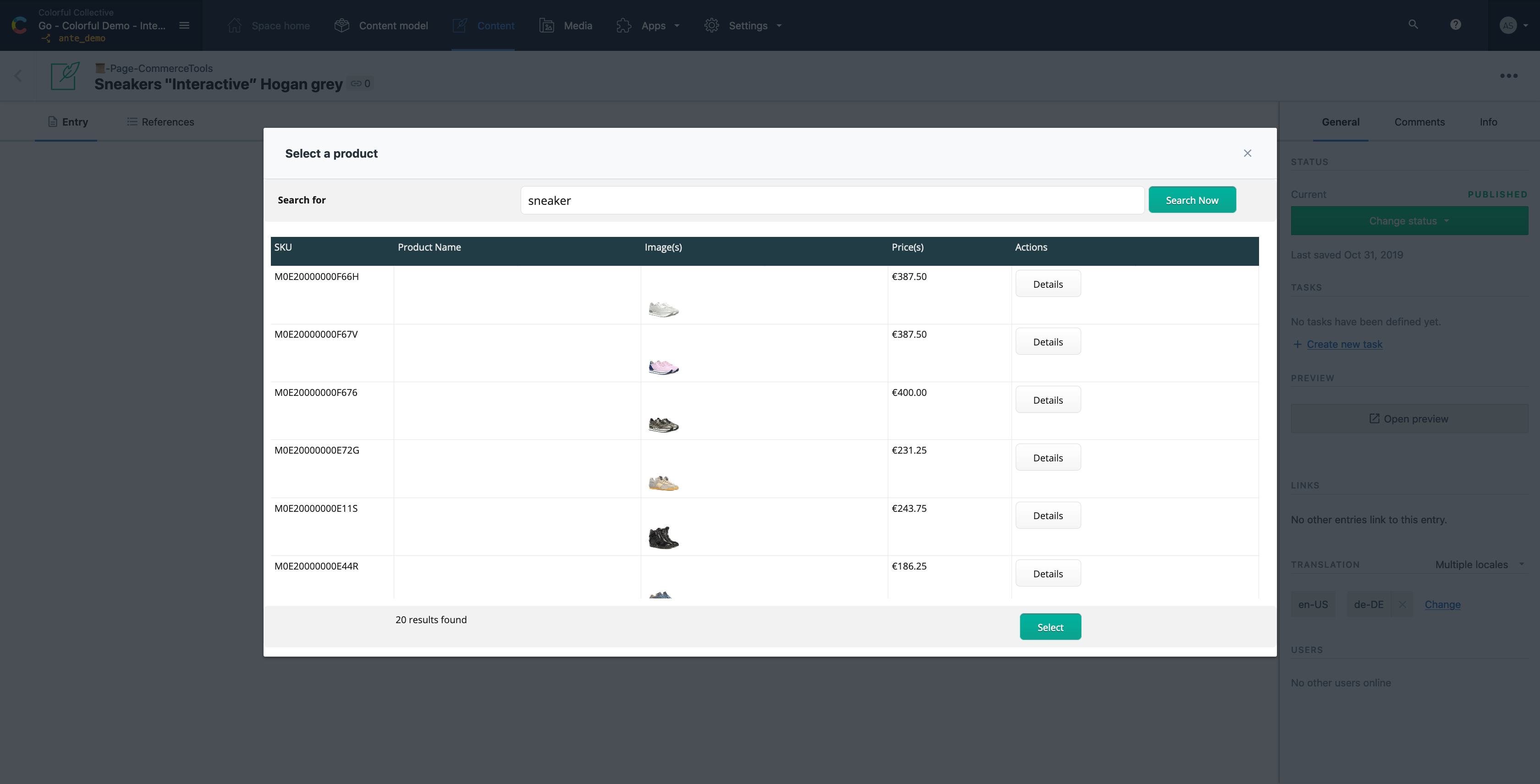
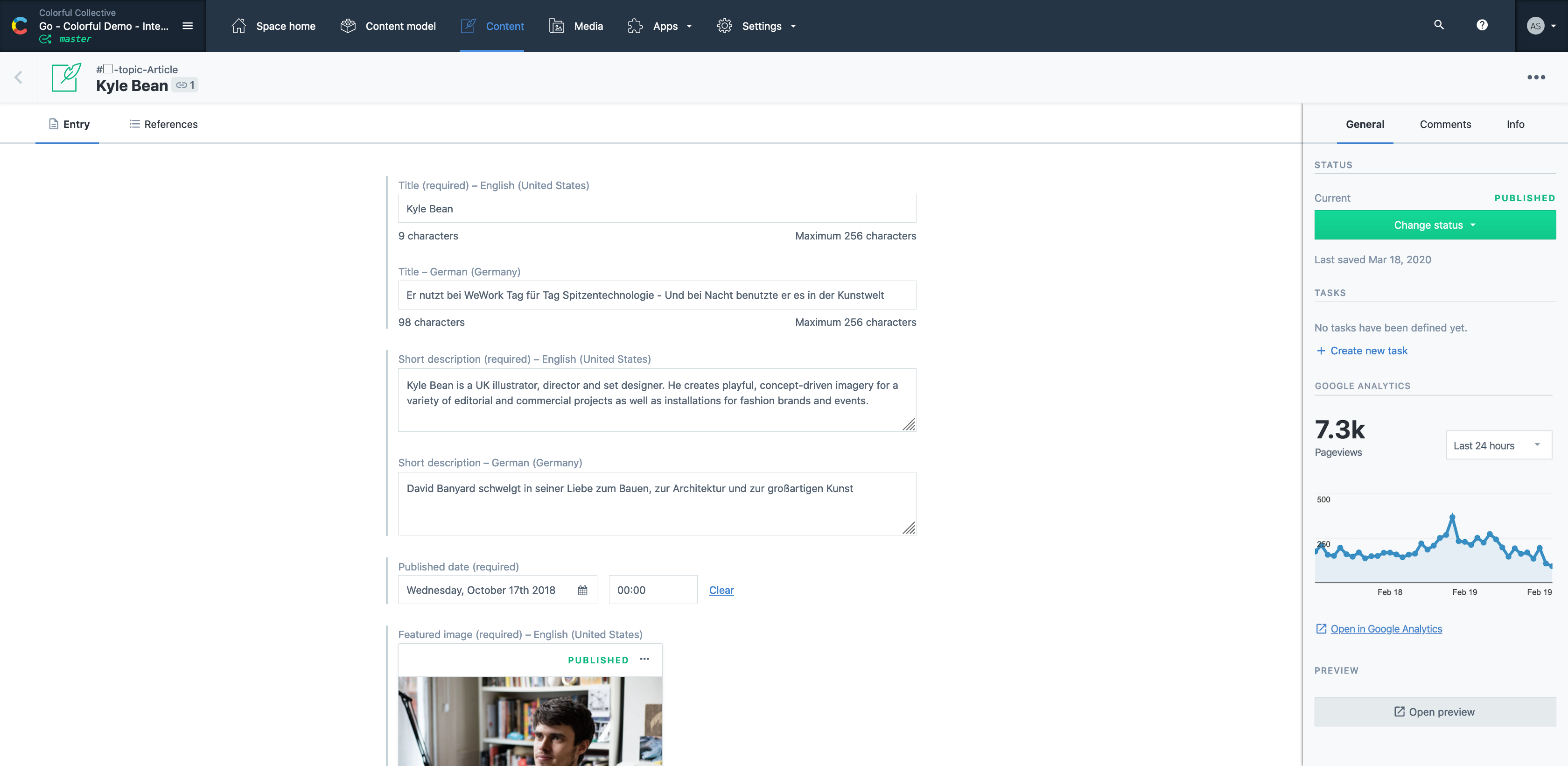
Contentful is a cloud based CMS solution that provides the ability to manage content across multiple platforms.The editing interface allows for managing content interactively and provides developers the ability to deliver the content with the programming language and template framework of their choice.
$0
Craft CMS
Score8 out of 10
N/A
Craft is a CMS for creating custom digital experiences on the web. Craft can support design portfolios, multinational marketing sites, and other kinds of sites, and integrates with tools like Salesforce, Mailchimp or Hubspot to offer a full business solution.
$130
per month per project
Pricing
Contentful
Craft CMS
Editions & Modules
Lite
$300
per month
Community
Free
Enterprise
Custom
Team
$130
per month per project
Pro
$240
per month per project
Team
$279
per year includes one year of updates ($99 for support each subsequent year)
Pro
$399
per year includes one year of updates ($99 for support each subsequent year)
Enterprise
Contact Sales
for when a project has specific licensing requirements
Offerings
Pricing Offerings
Contentful
Craft CMS
Free Trial
Yes
Yes
Free/Freemium Version
Yes
Yes
Premium Consulting/Integration Services
Yes
No
Entry-level Setup Fee
Optional
No setup fee
Additional Details
—
Hosted Craft CMS option available with a discount for annual pricing.
It's a great all rounder for content projects. It's easy in the basics and powerful in the complex, data heavy scenarios. Extending the platform is straightforward and the SDK gives you everything you need. If you have many many varying content types , it gets expensive and perhaps not the best choice .
A de minimis incentive was given to thank the reviewer for their time. The incentive was not used to bias or drive a particular response, nor was the incentive contingent on a positive endorsement. More Info
Suitable for mid-size to large websites (20 pages+). If you have a massive project with dozens or hundreds of content contributors, complex editorial process/workflow, are tied to a non-Linux platform (Microsoft Server), you may want an enterprise CMS like Episerver. If you need a small, cheap, theme-based, basic website with 5-15 pages, you'll probably go to WordPress.
A de minimis incentive was given to thank the reviewer for their time. The incentive was not used to bias or drive a particular response, nor was the incentive contingent on a positive endorsement. More Info
A de minimis incentive was given to thank the reviewer for their time. The incentive was not used to bias or drive a particular response, nor was the incentive contingent on a positive endorsement. More Info
Design-agnostic templating system. No themes. This means you can use whatever HTML, CSS, JS you want, and integrate it with Craft.
Versatile field types, with 3rd party plugins providing a bunch more. Everything from plain text to address, color picker, date/time, file assets, one-to-many relationships, and more.
Control panel with clean, responsive UI makes content updates easy for clients.
A de minimis incentive was given to thank the reviewer for their time. The incentive was not used to bias or drive a particular response, nor was the incentive contingent on a positive endorsement. More Info
Contentful uses "references" to allow you to build very modular content. If I have a "slider" content type, I can create a "slide" content type which references a "button" content type, and so forth. This works well, but I occasionally wish there was a better solution for one-off content, like a settings page. Currently, this is done for creating an entire content type called "settings" with a single entry. Not a big deal, but not ideal, either.
There are a few quirks with GatsbyJS integration, etc, but these issues are being fixed and improved upon very quickly.
A minor gripe, but Contentful does not have a way to organize fields within an entry. Entries with many fields are somewhat tiresome to scroll through.
A de minimis incentive was given to thank the reviewer for their time. The incentive was not used to bias or drive a particular response, nor was the incentive contingent on a positive endorsement. More Info
A de minimis incentive was given to thank the reviewer for their time. The incentive was not used to bias or drive a particular response, nor was the incentive contingent on a positive endorsement. More Info
It is a very easy to use and configure application. I find that it is on the user to manage the content after the models have been created, yet I still do not encounter issues finding or creating new components for our site. It is easy to set up and easy to navigate.
A de minimis incentive was given to thank the reviewer for their time. The incentive was not used to bias or drive a particular response, nor was the incentive contingent on a positive endorsement. More Info
Easy to use and much more organized as a single platform versus multi. The layout is clean and easy to read and we don’t have to worry about certain users safe guarding data or content then losing it when they leave the company. It’s a one stop shop for imagery
A de minimis incentive was given to thank the reviewer for their time. The incentive was not used to bias or drive a particular response, nor was the incentive contingent on a positive endorsement. More Info
Craft was originally developed in response to ExpressionEngine's shortcomings. While ExpressionEngine has caught up in some regards, it still looks and feels a bit unpolished by comparison. Additionally, ExpressionEngine's vendor has never gotten UI right - not on their website, nor in their CMS. Craft remains easier to use, more polished and provides a wider feature set in its base install (without needing plugins). As for WordPress - while I recognize its massive popularity, I find its reliance on themes, third-party plugins, along with security shortcomings, make it a poor fit for the larger custom projects we build. On the other hand, if you want to throw up a passable website in a day, you can't beat WordPress.
A de minimis incentive was given to thank the reviewer for their time. The incentive was not used to bias or drive a particular response, nor was the incentive contingent on a positive endorsement. More Info
Contentful has saved us valuable development time that was previously spent doing deploys for minor content updates.
Contentful has helped us maintain consistent documentation, reducing time needed to review for consistency.
Can't say we've really experienced any negative ROI impacts from using Contentful, but we've run into some limitations in adding too many content models and the next pricing tier is substantially more expensive.
A de minimis incentive was given to thank the reviewer for their time. The incentive was not used to bias or drive a particular response, nor was the incentive contingent on a positive endorsement. More Info
We don't have hard numbers on Craft's impact on our ROI, but we recognize that its feature set, ease of use, and integrated ECommerce allows offering a superior product to clients.
A de minimis incentive was given to thank the reviewer for their time. The incentive was not used to bias or drive a particular response, nor was the incentive contingent on a positive endorsement. More Info