ContentWatch in Salt Lake City, Utah offers ContentProtect, a web content filtering solution.
N/A
CyberSentriq DNS Filtering
Score10 out of 10
N/A
CyberSentriq DNS Filtering, formerly WebTitan by TitanHQ, blocks malicious domains, phishing sites, and command-and-control infrastructure before a connection is made.
If you are looking for something relatively inexpensive to lock down specific computers, it would be a useful tool. If the computers themselves aren't too locked down, implementation and management shouldn't be too difficult.
A de minimis incentive was given to thank the reviewer for their time. The incentive was not used to bias or drive a particular response, nor was the incentive contingent on a positive endorsement. More Info
It is well suited for any org with the need to control the web access of their users. It has succeeded in all of our deployment scenarios such as in a school, or many non profit organizations. We do not have a need for it on our own machines.
A de minimis incentive was given to thank the reviewer for their time. The incentive was not used to bias or drive a particular response, nor was the incentive contingent on a positive endorsement. More Info
A de minimis incentive was given to thank the reviewer for their time. The incentive was not used to bias or drive a particular response, nor was the incentive contingent on a positive endorsement. More Info
Direct synchronization with Boundless Automation, this integration helps improve the management of networks at scale to increase efficiency, speed up operations and more.
It can be accessed from anywhere with an Internet connection.
A de minimis incentive was given to thank the reviewer for their time. The incentive was not used to bias or drive a particular response, nor was the incentive contingent on a positive endorsement. More Info
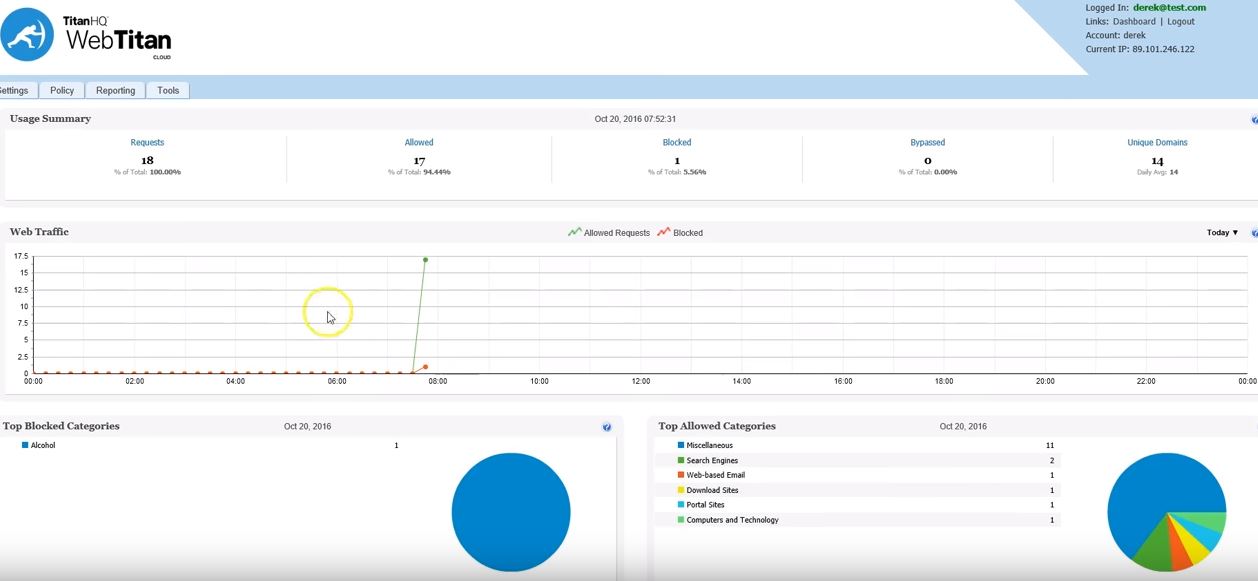
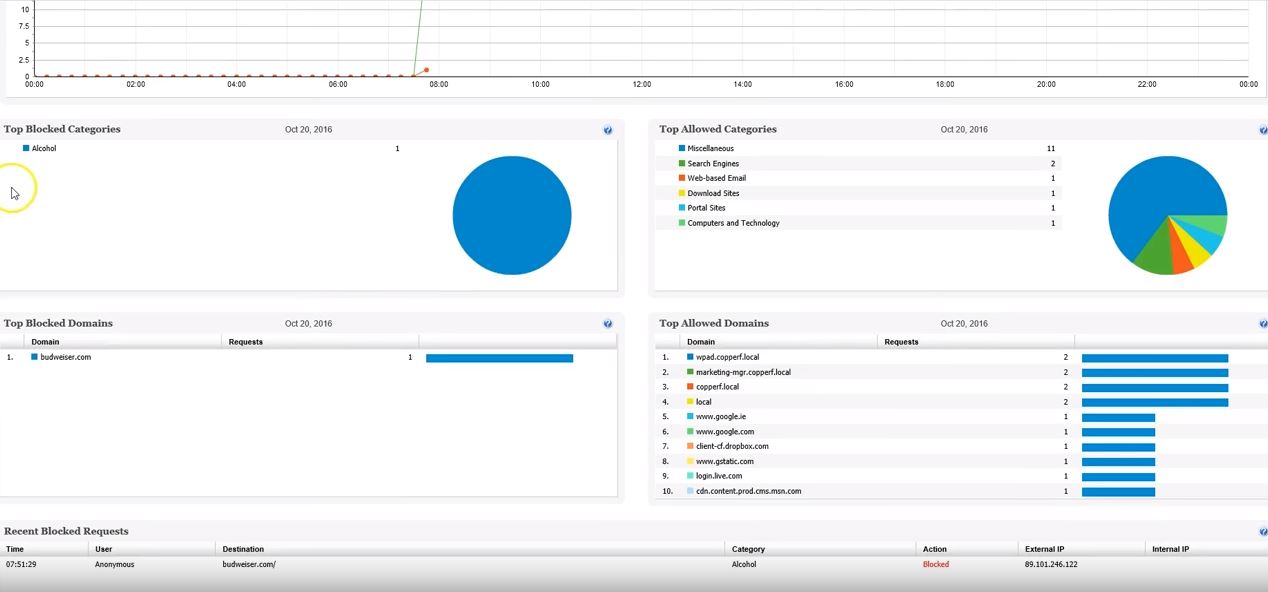
Our primary policy is a restricted list, so that does as advertised. We had one location that had blocks based on categories (adult, illegal, etc). We continually had issues with sites getting completely blocked due to unrelated content. For example, Yahoo had a beer ad on the page, alcohol was blocked, so Yahoo became blocked for the period of time that ad was displayed. We had this happen multiple times and eventually switched to a different solution at that location.
I've had issues with their cloud portal not working. I don't have to edit our configuration often, but on numerous occasions, i was unable to get the configuration page to load after login, sometimes for days. The platform just wasn't stable when I needed it to be.
We run many of our remote rooms as frozen (after logoff they reset to the image). This works fine most times, but when content protect needs a configuration change pushed down, someone needs to go 'thaw' the computers, download the updated configuration, and re-'freeze' the computer. It would be nice if that information was just dynamic from the cloud and didn't need to be pulled down.
The categorization used for policies is very limited and not flexible or easily customizable.
A de minimis incentive was given to thank the reviewer for their time. The incentive was not used to bias or drive a particular response, nor was the incentive contingent on a positive endorsement. More Info
A de minimis incentive was given to thank the reviewer for their time. The incentive was not used to bias or drive a particular response, nor was the incentive contingent on a positive endorsement. More Info
At the time ContentProtect was selected, Forcepoint (Websense at the time) didn't have an inexpensive or cloud type product. The same can be said with Cisco, at that time. Recently, we have reevaluated and are going to be transitioning to Forcepoint's mobile client and removing ContentProtect from our environment. The cost is actually now less and we will be able to get both more dynamic control and also give us more detailed reporting on the traffic from clients.
A de minimis incentive was given to thank the reviewer for their time. The incentive was not used to bias or drive a particular response, nor was the incentive contingent on a positive endorsement. More Info
Cost and umbrella had an issue with us as we had a hard time trying to make it work and never did figure out why it would not work. The reporting was lacking from what we could tell but again we could not get the trial working. So it was more cursory
A de minimis incentive was given to thank the reviewer for their time. The incentive was not used to bias or drive a particular response, nor was the incentive contingent on a positive endorsement. More Info
It was a relatively inexpensive and simple solution when we needed one relatively quickly, which is a positive. The inexpensive price has kept it in the environment.
The lack of reliable reporting has lead to the need for an alternate monitoring solution in a few cases. Network level reporting was used, which is a separate expense, configuration.
Time has been lost waiting on the portal and then troubleshooting support tickets when sites that shouldn't have been blocked have been blocked. It has resulted in changes for locations that needed dynamic category filtering as opposed to a finite list.
The blocking of sites based on add traffic or sub-sites (rather than just blocking that content like other solutions) has resulted in downtime during classes when those sites were listed in the lesson plan and had previously worked.
A de minimis incentive was given to thank the reviewer for their time. The incentive was not used to bias or drive a particular response, nor was the incentive contingent on a positive endorsement. More Info
A de minimis incentive was given to thank the reviewer for their time. The incentive was not used to bias or drive a particular response, nor was the incentive contingent on a positive endorsement. More Info