
Craft CMS vs. Progress Sitefinity
Craft CMS vs. Progress Sitefinity
| Product | Rating | Most Used By | Product Summary | Starting Price |
|---|---|---|---|---|
 Craft CMS | N/A | Craft is a CMS for creating custom digital experiences on the web. Craft can support design portfolios, multinational marketing sites, and other kinds of sites, and integrates with tools like Salesforce, Mailchimp or Hubspot to offer a full business solution. | $130 per month per project | |
 Progress Sitefinity | N/A | Progress Sitefinity is a content management and customer analytics platform. It supports content management, tailored marketing, multi-channel management, and ecommerce sites. | N/A |
| Craft CMS | Progress Sitefinity | |||||||||||||||
|---|---|---|---|---|---|---|---|---|---|---|---|---|---|---|---|---|
| Editions & Modules |
| No answers on this topic | ||||||||||||||
| Offerings |
| |||||||||||||||
| Entry-level Setup Fee | No setup fee | No setup fee | ||||||||||||||
| Additional Details | Hosted Craft CMS option available with a discount for annual pricing. | — | ||||||||||||||
| More Pricing Information | ||||||||||||||||
| Craft CMS | Progress Sitefinity |
|---|
| Craft CMS | Progress Sitefinity | |||||||||||||||||||||||||||
|---|---|---|---|---|---|---|---|---|---|---|---|---|---|---|---|---|---|---|---|---|---|---|---|---|---|---|---|---|
| Security |
| |||||||||||||||||||||||||||
| Platform & Infrastructure |
| |||||||||||||||||||||||||||
| Web Content Creation |
| |||||||||||||||||||||||||||
| Web Content Management |
|
| Craft CMS | Progress Sitefinity | |
|---|---|---|
| Small Businesses |  ManageWP Score 10.0 out of 10 |  Bloomreach Score 9.2 out of 10 |
| Medium-sized Companies |  RWS Tridion Sites Score 9.0 out of 10 | RWS Tridion Sites Score 9.0 out of 10 |
| Enterprises | RWS Tridion Sites Score 9.0 out of 10 | RWS Tridion Sites Score 9.0 out of 10 |
| All Alternatives | View all alternatives | View all alternatives |
| Craft CMS | Progress Sitefinity | |
|---|---|---|
| Likelihood to Recommend | 10.0 (1 ratings) | 7.1 (171 ratings) |
| Likelihood to Renew | - (0 ratings) | 7.2 (7 ratings) |
| Usability | - (0 ratings) | 8.9 (10 ratings) |
| Availability | - (0 ratings) | 8.2 (1 ratings) |
| Performance | - (0 ratings) | 5.5 (1 ratings) |
| Support Rating | - (0 ratings) | 9.0 (7 ratings) |
| Implementation Rating | - (0 ratings) | 4.6 (4 ratings) |
| Configurability | - (0 ratings) | 5.5 (1 ratings) |
| Product Scalability | - (0 ratings) | 4.5 (1 ratings) |
| Vendor post-sale | - (0 ratings) | 6.4 (1 ratings) |
| Vendor pre-sale | - (0 ratings) | 5.5 (1 ratings) |
| Craft CMS | Progress Sitefinity | |
|---|---|---|
| Likelihood to Recommend | Pixel & Tonic
 Ben Seigel Principal | Progress Software Corporation
 Justin Cawthorne Senior Project Manager |
| Pros | Pixel & Tonic
Ben Seigel Principal | Progress Software Corporation
 Jochem Bökkers Sitefinity lead |
| Cons | Pixel & Tonic
Ben Seigel Principal | Progress Software Corporation
|
| Likelihood to Renew | Pixel & Tonic No answers on this topic | Progress Software Corporation
|
| Usability | Pixel & Tonic No answers on this topic | Progress Software Corporation
|
| Reliability and Availability | Pixel & Tonic No answers on this topic | Progress Software Corporation
 Kelly Martinez Systems Manager / Application Developer |
| Performance | Pixel & Tonic No answers on this topic | Progress Software Corporation
Kelly Martinez Systems Manager / Application Developer |
| Support Rating | Pixel & Tonic No answers on this topic | Progress Software Corporation
|
| Implementation Rating | Pixel & Tonic No answers on this topic | Progress Software Corporation
|
| Alternatives Considered | Pixel & Tonic
Ben Seigel Principal | Progress Software Corporation
 Alex Hood CTO |
| Scalability | Pixel & Tonic No answers on this topic | Progress Software Corporation
Kelly Martinez Systems Manager / Application Developer |
| Return on Investment | Pixel & Tonic
Ben Seigel Principal | Progress Software Corporation
 Julia Spangler Creative Team Supervisor |
| ScreenShots | Progress Sitefinity Screenshots    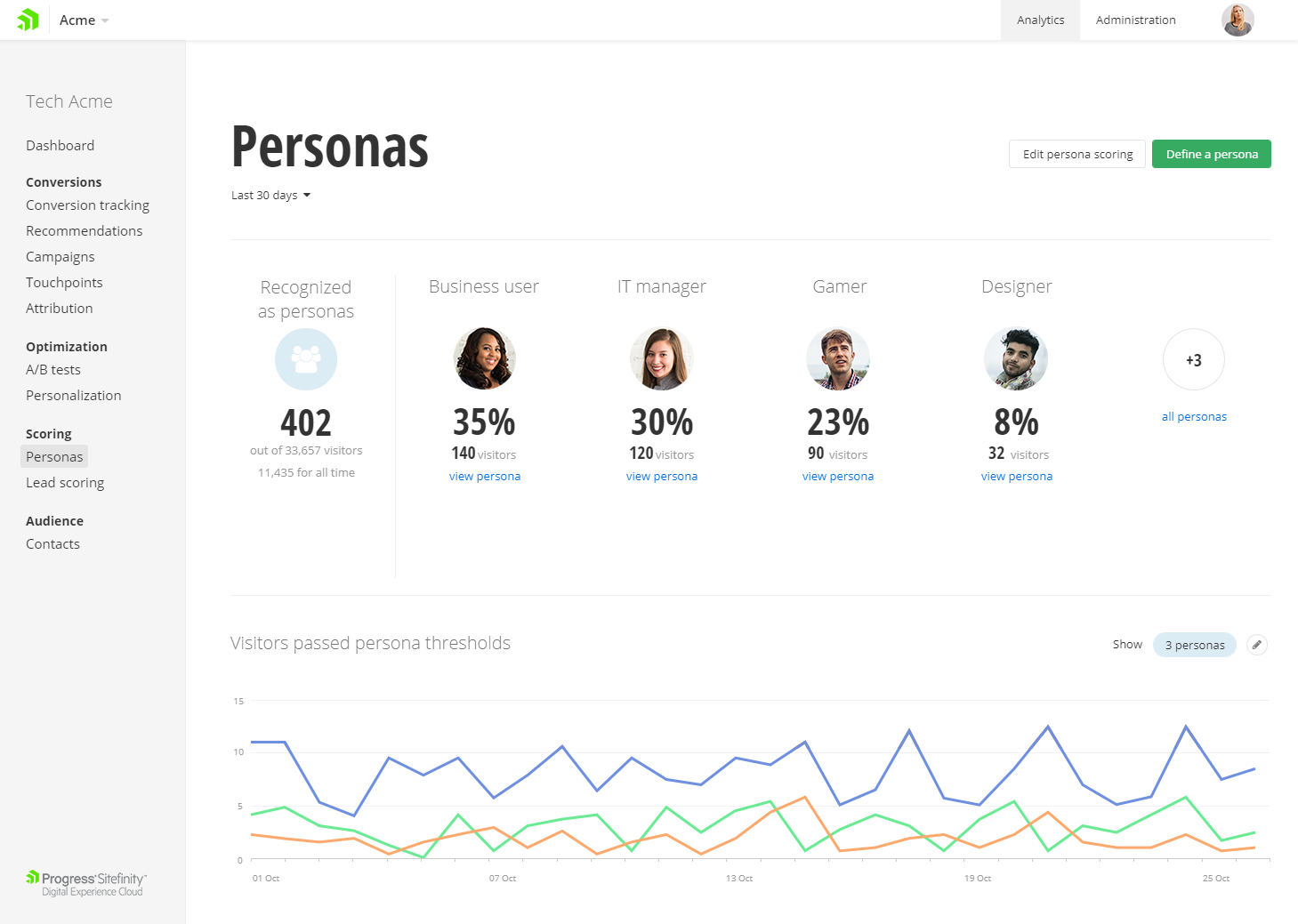 |