Netlify CMS is an open source Git-based CMS for static site generators. it runs 100% in a browser.
$0
Pimcore
Score8.5 out of 10
Mid-Size Companies (51-1,000 employees)
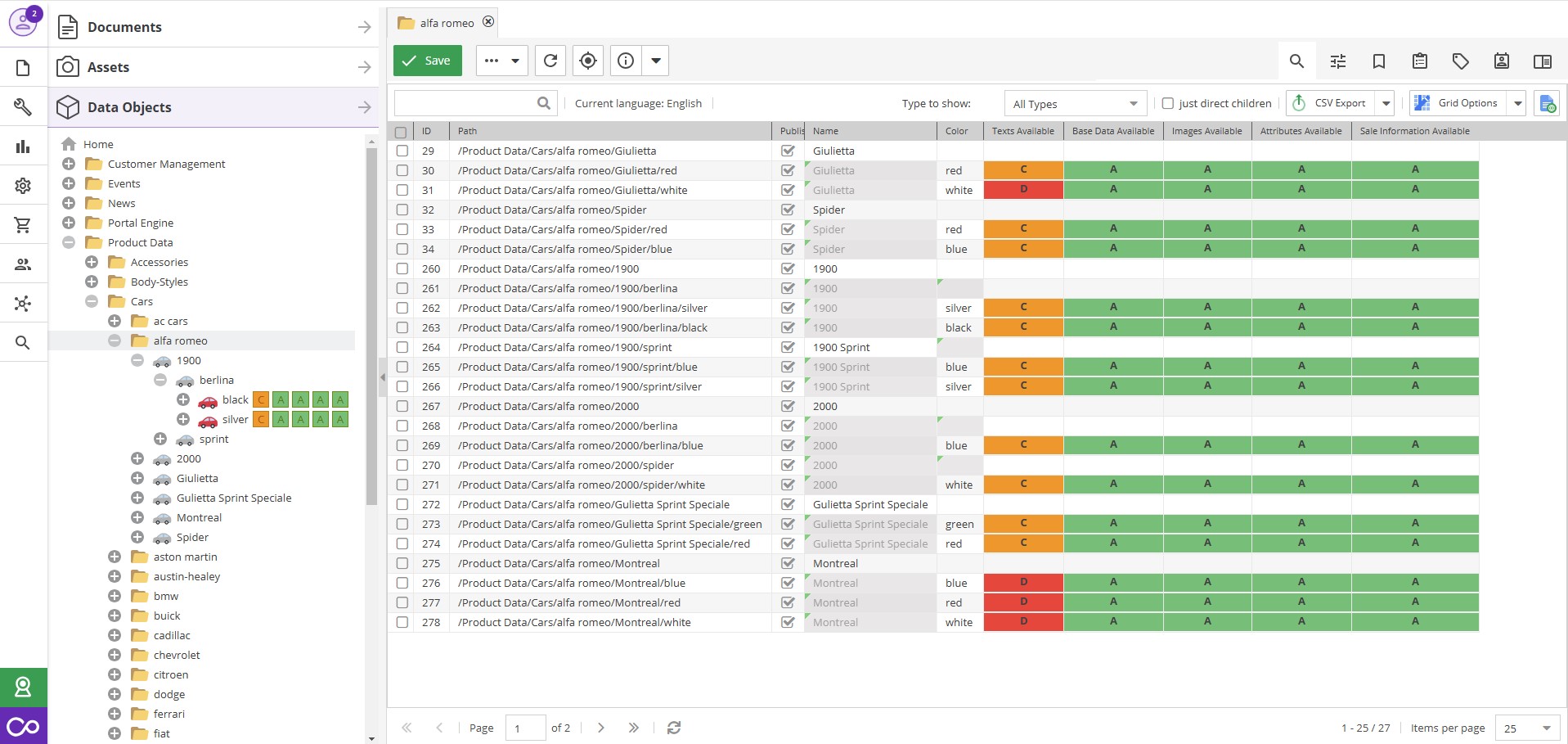
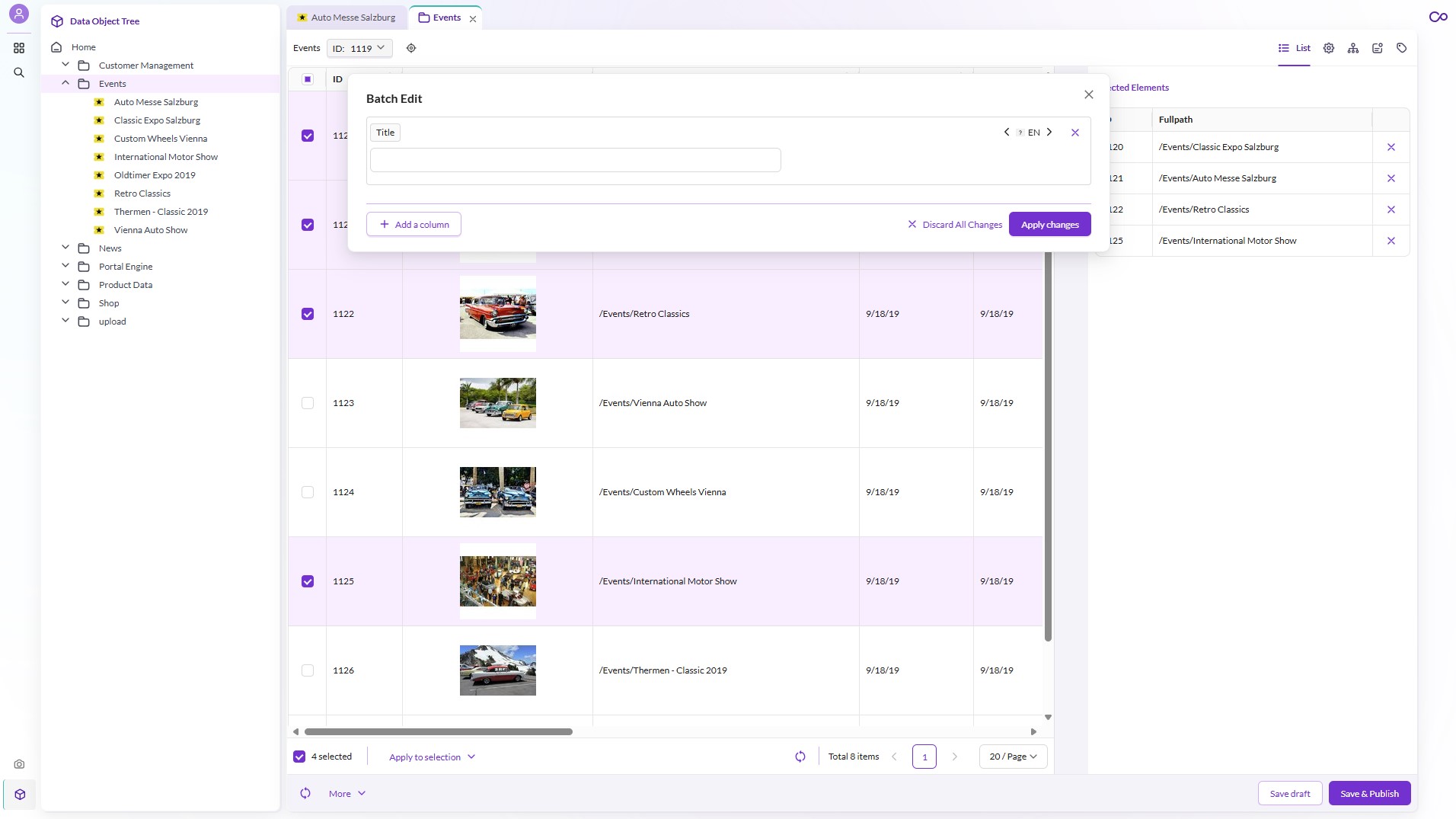
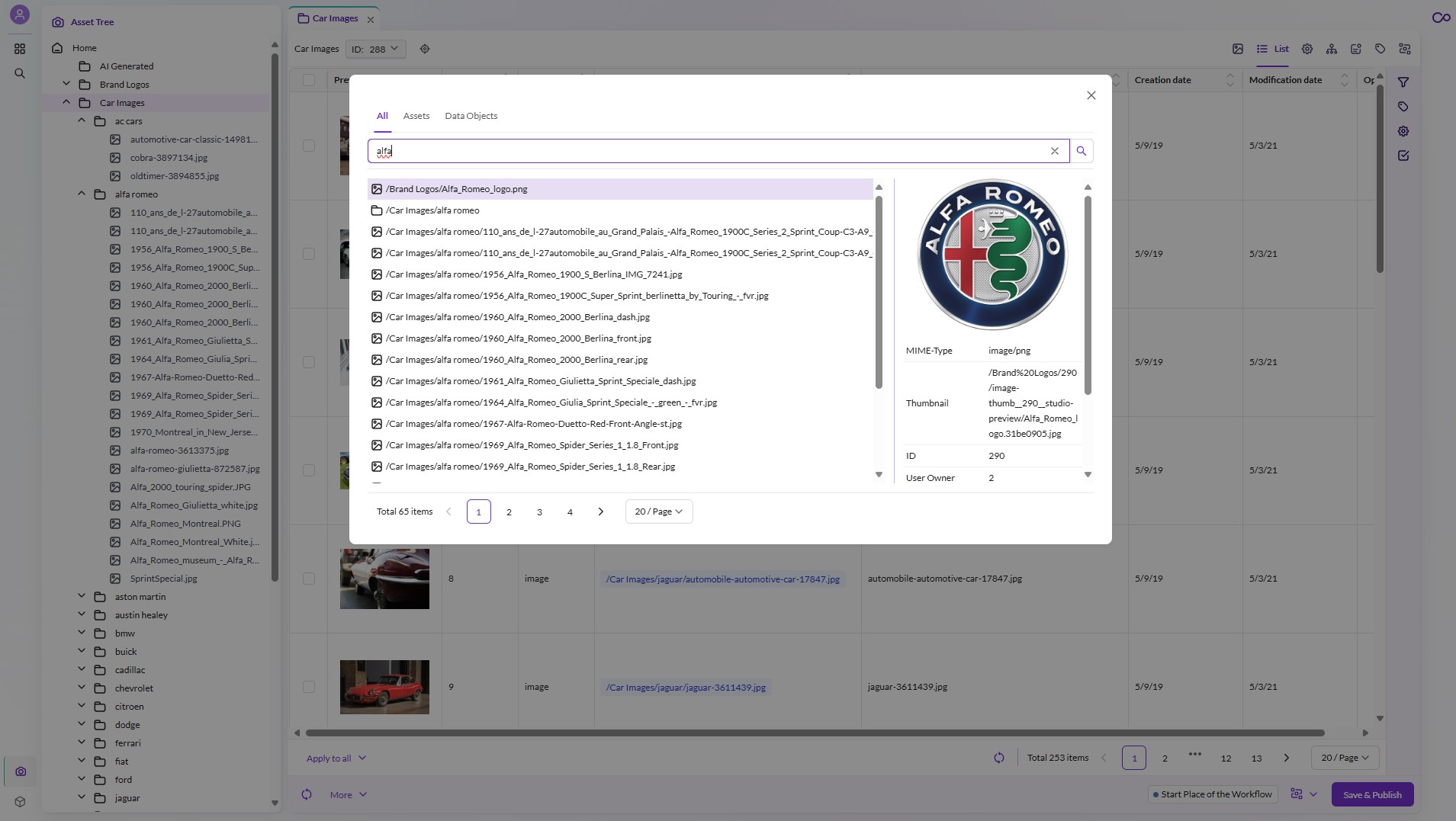
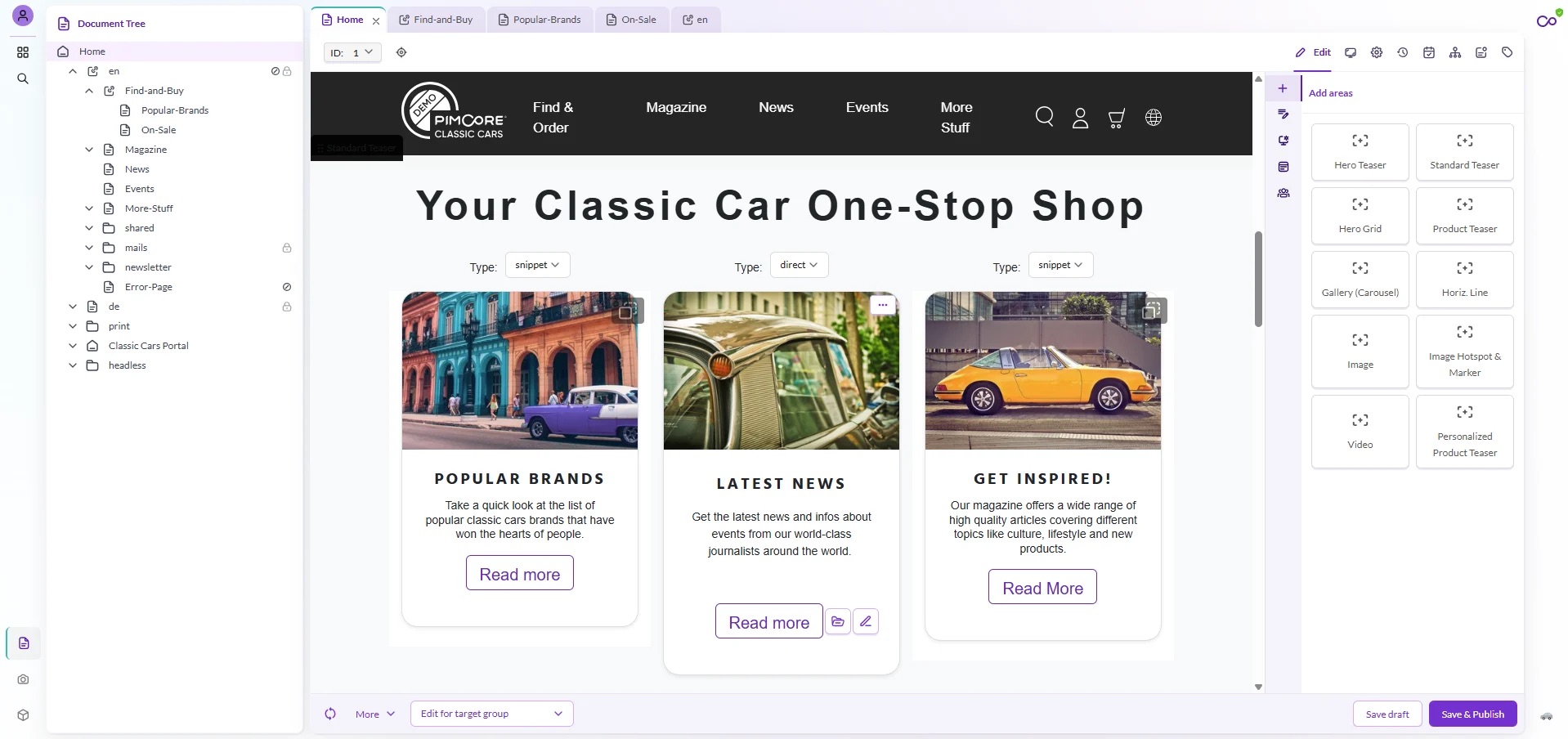
Pimcore is an open-core Product Experience Management (PXM) platform designed for enterprise organizations that require consolidation of product data, digital assets, and customer experience delivery within a unified infrastructure. Founded in 2013 and headquartered in Salzburg, Austria, the platform serves as a centralized ecosystem for managing multi-channel data operations. Pimcore solutions at a glance A consolidated platform built around six integrated solution…
Netlify CMS is well suited when you have very less frequent updates to your content, maybe once a day and very few people need to access your data. You can connect it to Netlify, GitHub, or any platform and have multiple people access it and do as many updates as you wish, but the process is not well-defined and you need to build your own system for that. It is well suited for projects you need to pull off with very low cost, it is essentially free as the software is open source and free to use, and all you need to do is set up your schema correctly and find a deployment pipeline where you can build your static site/API to redeploy whenever the content changes. I personally used a GitHub Login -> Netlify CMS -> next app consumer of content -> GitHub pipelines to run next SSG -> GitHub Pages to deploy the built static site. It might not be appropriate for large teams where users themselves need no-code tools to modify the schema of the content.
A de minimis incentive was given to thank the reviewer for their time. The incentive was not used to bias or drive a particular response, nor was the incentive contingent on a positive endorsement. More Info
Pimcore is especially suitable for an organization that has a complex data model and processes that cannot be met easily with out of the box systems. It is especially helpful where data is lying in multiple legacy systems and needs complex integrations with these systems. It may not be the best choice for someone looking for and out of the box system with predefined features.
A de minimis incentive was given to thank the reviewer for their time. The incentive was not used to bias or drive a particular response, nor was the incentive contingent on a positive endorsement. More Info
A de minimis incentive was given to thank the reviewer for their time. The incentive was not used to bias or drive a particular response, nor was the incentive contingent on a positive endorsement. More Info
A de minimis incentive was given to thank the reviewer for their time. The incentive was not used to bias or drive a particular response, nor was the incentive contingent on a positive endorsement. More Info
A de minimis incentive was given to thank the reviewer for their time. The incentive was not used to bias or drive a particular response, nor was the incentive contingent on a positive endorsement. More Info
We really can't compare it to full-fledged CMS software, like WordPress, which has a lot of community and support with widgets, plugins, and whatnot. It's not built for that, but you can compare it to Contentful, Ghost, Strapi, etc., which provide similar functionality to a headless CMS with custom schema options, but even among them, it still lacks a lot of functionality, ease of use, and support. But Netlify CMS pros would be of the opinion that compared to other platforms where most schemas need to use their own tools and frameworks, it's very cost-effective. Something new called TinaCMS has come up to compete with Netlify CMS by covering most of its shortcomings, but it's something new being built by the same team that built Forestry CMS and comes with many modern features, yet currently only supports NextJS SSG.
A de minimis incentive was given to thank the reviewer for their time. The incentive was not used to bias or drive a particular response, nor was the incentive contingent on a positive endorsement. More Info
PIMCore is Digital Platform making it single source of truth for many upstream and downstream system. Akeneo is just PIM and its doing PIM job properly but PimCore is much more than this. AEM is too costly and can't be affordable for many small and mid size companies
A de minimis incentive was given to thank the reviewer for their time. The incentive was not used to bias or drive a particular response, nor was the incentive contingent on a positive endorsement. More Info
A de minimis incentive was given to thank the reviewer for their time. The incentive was not used to bias or drive a particular response, nor was the incentive contingent on a positive endorsement. More Info
With the customers we have worked with, Pimcore has quite a positive impact on ROI.
Pimcore systems have helped customers not only integrate their data but also improved data quality, greatly reduced their time to market and turn around time.