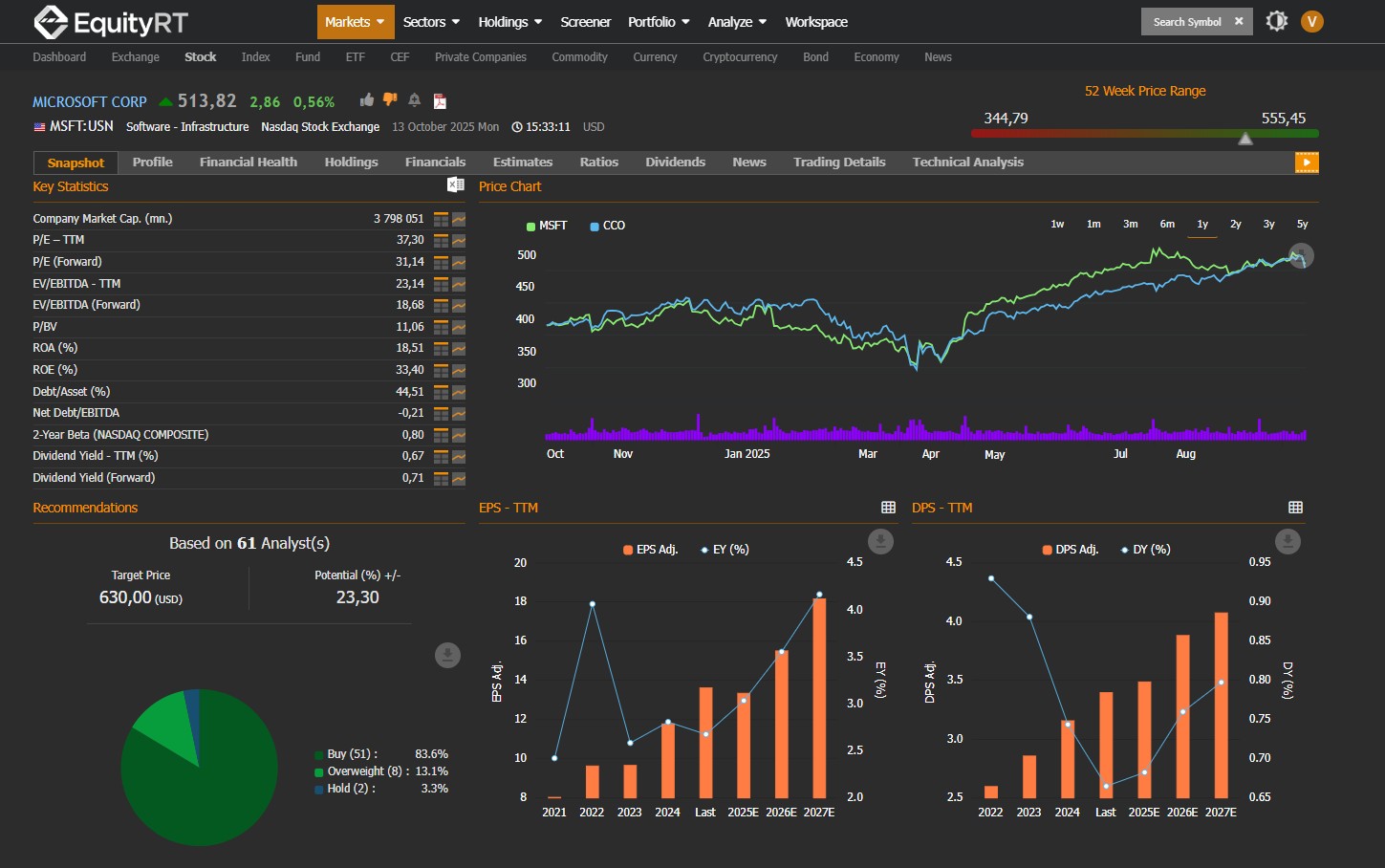
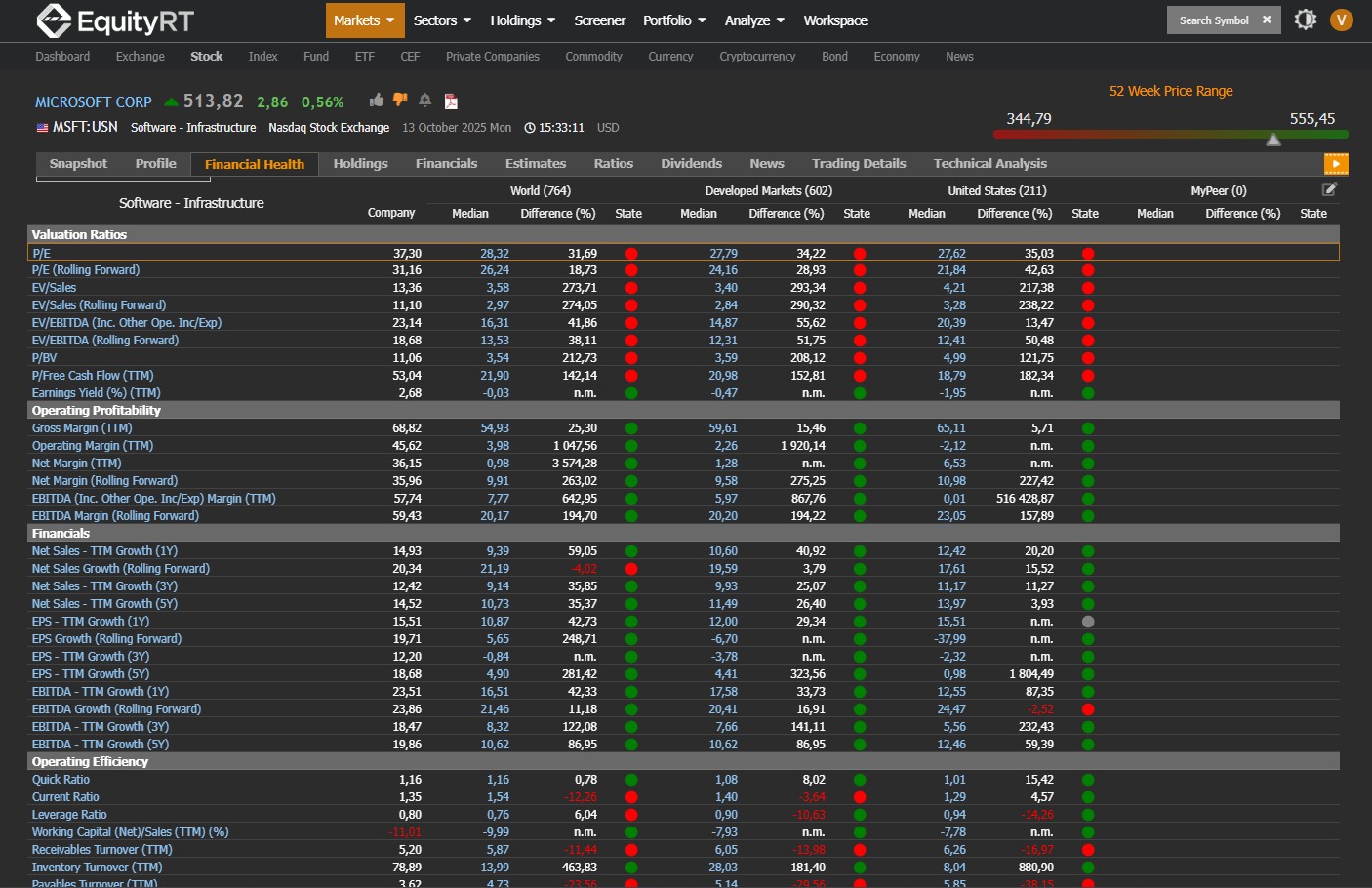
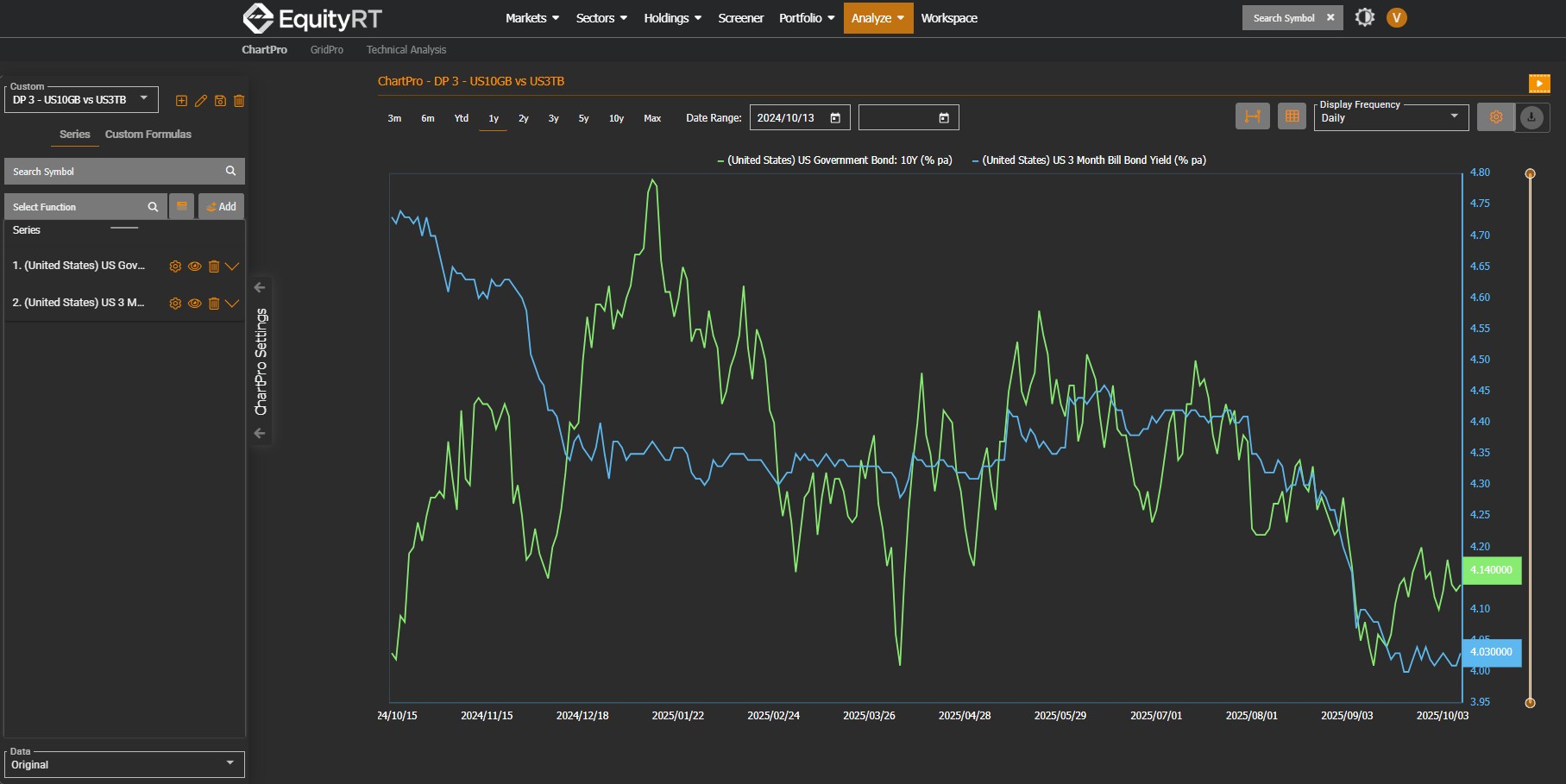
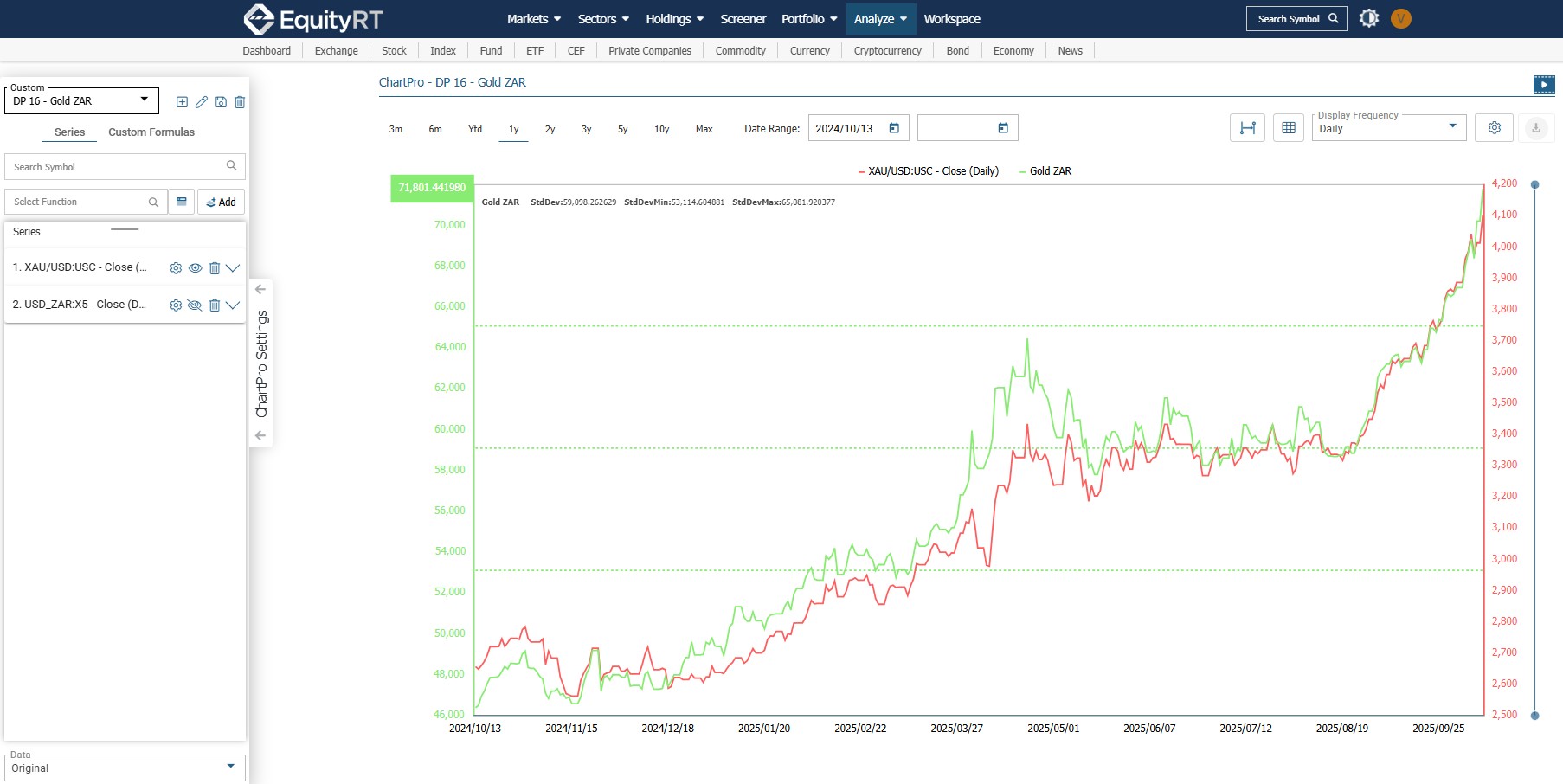
EquityRT is a financial research and market data platform delivering global insights for investment professionals, analysts, and institutions. It combines extensive company financials, economic indicators, and market analytics in a cloud-based interface. Key features include GridPro for data comparison, ChartPro for advanced visualization, and an Excel Add-in for analysis. EquityRT aims to suppot faster, data-driven decisions with measurable ROI through improved efficiency, accessibility, and…
N/A
Factiva
Score 8.1 out of 10
N/A
Factiva from Dow Jones is a data service that helps companies identify opportunities, accelerate decisions and manage a business's reputation, that includes global news and data accessible via the Dow Jones' research platform, on mobile devices or integrated via advanced feeds and APIs.
N/A
Pricing
EquityRT
Factiva
Editions & Modules
No answers on this topic
No answers on this topic
Offerings
Pricing Offerings
EquityRT
Factiva
Free Trial
Yes
No
Free/Freemium Version
No
No
Premium Consulting/Integration Services
No
No
Entry-level Setup Fee
No setup fee
No setup fee
Additional Details
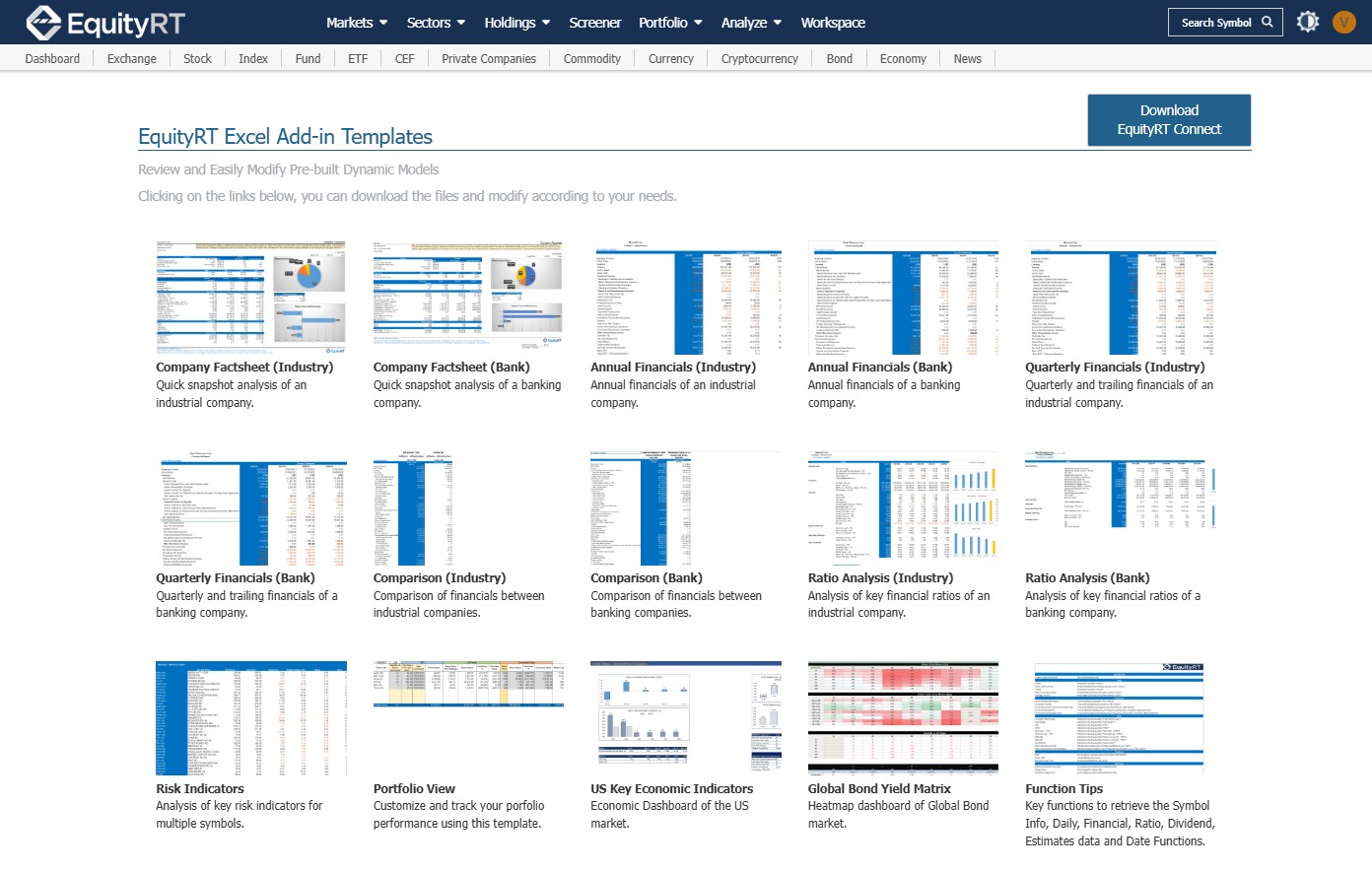
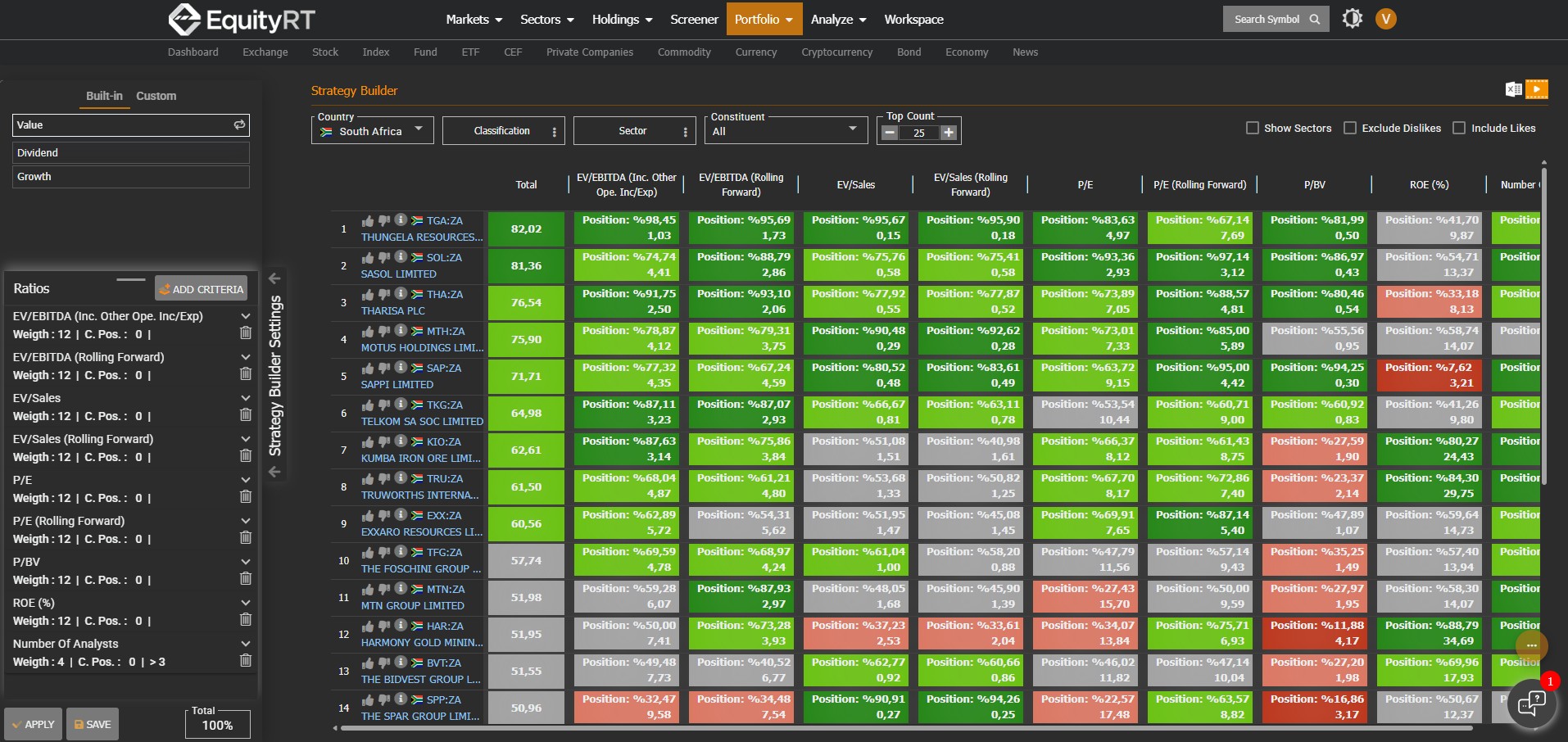
EquityRT offers three USD-priced editions: Silver, Silver Plus, and Gold. Silver is the base platform with core functionality and full access to all datasets—ideal for teams needing broad market coverage without advanced tooling. Silver Plus adds basic model portfolio management, plus strategy building, backtesting, and the macroeconomic module for deeper research workflows. Gold is the complete product, unlocking the Excel Add-in for direct spreadsheet modeling and providing personalized support for faster adoption and ongoing success. All editions run on a SaaS platform with continuous enhancements included. For enterprises purchasing at scale, custom pricing applies based on license volume and scope. APIs and other bespoke solutions are priced project-by-project, aligning costs with specific integration, automation, or distribution needs.
Each of the tools I have described share the same kind of premise: the main thing they do is source and collect media content. Then to varying degrees they run filters against this content and produce a range of data visualisations and ways of slicing the data and content. …
I have used Lexis Nexus and Thomson One. I find Factiva to be the most user friendly of these services. I much prefer Factiva's layout on their website when I search for articles and I also prefer its search builder over Lexis Nexus and Thomson One.
At the time, Factiva was already being used by the company I worked for - they had developed procedures specifically for using Factiva, so there wasn't really an option. I've used Lexis, Westlaw and Bloomberg exclusively for legal research, so there wasn't really an overlap …
Factiva is particularly useful when I work on securities litigations involving shareholder lawsuits -- i.e. shareholders who bought and sold shares during a specified class period when the company was misrepresenting, for example, its financials. Specifically Factiva is quite useful in helping me understand what company events were known by the market and when they were known. Factiva has also been useful in helping me on various research studies. It is less relevant for other types of litigation that I work on (i.e. Patent litigation, etc).
Each of the tools I have described share the same kind of premise: the main thing they do is source and collect media content. Then to varying degrees they run filters against this content and produce a range of data visualisations and ways of slicing the data and content. Factiva's strength lies more in the sourcing of content than in the manipulation of the results (much like the others do with more sophisticated dashboards and visual interpretations). We chose it because of the integrity of its sourcing breadth. It doesn't matter so much about the display of results because the source material you're working with isn't as dynamic as say social media.