
Gem vs. Workday Strategic Sourcing
| Product | Rating | Most Used By | Product Summary | Starting Price |
|---|---|---|---|---|
 Gem | Score9.7 out of 10 | N/A | Gem is a recruiting platform that brings together ATS, CRM, sourcing, scheduling, and analytics — plus 800+ million profiles to source from — with AI built into every workflow. | $300 per month |
 Workday Strategic Sourcing | Score6.1 out of 10 | N/A | Workday Strategic Sourcing supports procurement by automating source-to-contract processes, from project intake to supplier management, and by surfacing contract obligations. It leverages Workday AI to provide insights and conversational tools that help teams identify savings opportunities and mitigate supplier risk. | N/A |
| Gem | Workday Strategic Sourcing | |||||||||||||||
|---|---|---|---|---|---|---|---|---|---|---|---|---|---|---|---|---|
| Editions & Modules | No answers on this topic | No answers on this topic | ||||||||||||||
| Offerings |
| |||||||||||||||
| Entry-level Setup Fee | Optional | No setup fee | ||||||||||||||
| Additional Details | Discount for annual pricing. | — | ||||||||||||||
| More Pricing Information | ||||||||||||||||
| Gem | Workday Strategic Sourcing | |
|---|---|---|
| Considered Both Products | No answer on this topic | No answer on this topic |
| Key User Insights | ||
| Would buy again | ||
100% Would buy again 13 Answers | No answers on this topic | |
| Delivers good value for the price | ||
91% Delivers good value for the price 10 Answers | No answers on this topic | |
| Happy with the feature set | ||
100% Happy with the feature set 13 Answers | No answers on this topic | |
| Lived up to sales and marketing promises | ||
100% Lived up to sales and marketing promises 9 Answers | No answers on this topic | |
| Implementation went as expected | ||
100% Implementation went as expected 11 Answers | No answers on this topic | |
| Gem | Workday Strategic Sourcing | |||||||||||||||||||||||||||||||||||||||||||||||||
|---|---|---|---|---|---|---|---|---|---|---|---|---|---|---|---|---|---|---|---|---|---|---|---|---|---|---|---|---|---|---|---|---|---|---|---|---|---|---|---|---|---|---|---|---|---|---|---|---|---|---|
| Recruiting / ATS |
| |||||||||||||||||||||||||||||||||||||||||||||||||
| Gem | Workday Strategic Sourcing | |
|---|---|---|
| Small Businesses |  Crelate Score9.1 out of 10 | No answers on this topic |
| Medium-sized Companies |  CareerSiteBuilder Score10 out of 10 |  Precoro Score9.5 out of 10 |
| Enterprises |  JobDiva Score8 out of 10 |  GEP Quantum Intelligence Score9.1 out of 10 |
| All Alternatives | View all alternatives | View all alternatives |
| Gem | Workday Strategic Sourcing | |
|---|---|---|
| Likelihood to Recommend | 9.5 | 9.1 |
| Usability | 8.5 | - |
| Gem | Workday Strategic Sourcing | |
|---|---|---|
| Likelihood to Recommend |
|
|
| Pros |
|
|
| Cons |
|
|
| Usability |
| No answers on this topic |
| Alternatives Considered |
|
|
| Return on Investment |
|
|
| ScreenShots | Gem Screenshots     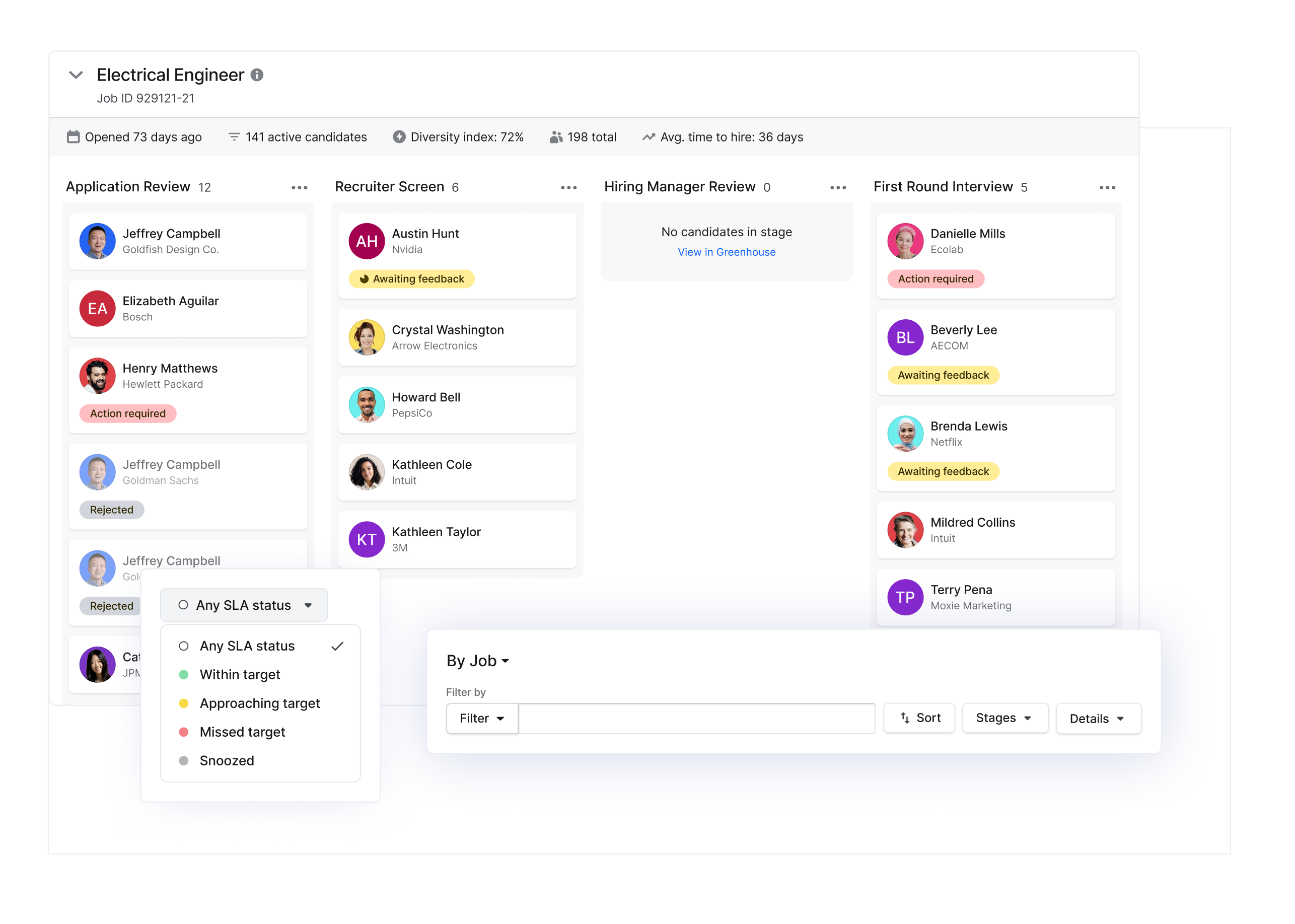 | Workday Strategic Sourcing Screenshots    |
