
GitLab vs. SUSE Rancher
| Product | Rating | Most Used By | Product Summary | Starting Price |
|---|---|---|---|---|
 GitLab | Score8.9 out of 10 | N/A | GitLab is an intelligent orchestration platform for DevSecOps, where software teams enable AI at every stage of the software lifecycle to ship faster. The platform enables teams to automate repetitive tasks across planning, building, securing, testing, deploying, and maintaining software. | $0 per month per user |
 SUSE Rancher | Score9.4 out of 10 | N/A | Developed by Rancher Labs and now from SUSE, Rancher is open-source software that enables organizations to deploy and manage Kubernetes at scale, on any infrastructure across the data center, cloud, branch offices, and the network edge. Rancher centrally manages Kubernetes clusters across the organization in order to ensure security and accelerate transformation. Rancher is also available hosted. Hosted Rancher is a fully managed Rancher control plane - presented as the fastest, most cost… | $7,594.99 per year up to 500 nodes |
| GitLab | SUSE Rancher | |||||||||||||||
|---|---|---|---|---|---|---|---|---|---|---|---|---|---|---|---|---|
| Editions & Modules |
|
| ||||||||||||||
| Offerings |
| |||||||||||||||
| Entry-level Setup Fee | Optional | No setup fee | ||||||||||||||
| Additional Details | GitLab Credits enable flexible, consumption-based access to agentic AI capabilities in the GitLab platform, allowing you to scale AI adoption at your own pace while maintaining cost predictability. Powered by Duo Agent Platform, GitLab’s agentic AI capabilities help software teams to collaborate at AI speed, without compromising quality and enterprise security. If usage exceeds monthly allocations and overage terms are accepted, automated on-demand billing activates without service interruption, so your developers never lose access to AI capabilities they need. Real-time dashboards provide transparency into AI consumption patterns. Software teams can see usage across users, projects, and groups with granular attribution for cost allocation. Automated threshold alerts facilitate proactive planning. Advanced analytics deliver trending, forecasting, and FinOps integration. | — | ||||||||||||||
| More Pricing Information | ||||||||||||||||
| GitLab | SUSE Rancher | |
|---|---|---|
| Considered Both Products | No answer on this topic | No answer on this topic |
| Key User Insights | ||
| Would buy again | ||
97% Would buy again 150 Answers | 100% Would buy again 17 Answers | |
| Delivers good value for the price | ||
99% Delivers good value for the price 135 Answers | 100% Delivers good value for the price 16 Answers | |
| Happy with the feature set | ||
99% Happy with the feature set 152 Answers | 100% Happy with the feature set 17 Answers | |
| Lived up to sales and marketing promises | ||
100% Lived up to sales and marketing promises 92 Answers | 100% Lived up to sales and marketing promises 12 Answers | |
| Implementation went as expected | ||
97% Implementation went as expected 120 Answers | 100% Implementation went as expected 15 Answers | |
| GitLab | SUSE Rancher | |||||||||||||||||||||||||||||||
|---|---|---|---|---|---|---|---|---|---|---|---|---|---|---|---|---|---|---|---|---|---|---|---|---|---|---|---|---|---|---|---|---|
| Container Management |
| |||||||||||||||||||||||||||||||
| GitLab | SUSE Rancher | |
|---|---|---|
| Small Businesses |  GitGuardian Score9 out of 10 |  Mirantis Kubernetes Engine Score8 out of 10 |
| Medium-sized Companies | No answers on this topic |  Amazon Elastic Container Service (Amazon ECS) Score8.6 out of 10 |
| Enterprises | No answers on this topic |  Kubernetes Score9.1 out of 10 |
| All Alternatives | View all alternatives | View all alternatives |
| GitLab | SUSE Rancher | |
|---|---|---|
| Likelihood to Recommend | 8.6 | 8.8 |
| Likelihood to Renew | 9.0 | 10.0 |
| Usability | 8.8 | 8.0 |
| Performance | 9.0 | - |
| Support Rating | 10.0 | 6.8 |
| Contract Terms and Pricing Model | - | 4.5 |
| Product Scalability | 10.0 | - |
| GitLab | SUSE Rancher | |
|---|---|---|
| Likelihood to Recommend |
|
|
| Pros |
|
|
| Cons |
|
|
| Likelihood to Renew |
| No answers on this topic |
| Usability |
|
|
| Reliability and Availability |
| No answers on this topic |
| Performance |
| No answers on this topic |
| Support Rating |
|
|
| Alternatives Considered |
|
|
| Contract Terms and Pricing Model | No answers on this topic |
|
| Scalability |
| No answers on this topic |
| Return on Investment |
|
|
| ScreenShots | GitLab Screenshots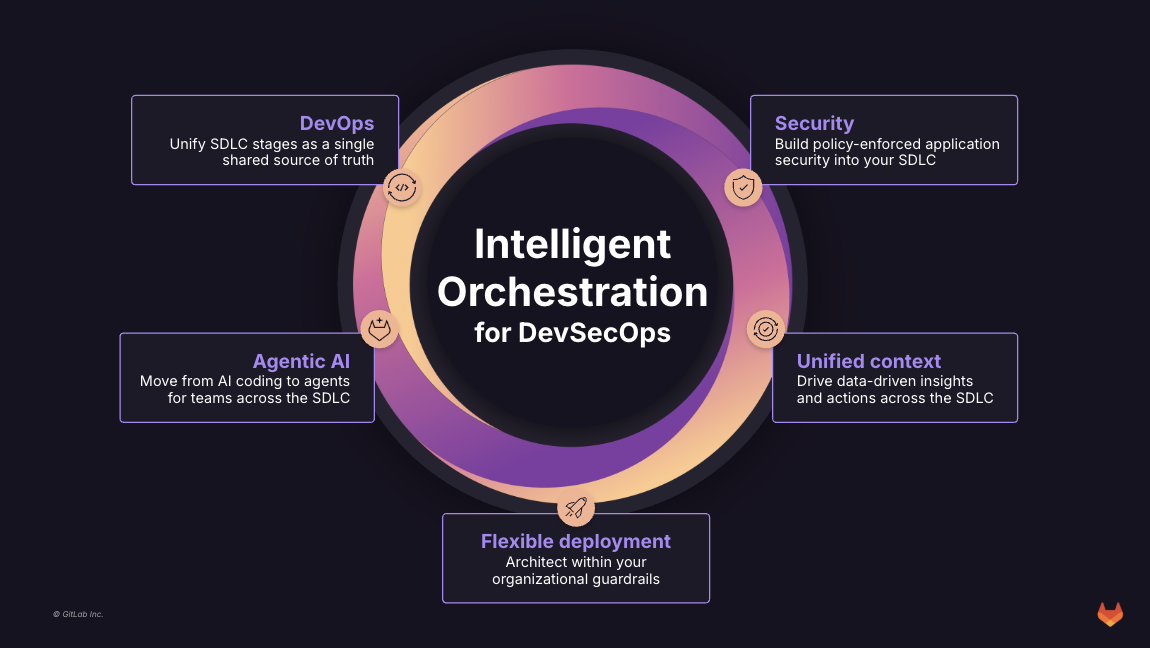 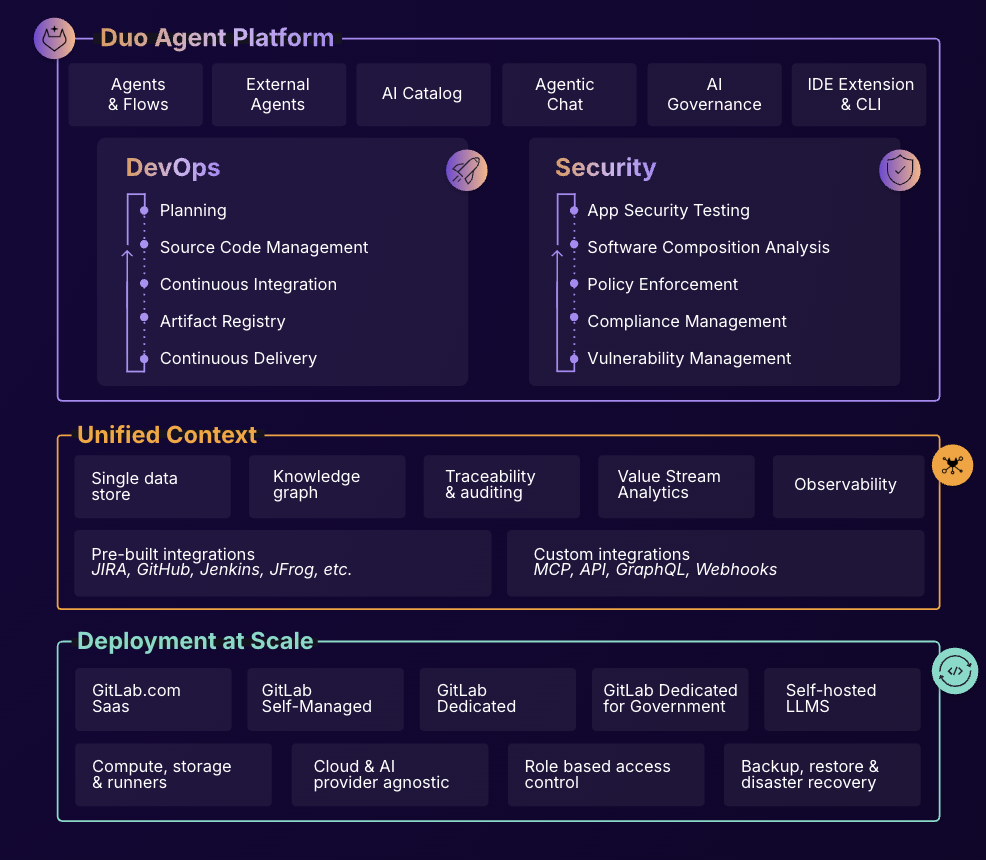 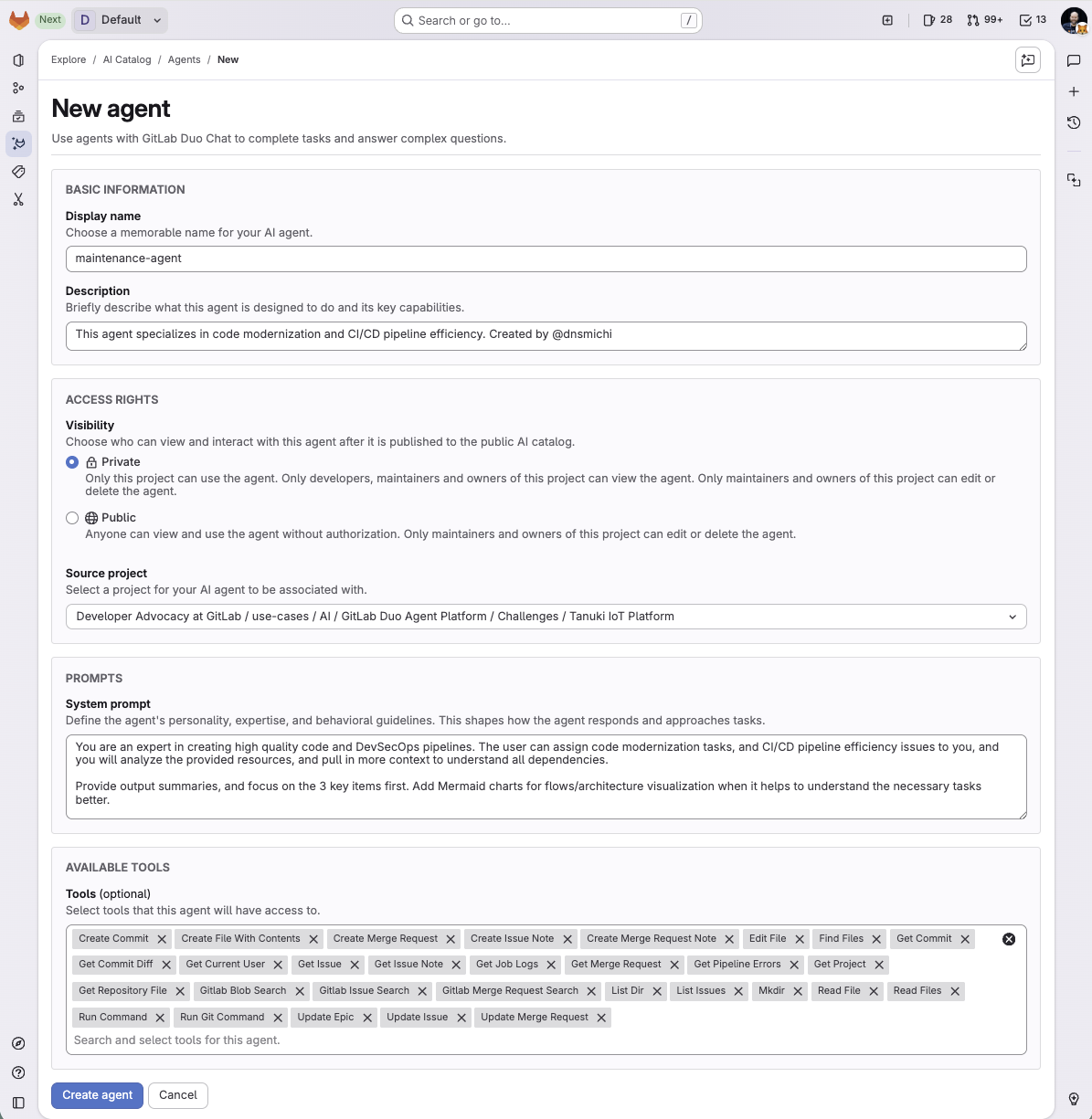 |


