
Harness vs. LaunchDarkly
Harness vs. LaunchDarkly
| Product | Rating | Most Used By | Product Summary | Starting Price |
|---|---|---|---|---|
 Harness | N/A | Harness, from the company of the same name in San Francisco, is a Continuous Delivery-as-a-Service platform designed to provide a simple, safe and secure way for engineering and DevOps teams to release applications into production. Founded in 2016, Harness uses machine learning to detect the quality of deployments and automatically roll back failed ones, saving time and reducing the need for custom scripting and manual oversight. | N/A | |
 LaunchDarkly | N/A | LaunchDarkly provides a feature management platform that enables DevOps and Product teams to use feature flags at scale. This allows for greater collaboration among team members, and increased usability testing before full-scale feature deployment. | $12 per month |
| Harness | LaunchDarkly | |||||||||||||||
|---|---|---|---|---|---|---|---|---|---|---|---|---|---|---|---|---|
| Editions & Modules | No answers on this topic |
| ||||||||||||||
| Offerings |
| |||||||||||||||
| Entry-level Setup Fee | No setup fee | Optional | ||||||||||||||
| Additional Details | — | Discount available on the Foundation plan for annual pricing. | ||||||||||||||
| More Pricing Information | ||||||||||||||||
| Harness | LaunchDarkly |
|---|
| Harness | LaunchDarkly | |
|---|---|---|
| Small Businesses | No answers on this topic |  GitLab Score 8.9 out of 10 |
| Medium-sized Companies |  Datadog Score 8.8 out of 10 | GitLab Score 8.9 out of 10 |
| Enterprises | Datadog Score 8.8 out of 10 | GitLab Score 8.9 out of 10 |
| All Alternatives | View all alternatives | View all alternatives |
| Harness | LaunchDarkly | |
|---|---|---|
| Likelihood to Recommend | - (0 ratings) | 8.0 (29 ratings) |
| Likelihood to Renew | - (0 ratings) | 7.0 (1 ratings) |
| Usability | - (0 ratings) | 9.0 (27 ratings) |
| Availability | - (0 ratings) | 10.0 (1 ratings) |
| Performance | - (0 ratings) | 8.1 (26 ratings) |
| Support Rating | - (0 ratings) | 10.0 (1 ratings) |
| Implementation Rating | - (0 ratings) | 9.0 (1 ratings) |
| Configurability | - (0 ratings) | 8.0 (1 ratings) |
| Ease of integration | - (0 ratings) | 8.0 (1 ratings) |
| Product Scalability | - (0 ratings) | 10.0 (1 ratings) |
| Vendor post-sale | - (0 ratings) | 8.0 (1 ratings) |
| Vendor pre-sale | - (0 ratings) | 10.0 (1 ratings) |
| Harness | LaunchDarkly | |
|---|---|---|
| Likelihood to Recommend | Harness No answers on this topic | LaunchDarkly
|
| Pros | Harness No answers on this topic | LaunchDarkly
|
| Cons | Harness No answers on this topic | LaunchDarkly
|
| Likelihood to Renew | Harness No answers on this topic | LaunchDarkly
 Anderson Carvalho Lead Site Reliability Engineer |
| Usability | Harness No answers on this topic | LaunchDarkly
 Michael Gallouedec Senior Software Engineer |
| Reliability and Availability | Harness No answers on this topic | LaunchDarkly
Anderson Carvalho Lead Site Reliability Engineer |
| Performance | Harness No answers on this topic | LaunchDarkly
|
| Support Rating | Harness No answers on this topic | LaunchDarkly
Anderson Carvalho Lead Site Reliability Engineer |
| Implementation Rating | Harness No answers on this topic | LaunchDarkly
Anderson Carvalho Lead Site Reliability Engineer |
| Alternatives Considered | Harness No answers on this topic | LaunchDarkly
|
| Scalability | Harness No answers on this topic | LaunchDarkly
Anderson Carvalho Lead Site Reliability Engineer |
| Return on Investment | Harness No answers on this topic | LaunchDarkly
|
| ScreenShots | Harness Screenshots | LaunchDarkly Screenshots 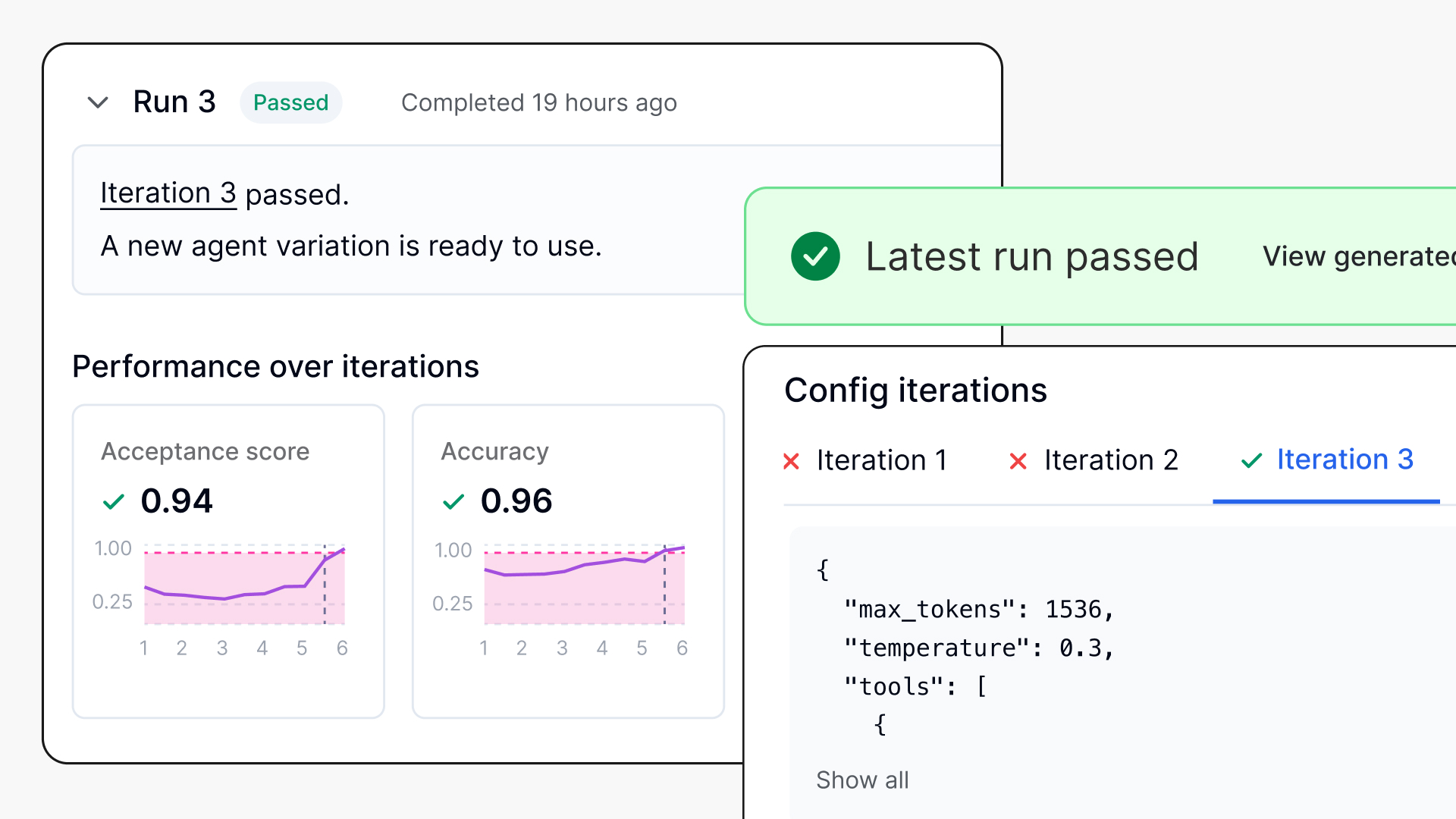 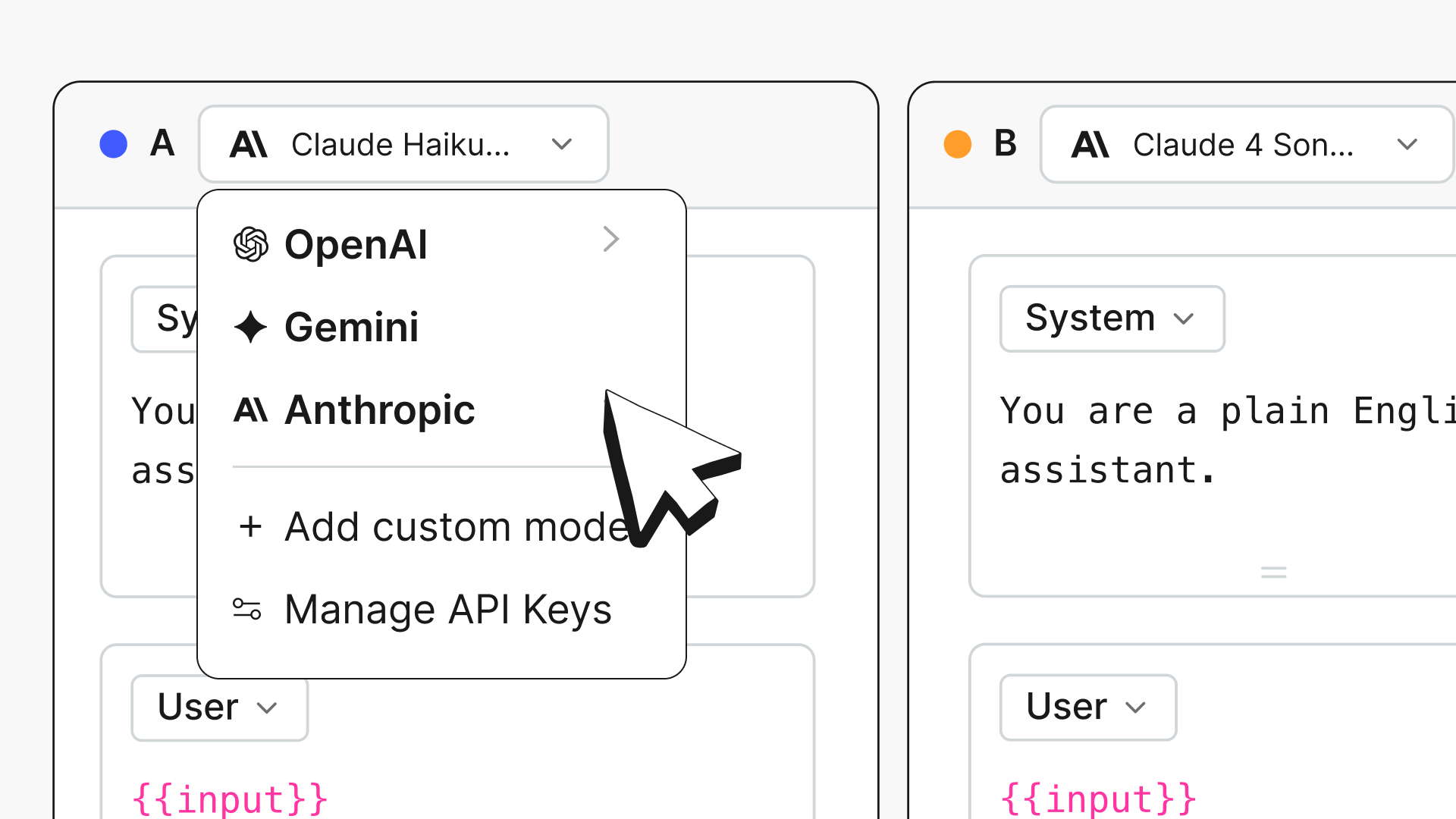 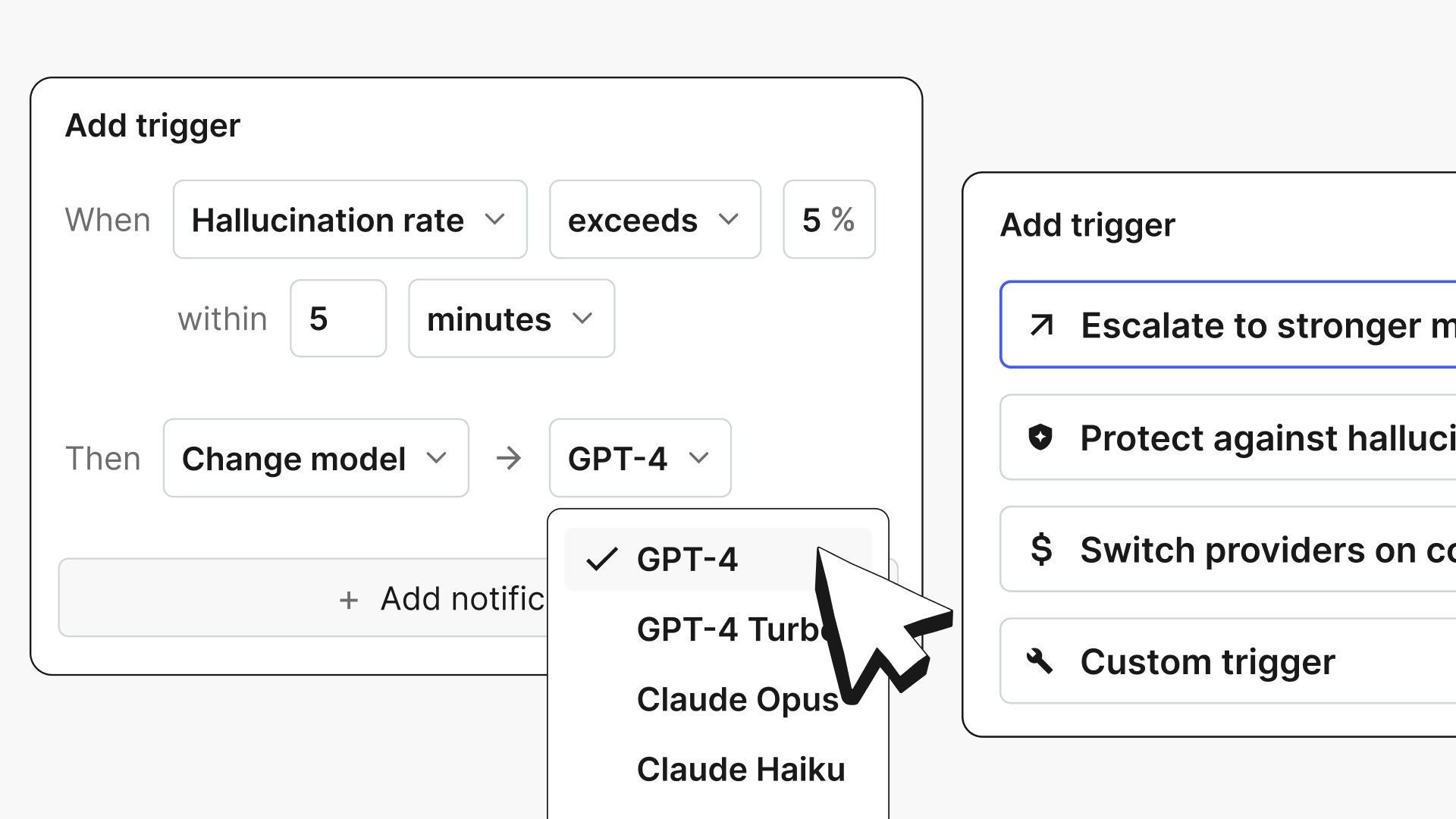 |