Chose HashiCorp Terraform
HashiCorp Terraform has Cloud agnostic capability to use with different cloud vendors and the ease of creating the code with minimal effort.

| Product | Rating | Most Used By | Product Summary | Starting Price |
|---|---|---|---|---|
 HashiCorp Terraform | N/A | Terraform from HashiCorp is a cloud infrastructure automation tool that enables users to create, change, and improve production infrastructure, and it allows infrastructure to be expressed as code. It codifies APIs into declarative configuration files that can be shared amongst team members, treated as code, edited, reviewed, and versioned. It is available Open Source, and via Cloud and Self-Hosted editions. | $0 | |
 HashiCorp Vault | N/A | HashiCorp offers Vault, an encryption tool of use in the management of secrets including credentials, passwords and other secrets, providing access control, audit trail, and support for multiple authentication methods. It is available open source, or under an enterprise license. | $0.03 |
| HashiCorp Terraform | HashiCorp Vault | |||||||||||||||
|---|---|---|---|---|---|---|---|---|---|---|---|---|---|---|---|---|
| Editions & Modules |
|
| ||||||||||||||
| Offerings |
| |||||||||||||||
| Entry-level Setup Fee | No setup fee | No setup fee | ||||||||||||||
| Additional Details | — | — | ||||||||||||||
| More Pricing Information | ||||||||||||||||
| HashiCorp Terraform | HashiCorp Vault | |
|---|---|---|
| Considered Both Products | HashiCorp Terraform  Kyle Rockman Software Engineer Chose HashiCorp Terraform Terraform has made better choices in how their product works, is used over time, and can be integrated with. | HashiCorp Vault  Erlon Sousa Pinheiro DevOps Engineer Chose HashiCorp Vault I already used Encrypted Hiera (which is basically YAML files encrypted with a private key scheme where this key is stored in plain text on the server, which is obviously not the best option). Another solution I also used for this purpose was AWS KMS, but with Vault I don't get …  Jeffrey Severance Senior Solutions Engineer Chose HashiCorp Vault We evaluated Symantec as an existing partner within our enterprise. We found that the API provided by Vault is superior and that was a critical use case in our organization. We also found that Vault has more engine types which allow different types of data to be stored. This … |
| HashiCorp Terraform | HashiCorp Vault | |||||||||||||||||||||
|---|---|---|---|---|---|---|---|---|---|---|---|---|---|---|---|---|---|---|---|---|---|---|
| Configuration Management |
|
| HashiCorp Terraform | HashiCorp Vault | |
|---|---|---|
| Small Businesses |  HashiCorp Vagrant Score 10.0 out of 10 |  Keeper Score 8.1 out of 10 |
| Medium-sized Companies |  Ansible Score 9.2 out of 10 | Keeper Score 8.1 out of 10 |
| Enterprises | Ansible Score 9.2 out of 10 |  Delinea Secret Server Score 8.1 out of 10 |
| All Alternatives | View all alternatives | View all alternatives |
| HashiCorp Terraform | HashiCorp Vault | |
|---|---|---|
| Likelihood to Recommend | 8.4 (30 ratings) | 8.0 (6 ratings) |
| Likelihood to Renew | - (0 ratings) | 10.0 (1 ratings) |
| Usability | 8.1 (5 ratings) | 7.0 (2 ratings) |
| Performance | 9.4 (3 ratings) | - (0 ratings) |
| Support Rating | 7.4 (5 ratings) | 6.3 (3 ratings) |
| Ease of integration | 9.2 (3 ratings) | - (0 ratings) |
| HashiCorp Terraform | HashiCorp Vault | |
|---|---|---|
| Likelihood to Recommend | HashiCorp
 Callum O'Connor Senior Analytics Engineer | HashiCorp
|
| Pros | HashiCorp
| HashiCorp
Jeffrey Severance Senior Solutions Engineer |
| Cons | HashiCorp
 Jude Allred Co-Founder & CTA | HashiCorp
|
| Likelihood to Renew | HashiCorp No answers on this topic | HashiCorp
|
| Usability | HashiCorp
| HashiCorp
Erlon Sousa Pinheiro DevOps Engineer |
| Performance | HashiCorp
 Dhruba Jyoti Nag Associate | HashiCorp No answers on this topic |
| Support Rating | HashiCorp
 Michael Jenkins Senior Systems Reliability Engineer | HashiCorp
Jeffrey Severance Senior Solutions Engineer |
| Alternatives Considered | HashiCorp
Jeffrey Severance Senior Solutions Engineer | HashiCorp
 Marco Urrea DevOps Engineer |
| Return on Investment | HashiCorp
| HashiCorp
|
| ScreenShots | HashiCorp Terraform Screenshots     | HashiCorp Vault Screenshots 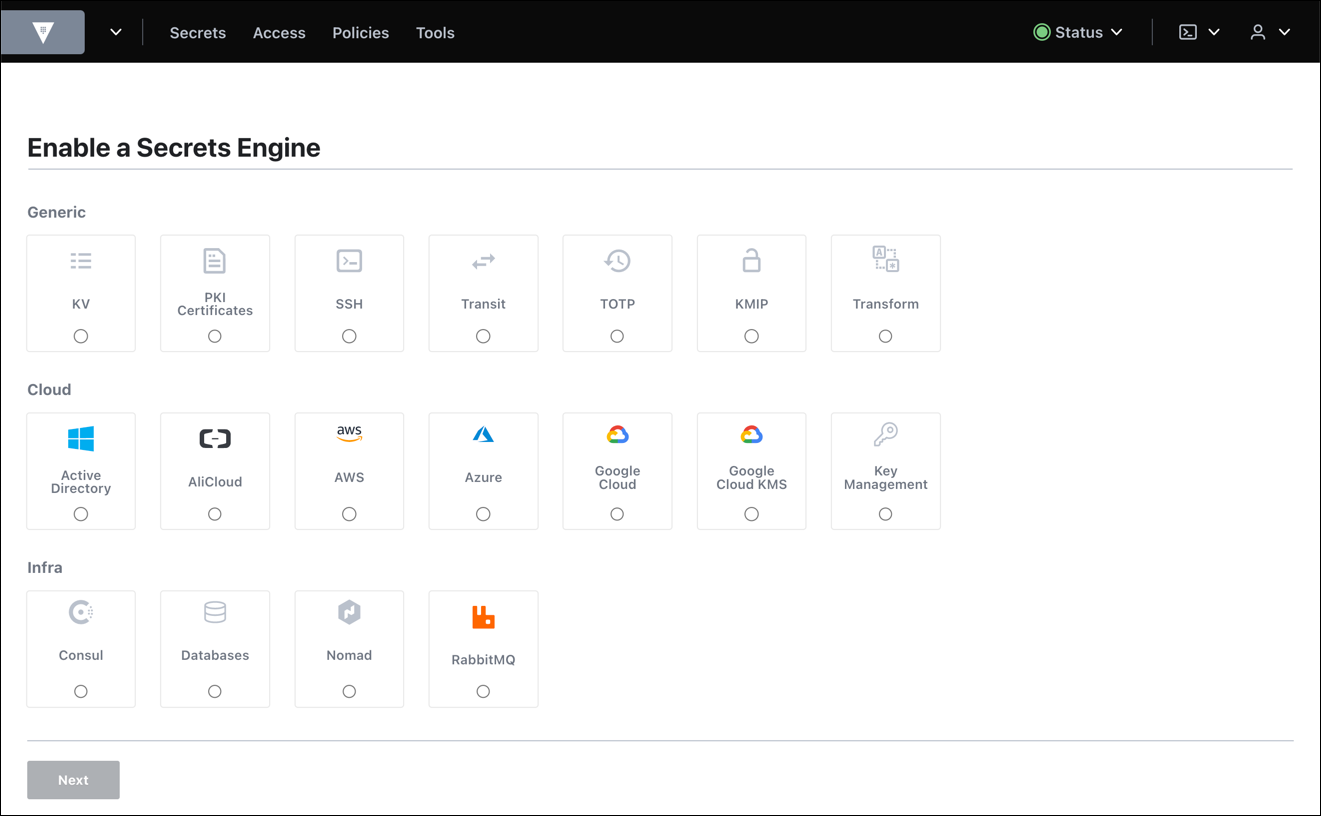 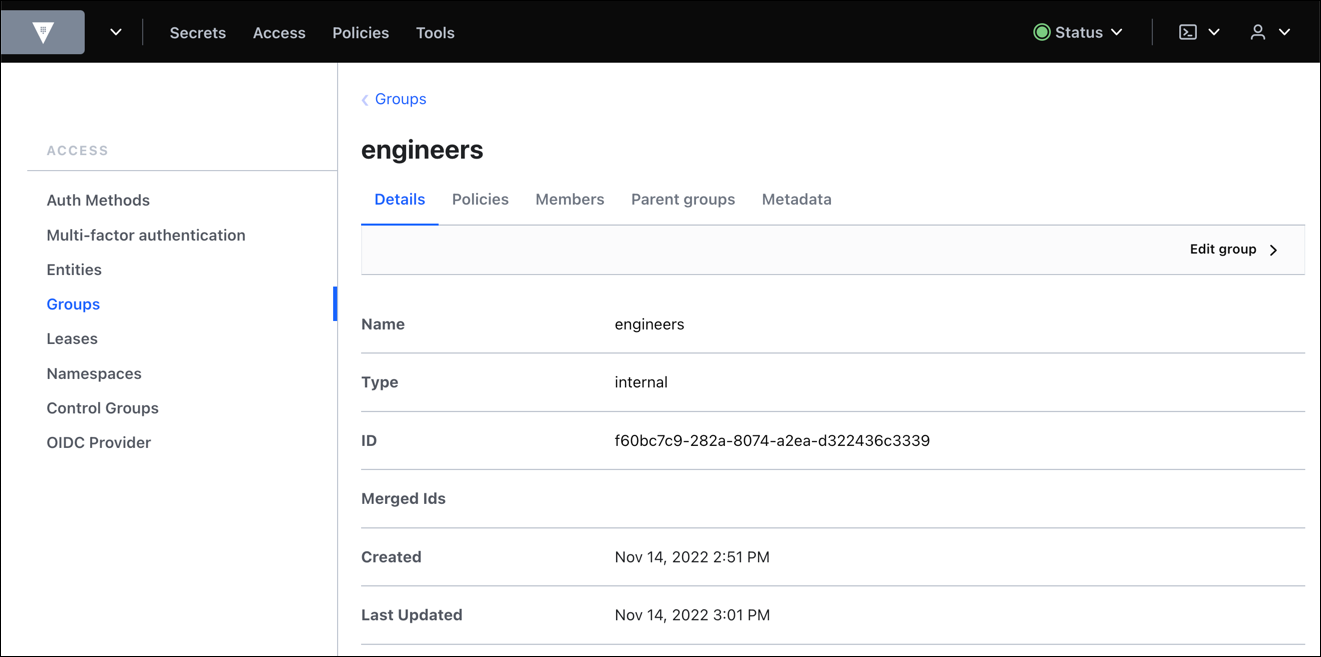  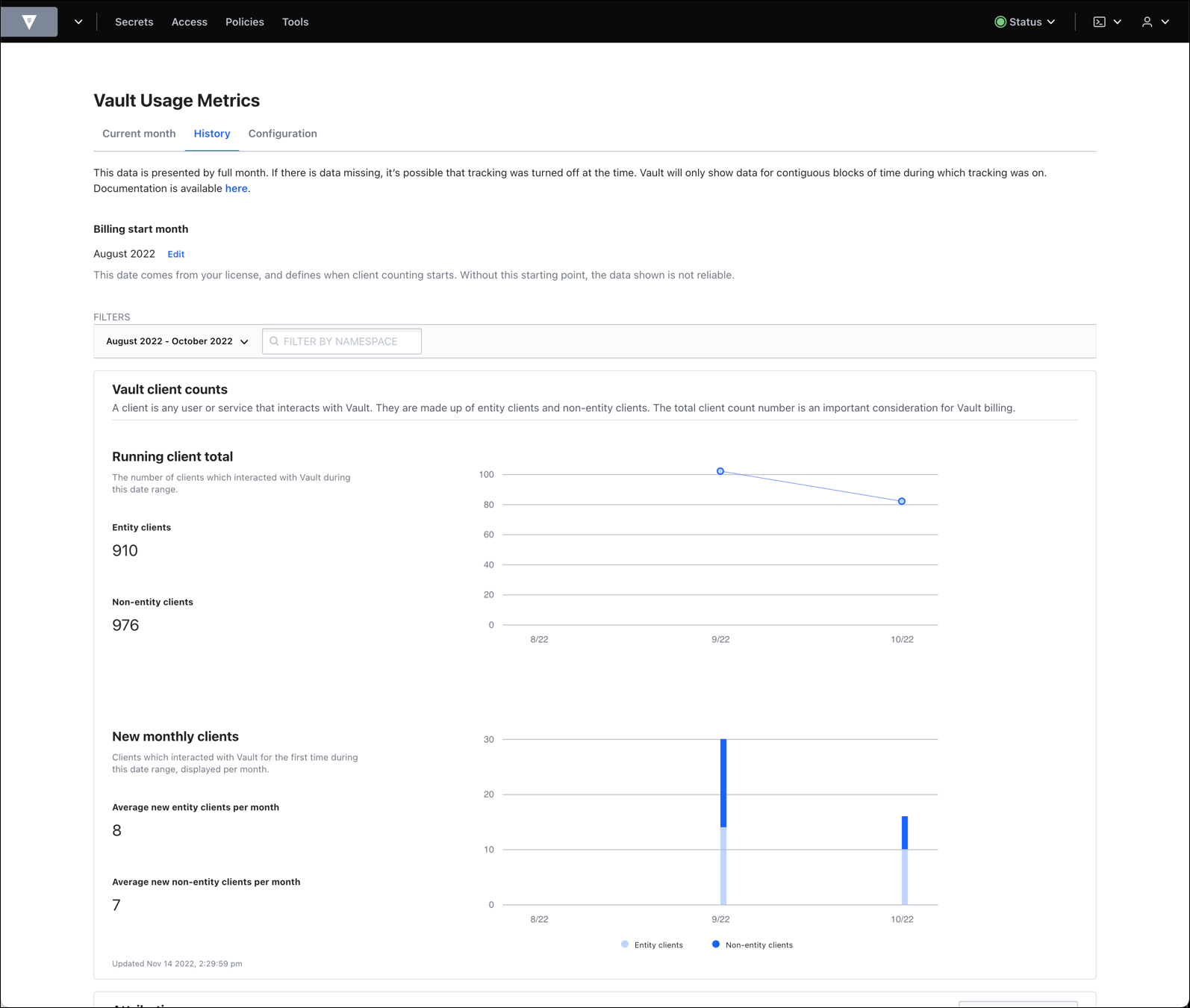 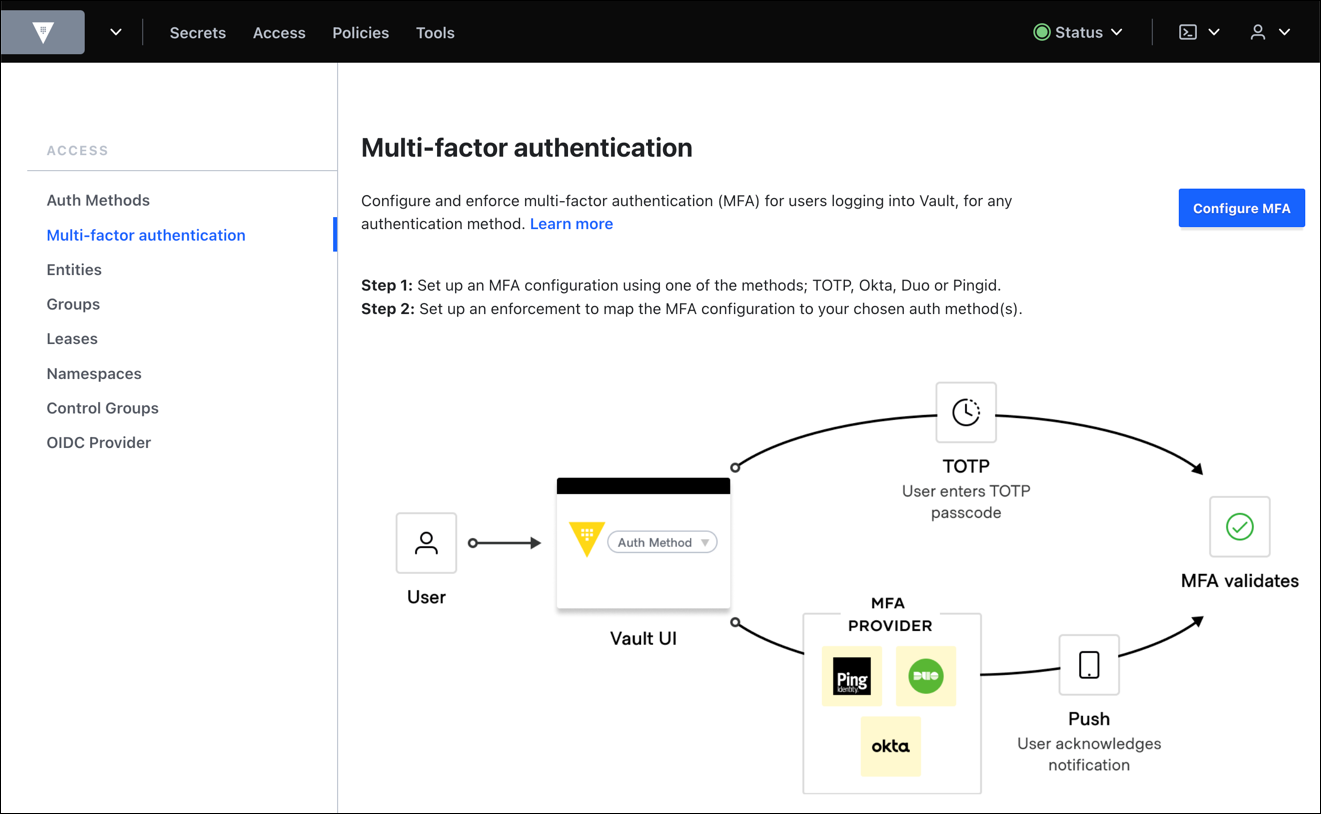 |