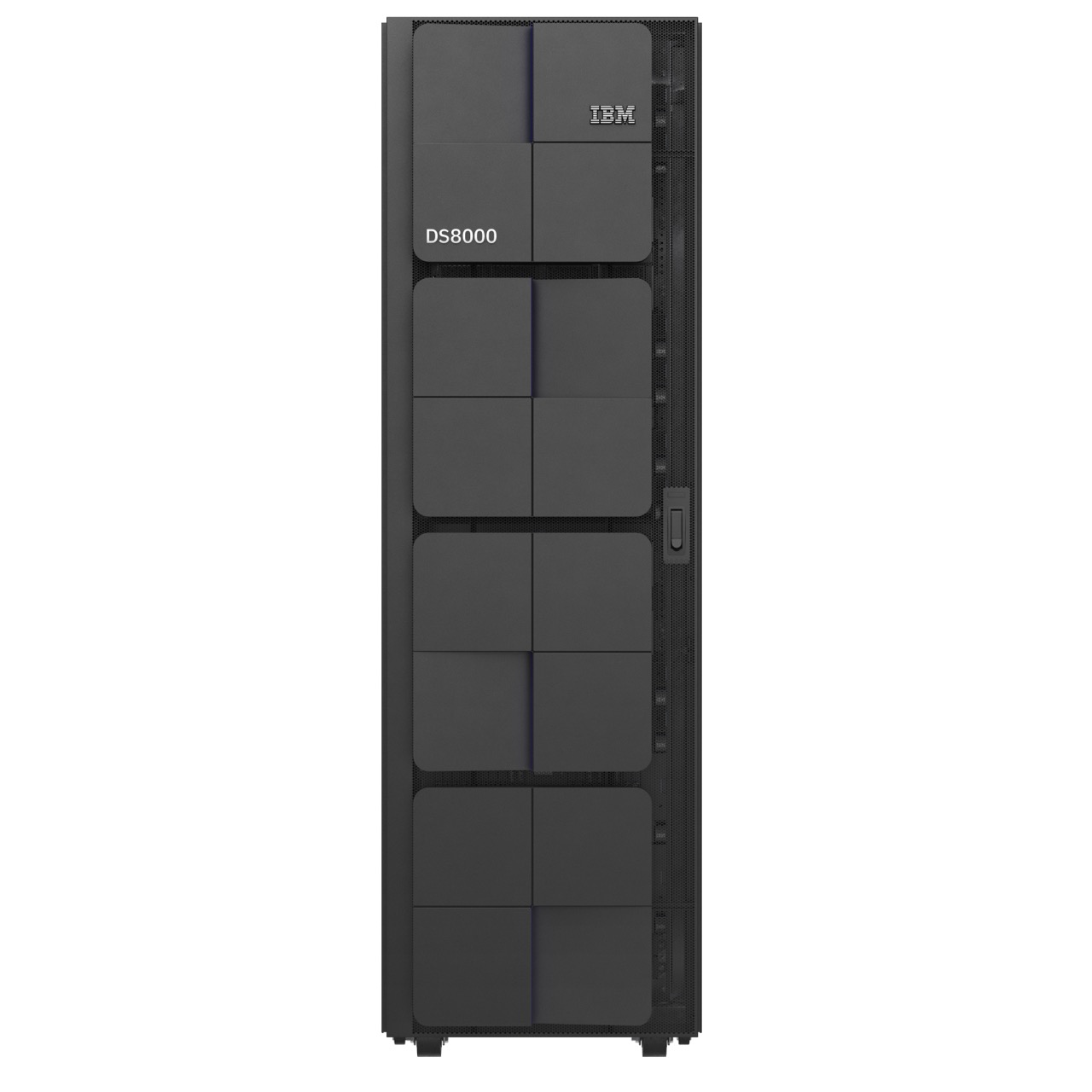
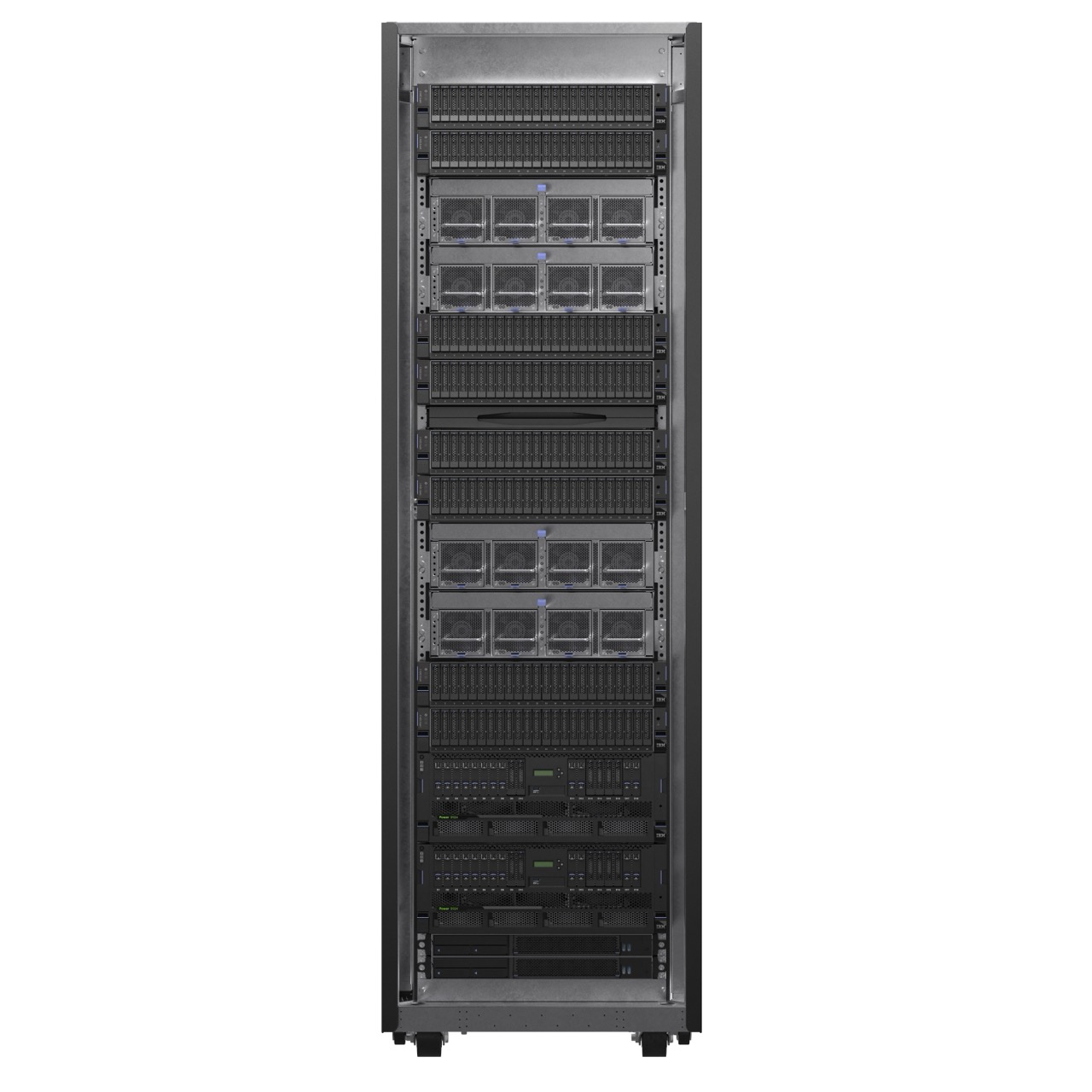
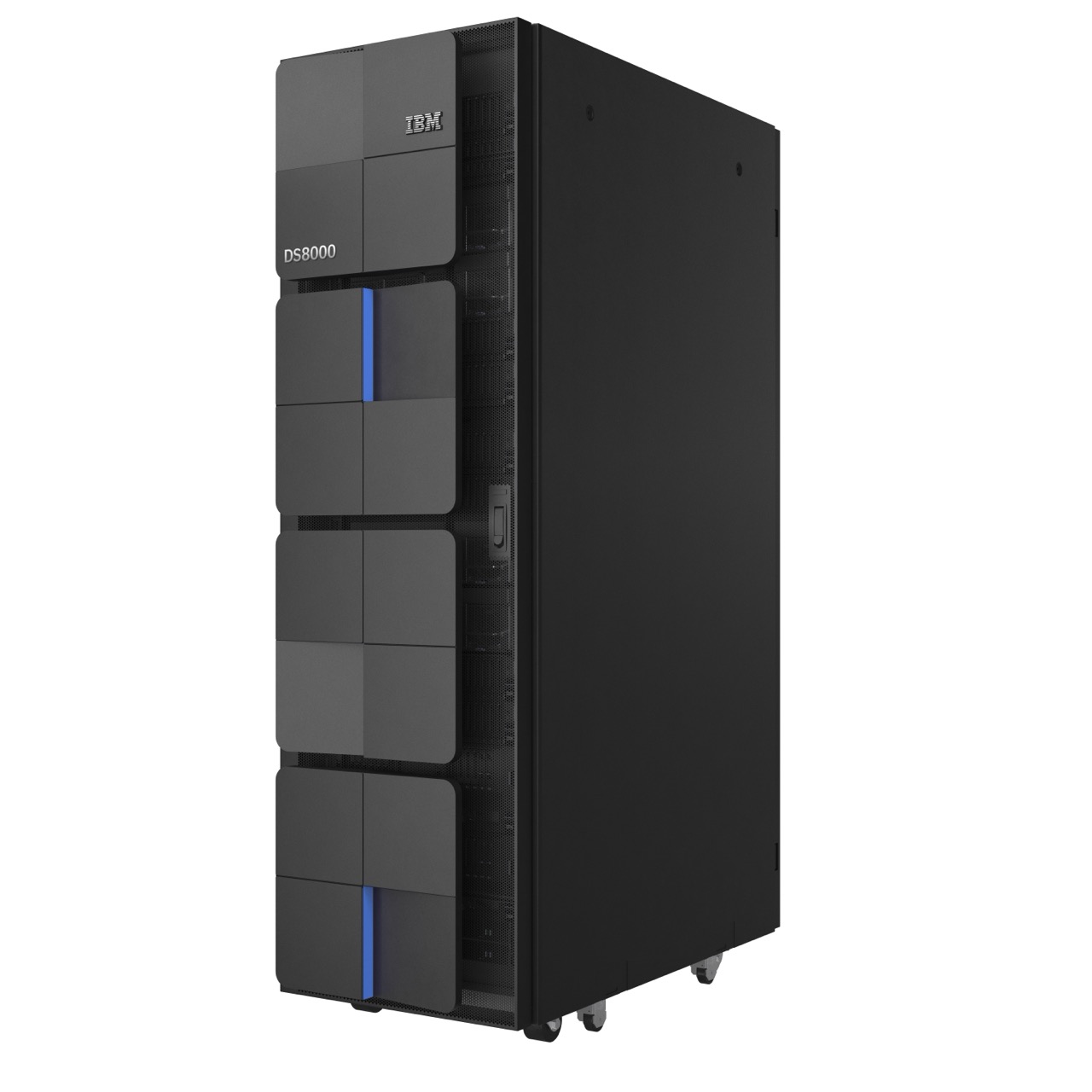
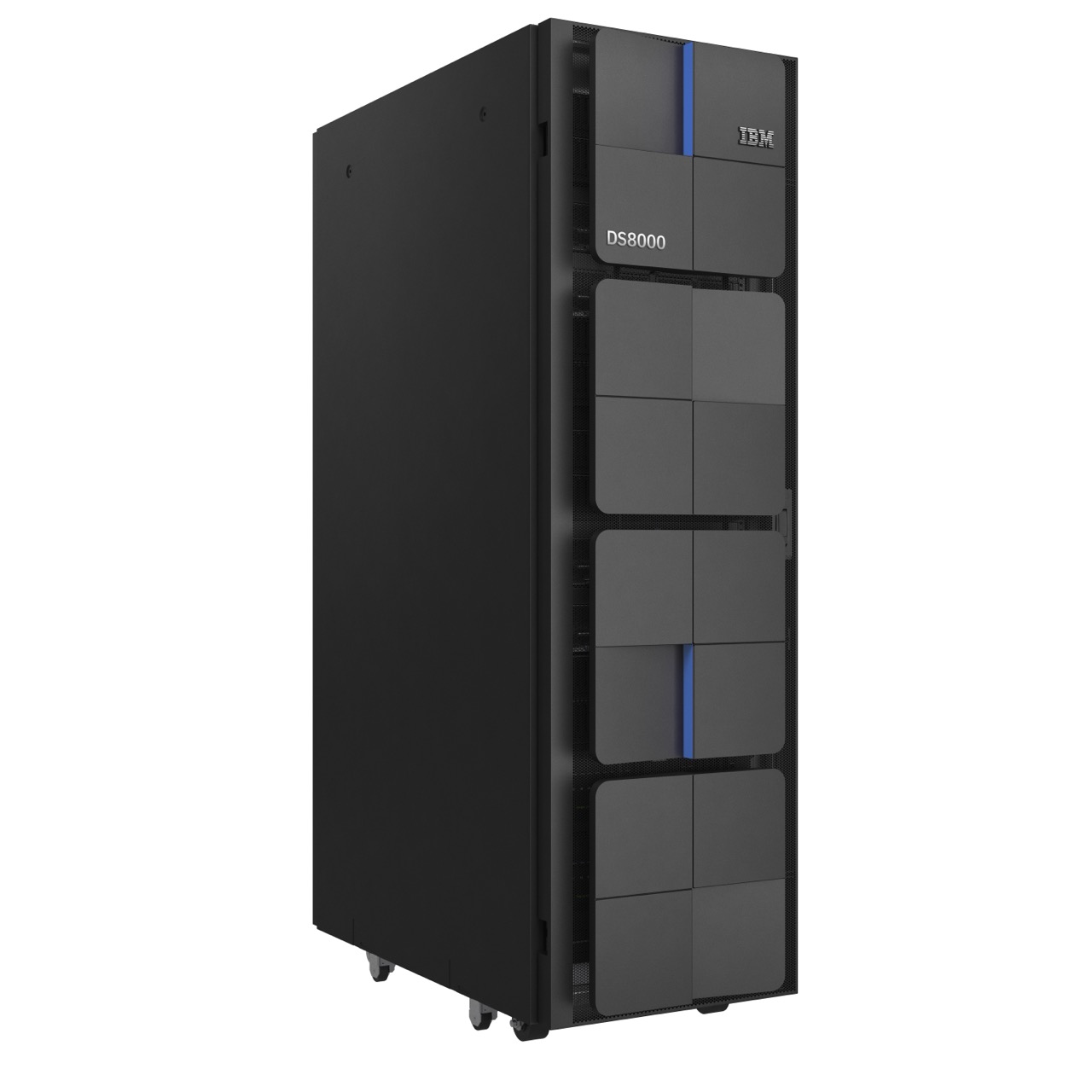
IBM Storage DS8000 (10th Generation) is an enterprise-class storage for IBM Z and IBM i architectures. It combines encryption with cyber threat detection and assisted recovery – delivering uninterrupted mission-critical data for the world’s most demanding enterprises.
N/A
StarWind Virtual SAN
Score9.5 out of 10
N/A
StarWind Virtual SAN is software-defined storage for efficient storage and backup.
Well suited for mainframe CKD based applications. There is unmatched synergy with IBM zSeries when compared to the competition, for example zHPF, SUPERPAV, zHyperLink, cache management and replication technologies. For distributed, the fact that Copy Services Manager comes with the box is a great move on IBMs part to provide replication capability no matter what the applicaiton. I think the DS8k is less suited for smaller distributed environments. I think product overlap with V9000 in this case
A de minimis incentive was given to thank the reviewer for their time. The incentive was not used to bias or drive a particular response, nor was the incentive contingent on a positive endorsement. More Info
For remote locations, where communications are limited and cloud services are difficult to obtain, on-premises servers are the only solution. Hardware solutions require spares in storage for redundancy and are more expensive than software solutions. If communications and cloud computing are highly available, then solutions such as StarWnd Virtual SAN would not be needed.
Remote Copy -- The DS8k has decades of excellent code built to handle the most demanding environments for mainframe or open systems and can be combined with automation solutions like GDPS or Copy Services Manager
Reliability and Availability -- This is the platform that gets used for the most demanding environments, even when FICON attachment isn't required
Continued enhancement -- IBM continues to put resources into the DS8k and the platform has advanced with the technology from z and power
Mainframe synergy -- Poughkeepsie communicates and works very closely with the DS8k developers
A de minimis incentive was given to thank the reviewer for their time. The incentive was not used to bias or drive a particular response, nor was the incentive contingent on a positive endorsement. More Info
the StarWind Virtual SAN allows us to use Starwind Management Console to confirm health of the sync
The High Available nature of the deployment means we can fail over VMs without end users noticing any downtime
Their support is proactive alerting when firmware updates are needed (including iDRAC firmware) or when there are any warnings in the event logs, and schedule a time to remediate the issue with you.
A de minimis incentive was given to thank the reviewer for their time. The incentive was not used to bias or drive a particular response, nor was the incentive contingent on a positive endorsement. More Info
A de minimis incentive was given to thank the reviewer for their time. The incentive was not used to bias or drive a particular response, nor was the incentive contingent on a positive endorsement. More Info
Complexity: StarWind Virtual SAN can be complex to set up and manage, especially for organizations with limited IT resources
Limited protocol support: StarWind Virtual SAN supports a limited number of protocols, primarily iSCSI and SMB3
Limited scalability for storage-only deployments: In storage-only deployments, StarWind Virtual SAN has a limit of 32 nodes per cluster
Lack of reporting and analytics: StarWind Virtual SAN has limited reporting and analytics capabilities, which can make it difficult to monitor and troubleshoot performance issues
Limited backup and recovery options: While StarWind Virtual SAN provides some basic backup and recovery options, it lacks advanced features such as snapshot management, backup scheduling, and offsite replication
StarWind Virtual SAN is a great solution and is now an integral part of our network of servers. The product is superb and the support has been amazing. It's perfect for our organisation and we won't be looking to come away from it any time soon!
A de minimis incentive was given to thank the reviewer for their time. The incentive was not used to bias or drive a particular response, nor was the incentive contingent on a positive endorsement. More Info
Very easy to use and manage from an IT standpoint. The user interface is well laid out, provides access to the underlying hardware configurations, and allows customization of storage volumes from each cluster node in your environment. Can provide differing levels of access, so team member access can be set up based on roles.
The solution has been tested under constant usage for 5 years now and there (knock on wood) has yet be an outage. There were instances if human error during the operation and the StarWind reliably intervened, either through a synchronization or reporting of a degredation of interfaces, e.g. the heartbeat interface.
A de minimis incentive was given to thank the reviewer for their time. The incentive was not used to bias or drive a particular response, nor was the incentive contingent on a positive endorsement. More Info
The software delivered exceptional performance until now with very fast write and speed rates, around 900MB/s through a 10GBit connection on a virtualized fileserver. It meets our demands without any problems whatsoever and we are a very media heavy environment with TBs of raw data.
A de minimis incentive was given to thank the reviewer for their time. The incentive was not used to bias or drive a particular response, nor was the incentive contingent on a positive endorsement. More Info
Their support team is dedicated to providing top-notch customer service and is always available to help with any questions or issues that may arise. Their expertise and responsiveness have proven invaluable in ensuring the smooth operation of our virtualized environment. With such excellent support, we feel confident in our ability to utilize this product to its fullest potential, and we highly recommend it to others.
Overall the setup was easy, we did require some help from the technical support team but other than that, we followed all of StarWinds prerequisites and everything else just fell nicely into place with hardly any downtime. The downtime was only due to moving VMs from our previous cluster over to the new StarWind storage cluster.
A de minimis incentive was given to thank the reviewer for their time. The incentive was not used to bias or drive a particular response, nor was the incentive contingent on a positive endorsement. More Info
A de minimis incentive was given to thank the reviewer for their time. The incentive was not used to bias or drive a particular response, nor was the incentive contingent on a positive endorsement. More Info
We have found the solution surprisingly simple to use. The management console allows us to monitor the solution and we have configured email alerts to alert us about critical issues. These alerts have been proven to work in an actual failure scenario, for example, when we had a memory issue with one of our servers that caused the entire server to crash. The management console also allows us to monitor the solution performance and provides us with access to system logs.
The software is very scalable storage wise. The storage is provisioned through config files, which are created either through PowerShell scripts or the Management Console on the paid version. After that the storage is provisioned through iSCSI. In our case, in case of expansion, we would have to run the PowerShell scripts and do another full synchronization to update any remaining backup nodes, but the procedure is clear and even easier via Management Console, just expand the RAID array, punch the new capacity into the console and start the synchronization!
A de minimis incentive was given to thank the reviewer for their time. The incentive was not used to bias or drive a particular response, nor was the incentive contingent on a positive endorsement. More Info
A de minimis incentive was given to thank the reviewer for their time. The incentive was not used to bias or drive a particular response, nor was the incentive contingent on a positive endorsement. More Info
A de minimis incentive was given to thank the reviewer for their time. The incentive was not used to bias or drive a particular response, nor was the incentive contingent on a positive endorsement. More Info