
IBM Verify vs. Opal.dev
| Product | Rating | Most Used By | Product Summary | Starting Price |
|---|---|---|---|---|
 IBM Verify | Score8.7 out of 10 | N/A | IBM Verify, formerly known as IBM Cloud Identity, is an identity-as-a-service (IDaaS) offering that aggregates dynamic user, device and environmental context to automate risk protection and continuously authenticate any user to any resource. | $1.81 per month per user |
 Opal.dev | Score1 out of 10 | N/A | Opal is a security platform that enables organizations to scale process. | N/A |
| IBM Verify | Opal.dev | |||||||||||||||
|---|---|---|---|---|---|---|---|---|---|---|---|---|---|---|---|---|
| Editions & Modules | No answers on this topic | No answers on this topic | ||||||||||||||
| Offerings |
| |||||||||||||||
| Entry-level Setup Fee | Optional | No setup fee | ||||||||||||||
| Additional Details | Sample Pricing Breakdown (NOTE: for competitive pricing per contract, please consult with your IBM Security Account Rep) Users: 5,000 SSO* -- USD 1.71 per user per month MFA* -- USD 1.71 per user per month Adaptive Access* -- USD 1.71 per user per month Lifecycle and provisioning** -- USD 2.01 per user per month Identity analytics** -- USD 2.13 per user per month * Single sign-on (SSO), multifactor authentication (MFA) and adaptive access pricing based on total active monthly users per use case. Costs decrease if users are active less than once per month. ** Lifecycle and provisioning and identity analytics pricing based on total users per use case. | Contact vendor for pricing information. | ||||||||||||||
| More Pricing Information | ||||||||||||||||
| IBM Verify | Opal.dev | |
|---|---|---|
| Considered Both Products | No answer on this topic | No answer on this topic |
| Key User Insights | ||
| Would buy again | ||
90% Would buy again 47 Answers | No answers on this topic | |
| Delivers good value for the price | ||
91% Delivers good value for the price 42 Answers | No answers on this topic | |
| Happy with the feature set | ||
90% Happy with the feature set 47 Answers | No answers on this topic | |
| Lived up to sales and marketing promises | ||
100% Lived up to sales and marketing promises 33 Answers | No answers on this topic | |
| Implementation went as expected | ||
95% Implementation went as expected 40 Answers | No answers on this topic | |
| IBM Verify | Opal.dev | |||||||||||||||||||||||||
|---|---|---|---|---|---|---|---|---|---|---|---|---|---|---|---|---|---|---|---|---|---|---|---|---|---|---|
| Identity Management |
| |||||||||||||||||||||||||
| IBM Verify | Opal.dev | |
|---|---|---|
| Small Businesses |  JumpCloud Score9.3 out of 10 |  Auth0 Score8 out of 10 |
| Medium-sized Companies |  OneLogin by One Identity Score9.4 out of 10 | Auth0 Score8 out of 10 |
| Enterprises |  RSA Access Manager (Discontinued) Score10 out of 10 | No answers on this topic |
| All Alternatives | View all alternatives | View all alternatives |
| IBM Verify | Opal.dev | |
|---|---|---|
| Likelihood to Recommend | 8.9 | 1.0 |
| Likelihood to Renew | 9.1 | - |
| Usability | 7.3 | - |
| Availability | 7.7 | - |
| Support Rating | 8.2 | - |
| Configurability | 7.1 | - |
| Contract Terms and Pricing Model | 7.3 | - |
| Professional Services | 8.3 | - |
| IBM Verify | Opal.dev | |
|---|---|---|
| Likelihood to Recommend |
|
|
| Pros |
| No answers on this topic |
| Cons |
|
|
| Likelihood to Renew |
| No answers on this topic |
| Usability |
| No answers on this topic |
| Reliability and Availability |
| No answers on this topic |
| Support Rating |
| No answers on this topic |
| Alternatives Considered |
| No answers on this topic |
| Contract Terms and Pricing Model |
| No answers on this topic |
| Professional Services |
| No answers on this topic |
| Return on Investment |
|
|
| ScreenShots | IBM Verify Screenshots 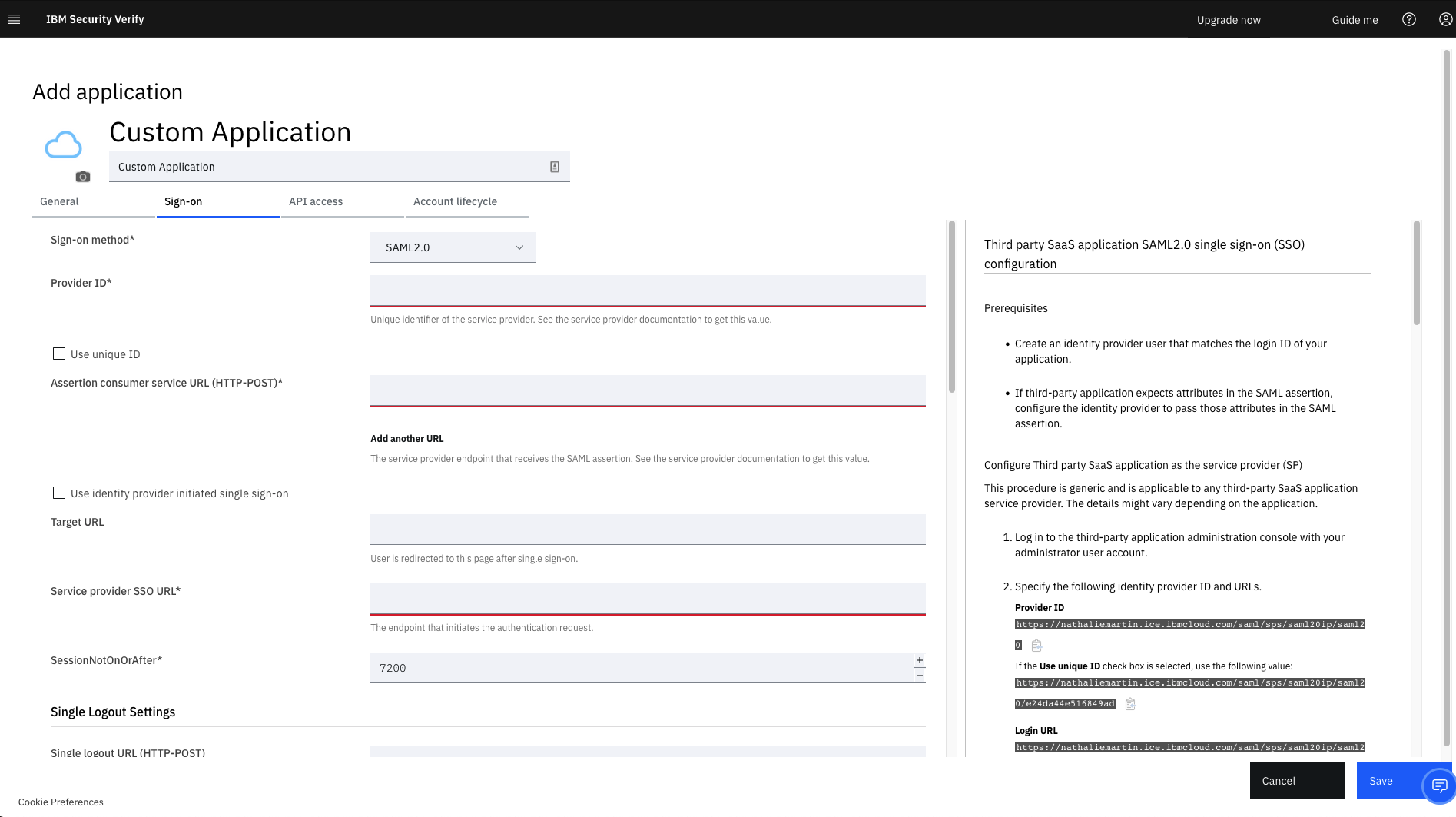 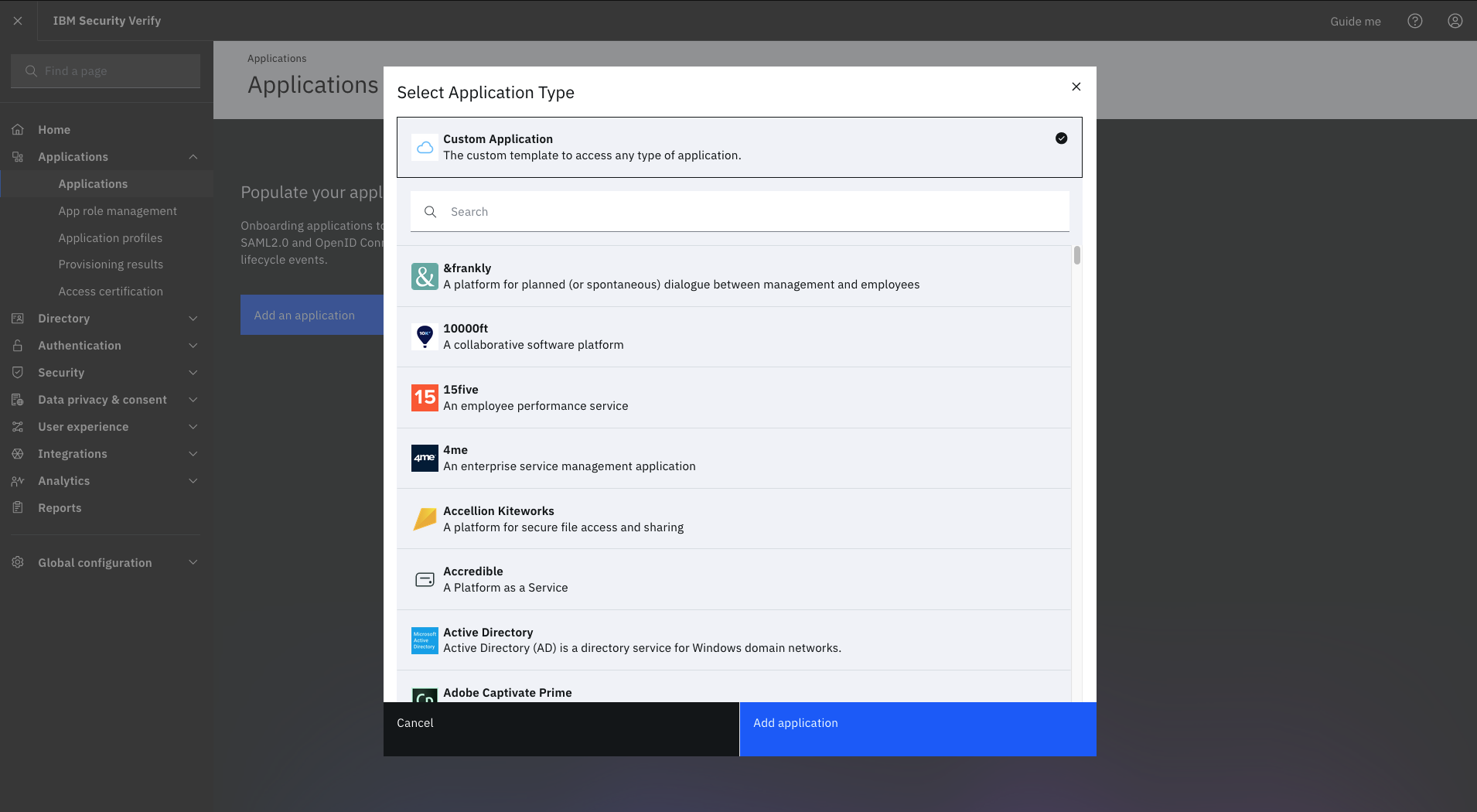  | Opal.dev Screenshots |


