
Kaspersky EDR Optimum vs. Microsoft Defender for Endpoint
| Product | Rating | Most Used By | Product Summary | Starting Price |
|---|---|---|---|---|
 Kaspersky EDR Optimum | Score9.2 out of 10 | Mid-Size Companies (51-1,000 employees) | Kaspersky Endpoint Detection and Response (EDR) Optimum helps identify, analyze and neutralize evasive threats by providing easy-to-use advanced detection, simplified investigation and automated response. It is a basic EDR tool for mid-market organizations who are just starting to build their incident response processes. | $14.50 per year on a 3 year license (Pricing is for a 3-year commitment, calculated per year). 1 endpoint |
 Microsoft Defender for Endpoint | Score8.8 out of 10 | N/A | Microsoft Defender for Endpoint (formerly Microsoft Defender ATP) is a holistic, cloud delivered endpoint security solution that includes risk-based vulnerability management and assessment, attack surface reduction, behavioral based and cloud-powered next generation protection, endpoint detection and response (EDR), automatic investigation and remediation, managed hunting services, rich APIs, and unified security management. | $2.50 per user/per month |
| Kaspersky EDR Optimum | Microsoft Defender for Endpoint | |||||||||||||||
|---|---|---|---|---|---|---|---|---|---|---|---|---|---|---|---|---|
| Editions & Modules |
|
| ||||||||||||||
| Offerings |
| |||||||||||||||
| Entry-level Setup Fee | Optional | No setup fee | ||||||||||||||
| Additional Details | — | — | ||||||||||||||
| More Pricing Information | ||||||||||||||||
| Kaspersky EDR Optimum | Microsoft Defender for Endpoint | |
|---|---|---|
| Considered Both Products | No answer on this topic | No answer on this topic |
| Key User Insights | ||
| Would buy again | ||
100% Would buy again 12 Answers | 96% Would buy again 157 Answers | |
| Delivers good value for the price | ||
100% Delivers good value for the price 12 Answers | 99% Delivers good value for the price 146 Answers | |
| Happy with the feature set | ||
100% Happy with the feature set 12 Answers | 95% Happy with the feature set 155 Answers | |
| Lived up to sales and marketing promises | ||
100% Lived up to sales and marketing promises 10 Answers | 97% Lived up to sales and marketing promises 130 Answers | |
| Implementation went as expected | ||
100% Implementation went as expected 11 Answers | 95% Implementation went as expected 140 Answers | |
| Kaspersky EDR Optimum | Microsoft Defender for Endpoint | |||||||||||||||||||||||||
|---|---|---|---|---|---|---|---|---|---|---|---|---|---|---|---|---|---|---|---|---|---|---|---|---|---|---|
| Endpoint Security |
| |||||||||||||||||||||||||
| Kaspersky EDR Optimum | Microsoft Defender for Endpoint | |
|---|---|---|
| Small Businesses |  Microsoft Defender XDR Score8.7 out of 10 |  SentinelOne Singularity Score9 out of 10 |
| Medium-sized Companies |  InsightIDR Score8.6 out of 10 |  BlackBerry Protect (CylancePROTECT) Score9.1 out of 10 |
| Enterprises | Microsoft Defender XDR Score8.7 out of 10 |  ESET PROTECT Score8.8 out of 10 |
| All Alternatives | View all alternatives | View all alternatives |
| Kaspersky EDR Optimum | Microsoft Defender for Endpoint | |
|---|---|---|
| Likelihood to Recommend | 8.8 | 8.9 |
| Likelihood to Renew | - | 8.4 |
| Usability | - | 8.6 |
| Availability | - | 9.1 |
| Performance | 8.6 | 9.1 |
| Support Rating | - | 9.0 |
| Implementation Rating | - | 7.3 |
| Configurability | - | 8.2 |
| Product Scalability | - | 9.1 |
| Kaspersky EDR Optimum | Microsoft Defender for Endpoint | |
|---|---|---|
| Likelihood to Recommend |
|
|
| Pros |
|
|
| Cons |
|
|
| Likelihood to Renew |
|
|
| Usability | No answers on this topic |
|
| Reliability and Availability | No answers on this topic |
|
| Performance |
|
|
| Support Rating | No answers on this topic |
|
| Implementation Rating | No answers on this topic |
|
| Alternatives Considered |
|
|
| Scalability | No answers on this topic |
|
| Return on Investment |
|
|
| ScreenShots | Kaspersky EDR Optimum Screenshots   | Microsoft Defender for Endpoint Screenshots 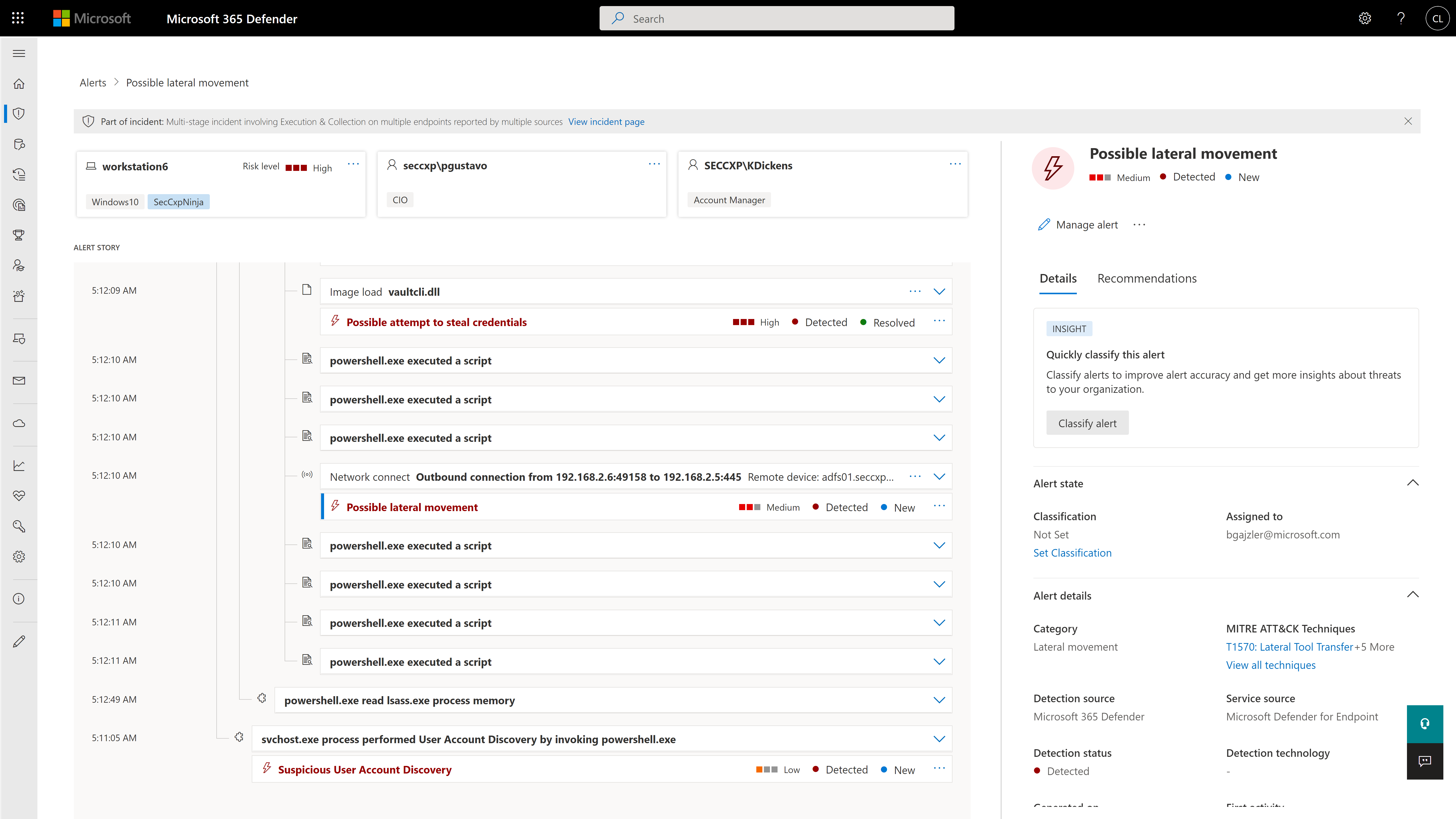  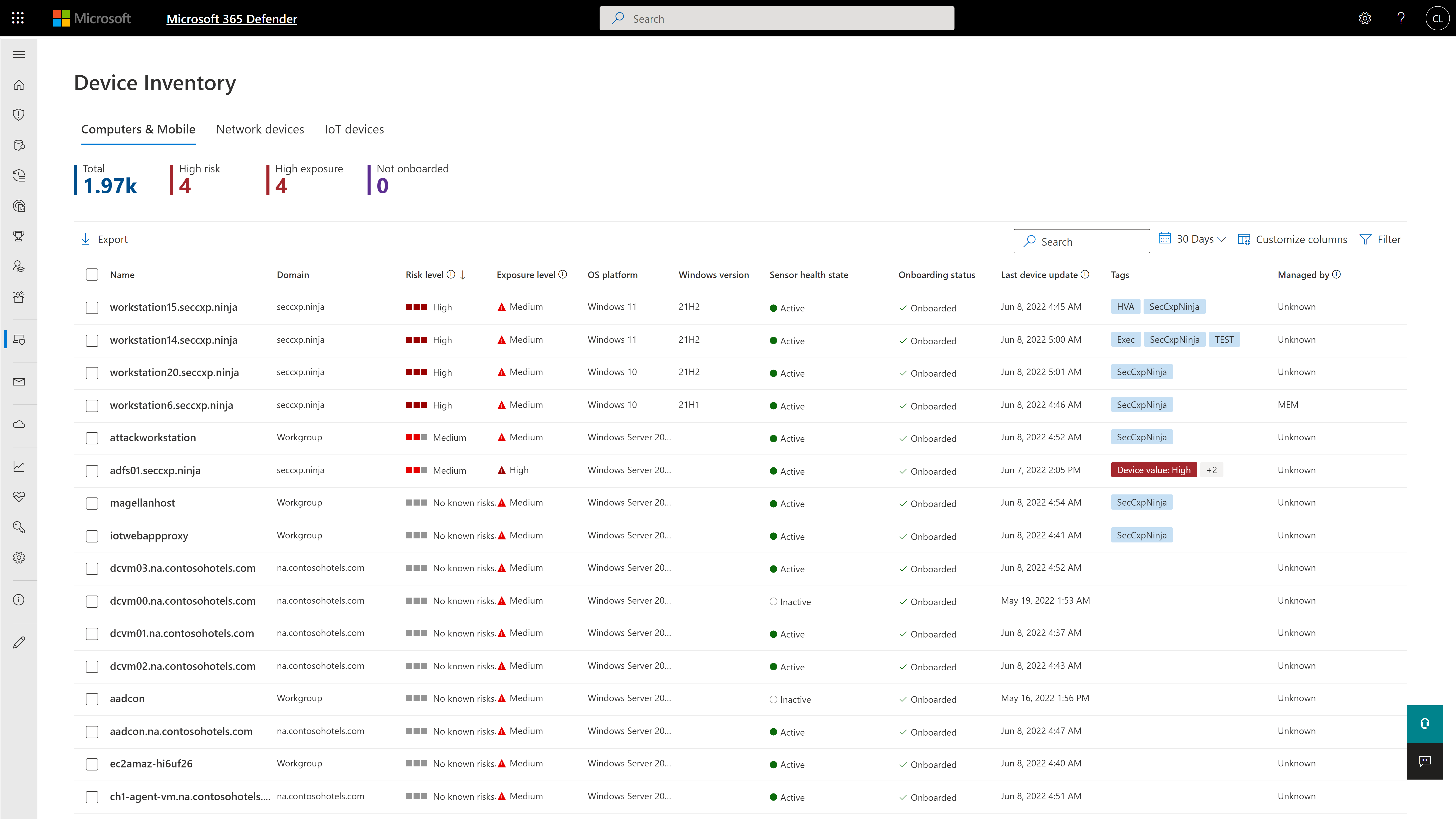  |

