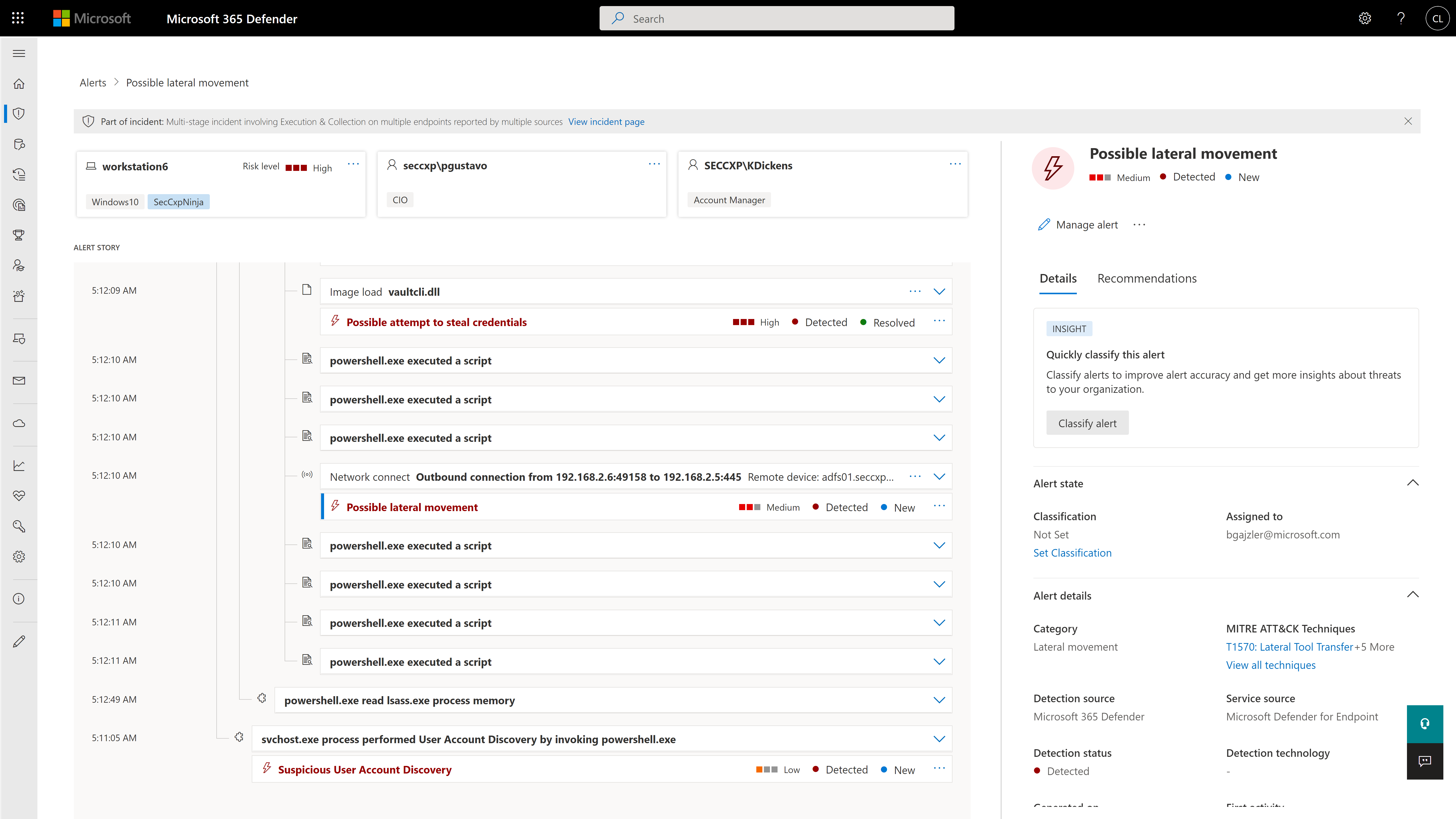
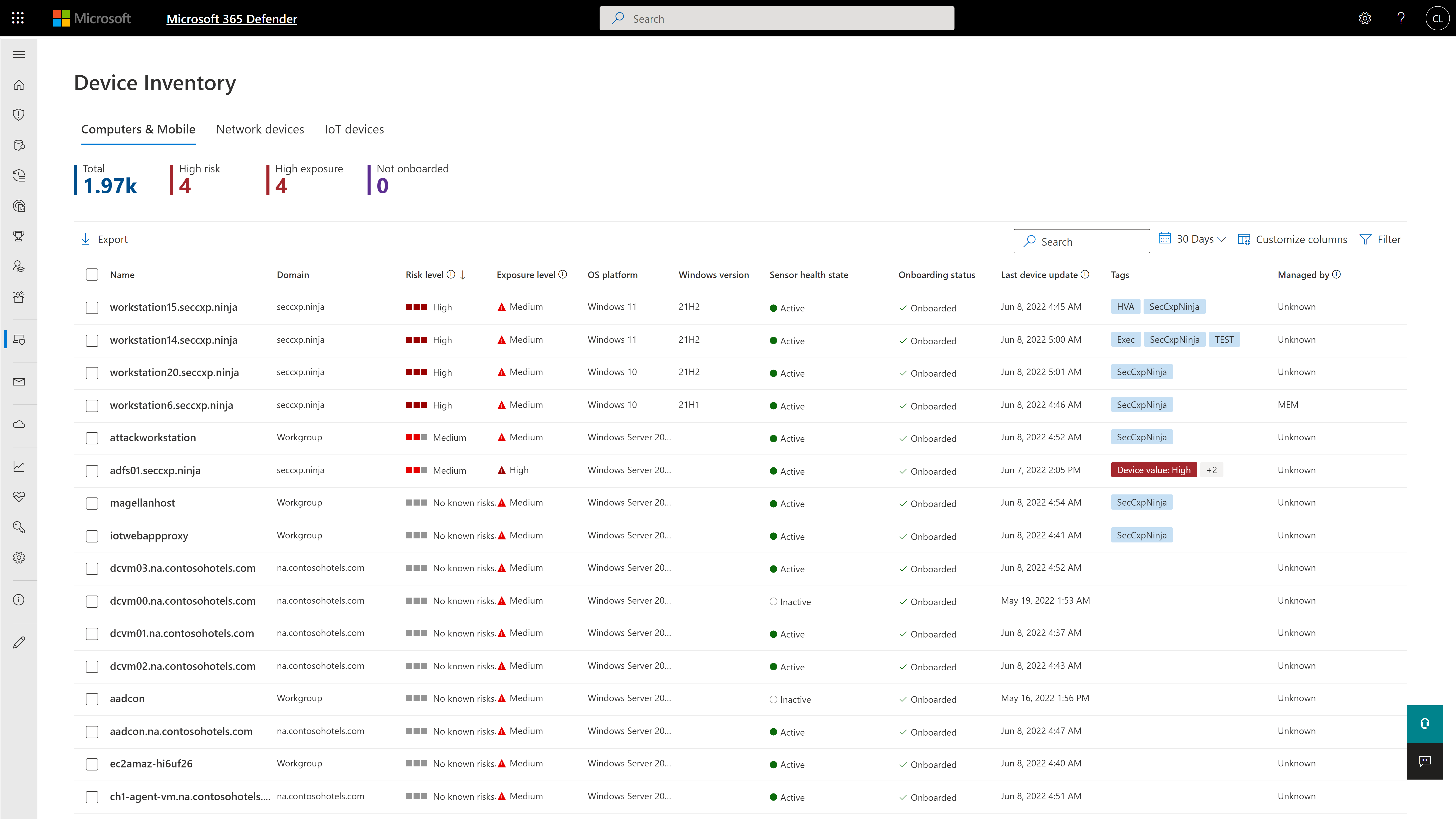
Microsoft Defender for Endpoint (formerly Microsoft Defender ATP) is a holistic, cloud delivered endpoint security solution that includes risk-based vulnerability management and assessment, attack surface reduction, behavioral based and cloud-powered next generation protection, endpoint detection and response (EDR), automatic investigation and remediation, managed hunting services, rich APIs, and unified security management.
$2.50
per user/per month
Qualys VMDR
Score 9.3 out of 10
N/A
Qualys VMDR 2.0 with TruRisk gives enterprises visibility and insight into cyber risk exposure with the goal of making it easy to prioritize vulnerabilities, assets, or groups of assets based on business risk. Security teams can take action to mitigate risk, helping the business measure its true risk, and track risk reduction over time.
I think Microsoft Defender for Endpoint is very good in the federal space that I work in because when you deal with these highly regulated environments, anything that you have outside of the Microsoft ecosystem, you have the justified documented company. There's a lot of work and a high level of effort involved in that. So what it's really good at is that it's all encompassed into Microsoft. It's built in, it works really well together. So that's why it's my recommendation whenever we deal with customers that are in my field.
Qualys VMDR is best suited for larger companies with a very large IT asset footprint. Qualys VMDR is not suited for businesses that are small and upcoming as the price for the tool is very expensive and could be a budget sink if not used properly. In our organization we use the Qualys VMDR dashboard and reporting in order to collect any vulnerabilities we miss during our routine audits to ensure that our environment is stable and protected for attacks.
I think from a scalability perspective, it’s incredible. It fits very well with our Azure stack, and we’re constantly adopting more and more different Microsoft products. But I think the key thing is ease of use. Its scalability, and it’s just that, enterprise-wise and in terms of control, we can actually centralize it as well.
I feel like the vulnerability management side of things is really great. I would like maybe more custom risk scores from that. It gives us our highs and criticals. Proof of concept exploits would be great so we can really assess the risk. It already does a lot of that, though. It gives us that tag. But maybe making it more GUI-friendly, more visibly friendly, could be something I feel like they could work on. The portal, too, I find, is a little hard to navigate sometimes. There seem to be hidden webpages within webpages. One thing off the top of my head is the IPs. They have the IP pages, but you have to click through four or five different subpages to get there. So I feel like maybe redoing the navigation in the portal would be very helpful.
Cost add-ons for Security features is nickel and diming the process to keep pace with cybercrime. Limited Education budgets require us to be more pro-active in finding cost-effective measures to protect our devices, staff and students. Defender is a strong, well-featured product that is pricing itself out of the education market
Next to Veeam (which is a tremendous product for backup/DR) this is the best service/software I have used in the past three decades. Should be called the Swiss Army Knife of security.
It's good, but as I said, it does get a little confusing sometimes when you're trying to remediate, when you're trying to put all your alerts together, and trying to get everything in the same place. It's a little, I guess, what we call alert fatigue. There are a lot of alerts on it as well.
Microsoft Defender for Endpoint chugs along just fine no matter what we throw at it and what systems it's running on. It doesn't take up a lot of resources either, so that's welcomed.
The first time I tried to onboard my macOS endpoints to MDE I struggled for quite a bit. I had to reach out to Microsoft's MDE support team. The tech was very helpful in walking me through the steps during a screen share session
This is iron but I am giving it 5 star and I can give more If I can do because they are best in support. So once you own this product they will assign a dedicated support for you and when you are under the weather with anything just connect them with anything call, ping or ticket they will come like Genie.
Deployment was handled by our team here and everything went pretty smoothly. We did have a few hiccups in our test group, but that only took a bit to get ironed out.
Previously, we've used Sophos. We've used, way back when, McAfee, Norton, Symantec, all those. And we finally settled on Microsoft Defender for Endpoint. We're a Microsoft technology stack shop. So obviously it was natural. It's built into Windows, so we're not adding additional agents. Some of the other vendors and their agents, for a while, would compete with CPU usage. And so it actually slowed down the machines. Because Microsoft Defender for Endpoint is built into the Windows product, Microsoft is going to ensure that it does not affect the other productivity tools that a user may use.
It is a very similar tool but Qualys VMDR is much better when it comes to reporting and solutions provided. Asset management is really good in Qualys VMDR. Qualys VMDR support is really quick , you can get a TPM if you run into any issues. Qualys VMDR has wide variety of scanning options which lacks in tenable.
Another positive impact is that Microsoft Defender for Endpoint is built into the Windows OS. So naturally, it is much easier to load it out and manage it, rather than acquiring it through party ER, deploying it, and managing it separately. So that's definitely on the positive side that we observe there's a byproduct of changing Microsoft Defender for Endpoint.