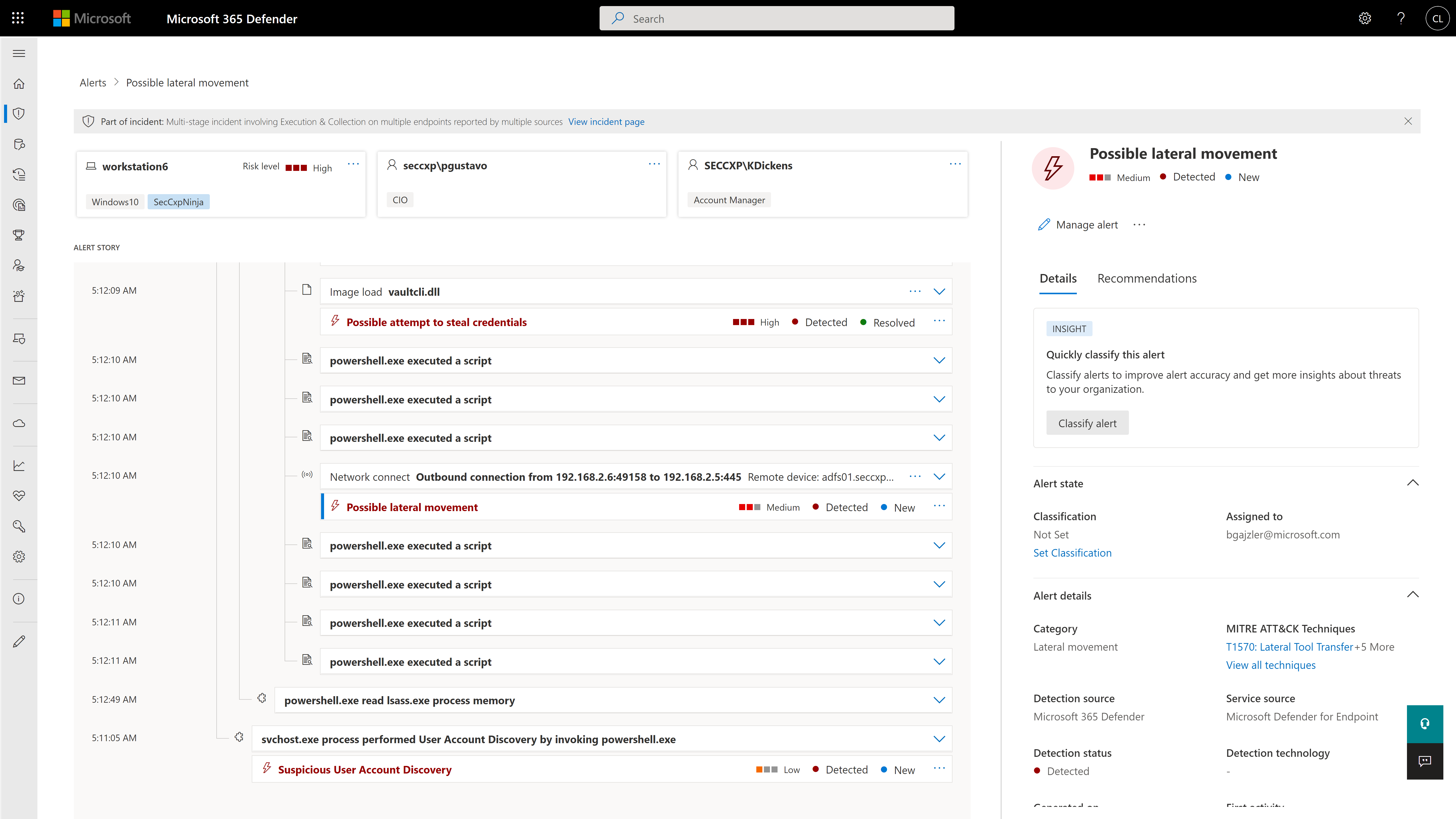
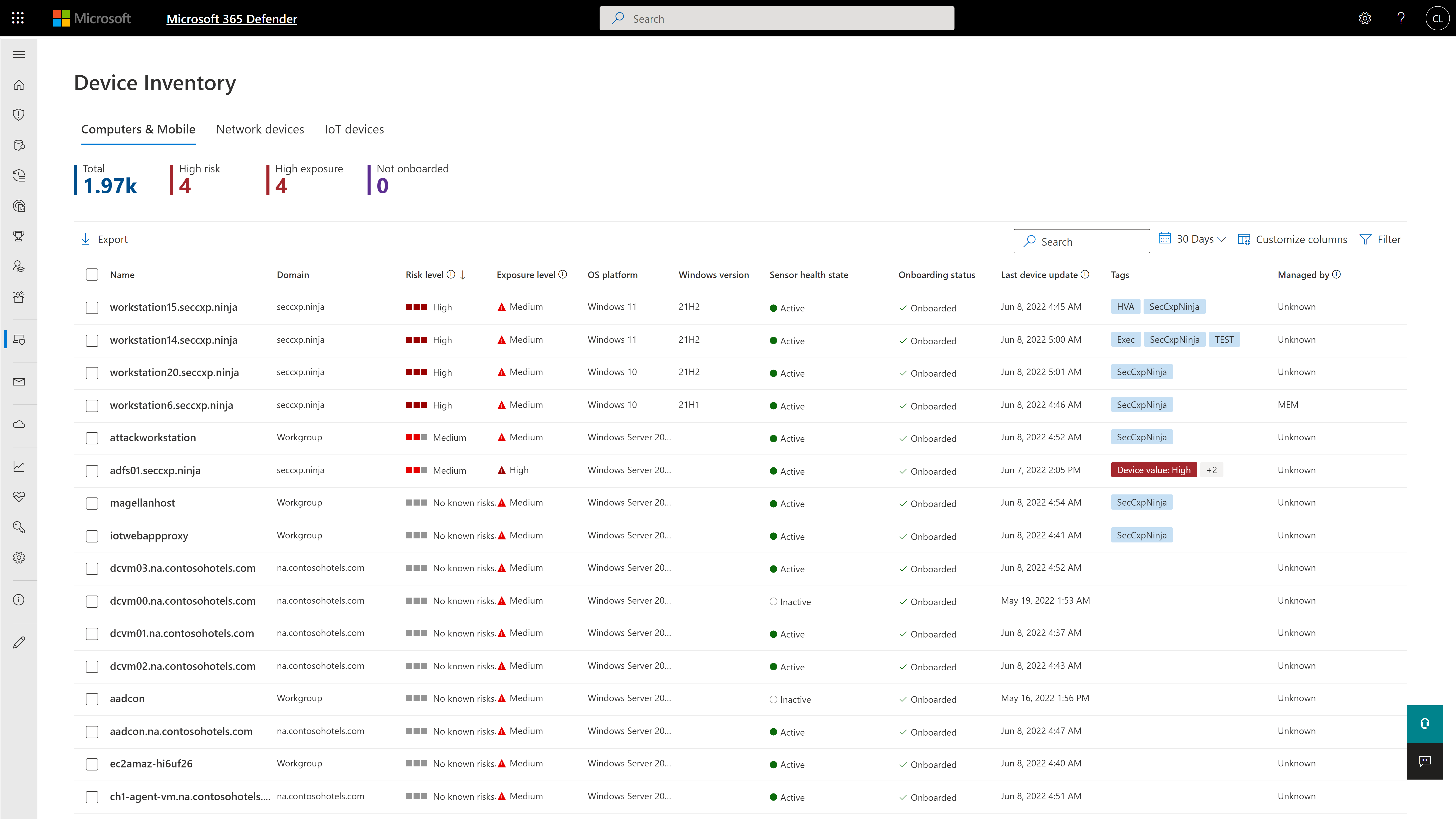
Microsoft Defender for Endpoint (formerly Microsoft Defender ATP) is a holistic, cloud delivered endpoint security solution that includes risk-based vulnerability management and assessment, attack surface reduction, behavioral based and cloud-powered next generation protection, endpoint detection and response (EDR), automatic investigation and remediation, managed hunting services, rich APIs, and unified security management.
$2.50
per user/per month
ThreatLocker
Score9.1 out of 10
N/A
ThreatLocker Inc. is a security platform used to stop misuse and vulnerable software as well as control application elevation, storage and network traffic.
If you have multiple endpoints in your environment, if you're looking to understand what your environment looks like, if you're trying to identify the health of your environment, or identify any risks or vulnerabilities in your environment pertaining to your endpoints and devices.
A de minimis incentive was given to thank the reviewer for their time. The incentive was not used to bias or drive a particular response, nor was the incentive contingent on a positive endorsement. TR verified that a representative sample of customers was invited. More Info
Threatlocker does exactly as it advertises. I would recommend it to anyone seeking a comprehensive solution for managing software approvals. It is also very easy to use with an online support team, or Cyberheros, as they call it, that is very quick and responsive. The preset programs are also a nice touch, making deployment easy.
A de minimis incentive was given to thank the reviewer for their time. The incentive was not used to bias or drive a particular response, nor was the incentive contingent on a positive endorsement. More Info
The big thing for us is on endpoint, it kind of integrates with everything else that we already have because we use Microsoft completely. And so that helps us with being able to integrate, and send things over to Azure Sentinel as we need to as well.
A de minimis incentive was given to thank the reviewer for their time. The incentive was not used to bias or drive a particular response, nor was the incentive contingent on a positive endorsement. More Info
A de minimis incentive was given to thank the reviewer for their time. The incentive was not used to bias or drive a particular response, nor was the incentive contingent on a positive endorsement. More Info
I'd say building out summaries and log reviews for analysts reviewing incidents. So, pivoting from the alerts themselves to actually getting the detail underneath. Trying to understand what caused an alert, where they went from there, et cetera, et cetera. And then trying to get into deeper log review to take that investigation further can be a pain point.
A de minimis incentive was given to thank the reviewer for their time. The incentive was not used to bias or drive a particular response, nor was the incentive contingent on a positive endorsement. More Info
When running the Unified Audit, I like to use certain filters. I wish there as a way to save those filters, so I don't have to select them every time I do a Unified Audit.
A de minimis incentive was given to thank the reviewer for their time. The incentive was not used to bias or drive a particular response, nor was the incentive contingent on a positive endorsement. More Info
Cost add-ons for Security features is nickel and diming the process to keep pace with cybercrime. Limited Education budgets require us to be more pro-active in finding cost-effective measures to protect our devices, staff and students. Defender is a strong, well-featured product that is pricing itself out of the education market
A de minimis incentive was given to thank the reviewer for their time. The incentive was not used to bias or drive a particular response, nor was the incentive contingent on a positive endorsement. TR verified that a representative sample of customers was invited. More Info
ThreaLocker has done its job and has prevented malware from executing. It has stopped an encryption process once already. It has kept a user from going to a bad website. He tried twice and was wondering why he was getting an error message from ThreatLocker and ESET both.
A de minimis incentive was given to thank the reviewer for their time. The incentive was not used to bias or drive a particular response, nor was the incentive contingent on a positive endorsement. More Info
Because it's hard to find things sometimes. I can find things now because I know where they are. But you have to work with it a little while to figure out how. I'd basically say it was a security tool designed by developers. So you have to get that mindset to find things. So a new hire, a new person in the SOC would have a difficult time. I know that's sitting in here, or that screen is in here somewhere. So it's gotten better.
A de minimis incentive was given to thank the reviewer for their time. The incentive was not used to bias or drive a particular response, nor was the incentive contingent on a positive endorsement. More Info
Technician and Analyst alike will love this tool as long as they learn to use it. They have fantastic study material that breaks everything down on it where to find settings and how to best manage the tool. End users are the only complaints we get only because they sometimes don't understand that installing a PDF convertor that is labeled as Free on the internet isn't always in their best interest.
Microsoft Defender for Endpoint chugs along just fine no matter what we throw at it and what systems it's running on. It doesn't take up a lot of resources either, so that's welcomed.
A de minimis incentive was given to thank the reviewer for their time. The incentive was not used to bias or drive a particular response, nor was the incentive contingent on a positive endorsement. More Info
A de minimis incentive was given to thank the reviewer for their time. The incentive was not used to bias or drive a particular response, nor was the incentive contingent on a positive endorsement. More Info
A de minimis incentive was given to thank the reviewer for their time. The incentive was not used to bias or drive a particular response, nor was the incentive contingent on a positive endorsement. More Info
A de minimis incentive was given to thank the reviewer for their time. The incentive was not used to bias or drive a particular response, nor was the incentive contingent on a positive endorsement. More Info
The first time I tried to onboard my macOS endpoints to MDE I struggled for quite a bit. I had to reach out to Microsoft's MDE support team. The tech was very helpful in walking me through the steps during a screen share session
A de minimis incentive was given to thank the reviewer for their time. The incentive was not used to bias or drive a particular response, nor was the incentive contingent on a positive endorsement. More Info
You can email, call or do online chat with tech support. I love their online chat. They are quick and friendly. Also, if you need to show them something, you can give the chat technician permission from your Chat box to allow the tech access to your computer. They also can pull out your admin console on their side. They can look at your "Unified Audit" log and see the same thing that you can. They have a good KnowledgeBase that you can look for answers. They have what is called "ThreatLocker University" where you can go through tutorials and take tests.
A de minimis incentive was given to thank the reviewer for their time. The incentive was not used to bias or drive a particular response, nor was the incentive contingent on a positive endorsement. More Info
The owners and co-founders work with you through Zoom Meetings. They walk you through how to use and setup ThreatLocker. They also have webinars. You also can go through ThreatLocker University online training.
A de minimis incentive was given to thank the reviewer for their time. The incentive was not used to bias or drive a particular response, nor was the incentive contingent on a positive endorsement. More Info
Using ThreatLocker University online training is very easy and informative. You take online tests to see how well you learned the material. It is great!
A de minimis incentive was given to thank the reviewer for their time. The incentive was not used to bias or drive a particular response, nor was the incentive contingent on a positive endorsement. More Info
Deployment was handled by our team here and everything went pretty smoothly. We did have a few hiccups in our test group, but that only took a bit to get ironed out.
A de minimis incentive was given to thank the reviewer for their time. The incentive was not used to bias or drive a particular response, nor was the incentive contingent on a positive endorsement. More Info
ThreatLocker is a family ran business. The owners, co-founders work with you to ensure you are up and running as quickly as possible. They went to ensure your success with ThreatLocker.
A de minimis incentive was given to thank the reviewer for their time. The incentive was not used to bias or drive a particular response, nor was the incentive contingent on a positive endorsement. More Info
Particularly, we're evaluating Symantec Endpoint Protection, the commercial version. We've looked at eSet, a couple of the others, and it's much too heavy or difficult to manage, things like that. Ease of use, ease of integration. It's already there. It's super easy to update it with the regular OS updates and everything. So we can manage it whether we're using SCCM or Intune or Dato, it's very easy to deploy updates and manage things.
A de minimis incentive was given to thank the reviewer for their time. The incentive was not used to bias or drive a particular response, nor was the incentive contingent on a positive endorsement. More Info
Prior to buying ThreatLocker, we evaluated Tanium's whitelisting module. We felt that ThreatLocker's method of baselining existing applications and comparing them to known IoC's made for an easier implementation. To be fair, this was solely based on demonstrations by each vendor and not by actual PoC's. The implementation for ThreatLocker went smoothly and we have very few issues with the product that require support intervention. When support is needed, it is readily available via chat.
A de minimis incentive was given to thank the reviewer for their time. The incentive was not used to bias or drive a particular response, nor was the incentive contingent on a positive endorsement. More Info
A de minimis incentive was given to thank the reviewer for their time. The incentive was not used to bias or drive a particular response, nor was the incentive contingent on a positive endorsement. More Info
ThreatLocker is very easy to add new ThreatLocker agents on computers and servers. It is very easy to do. You can install an agent on a computer or server in about 2 minutes or less.
A de minimis incentive was given to thank the reviewer for their time. The incentive was not used to bias or drive a particular response, nor was the incentive contingent on a positive endorsement. More Info
I think the positive impact overall is that we do a lot of sitting in front of assessors- federal assessors, government assessors. And it really comes down to when the assessor has to think about another product that you're bringing in that's not Microsoft, it creates a lot of confusion, more paperwork, more explanation. But the positive impact is that they know it, everybody kind of knows Microsoft. And so when you tell them you have this endpoint for Microsoft Defender for Endpoint, they're like, okay. The questions go away, and it makes the overhead a lot less during an assessment.
A de minimis incentive was given to thank the reviewer for their time. The incentive was not used to bias or drive a particular response, nor was the incentive contingent on a positive endorsement. More Info
A de minimis incentive was given to thank the reviewer for their time. The incentive was not used to bias or drive a particular response, nor was the incentive contingent on a positive endorsement. More Info