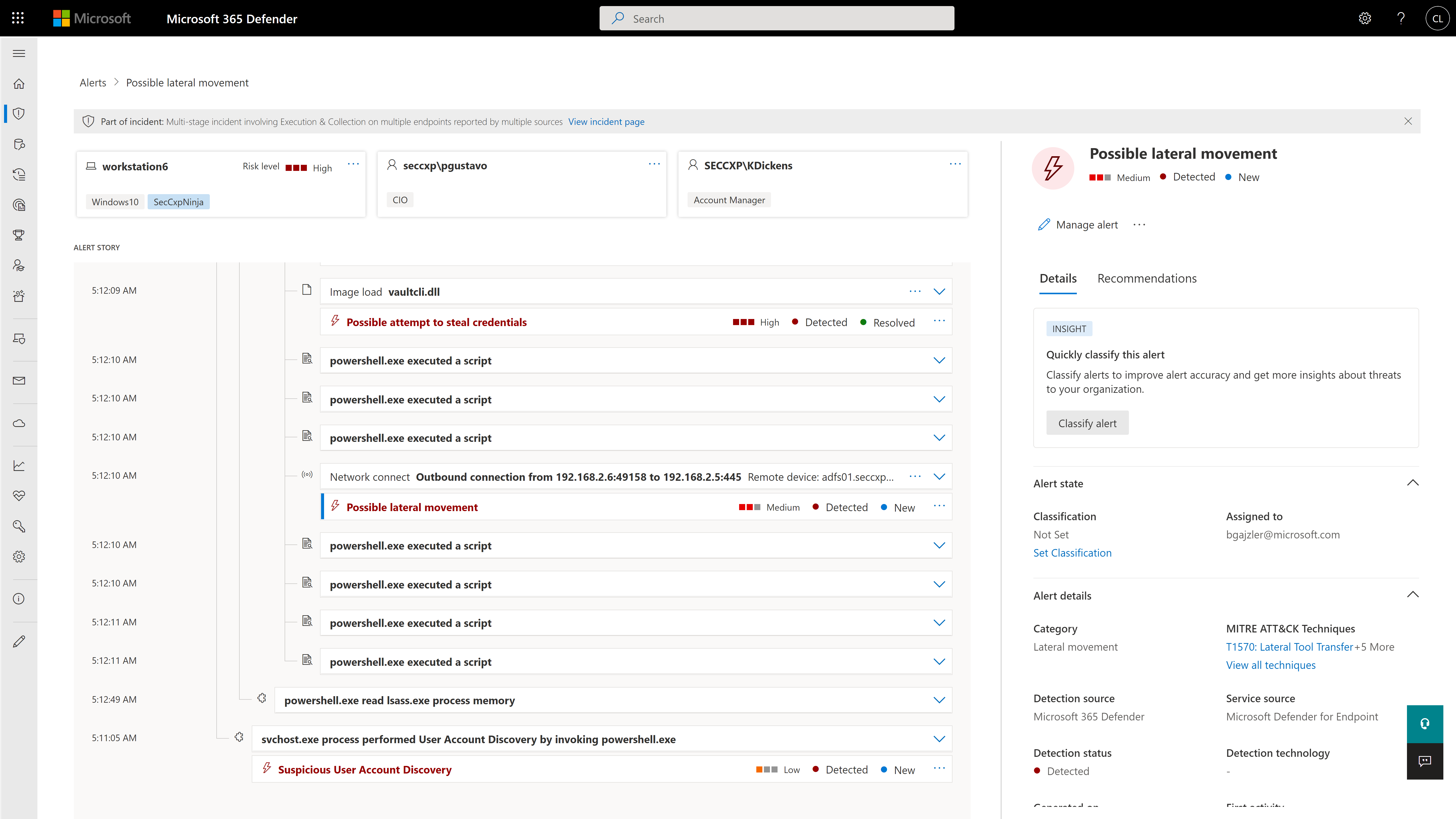
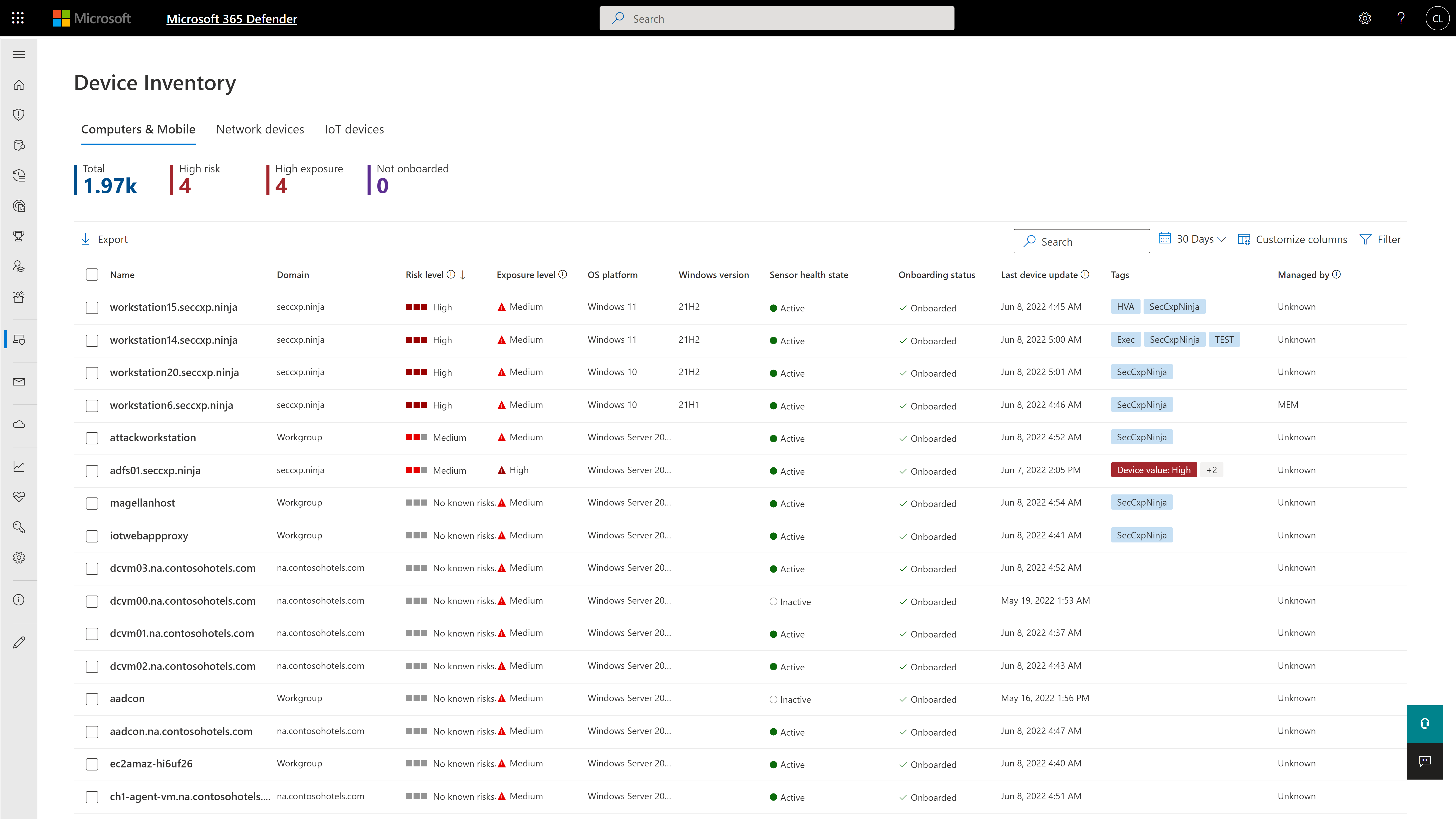
Microsoft Defender for Endpoint (formerly Microsoft Defender ATP) is a holistic, cloud delivered endpoint security solution that includes risk-based vulnerability management and assessment, attack surface reduction, behavioral based and cloud-powered next generation protection, endpoint detection and response (EDR), automatic investigation and remediation, managed hunting services, rich APIs, and unified security management.
$2.50
per user/per month
Trellix ePolicy Orchestrator
Score 7.0 out of 10
N/A
Trellix ePolicy Orchestrator (formerly McAfee ePolicy Orchestrator) software centralizes and streamlines management of endpoint, network, data security, and compliance solutions.
It excels in detecting unusual behavior on endpoints, offering valuable insights into potential attack paths, and it operates with remarkable speed and responsiveness.
If you are using Microsoft Services or newer, cloud ones, it can be worth [it] to try their services but it may be very expensive because of the licensing thing and here Microsoft is very tricky and very difficult to decide the right one. Malwarebytes is good product and adds …
Particularly vulnerability management, incident and alert responding. They have isolation. The detection is great. We could pull a forensic investigation package off of the endpoint, which is great. We can do isolation, which is great. So some of those things particularly work really well.
[McAfee ePolicy Orchestrator] seems to be better suited to large enterprise applications... I don't feel it really suits the or self-managed SMB market. The general joe is not going to understand how to wield this product to it's full potential. For those of us managing large networks, this is a very ideal product for managing multiple sites and users.
I think from a scalability perspective, it’s incredible. It fits very well with our Azure stack, and we’re constantly adopting more and more different Microsoft products. But I think the key thing is ease of use. Its scalability, and it’s just that, enterprise-wise and in terms of control, we can actually centralize it as well.
Static malware scans for known bad processes and files works well and can be schedules on endpoints easily
Preventing users from accessing USB drives and other peripherals is easily configured. We can also allow users to access to USB drives with user codes for the times they need it for business reasons.
ePO provides access into our MSME software so that we're not managing many different products from different locations.
In recent years the console has gotten much easier to navigate even though there is a ton of information to be accessed.
The only thing is sometimes, because Microsoft has so many platforms, it gets a little confusing, like am I in the security platform? Am I in Purview? Where am I at right now? Because there's so many sites that are kind of doing a lot of the same thing, and so that does get a little confusing from time to time, but outside of that, it's a pretty good product.
It has a slow mechanism when adding custom threat feeds. For example, if McAfee didn't have a signature or detection about a new virus and we try to add it to our console it is like a really big process in adding that to our available signatures.
Whenever a scan is performed, the system CPU utilization goes up 100 percent.
Installation fails due to difference in timestamp when we try to shuffle between packages.
Cost add-ons for Security features is nickel and diming the process to keep pace with cybercrime. Limited Education budgets require us to be more pro-active in finding cost-effective measures to protect our devices, staff and students. Defender is a strong, well-featured product that is pricing itself out of the education market
Because of the ease of implementation and management, and the capability and improvement over time, it's just a racket with the update features coming, as you'd guess. And also, the support was quite impressive. We had a situation with the exception of being loud. It was not over with the current state of the Microsoft Defender for Endpoint. We did the content for Microsoft. They actually created a separate custom on the exception now that we can take. So we were able to implement that right away. So yeah, overall, that's why I rate this product as a nine because of the capability and also the support from Microsoft.
Microsoft Defender for Endpoint chugs along just fine no matter what we throw at it and what systems it's running on. It doesn't take up a lot of resources either, so that's welcomed.
The first time I tried to onboard my macOS endpoints to MDE I struggled for quite a bit. I had to reach out to Microsoft's MDE support team. The tech was very helpful in walking me through the steps during a screen share session
McAfee support is definitely GREAT! It is one of the best technical support on a business level. GOLD support is recommended to business. Their website is easy and quick to create a ticket. Their technical team usually responds right away with an email or call. Via call and web they provide a full and complete support until the issue is resolved. The best, most of the time they explain in detail what is the issue, the reason and how to resolve it.
Deployment was handled by our team here and everything went pretty smoothly. We did have a few hiccups in our test group, but that only took a bit to get ironed out.
Previously, we've used Sophos. We've used, way back when, McAfee, Norton, Symantec, all those. And we finally settled on Microsoft Defender for Endpoint. We're a Microsoft technology stack shop. So obviously it was natural. It's built into Windows, so we're not adding additional agents. Some of the other vendors and their agents, for a while, would compete with CPU usage. And so it actually slowed down the machines. Because Microsoft Defender for Endpoint is built into the Windows product, Microsoft is going to ensure that it does not affect the other productivity tools that a user may use.
I have used Symantec Endpoint Encryption before. Symantec and EPO are both good in their own ways. EPO allows integration of other McAfee products. I have been using ePolicy Orchestrator for years. I have a lot of experience with the product. That is why I like it.