A web development platform for modern ASP.NET Core applications based on the open-source, strong, and mature ABP Framework. Volosoft states the service provides: enterprise-ready, feature-rich, pre-built application modules (e.g. Identity Server management, SaaS management, language management, etc.) rapid application development tooling to support your development productivity (e.g. ABP Suite) professional UI themes Premium support Time is the most…
$2,999
3 included developer licenses, limited forum support
NativeScript
Score 4.8 out of 10
N/A
NativeScript is an open source framework that allows
you to create native iOS and Android apps, with one codebase, using the web
skills you already have (JavaScript and CSS) and the libraries you already
love.
N/A
SAP Extension Suite (discontinued)
Score 8.4 out of 10
N/A
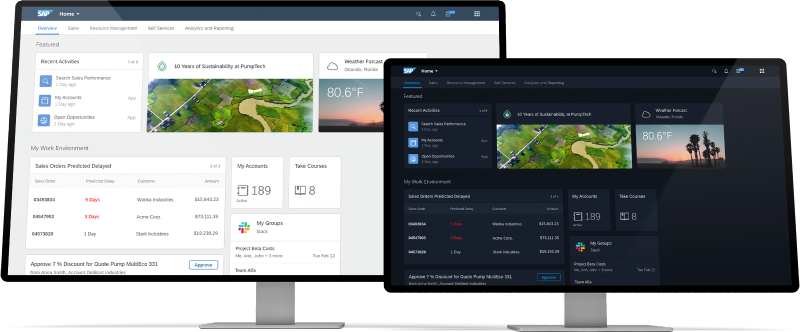
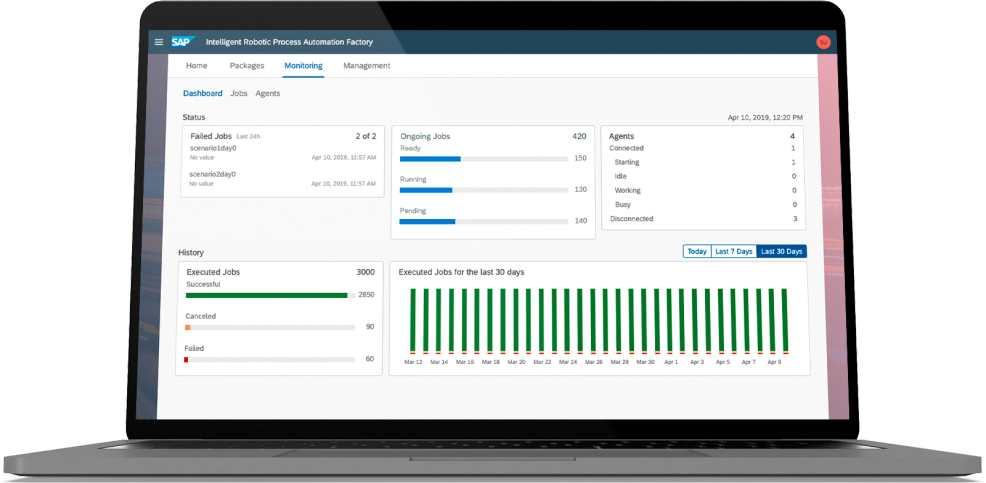
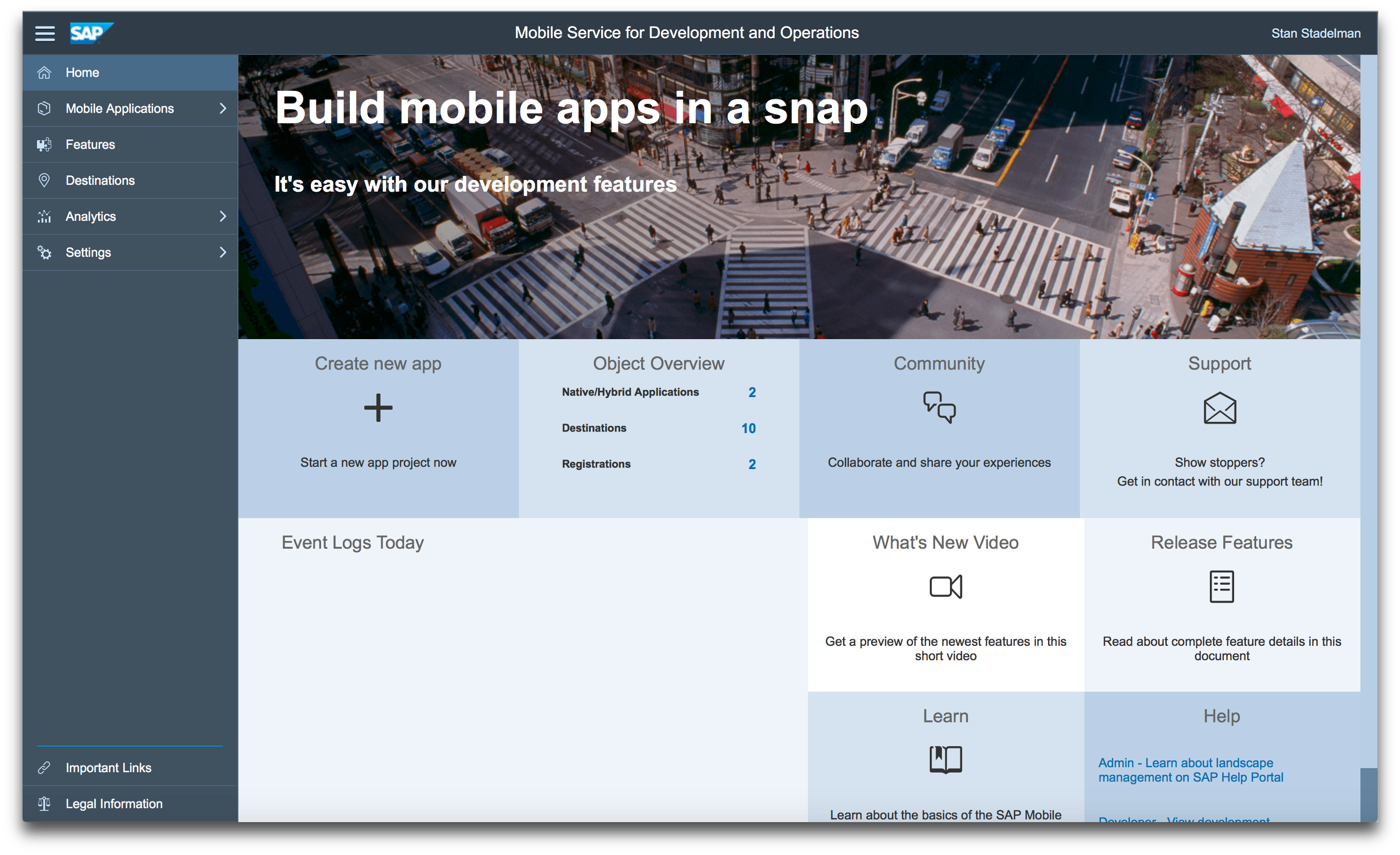
The SAP Extension Suite (formerly part of the SAP Cloud Platform) is a legacy solution that enabled businesses to rapidly build and enhance applications, processes and experiences, with the goal of driving agility and flexibility, while extending the value of applications. The product has obsolesced, and modern offerings including SAP Build or the
N/A
Pricing
ABP
NativeScript
SAP Extension Suite (discontinued)
Editions & Modules
Team
$2999.00
3 included developer licenses, limited forum support
Business
$5999.00
5 included developer licenses, unlimited forum support
Enterprise
$9999.00
5 included developer licenses, limited forum support
No answers on this topic
No answers on this topic
Offerings
Pricing Offerings
ABP
NativeScript
SAP Extension Suite (discontinued)
Free Trial
Yes
Yes
Yes
Free/Freemium Version
No
Yes
No
Premium Consulting/Integration Services
No
No
No
Entry-level Setup Fee
Optional
No setup fee
No setup fee
Additional Details
—
The NativeScript framework and CLI are completely free and open source. NativeScript Sidekick is a free download to improve developer productivity with optional paid tiers for power users.
NativeScript was indeed a better experience at first than Ionic. But the real game-changer in 2022 for cross-platform applications is Flutter now. We changed to it shorty after NativeScript, as it is much more stable, more widely supported, has a ton of extra features, and does …
First and foremost, the codebase on which the project application was developed in NativeScript on 90% can be shared with React Native framework. Moreover, the documentation of the framework is extensive in a manner to allow developers the easy low-level entrance for the …
I have use AngularJS and Angular for many years, and when it came time to build a mobile app, I was asked to use Android Studio. I did not have any trouble in developing apps separately with these two technologies. By trying to combine web app development and Android app …
I have several hybrid alternatives like Cordova + jQuery Mobile and ionic (which uses Cordova and angular). These alternatives always let you down in the long run because the performance and "feel" is never comparable to a true native app. Especially when the app's complexity …
Ionic Ionic is an excellent Angular-based framework for mobile, and it does give a lot of access to the native device api's. However, the technology is based on Cordova, which means the apps being built are just webviews, with html, css and JS all running on the UI thread, and …
We have previously evaluated Xamarin, and the time it took us to get started, install all of the software, license it, learn Xamarin, and create a app that runs and debugs on connected mobile devices was painful. With NativeScript and the Playground, we're able to get started …
I've looked into and worked with multiple frame works such as Phonegap/Cordova, Ionic, and React Native. While they all allowed developers to create multi-platform applications easily, with different degrees of performance, I found them all to fall short in once you reached a …
Unlike its competitors, NativeScript offers its users 4 architectural choices.
It shines in the area of offering 100% day zero Native API access.
The development experience is great and feels like you are home, if you are a web developer coming from Angular or Vue background, …
I was once a user of Ionic Framework which operates on Apache Cordova. At the time, Ionic was the obvious choice because it was lightyears ahead of the other cross platform frameworks. However, because Ionic Framework and Apache Cordova require a WebView component to function, …
Ionic is based on an embedded WebView running an app looking website in the background. It has been around for a couple years, but it does not compare well to real native applications. In most cases the UI just doesn't have the feel of a real native app, and performance is …
The direct native API access without having to write any Java or ObjC was the ultimate decision for us. We can drop in a native Android/Ios library and instantly code against that SDK without any special work. Whereas with Ionic or RN, you have to write some Java/ObjC (or …
Ionic and Apache Cordova are hybrid tools, both based on Webview which is ok for mobile offline data apps but for high-performance enterprise apps that is the limit. NativeScript can go where the number of rules and processing required force us to gain access to the native …
NativeScript is superior in every way: Vibrant community - there is an open slack channel where you can get advice and talk to other nativescript developers Active development team - The NativeScript development team reaches out to their user base consistently for feature …
The major points in favor to SAP Extension Suite against using AWS to create you applications, are the easiness of integration with SAP solutions and the simplicity to configure the services and platform before the use, no need to know a lot of technical details before you are …
We have been able to work in a much more agile way with SAP Extension Suite, and there is a lot of excitement that developing with this platform is significantly faster. SAP Extension Suite is the perfect fit to build great-looking applications that work on any form factor, be …
Built-in DevOps, cloud-native abilities, and support for mobile development led to the selection of SAP Extension Suite to embrace a modern application development approach and spearhead digital transformation. We've found other low-code application development tools we …
We put together a company-wide task force to digitally transform every aspect of the business since we were struggling to adapt to a fast-changing market and successive acquisitions added cost and delays to every IT-related improvement or innovation. Following an extensive …
As we selected the best partner for developing complex and critical business applications, SAP Extension Suite (formerly part of SAP Cloud Platform) was a key element not only in technical terms, but also and mainly at a business support level. Only the flexibility and speed of …
We investigated four possible solutions by doing an extensive literature review and made reference visits. SAP Extension Suite was the best choice for InnoCore because of its strength of integration and robust low-code development and deployment. It's a brand new technology …
Other tools with similar functionalities are very expensive and most of them use a disorganized array of plugins. SAP Extension Suite offers a more economical option especially since we can replace multiple tools and that brought a lot of money back for the business. As we …
One of the main reasons we chose SAP Extension Suite compared to other vendors is the support we have received from their team. The support has been excellent. It was easy to develop an add-on to our existing platform used. It provided efficiency across our company and we will …
There is no direct competitor since the platform is specifically designed to support SAP's own solutions. Technically, you could use the product for any type of programming but it's unlikely non-SAP specialists would actually do that. Again, the tight integration with your own …
SAP Anlaytics Cloud is an excellent tool that enables data visualization in the cloud. Budget planning, predictive analysis are some of the features of SAP Analytics cloud. SAP Extention Suite brings with it a platform to enable such cloud based tools that could easily …
If you are building a simple web application and want to bypass all of the basic building blocks (authentication & authorization, multi-tenant, etc, etc.), then ABP Commercial will allow you to do this very quickly with their tooling. It is also an excellent tool if you are building a large complicated SAAS product, as long as you are willing to invest the time required to understand the 'why' behind their architectural decisions and follow their methods throughout your development.
NativeScript allows to easily integrate with native APIs by threading models. Moreover, the framework itself can be integrated with Angular, VueJS and JavaScript due to the fact that it was built on based on these frameworks. It allows you to easily maintain if you projects are based on these frameworks. Therefore, for the development of cross-platform applications it can be very handy!
The adoption of SAP Extension Suite is growing significantly and it has become a strategic platform for our company. SAP Extension Suite will most likely meet the requirements of most companies to get beyond small workgroup apps and tackle more strategic requirements. The most important thing that SAP Extension delivers is a single UI for development effort for web and mobile deployment.
True native app. The app uses native components and that is quite noticeable in the overall performance of the app. NativeScript is also awesome in the way we can access the native APIs, so we are never really constrained by the framework. If we need, we can just dive into the native APIs without leaving our environment and language (JS).
Cross-platform. Builds for Android and iOS. It deals with the platforms differences very well.
Support for Vue.js. Even though it is just a community effort, the NativeScript-Vue plugin is the best alternative to build native Apps with Vue.js. That was a major factor to go with NativeScript.
Initial learning curve - There is a lot of training and help material available, but one of the hardest things to grasp (and also to explain) are all of the reasons why the 'ABP way' is better. Many times, it seems to be more complicated or more difficult than the 'simple' way of doing things. Over time, as you expand on functionality and add more and more layers of complexity, you realize WHY they build the software the way they do, and it goes from appearing complex to appearing elegant.
Support - Some support techs are excellent, but others seem to be missing to just supply ANY answer to a question (which is often something along the lines of 'read the help').
Nativescript runs everything on a single thread. i.e., the UI thread. If you want to offload some processing, you have to use web workers. This experience can be improved in the future releases.
Currently NativeScript only have hot reload when you change the UI file or Css file. There is no hot reload when you change Js/Ts file, unlike Google's Flutter. This is also something which NativeScript will get in the future releases.
In current version of NativeScript, there is no livesync when building with webpack. This feature will be added with NativeScript 4.x. (an RC version for 4.x is already available)
The hybrid is ok but native is better for performance and the right use case I want to go for is the performance without dealing with too many development tools.
My focus has been, and must remain, with obtaining support from web resources over that of paid support programs. Many companies, including those of government agencies, do not have a budget sufficient for paying large sums of money to other organizations to answer questions. Even in cases where an organization did purchase support programs, developers often found that the delays in obtaining responses to development issues was excessive. I give NativeScript the lowest possible rating, due to the fact that their website content is severely outdated and of little use to a developer in a crunch. The NativeScript environment may be far better than I have been able to report, but held back from excelling due to poor support content. Being that I am often asked to push the boundaries in various areas, improper documentation is highly detrimental to a development team, and thuss a review. I would be more than happy to improve this review as the content of the support documentation provided by the NativeScript team makes its way to their website in the form of real-world examples which are applicable to all versions, or at least the most recent versions, of their product.
NativeScript was indeed a better experience at first than Ionic. But the real game-changer in 2022 for cross-platform applications is Flutter now. We changed to it shorty after NativeScript, as it is much more stable, more widely supported, has a ton of extra features, and does not rely on JavaScript and Android knowledge as much as NativeScript.
We have been able to work in a much more agile way with SAP Extension Suite, and there is a lot of excitement that developing with this platform is significantly faster. SAP Extension Suite is the perfect fit to build great-looking applications that work on any form factor, be it [a] smartphone, laptop, or tablet, and within budget.
We had built this particular app once already, during a 6 month time frame, using Ionic. When we hit the wall, we chose NativeScript, and built the whole app from scratch. We estimated another 6 months, but completed the work in 4 months due to the ease of use.
We have found collaboration with our client much easier because of the simplicity of releases and speed of development.
Having a tool like NativeScript has allowed us to make competitive quotes for mobile app development contracts, where previously that would have been closed to us due to our lack of native development experience. Being able to build iOS apps without a Swift-code expert has opened those doors for us.