Chose Algolia
Algolia is much easier to use than the competition and requires no system maintenance. It is however much more expensive.

| Product | Rating | Most Used By | Product Summary | Starting Price |
|---|---|---|---|---|
 Algolia | N/A | Algolia offers AI-powered solutions to improve online search and discovery experiences, with tools for business teams and APIs for developers that help to improve user engagement and conversions across websites, apps, and e-commerce platforms. | $0 per month 10k search requests + 100k records | |
 Apache Lucene | N/A | Apache Lucene is an open source and free text search engine library written in Java. It is a technology suitable for applications that requires full-text search, and is available cross-platform. | $0 per month | |
 Docxonomy | N/A | N/A | N/A |
| Algolia | Apache Lucene | Docxonomy | ||||||||||||||||||||||
|---|---|---|---|---|---|---|---|---|---|---|---|---|---|---|---|---|---|---|---|---|---|---|---|---|
| Editions & Modules |
| No answers on this topic | No answers on this topic | |||||||||||||||||||||
| Offerings |
| |||||||||||||||||||||||
| Entry-level Setup Fee | Optional | No setup fee | No setup fee | |||||||||||||||||||||
| Additional Details | Pay as you go, scale instantly, or upgrade anytime for advanced features and capabilities. | A free and open source product. | — | |||||||||||||||||||||
| More Pricing Information | ||||||||||||||||||||||||
| Algolia | Apache Lucene | Docxonomy | |
|---|---|---|---|
| Considered Multiple Products | Algolia | Apache Lucene No answer on this topic | Docxonomy No answer on this topic |
| Algolia | Apache Lucene | Docxonomy | |
|---|---|---|---|
| Small Businesses |  Yext Score 8.0 out of 10 | Yext Score 8.0 out of 10 | Yext Score 8.0 out of 10 |
| Medium-sized Companies |  Guru Score 9.6 out of 10 | Guru Score 9.6 out of 10 | Guru Score 9.6 out of 10 |
| Enterprises | Guru Score 9.6 out of 10 | Guru Score 9.6 out of 10 | Guru Score 9.6 out of 10 |
| All Alternatives | View all alternatives | View all alternatives | View all alternatives |
| Algolia | Apache Lucene | Docxonomy | |
|---|---|---|---|
| Likelihood to Recommend | 8.4 (56 ratings) | 10.0 (3 ratings) | - (0 ratings) |
| Likelihood to Renew | 10.0 (6 ratings) | - (0 ratings) | - (0 ratings) |
| Usability | 6.0 (1 ratings) | - (0 ratings) | - (0 ratings) |
| Availability | 9.6 (5 ratings) | - (0 ratings) | - (0 ratings) |
| Performance | 9.4 (5 ratings) | - (0 ratings) | - (0 ratings) |
| Support Rating | 8.8 (3 ratings) | - (0 ratings) | - (0 ratings) |
| Product Scalability | 9.4 (5 ratings) | - (0 ratings) | - (0 ratings) |
| Algolia | Apache Lucene | Docxonomy | |
|---|---|---|---|
| Likelihood to Recommend | Algolia
| Apache
 Sirish Vadala Applications Developer Information Technology Specialist | Docxonomy No answers on this topic |
| Pros | Algolia
| Apache
| Docxonomy No answers on this topic |
| Cons | Algolia
| Apache
 Craig J. Stadler Search Engineer | Docxonomy No answers on this topic |
| Likelihood to Renew | Algolia
| Apache No answers on this topic | Docxonomy No answers on this topic |
| Usability | Algolia
| Apache No answers on this topic | Docxonomy No answers on this topic |
| Reliability and Availability | Algolia
 Russell Preston Senior Web Developer | Apache No answers on this topic | Docxonomy No answers on this topic |
| Performance | Algolia
 Evelyn Dickinson (She/Her) Senior Consultant / Founder | Apache No answers on this topic | Docxonomy No answers on this topic |
| Support Rating | Algolia
| Apache No answers on this topic | Docxonomy No answers on this topic |
| Alternatives Considered | Algolia
| Apache
Sirish Vadala Applications Developer Information Technology Specialist | Docxonomy No answers on this topic |
| Scalability | Algolia
| Apache No answers on this topic | Docxonomy No answers on this topic |
| Return on Investment | Algolia
| Apache
| Docxonomy No answers on this topic |
| ScreenShots | Algolia Screenshots  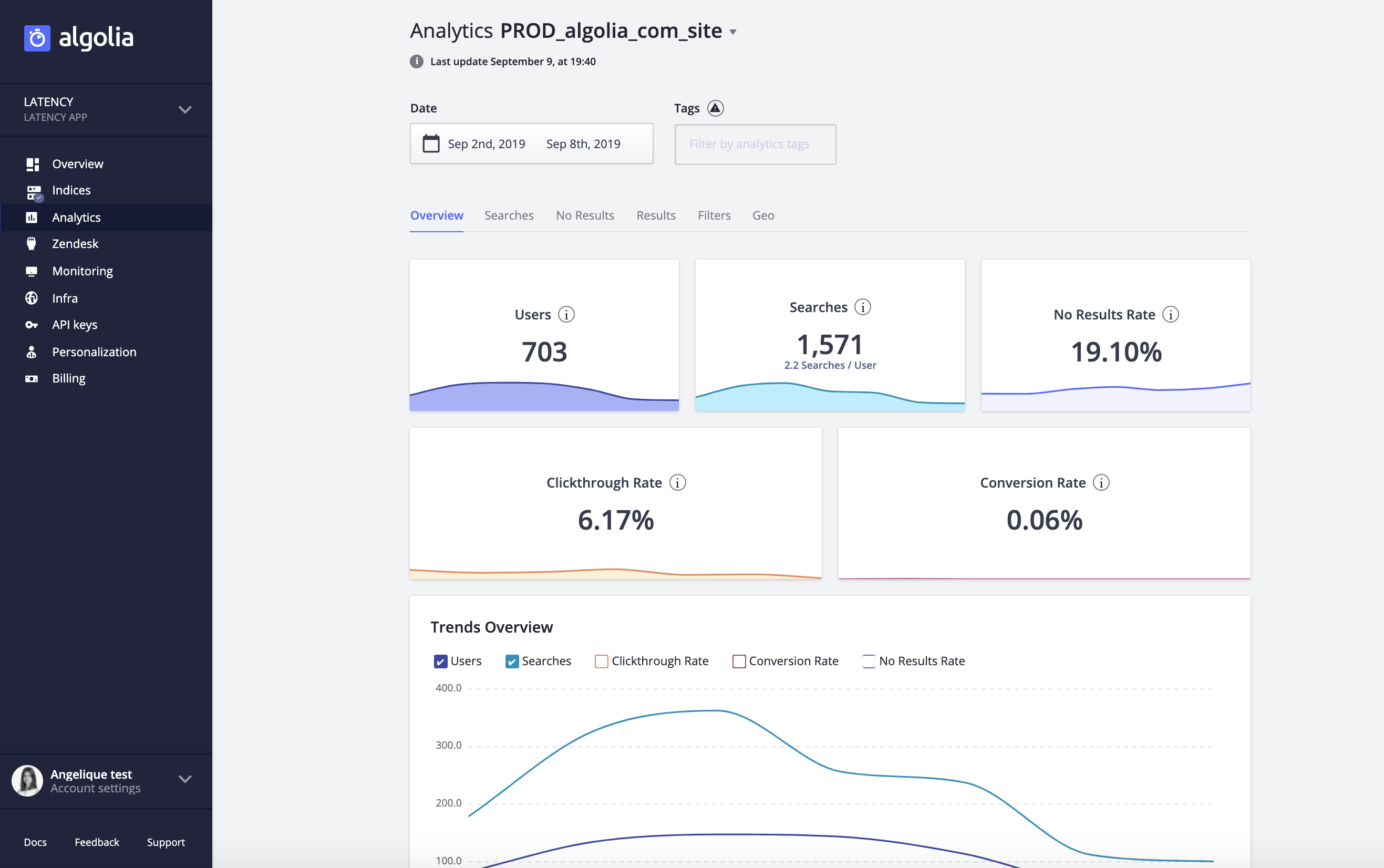    | Apache Lucene Screenshots 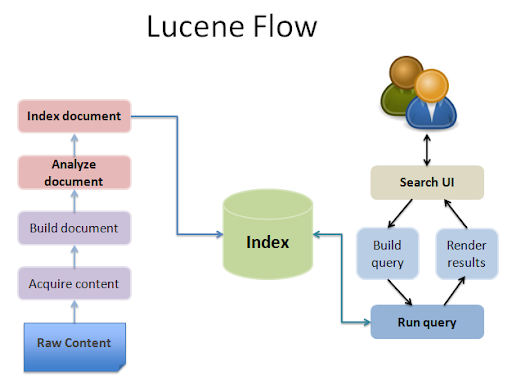 |