
Atlan vs. MongoDB
| Product | Rating | Most Used By | Product Summary | Starting Price |
|---|---|---|---|---|
 Atlan | Score9.2 out of 10 | N/A | Atlan is a context layer for enterprise AI. It continuously reads an organization's warehouses, databases, pipelines, BI tools, and business systems to reverse construct an enterprise data graph that captures assets, lineage, entities, metrics, policies, and relationships. On top of that graph, it enriches and curates machine-readable semantics — descriptions, popular joins, KPI and metric definitions, ontologies, and business rules — and organizes them into governed, versioned context… | N/A |
 MongoDB | Score8.8 out of 10 | N/A | MongoDB is an open source document-oriented database system. It is part of the NoSQL family of database systems. Instead of storing data in tables as is done in a "classical" relational database, MongoDB stores structured data as JSON-like documents with dynamic schemas (MongoDB calls the format BSON), making the integration of data in certain types of applications easier and faster. | $0.10 million reads |
| Atlan | MongoDB | |||||||||||||||
|---|---|---|---|---|---|---|---|---|---|---|---|---|---|---|---|---|
| Editions & Modules | No answers on this topic |
| ||||||||||||||
| Offerings |
| |||||||||||||||
| Entry-level Setup Fee | No setup fee | No setup fee | ||||||||||||||
| Additional Details | — | Fully managed, global cloud database on AWS, Azure, and GCP | ||||||||||||||
| More Pricing Information | ||||||||||||||||
| Atlan | MongoDB | |
|---|---|---|
| Considered Both Products | No answer on this topic | No answer on this topic |
| Key User Insights | ||
| Would buy again | ||
No answers on this topic | 100% Would buy again 12 Answers | |
| Delivers good value for the price | ||
No answers on this topic | 100% Delivers good value for the price 12 Answers | |
| Happy with the feature set | ||
No answers on this topic | 100% Happy with the feature set 12 Answers | |
| Lived up to sales and marketing promises | ||
No answers on this topic | 100% Lived up to sales and marketing promises 9 Answers | |
| Implementation went as expected | ||
No answers on this topic | 100% Implementation went as expected 12 Answers | |
| Atlan | MongoDB | |||||||||||||||||||||||||
|---|---|---|---|---|---|---|---|---|---|---|---|---|---|---|---|---|---|---|---|---|---|---|---|---|---|---|
| NoSQL Databases |
| |||||||||||||||||||||||||
| Atlan | MongoDB | |
|---|---|---|
| Small Businesses | No answers on this topic |  IBM Cloudant Score7.4 out of 10 |
| Medium-sized Companies | No answers on this topic | IBM Cloudant Score7.4 out of 10 |
| Enterprises | No answers on this topic | IBM Cloudant Score7.4 out of 10 |
| All Alternatives | View all alternatives | View all alternatives |
| Atlan | MongoDB | |
|---|---|---|
| Likelihood to Recommend | 9.0 | 10.0 |
| Likelihood to Renew | - | 10.0 |
| Usability | 8.0 | 10.0 |
| Availability | - | 9.0 |
| Support Rating | - | 9.6 |
| Implementation Rating | - | 8.4 |
| Atlan | MongoDB | |
|---|---|---|
| Likelihood to Recommend |
|
|
| Pros |
|
|
| Cons |
|
|
| Likelihood to Renew | No answers on this topic |
|
| Usability |
|
|
| Support Rating | No answers on this topic |
|
| Implementation Rating | No answers on this topic |
|
| Alternatives Considered | Incentivized |
|
| Return on Investment |
|
|
| ScreenShots | MongoDB Screenshots     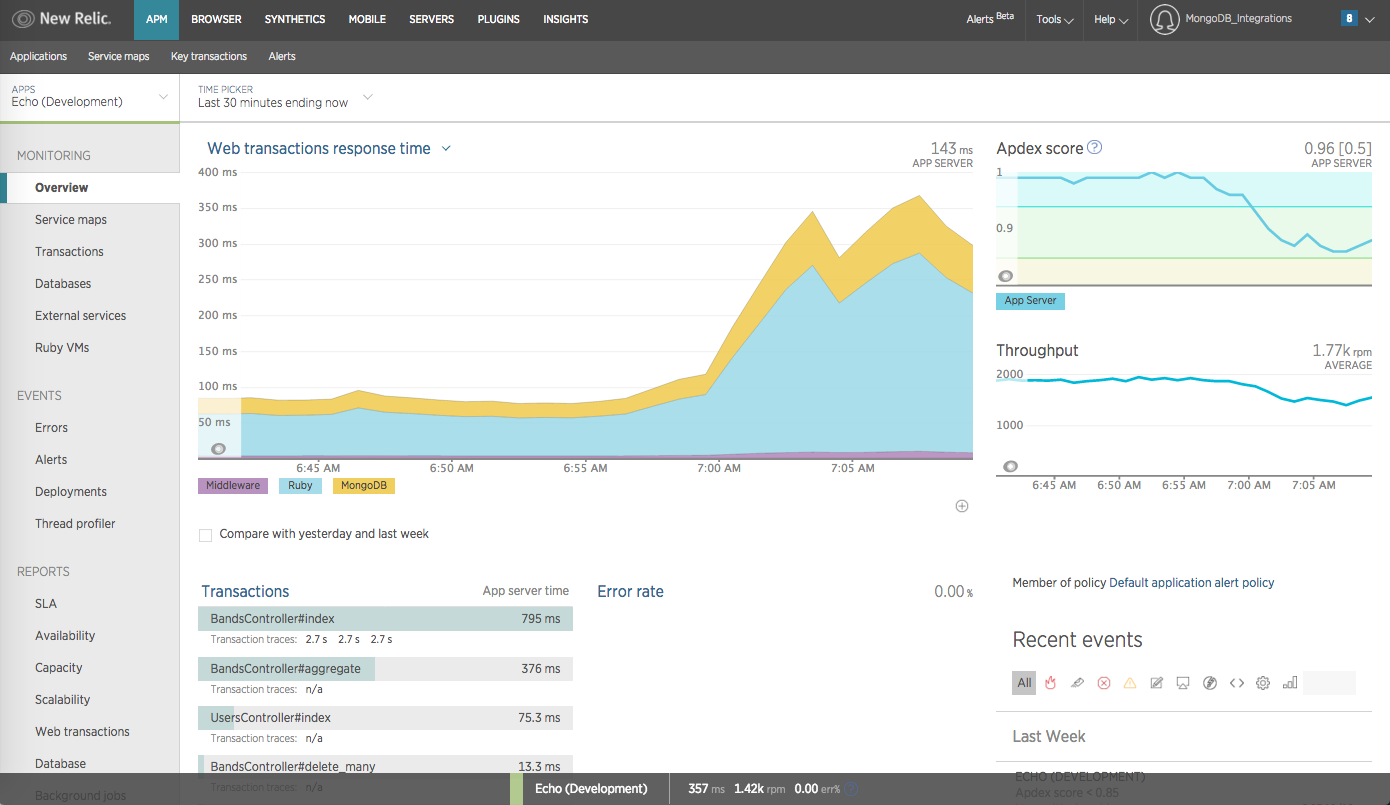 |



