Autodesk Inventor 3D CAD software offers professional-grade 3D mechanical design, documentation, and product simulation tools. These blend parametric, direct, freeform, and rules-based design capabilities. Inventor includes integrated tools for sheet metal, frame design, tube and pipe, cable & harness, presentations, rendering, simulation, and machine design. It also features TrustedDWG® compatibility and Model-Based Definition capabilities for embedding manufacturing information directly in…
$300
12 days over 1 year via Flex pricing 100 tokens
Supernova
Score 10.0 out of 10
N/A
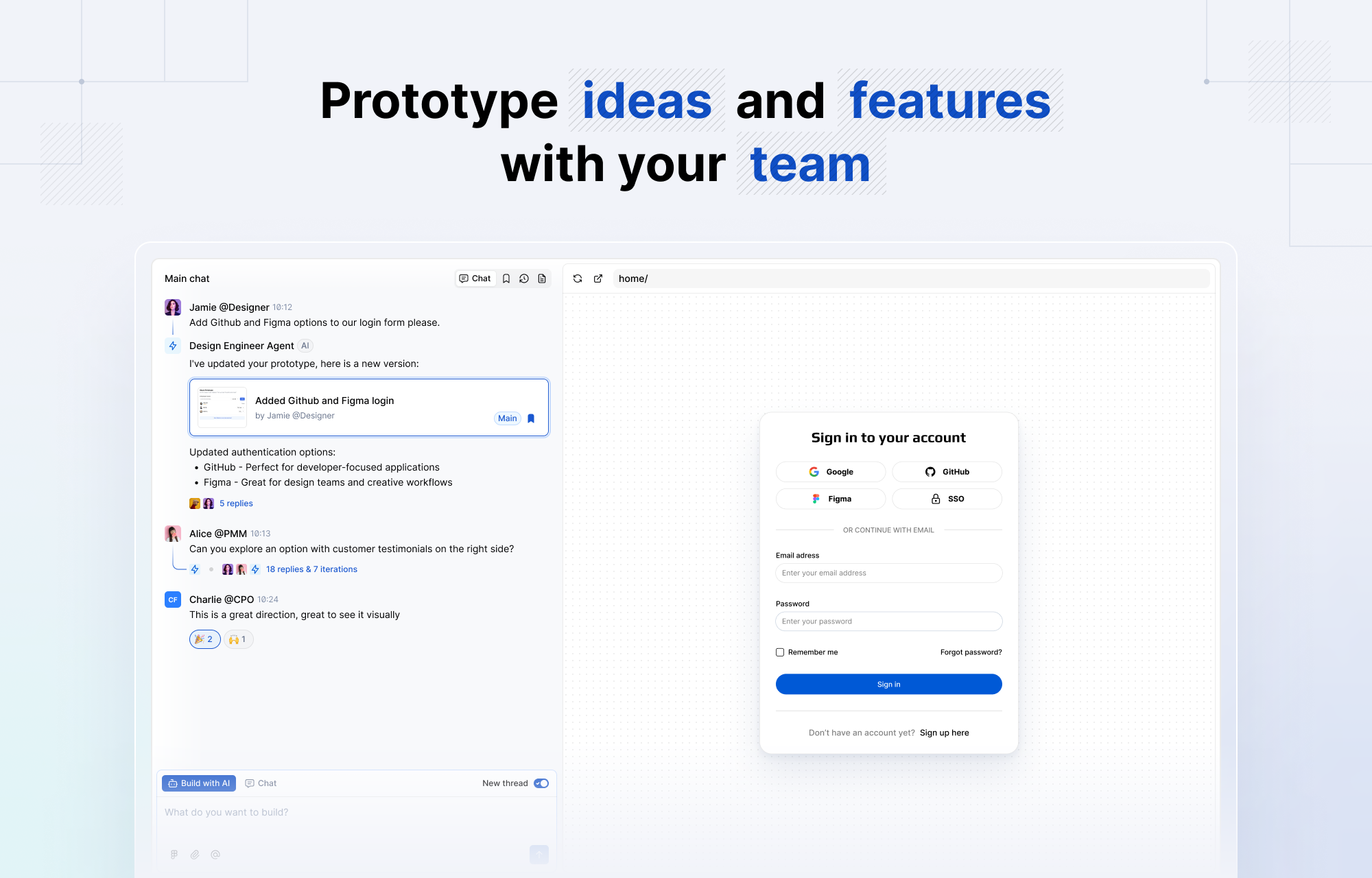
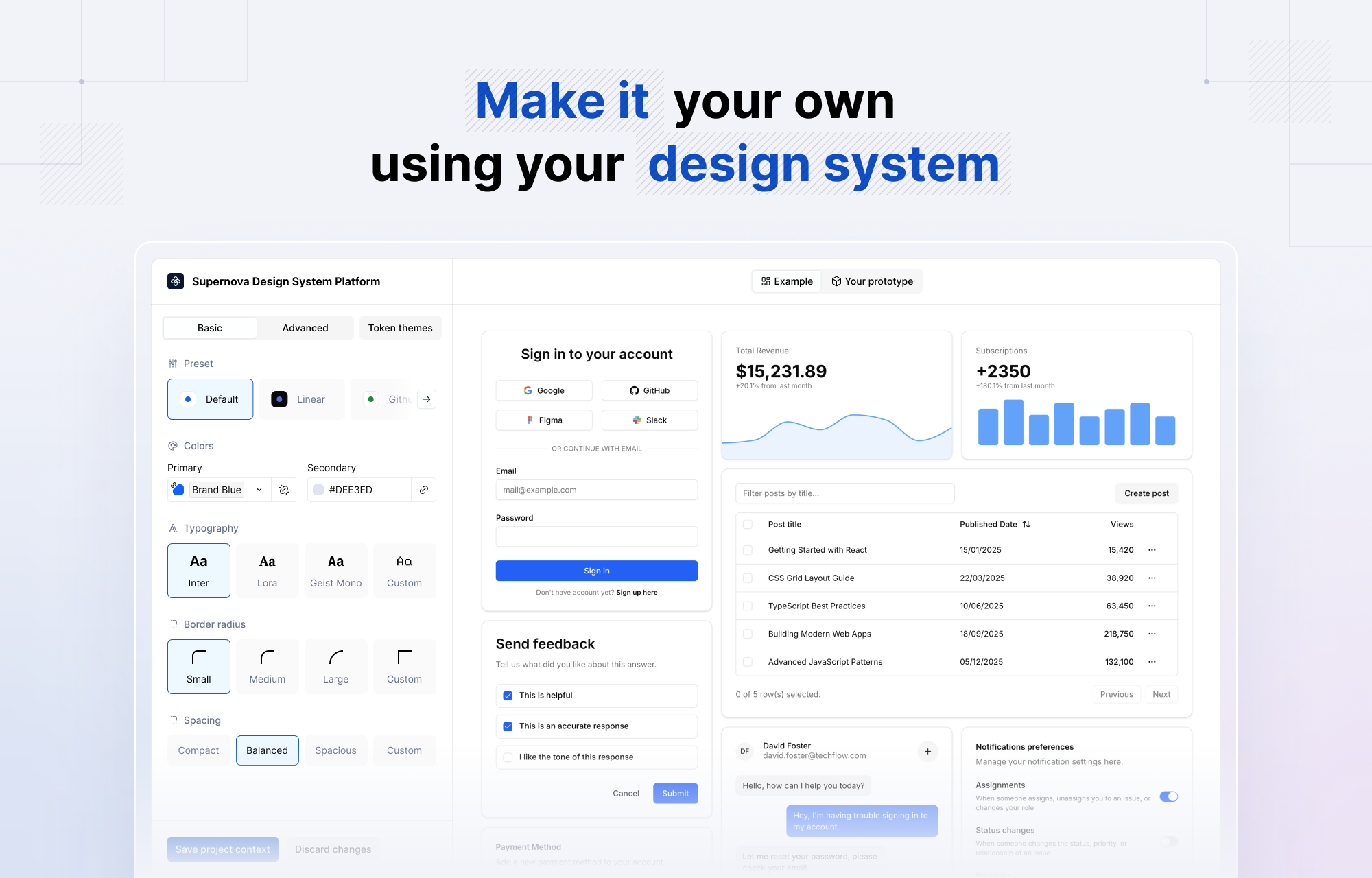
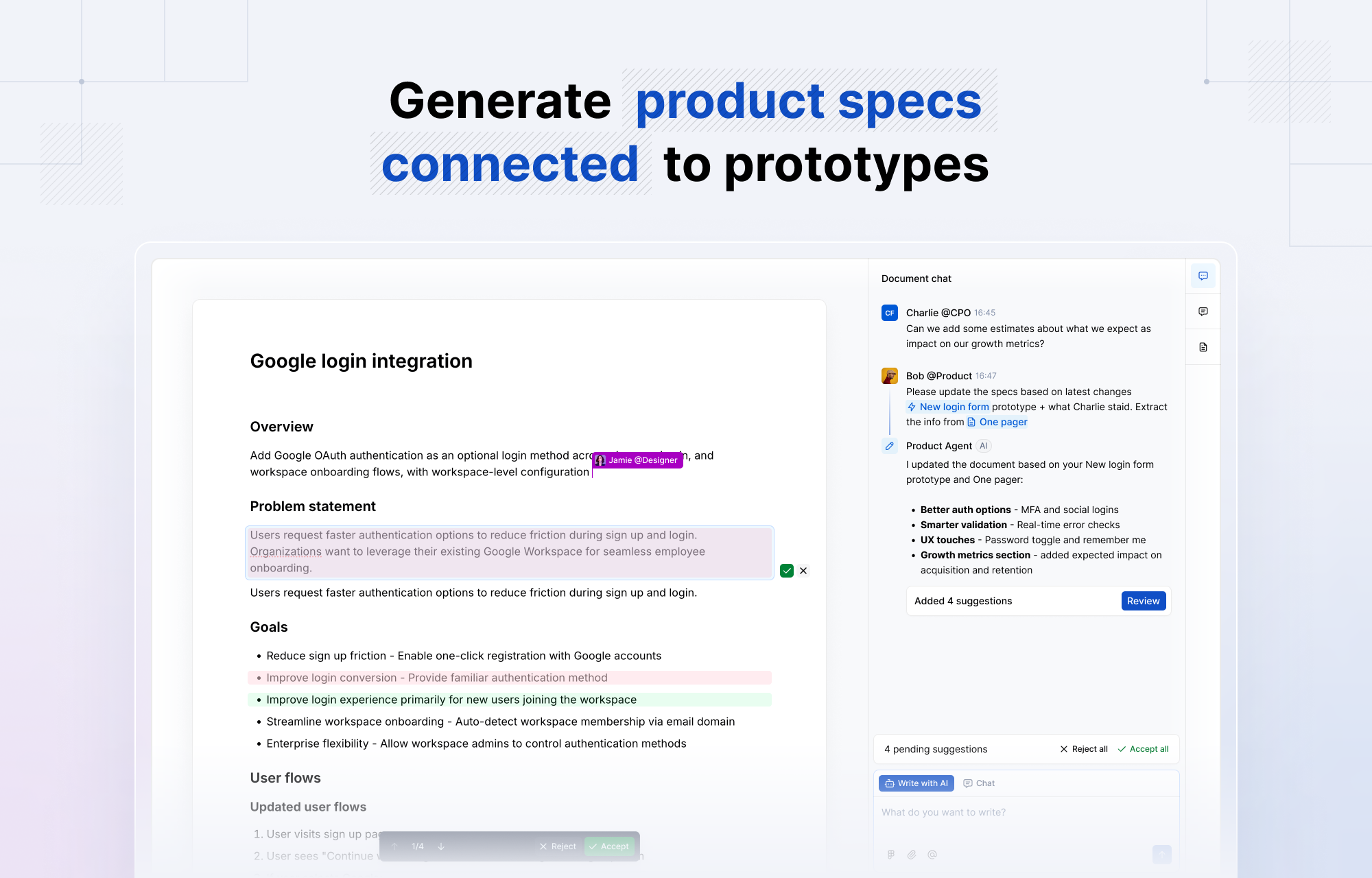
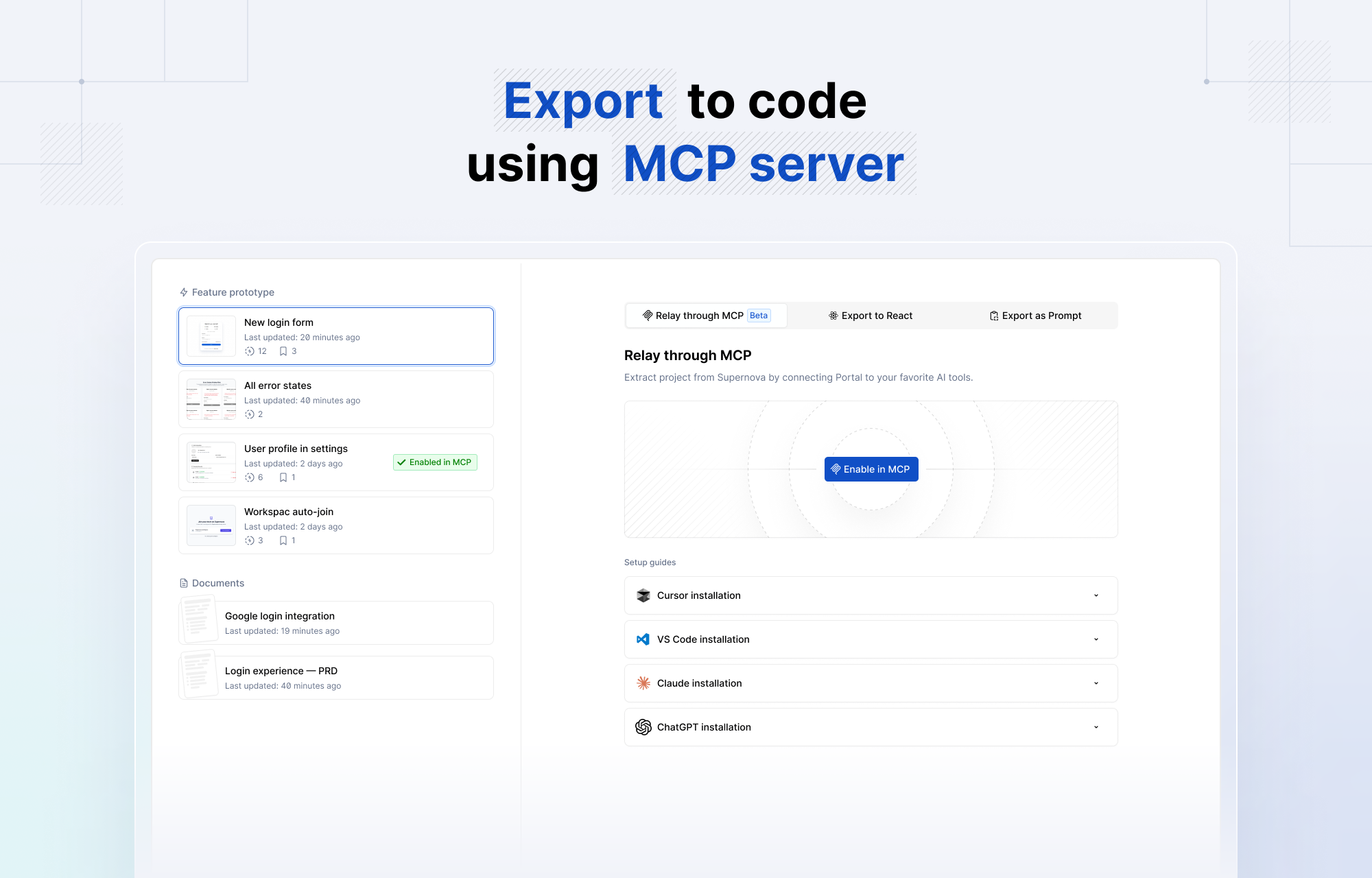
Supernova is a collaborative platform that helps product teams turn ideas into production-ready features while keeping design and development connected. It brings designs, tokens, guidelines, and code libraries together in one collaborative environment.
$0
per seat
Pricing
Autodesk Inventor
Supernova
Editions & Modules
Subscription - Monthly
$305
per month per user
Subscription - Yearly
$2440
per year per user
Subscription - 3 Years
$7320
3 years per user
FREE
$0
per month per seat
PRO
$20
per month per seat
ENTERPRISE
custom
custom per seat
Offerings
Pricing Offerings
Autodesk Inventor
Supernova
Free Trial
Yes
No
Free/Freemium Version
No
Yes
Premium Consulting/Integration Services
No
No
Entry-level Setup Fee
No setup fee
No setup fee
Additional Details
Also available for limited use through tokens on a Flex plan.
—
More Pricing Information
Community Pulse
Autodesk Inventor
Supernova
Features
Autodesk Inventor
Supernova
Computer-Aided Design Software
Comparison of Computer-Aided Design Software features of Product A and Product B
Autodesk Inventor is a great tool for students and faculty for engineering areas that don't require great precision or development of more thorough scientific results. Is you are conducting research, or deal with very intricate and complex systems I would recommend a more robust platform that complies more to industry standards.
Supernova is the best documentation platform on the market, having tested numerous alternatives, including the more popular zeroheight, Knapsack, etc. It's ideal for low-code solutions for brand guidelines and detailed component documentation. Their automated exporter pipelines are the icing on the cake, enabling them to pull what you see in Figma and push it directly into your codebase.
The program is very good at simplicity. Each of the buttons, menus, and options has an explanation of exactly what the feature does, and even a more advanced description if you desire to learn more about what each one does.
Autodesk Inventor is a very fast program. Everything renders extremely quickly and there are no delays when examining a 3D model, part, or assembly. This is especially useful when giving a presentation about a product or design, and you need to be able to show a concept to an audience in real time.
The software has an extremely accurate simulation feature that lets users do stress analysis on a 3D model. It can calculate precisely where the stress concentrations are going to be in a particular model and even give you an accurate depiction of where the part could likely fracture and/or fracture during loading.
most if it still runs on a single core. Please fix this
Crashes. In our experience, too many crashes. We have high end machines and crashes are way too common.
Autosave. I think it is simply unacceptable that Autodesk Inventor combines common crashes with no autosave functionality. We feel this pain all the time.
It is quite user-friendly as long as you have the computing power to download and use it. However, this makes it quite inconvenient if you are trying to access files on different devices, as Inventor has to be loaded on all of those devices. While the program itself works just fine, it would be much better for my application if it, or a version, were web-based and allowed users to access and modify projects from anywhere.
I think the support for Autodesk Inventor is very good. The staff at our reseller were very knowledgable and able to walk us through problems pretty easily. The training we received was very good also. I will say that there were a couple of times we reached out to support with a question or challenge we had, and the support agent was not able to resolve our problem, and after touching base back we found out that there was not a solution for the problems we were experiencing. One of them was just how Inventor represents colors inconsistently at times, all things being equal. Another was that Inventor would not let decals on parts transcend to the assembly level. they just would not show up.
When it comes to solid modeling, the bad choices died out years ago. So we looked at the total ecosystem and chose Autodesk Inventor because of the integration with Nastran, HSM (machining), Autodesk CFD, MoldFlow, and AutoCAD. This means our legacy data (2D) is still a valid part of our design methodologies going forward, and we have the full breadth of engineering tools at our disposal. Other solutions in this space have similar offerings but not nearly as potent of a portfolio in total. It's worth saying that we do not consider Inventor in the same space as CATIA or NX, but that the entire Autodesk portfolio (e.g. Alias, PowerMill, etc) includes a total toolset that exceeds these industry giants.
Supernova has best-in-class customer service. Our Figma library is a huge file and was unable to automatically sync with most platforms (including Supernova) - of all three platforms we tried, Supernova was the only one that actively assigned engineers to our case and offered a solution within a couple of days. They've been great partners.
Working on a project designed with Inventor provides a modular design platform that can quickly be configured or changed as required. This allows for the quick turn around time for the design and revision of drawings.
We've used Inventor over the years (since 2013) and the updates and newly released versions of Inventor do not require re-training or restrict use.
Autodesk follows an intuitive approach and users or designers who have worked on other design platforms like SolidWorks can transition easily to Inventor.