AWS CodePipeline is a fully managed continuous delivery service that helps users automate release pipelines. CodePipeline automates the build, test, and deploy phases of the release process every time there is a code change, based on the release model a user defines.
$1
per active pipeline/per month
Contentful
Score 7.5 out of 10
N/A
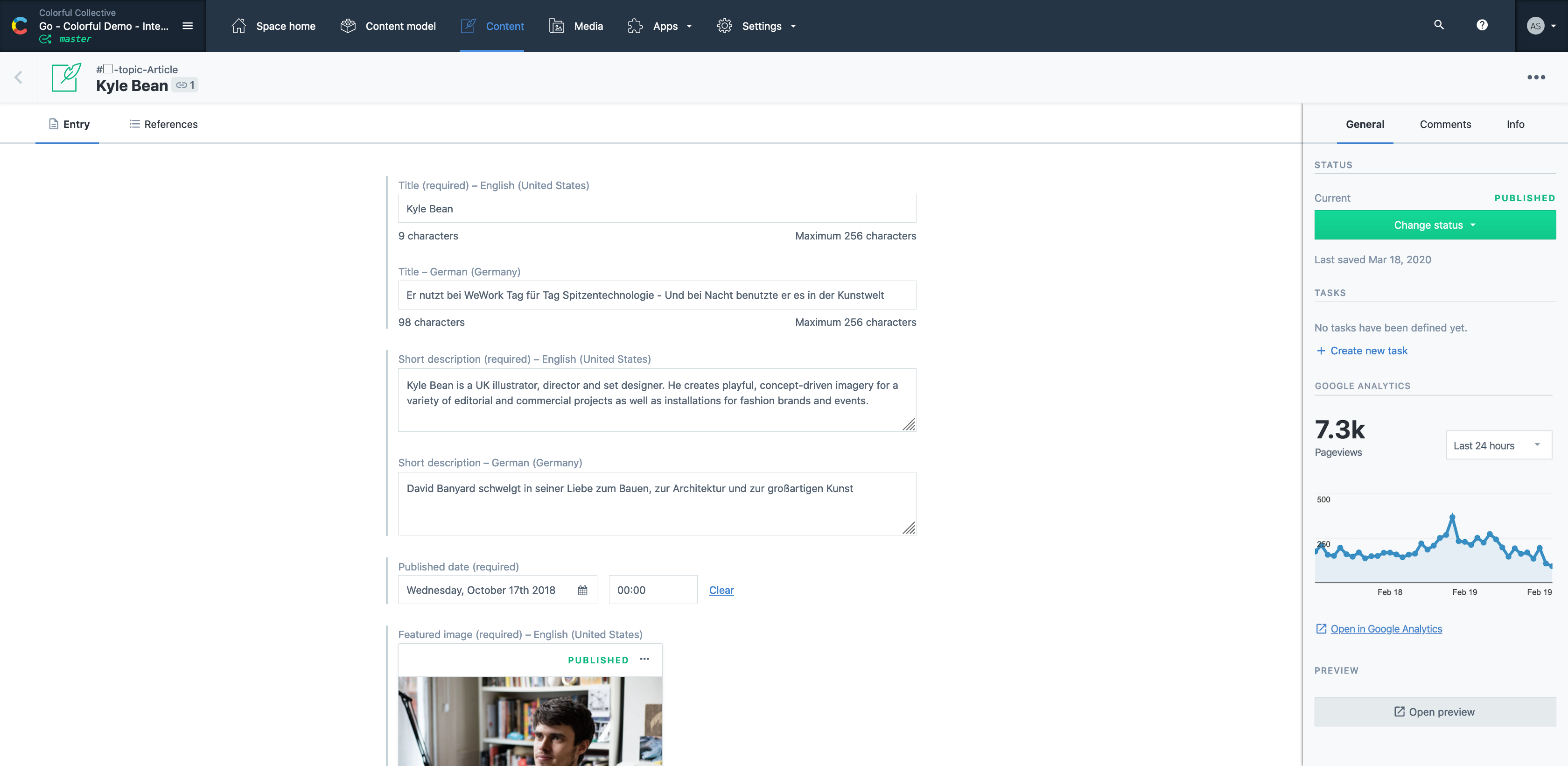
Contentful is a cloud based CMS solution that provides the ability to manage content across multiple platforms.The editing interface allows for managing content interactively and provides developers the ability to deliver the content with the programming language and template framework of their choice.
$0
Pricing
AWS CodePipeline
Contentful
Editions & Modules
AWS CodePipeline
$1
per active pipeline/per month
Free Tier
Free
Lite
$300
per month
Community
Free
Enterprise
Custom
Offerings
Pricing Offerings
AWS CodePipeline
Contentful
Free Trial
No
Yes
Free/Freemium Version
Yes
Yes
Premium Consulting/Integration Services
No
Yes
Entry-level Setup Fee
No setup fee
Optional
Additional Details
—
—
More Pricing Information
Community Pulse
AWS CodePipeline
Contentful
Features
AWS CodePipeline
Contentful
Security
Comparison of Security features of Product A and Product B
AWS CodePipeline
-
Ratings
Contentful
8.5
10 Ratings
4% above category average
Role-based user permissions
00 Ratings
8.510 Ratings
Platform & Infrastructure
Comparison of Platform & Infrastructure features of Product A and Product B
AWS CodePipeline
-
Ratings
Contentful
9.5
12 Ratings
20% above category average
API
00 Ratings
9.311 Ratings
Internationalization / multi-language
00 Ratings
9.79 Ratings
Web Content Creation
Comparison of Web Content Creation features of Product A and Product B
AWS CodePipeline
-
Ratings
Contentful
7.8
13 Ratings
0% above category average
WYSIWYG editor
00 Ratings
7.34 Ratings
Code quality / cleanliness
00 Ratings
9.58 Ratings
Admin section
00 Ratings
9.311 Ratings
Page templates
00 Ratings
7.64 Ratings
Library of website themes
00 Ratings
7.52 Ratings
Mobile optimization / responsive design
00 Ratings
4.57 Ratings
Publishing workflow
00 Ratings
9.312 Ratings
Form generator
00 Ratings
7.01 Ratings
Web Content Management
Comparison of Web Content Management features of Product A and Product B
I think AWS CodePipeline is a great tool for anyone wanted automated deployments in a multi-server/container AWS environment. AWS also offers services like Elastic Beanstalk that provide a more managed hosting & deployment experience. CodePipeline is a good middle ground with solid, built-in automation with enough customizability to not lock people into one deployment or architecture philosophy.
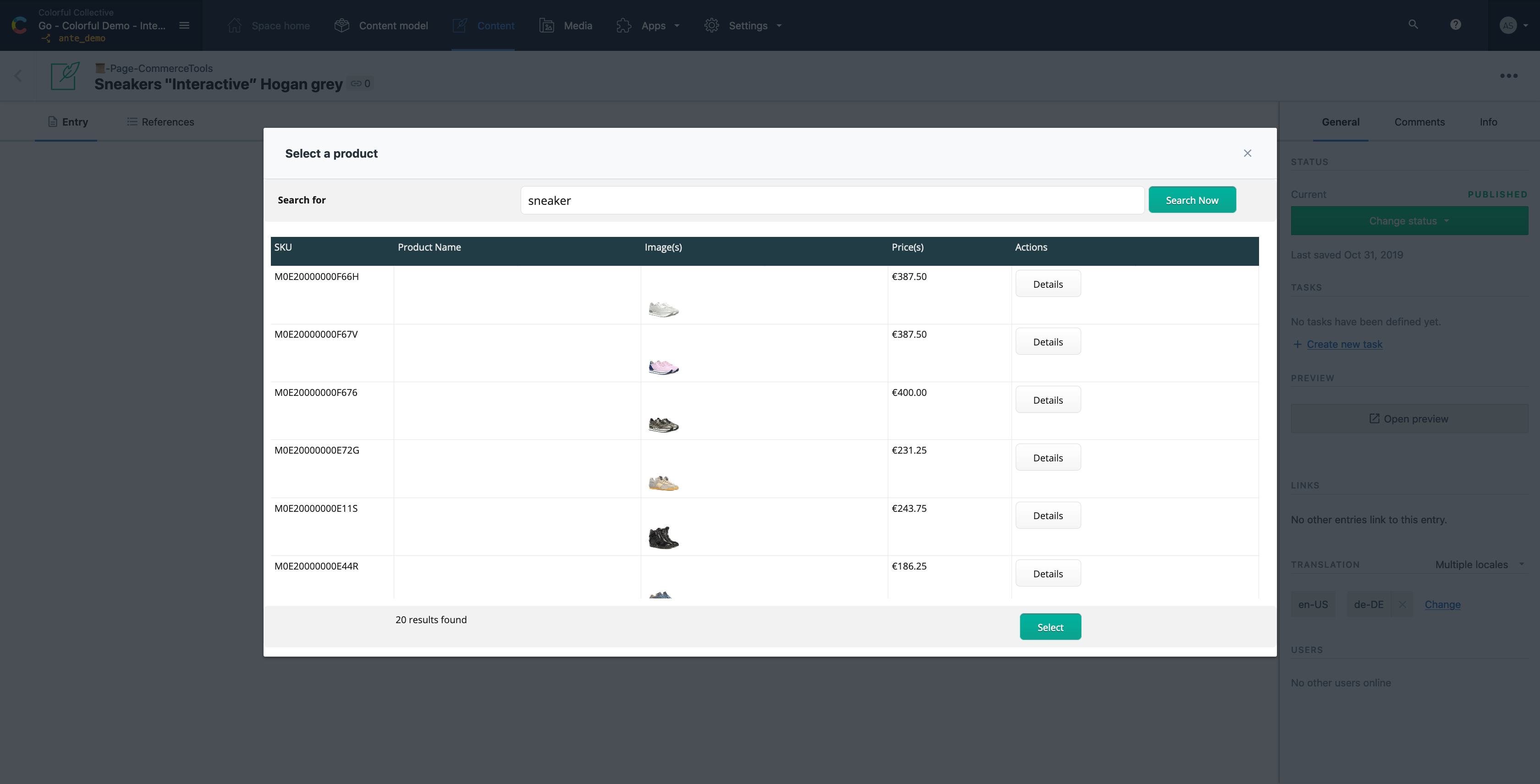
It's a great all rounder for content projects. It's easy in the basics and powerful in the complex, data heavy scenarios. Extending the platform is straightforward and the SDK gives you everything you need. If you have many many varying content types , it gets expensive and perhaps not the best choice .
Contentful uses "references" to allow you to build very modular content. If I have a "slider" content type, I can create a "slide" content type which references a "button" content type, and so forth. This works well, but I occasionally wish there was a better solution for one-off content, like a settings page. Currently, this is done for creating an entire content type called "settings" with a single entry. Not a big deal, but not ideal, either.
There are a few quirks with GatsbyJS integration, etc, but these issues are being fixed and improved upon very quickly.
A minor gripe, but Contentful does not have a way to organize fields within an entry. Entries with many fields are somewhat tiresome to scroll through.
Overall, I give AWS Codepipeline a 9 because it gets the job done and I can't complain much about the web interface as much of the action is taking place behind the scenes on the terminal locally or via Amazon's infrastructure anyway. It would be nicer to have a better flowing and visualizable web interface, however.
It is a very easy to use and configure application. I find that it is on the user to manage the content after the models have been created, yet I still do not encounter issues finding or creating new components for our site. It is easy to set up and easy to navigate.
Our pipeline takes about 30 minutes to run through. Although this time depends on the applications you are using on either end, I feel that it is a reasonable time to make upgrades and updates to our system as it is not an every day push.
We didn't need a lot of support with AWS CodePipeline as it was pretty straightforward to configure and use, but where we ran into problems, the AWS community was able to help. AWS support agents were also helpful in resolving some of the minor issues we encountered, which we could not find a solution elsewhere.
CodeCommit and CodeDeploy can be used with CodePipeline so it’s not really fair to stack them against each other as they can be quite the compliment. The same goes for Beanstalk, which is often used as a deployment target in relation to CodePipeline.
CodePipeline fulfills the CI/CD duty, where the other services do not focus on that specific function. They are supplements, not replacements. CodePipeline will detect the updated code and handle deploying it to the actual instance via Beanstalk.
Jenkins is open source and not a native AWS service, that is its primary differentiator. Jenkins can also be used as a supplement to CodePipeline.
Easy to use and much more organized as a single platform versus multi. The layout is clean and easy to read and we don’t have to worry about certain users safe guarding data or content then losing it when they leave the company. It’s a one stop shop for imagery
CodePipeline has reduced ongoing devops costs for my clients, especially around deployment & testing.
CodePipeline has sped up development workflow by making the deployment process automated off git pushes. Deployment takes very little coordination as the system will just trigger based on what is the latest commit in a branch.
CodePipeline offered a lot of out-of-the-box functionality that was much simpler to setup than a dedicated CI server. It allowed the deployment process to built and put into production with much less and effort and cost compared to rolling the functionality manually.
Contentful has saved us valuable development time that was previously spent doing deploys for minor content updates.
Contentful has helped us maintain consistent documentation, reducing time needed to review for consistency.
Can't say we've really experienced any negative ROI impacts from using Contentful, but we've run into some limitations in adding too many content models and the next pricing tier is substantially more expensive.