Axure RP is a software prototyping tool used by UX designers, from Axure Software Solutions in San Diego.
N/A
Draftium
Score1.1 out of 10
N/A
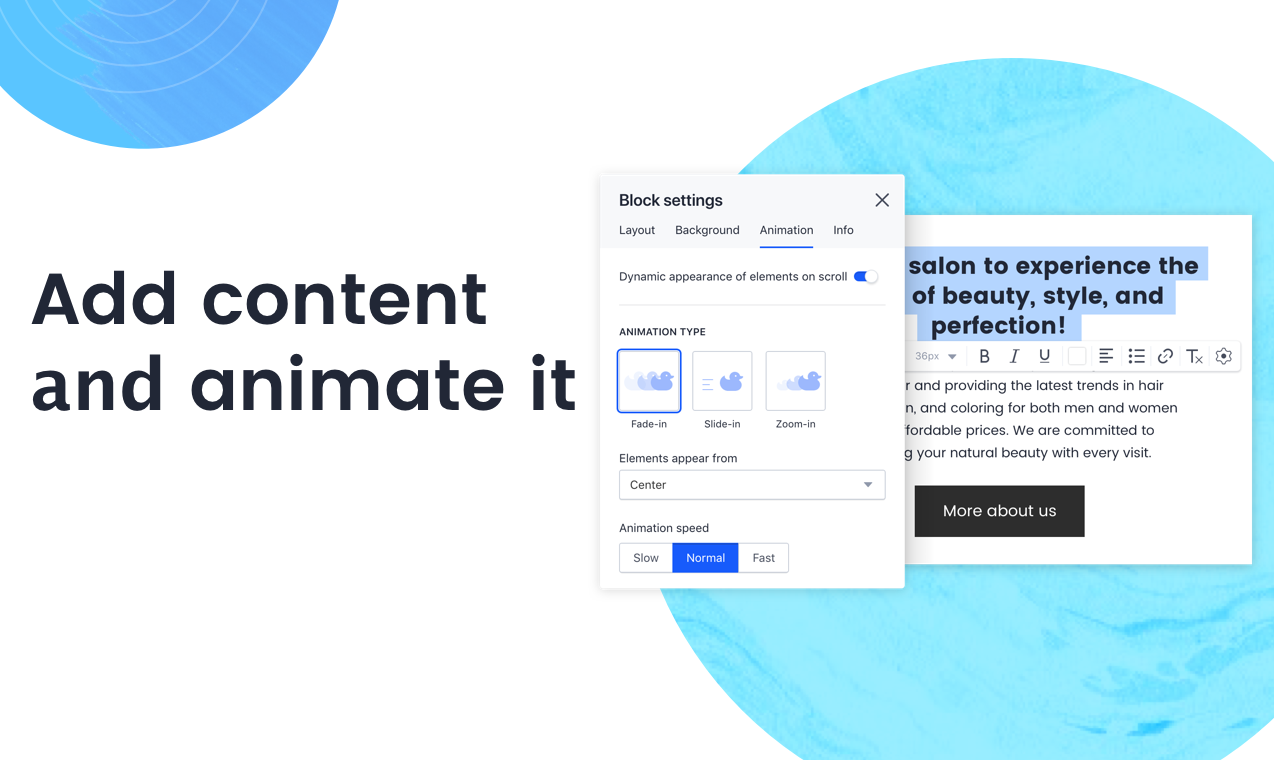
Accorind to the vendor, Draftium has 350+ ready-made blocks and 300+ prototype templates that allows you to visualize a website idea within 15-30 minutes. It is a free online turbo prototyping tool for website ideation and collaboration. It helps web-designers or studios, marketers, and account managers to make everyday easy. Prototyping in Draftium is based on blocks. You can remove or add them with checkboxes. So you do not have to add elements one-by-one, they already…
Still the best IMHO for dynamic prototyping. Sometimes you need to wireframe novel on-page widgets, such as draggable search areas (in the context of map-based search), or interactive annotations on diagrams. And sometimes real data values are necessary for test participants to give good feedback. However, this is something of a niche scenario. The majority of uxers prefer xd or Figma and find that static prototypes (screen1->click->screen2) is sufficient.
Have been using the prototype software provided by them for almost 2 full years. Fit most needs and then suddenly the prototype was deleted without warning. They specified I should have received warning emails but never did. The prototype was visited frequently as well. When I reached out to support staff they attempted to help but they couldn't identify how it was deleted, why it was deleted, why no email was sent out, and were not able to resolve the issue. I'd stay clear of this platform for these very reasons.
Adaptive views enable us to create truly responsive designs, even when they are very complex.
The platform’s many available templates and ability to create a library of reusable designs enables us to prototype faster and more efficiently than creating every single design from the ground up.
The company provides a lot of support options, from training videos to online forums. This is a pretty complex tool, so knowing that we can always look up or ask a question and get a quick answer has helped us immensely.
Axure’s comprehensive suite of tools to portray interactivity in prototypes has truly helped us show stakeholders and clients what an end product will look like, which has really helped us gain necessary internal and external buy-in.
A de minimis incentive was given to thank the reviewer for their time. The incentive was not used to bias or drive a particular response, nor was the incentive contingent on a positive endorsement. More Info
A de minimis incentive was given to thank the reviewer for their time. The incentive was not used to bias or drive a particular response, nor was the incentive contingent on a positive endorsement. More Info
A de minimis incentive was given to thank the reviewer for their time. The incentive was not used to bias or drive a particular response, nor was the incentive contingent on a positive endorsement. More Info
A de minimis incentive was given to thank the reviewer for their time. The incentive was not used to bias or drive a particular response, nor was the incentive contingent on a positive endorsement. More Info
Axure feels like a tool that started with a simple interface that wasn't redesigned over time. Simple tasks sometimes require clicking through multiple layers. Crucial pieces of functionality are hidden under text links, or just flatly aren't discoverable. Much of the quirks of the interface only come from having screwed up numerous times, and knowing that certain things are just difficult to accomplish.
A de minimis incentive was given to thank the reviewer for their time. The incentive was not used to bias or drive a particular response, nor was the incentive contingent on a positive endorsement. More Info
I've never used the support for Axure but they do have an online community that can be helpful when you're unsure how to accomplish a specific bit of interactivity. Overall the community for Axure is a great benefit for the software. There are also a lot of shared library assets which can help reduce the time you spend on projects.
A de minimis incentive was given to thank the reviewer for their time. The incentive was not used to bias or drive a particular response, nor was the incentive contingent on a positive endorsement. More Info
I think that the online training videos cover all product features and are a great resource to point people to. The newsletter is also frequent and passes on a range of tips and techniques for users that are eager to learn more, or just want to keep themselves up to date
Since Axure RP is a desktop software that can work without a cloud connection, it is easy to have approved within a highly restricted corporate environment for a low cost with a small team. iRise is a solution that requires greater amounts of management, best service a group of designers in a corporate environment. InVision is cloud-based and, although not impossible, would require a long-term agreement to be made between the corporate and InVision. These could take years. Origami is free and desktop based and has great control of the transitions and data - but is so granular that additional time commitments may have to be made to make a prototype of this fidelity
A de minimis incentive was given to thank the reviewer for their time. The incentive was not used to bias or drive a particular response, nor was the incentive contingent on a positive endorsement. More Info
A de minimis incentive was given to thank the reviewer for their time. The incentive was not used to bias or drive a particular response, nor was the incentive contingent on a positive endorsement. More Info
Axure allows for us to quickly get the entire sales team trained on a specific narrative and gives them a fool proof click path for them to use in the demo.
Axure is relatively inexpensive and allows for purchasing the software without having to pay a monthly subscription (although they do have that option).
The Sketch integration has allowed for a 10 fold increase in productivity by taking designs already created in another program and quickly adding them to Axure.
A de minimis incentive was given to thank the reviewer for their time. The incentive was not used to bias or drive a particular response, nor was the incentive contingent on a positive endorsement. More Info
A de minimis incentive was given to thank the reviewer for their time. The incentive was not used to bias or drive a particular response, nor was the incentive contingent on a positive endorsement. More Info