
Azure Cosmos DB vs. Oracle Autonomous Database
Azure Cosmos DB vs. Oracle Autonomous Database
| Product | Rating | Most Used By | Product Summary | Starting Price |
|---|---|---|---|---|
 Azure Cosmos DB | N/A | Microsoft Azure Cosmos DB is Microsoft's Big Data analysis platform. It is a NoSQL database service and is a replacement for the earlier DocumentDB NoSQL database. | N/A | |
 Oracle Autonomous Database | N/A | Oracle Autonomous Database provides a self-driving, self-securing, self-repairing cloud service that eliminate the overhead and human errors associated with traditional database administration. Oracle Autonomous Database takes care of configuration, tuning, backup, patching, encryption, scaling, and more. | N/A |
| Azure Cosmos DB | Oracle Autonomous Database | |||||||||||||||
|---|---|---|---|---|---|---|---|---|---|---|---|---|---|---|---|---|
| Editions & Modules | No answers on this topic | No answers on this topic | ||||||||||||||
| Offerings |
| |||||||||||||||
| Entry-level Setup Fee | No setup fee | Optional | ||||||||||||||
| Additional Details | — | — | ||||||||||||||
| More Pricing Information | ||||||||||||||||
| Azure Cosmos DB | Oracle Autonomous Database |
|---|
| Azure Cosmos DB | Oracle Autonomous Database | ||||||||||||||||||||||||
|---|---|---|---|---|---|---|---|---|---|---|---|---|---|---|---|---|---|---|---|---|---|---|---|---|---|
| NoSQL Databases |
| ||||||||||||||||||||||||
| Database Development |
| ||||||||||||||||||||||||
| Database Administration |
|
| Azure Cosmos DB | Oracle Autonomous Database | |
|---|---|---|
| Small Businesses |  IBM Cloudant Score 7.4 out of 10 |  DBeaver Score 8.6 out of 10 |
| Medium-sized Companies | IBM Cloudant Score 7.4 out of 10 |  ER/Studio Score 9.9 out of 10 |
| Enterprises | IBM Cloudant Score 7.4 out of 10 | ER/Studio Score 9.9 out of 10 |
| All Alternatives | View all alternatives | View all alternatives |
| Azure Cosmos DB | Oracle Autonomous Database | |
|---|---|---|
| Likelihood to Recommend | 10.0 (7 ratings) | 8.5 (52 ratings) |
| Likelihood to Renew | 7.6 (4 ratings) | 9.0 (2 ratings) |
| Usability | 8.8 (2 ratings) | 8.0 (1 ratings) |
| Support Rating | 9.2 (2 ratings) | - (0 ratings) |
| Azure Cosmos DB | Oracle Autonomous Database | |
|---|---|---|
| Likelihood to Recommend |  Microsoft
 AJ Tatum Founder | Oracle
 Bryan Heck Design Engineer |
| Pros | Microsoft
 Niloofar Keshvari Nia IT Operations and Support Specialist | Oracle
|
| Cons | Microsoft
| Oracle
 Johnny Wu Project Leader, Data Infrastructure Services |
| Likelihood to Renew | Microsoft
| Oracle
 Lisandro Fernigrini Independent Software Consultant |
| Usability | Microsoft
Niloofar Keshvari Nia IT Operations and Support Specialist | Oracle
Lisandro Fernigrini Independent Software Consultant |
| Support Rating | Microsoft
| Oracle No answers on this topic |
| Alternatives Considered | Microsoft
 Lars Kemmann Solutions Architect | Oracle
|
| Return on Investment | Microsoft
AJ Tatum Founder | Oracle
 Angel Caroline Information Technology Consultant |
| ScreenShots | Oracle Autonomous Database Screenshots   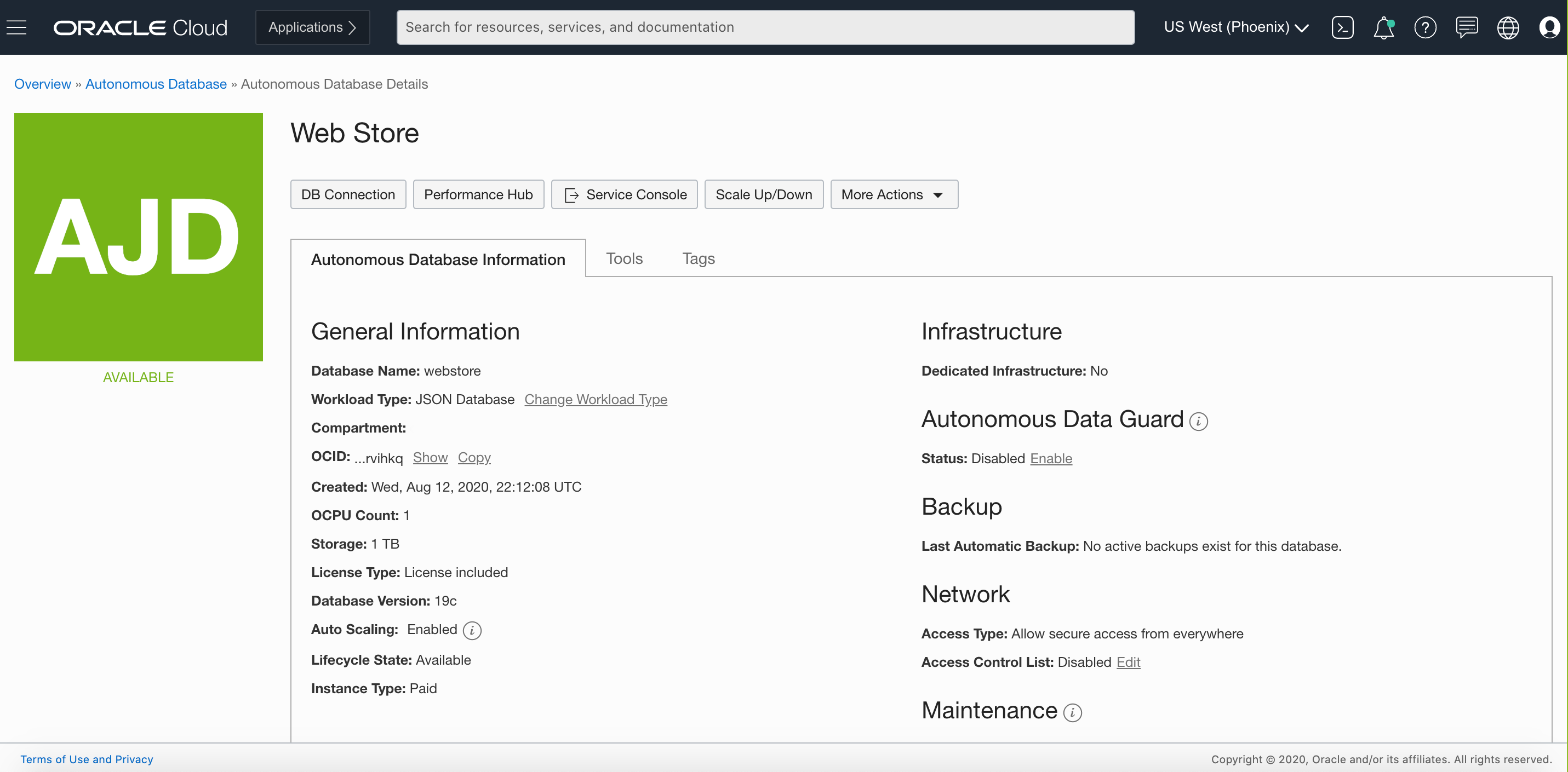  |