
Foundation Directory Online by Candid vs. Salesforce Agentforce 360 for Nonprofits
Foundation Directory Online by Candid vs. Salesforce Agentforce 360 for Nonprofits
| Product | Rating | Most Used By | Product Summary | Starting Price |
|---|---|---|---|---|
 Foundation Directory Online by Candid | N/A | The Foundation Directory Online (FDO) is an online database of donations, donors, and grantmakers, from Candid.org | N/A | |
 Agentforce 360 for Nonprofits | N/A | Salesforce for Nonprofits, the Salesforce.org Nonprofit Cloud, is a nonprofit constituent relationship management platform from Salesforce, which supports constituent engagement, fundraising, and grants. Nonprofit editions contain Salesforce Lightning Edition along with the former Nonprofit Success Pack (NPSP) combined. | $36 per month per user |
| Foundation Directory Online by Candid | Salesforce Agentforce 360 for Nonprofits | |||||||||||||||
|---|---|---|---|---|---|---|---|---|---|---|---|---|---|---|---|---|
| Editions & Modules | No answers on this topic |
| ||||||||||||||
| Offerings |
| |||||||||||||||
| Entry-level Setup Fee | No setup fee | No setup fee | ||||||||||||||
| Additional Details | — | — | ||||||||||||||
| More Pricing Information | ||||||||||||||||
| Foundation Directory Online by Candid | Salesforce Agentforce 360 for Nonprofits |
|---|
| Foundation Directory Online by Candid | Salesforce Agentforce 360 for Nonprofits | |
|---|---|---|
| Small Businesses |  Bonterra Network for Good Score 9.4 out of 10 | Bonterra Network for Good Score 9.4 out of 10 |
| Medium-sized Companies |  OneCause Score 8.8 out of 10 |  Bloomerang CRM Score 9.1 out of 10 |
| Enterprises |  Blackbaud Enterprise Fundraising CRM Score 7.6 out of 10 | Blackbaud Enterprise Fundraising CRM Score 7.6 out of 10 |
| All Alternatives | View all alternatives | View all alternatives |
| Foundation Directory Online by Candid | Salesforce Agentforce 360 for Nonprofits | |
|---|---|---|
| Likelihood to Recommend | 8.0 (3 ratings) | 8.4 (33 ratings) |
| Likelihood to Renew | - (0 ratings) | 10.0 (1 ratings) |
| Usability | - (0 ratings) | 7.7 (5 ratings) |
| Support Rating | 10.0 (1 ratings) | 8.2 (10 ratings) |
| Foundation Directory Online by Candid | Salesforce Agentforce 360 for Nonprofits | |
|---|---|---|
| Likelihood to Recommend | Candid.org
 David S. Levine, CFRE Development Manager |  Salesforce
|
| Pros | Candid.org
| Salesforce
 Karen Mellendorf Operations Manager |
| Cons | Candid.org
 Abby Landmeier Manager of Community Funding and Volunteers | Salesforce
|
| Likelihood to Renew | Candid.org No answers on this topic | Salesforce
 Edward Phillips Engagement Director |
| Usability | Candid.org No answers on this topic | Salesforce
|
| Support Rating | Candid.org
David S. Levine, CFRE Development Manager | Salesforce
|
| Alternatives Considered | Candid.org
| Salesforce
 Simon Sharkey Woods Chief Digital & Information Officer |
| Return on Investment | Candid.org
Abby Landmeier Manager of Community Funding and Volunteers | Salesforce
 Samantha Shain Data Solutions Manager |
| ScreenShots | Agentforce 360 for Nonprofits Screenshots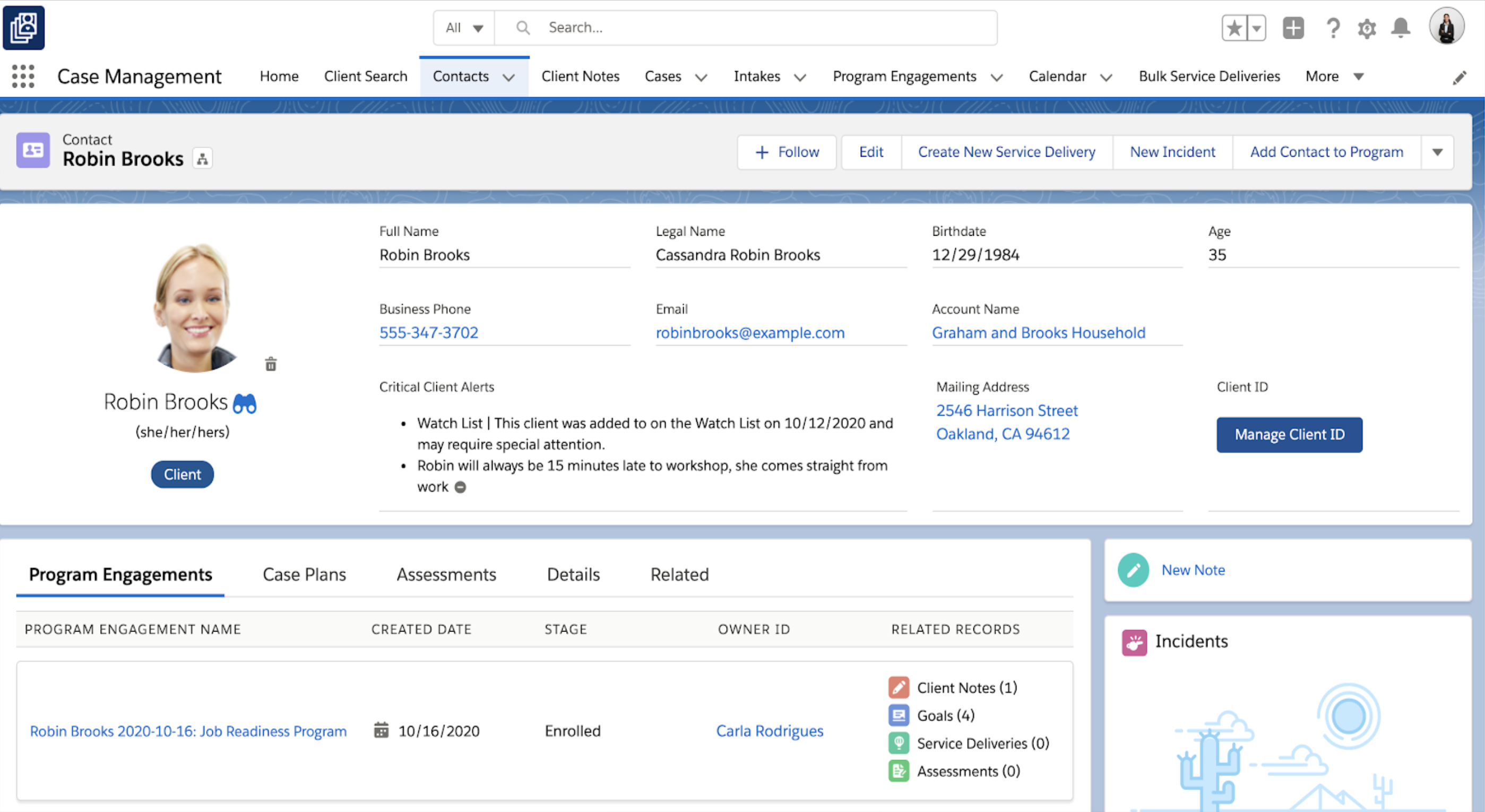     |