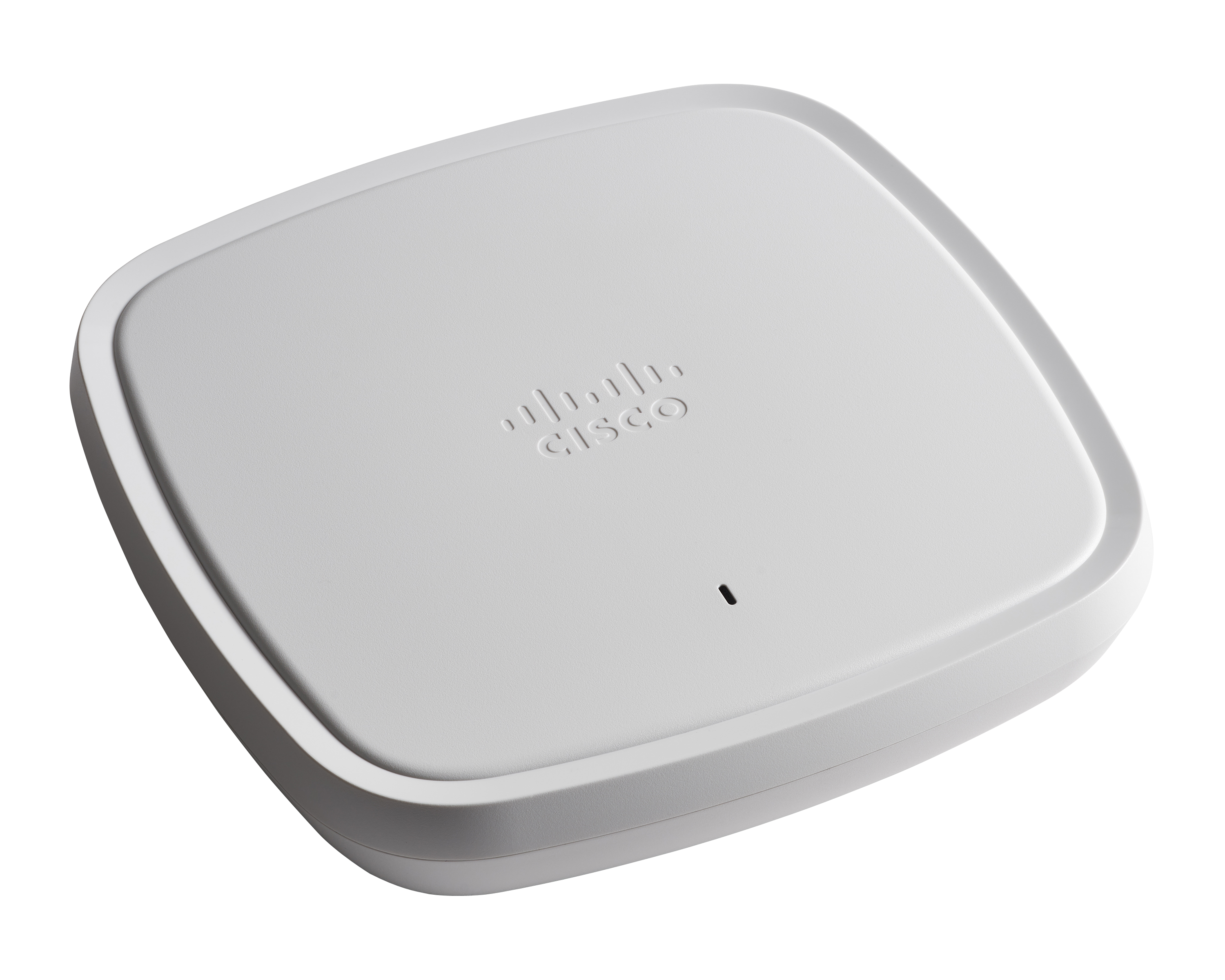
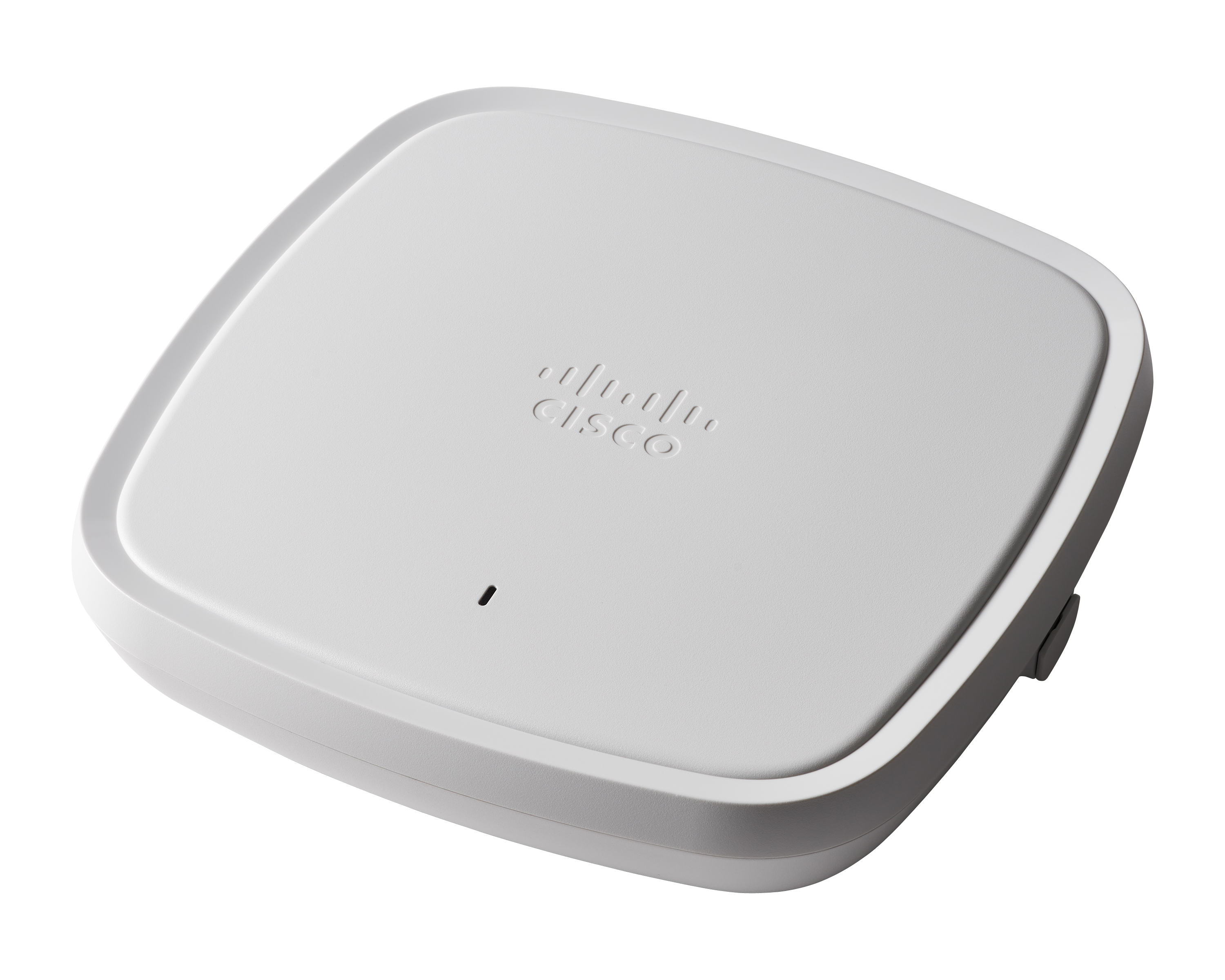
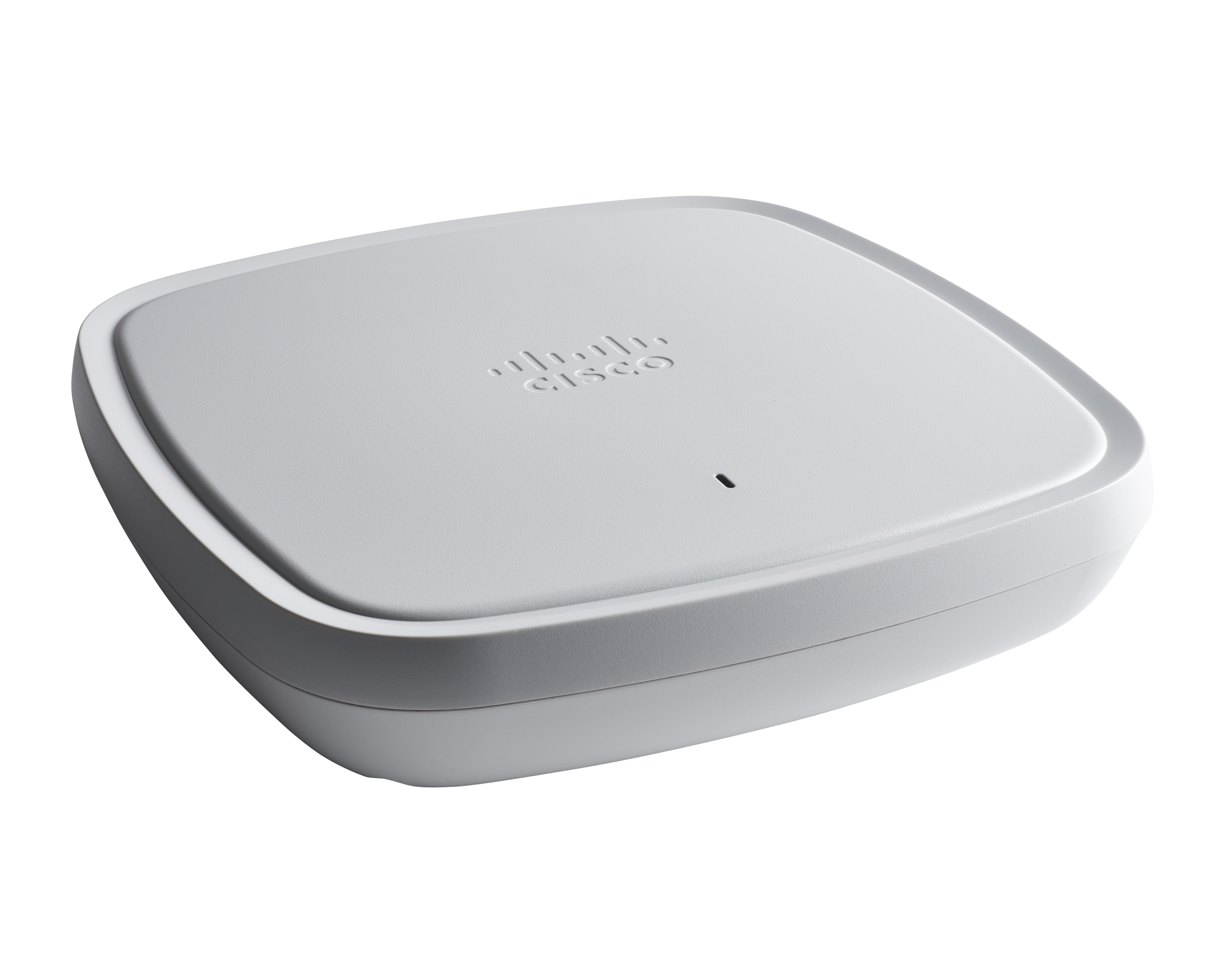
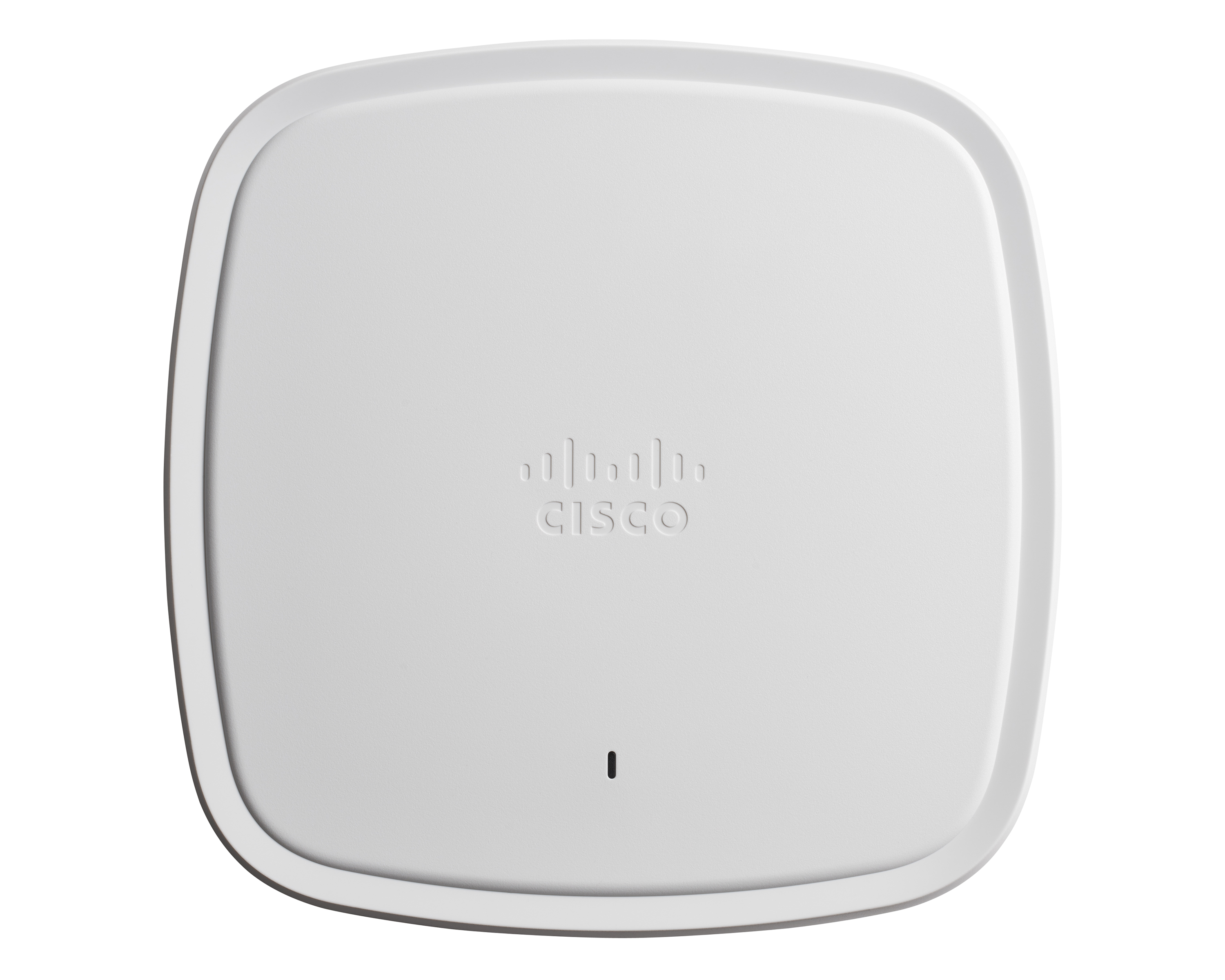
The Cisco Catalyst 9100 Access Points includes the 9115 and 9117, and designed to meet high demand network access.
N/A
HPE Networking Instant On Access Points
Score8.1 out of 10
N/A
HPE Networking Instant On Access Points, formerly under the Aruba Networks brand, are presented as fast WLAN solutions for small to midsize businesses, supporting indoor and outdoor connectivity, in any environment and for any number of devices.
A de minimis incentive was given to thank the reviewer for their time. The incentive was not used to bias or drive a particular response, nor was the incentive contingent on a positive endorsement. More Info
Senior Network Engineer in Information Technology at Monash University (Higher Education, 1001-5000 employees)
Chose Cisco Catalyst 9100 Access Points
Of all the different APs that I have implemented the Cisco APs are still the most feature rich. The analytics that they provide sets them apart from all other vendors I have tested.
A de minimis incentive was given to thank the reviewer for their time. The incentive was not used to bias or drive a particular response, nor was the incentive contingent on a positive endorsement. More Info
Verified User
Chose Cisco Catalyst 9100 Access Points
They are Similar in functionality and price, but free of charge vWLC is a killer feature.
A de minimis incentive was given to thank the reviewer for their time. The incentive was not used to bias or drive a particular response, nor was the incentive contingent on a positive endorsement. More Info
Verified User
Chose Cisco Catalyst 9100 Access Points
The Cisco Catalyst 9100 Access Points meet or exceed the competition in every category.
A de minimis incentive was given to thank the reviewer for their time. The incentive was not used to bias or drive a particular response, nor was the incentive contingent on a positive endorsement. More Info
Hewlett Packard Enterprise (HPE)
Verified User
Chose HPE Networking Instant On Access Points
East to install and implement in small and medium business.
A de minimis incentive was given to thank the reviewer for their time. The incentive was not used to bias or drive a particular response, nor was the incentive contingent on a positive endorsement. More Info
Cisco Catalyst 9100 Access Points are well suited for dense Client solutions. We have used these in areas where we have a large number of guests that need top-notch connectivity without ever losing connection. The one area where we do have difficulty is in outdoor deployment, where large areas need to be covered, but we do not have physical connectivity in order to get the access points connected. This is not an access point issue but more of a physical connectivity limitation.
A de minimis incentive was given to thank the reviewer for their time. The incentive was not used to bias or drive a particular response, nor was the incentive contingent on a positive endorsement. More Info
It is possible that we have a bad luck with the deployment. However, It is capable to perform enterprise-level security to fit some of the organization's standards. With Airwave and other tools, it's easy to manage and administrate your wireless environment. Make aware of the IPsec tunnel from each user to the controller if you are using Clearpass for NAC. If you have a remote office with local resources, you will need controller or IAP to route traffic locally. If you have many remote offices, you will need to deploy controllers or IAP in each office, which lead to additional cost and management.
So this product actually helps in healthcare facilities where we have a wireless, we call this WOW monitors. It's Wireless On Wheels. So we use those monitors to the patient's room to room. So in that case, rather than connecting it to wire, so it really helps us to connect through the WIFI and access the patients whenever we be needed.
A de minimis incentive was given to thank the reviewer for their time. The incentive was not used to bias or drive a particular response, nor was the incentive contingent on a positive endorsement. TR verified that a representative sample of customers was invited. More Info
They offer both a controller-based and controller-less option. This allows customers of all sizes to deploy a wireless network without the upfront cost of controller hardware. A controller can be added later.
Aruba also offers Airwave which is a single management point for all AP swarms in the environment. It offers many reporting features as well as visual RF maps displaying heatmaps of the AP signals and client positioning.
The Aruba Access Point we have (224s and 225s) also offer both PoE and external power supplies for those smaller deployments that may not have PoE capable switches.
A de minimis incentive was given to thank the reviewer for their time. The incentive was not used to bias or drive a particular response, nor was the incentive contingent on a positive endorsement. More Info
They could definitely download their code faster. When we first get them out of the box and join them on the network, it takes probably 20, 30 minutes per access point to download the new code from the wireless controller and then reboot itself and then come back online.
When you're configuring it on the controller, if you want to switch access point groups, we have them broken out per site. Every time you add it to one of those groups, it also has to reboot. That's like downtime for us. That could be improved, I think.
A de minimis incentive was given to thank the reviewer for their time. The incentive was not used to bias or drive a particular response, nor was the incentive contingent on a positive endorsement. TR verified that a representative sample of customers was invited. More Info
We have had a bunch of these stop working after a power outages. We are guessing a surge or something caused them to stop working.
Some of the documentation is outdated. It seems they like to make changes to how things work and it usually mean less access and insight into the devices you manage.
The auto signal strength feature could use a little work. It seems like even when we turn it down all the way it tries ot increases the signal strength.
A de minimis incentive was given to thank the reviewer for their time. The incentive was not used to bias or drive a particular response, nor was the incentive contingent on a positive endorsement. More Info
On a scale of 1–10, we would rate our likelihood to renew Cisco Catalyst 9100 Access Points as a 9. The access points have provided reliable wireless connectivity, strong security features, and consistent performance, which are critical for supporting both in-office and hybrid work. Minor improvements could make the experience fully seamless.
A de minimis incentive was given to thank the reviewer for their time. The incentive was not used to bias or drive a particular response, nor was the incentive contingent on a positive endorsement. More Info
The Cisco Catalyst 9120 Access Points have been a solid deployment for me. Using their interface is a mix of new and old. They run IOS, so if you know the CLI, you can easily navigate around them. You can join them to an older controller if it supports a certain version, you can join it to a new 9800 controller--very straight forward--and you can run the embedded wireless controller on them directly. I've found this to be very useful at smaller sites. The Cisco Catalyst 9120 Access Points are not limited to feature sets like the older generations' mobility express platform.
A de minimis incentive was given to thank the reviewer for their time. The incentive was not used to bias or drive a particular response, nor was the incentive contingent on a positive endorsement. TR verified that a representative sample of customers was invited. More Info
It is a good and stable product, and does exactly what it is intended for. It provides a good wifi connection, and ensures that the users on the work floor can do their work well. In addition, there are so many technical possibilities, that you can configure the wifi network completely to the specific wishes of the work floor.
A de minimis incentive was given to thank the reviewer for their time. The incentive was not used to bias or drive a particular response, nor was the incentive contingent on a positive endorsement. More Info
On a scale of 1–10, I would rate the overall usability of Cisco Catalyst 9100 Access Points as an 8. The interface is intuitive, and common tasks like monitoring and basic configuration are straightforward. While some advanced features and troubleshooting functions remain complex, the majority of operations are user-friendly, making the system efficient for IT teams managing hybrid and in-office environments.
A de minimis incentive was given to thank the reviewer for their time. The incentive was not used to bias or drive a particular response, nor was the incentive contingent on a positive endorsement. More Info
Using Cisco Catalyst 9100 Access Points you can expect good performance, if not excellent. Coupled with other tools and managment systems you can easily gain good insight and ease of management. Flexible deployment variations help you adopt the equipment to work for most any required scenario you could think of. It's a well designed and evolved product.
A de minimis incentive was given to thank the reviewer for their time. The incentive was not used to bias or drive a particular response, nor was the incentive contingent on a positive endorsement. More Info
We rate Cisco support 8/10 because the response time is generally very good, with most cases receiving attention and feedback within the same business day. When hardware replacement is required, delivery can sometimes take longer than expected, but replacements are consistently provided. Overall, the service remains credible, reliable, and essential for maintaining business continuity and network availability.
A de minimis incentive was given to thank the reviewer for their time. The incentive was not used to bias or drive a particular response, nor was the incentive contingent on a positive endorsement. More Info
Aruba Wireless Network support has always been reliable and great to work with. There was a period during the HPE acquisition of Aruba Wireless where getting in touch with an engineer took somewhat longer than usual, but it still was not a huge issue. The most difficult part of the merger was getting an accurate view of our inventory according to HPE Aruba as they were merging/choosing a system to host all of that information.
A de minimis incentive was given to thank the reviewer for their time. The incentive was not used to bias or drive a particular response, nor was the incentive contingent on a positive endorsement. More Info
On a scale of 1–10, I would rate the in-person training for Cisco Catalyst 9100 Access Points as an 8. The sessions were interactive and provided hands-on experience, which helped IT staff understand configuration, troubleshooting, and advanced features. Greater depth in real-world scenario exercises could make the training even more effective.
A de minimis incentive was given to thank the reviewer for their time. The incentive was not used to bias or drive a particular response, nor was the incentive contingent on a positive endorsement. More Info
On a scale of 1–10, I would rate the online training for Cisco Catalyst 9100 Access Points as a 6. While the training materials were comprehensive and covered essential topics, some modules were overly technical and not always intuitive for all users. Additional practical examples and interactive exercises would improve understanding and make the training more effective.
A de minimis incentive was given to thank the reviewer for their time. The incentive was not used to bias or drive a particular response, nor was the incentive contingent on a positive endorsement. More Info
Key insights from implementing Cisco Catalyst 9100 Access Points include the importance of thorough planning, pilot testing, and involving both IT teams and end-users early in the process. Centralized management and robust security features simplify long-term operations, but adequate training and clear documentation are essential to maximize adoption and ensure smooth, reliable connectivity across hybrid work environments.
A de minimis incentive was given to thank the reviewer for their time. The incentive was not used to bias or drive a particular response, nor was the incentive contingent on a positive endorsement. More Info
We are migrating from Aironet platform to Cisco Catalyst 9100 Access Points. That's more flexible, and we do it to sync switching, SDWAN, and wifi under one family.
A de minimis incentive was given to thank the reviewer for their time. The incentive was not used to bias or drive a particular response, nor was the incentive contingent on a positive endorsement. More Info
When comparing Aruba Instant Wi-Fi Access Points to Cisco Meraki MR the most significant factors are pricing and license fees. At the current cost of one Meraki MR AP, we can deploy three Aruba Instant Wi-Fi Access Points, providing equivalent functionality, coverage, and performance.
A de minimis incentive was given to thank the reviewer for their time. The incentive was not used to bias or drive a particular response, nor was the incentive contingent on a positive endorsement. More Info
These access points offer flexibility in deployment scenarios, supporting both standalone and controller-based architectures. Organisations can choose the model that best suits their current needs and scale as their requirements grow. Cisco Aironet Access Points are compatible with Cisco's Wireless LAN controllers, allowing for centralized management and monitoring of a large number of access points across the network. With the recent changes, it will even support cloud base controllers.
A de minimis incentive was given to thank the reviewer for their time. The incentive was not used to bias or drive a particular response, nor was the incentive contingent on a positive endorsement. More Info
A de minimis incentive was given to thank the reviewer for their time. The incentive was not used to bias or drive a particular response, nor was the incentive contingent on a positive endorsement. More Info
The newest version upgrade is somewhat cumbersome as they want us to replace hardware, which seems silly, so we are on the most current legacy supported version. Once unsupported, we will need to replace hardware.
A de minimis incentive was given to thank the reviewer for their time. The incentive was not used to bias or drive a particular response, nor was the incentive contingent on a positive endorsement. More Info