Cisco's Catalyst is one of that company's brand of network switches.
N/A
Cisco Optical Networking
Score8.6 out of 10
N/A
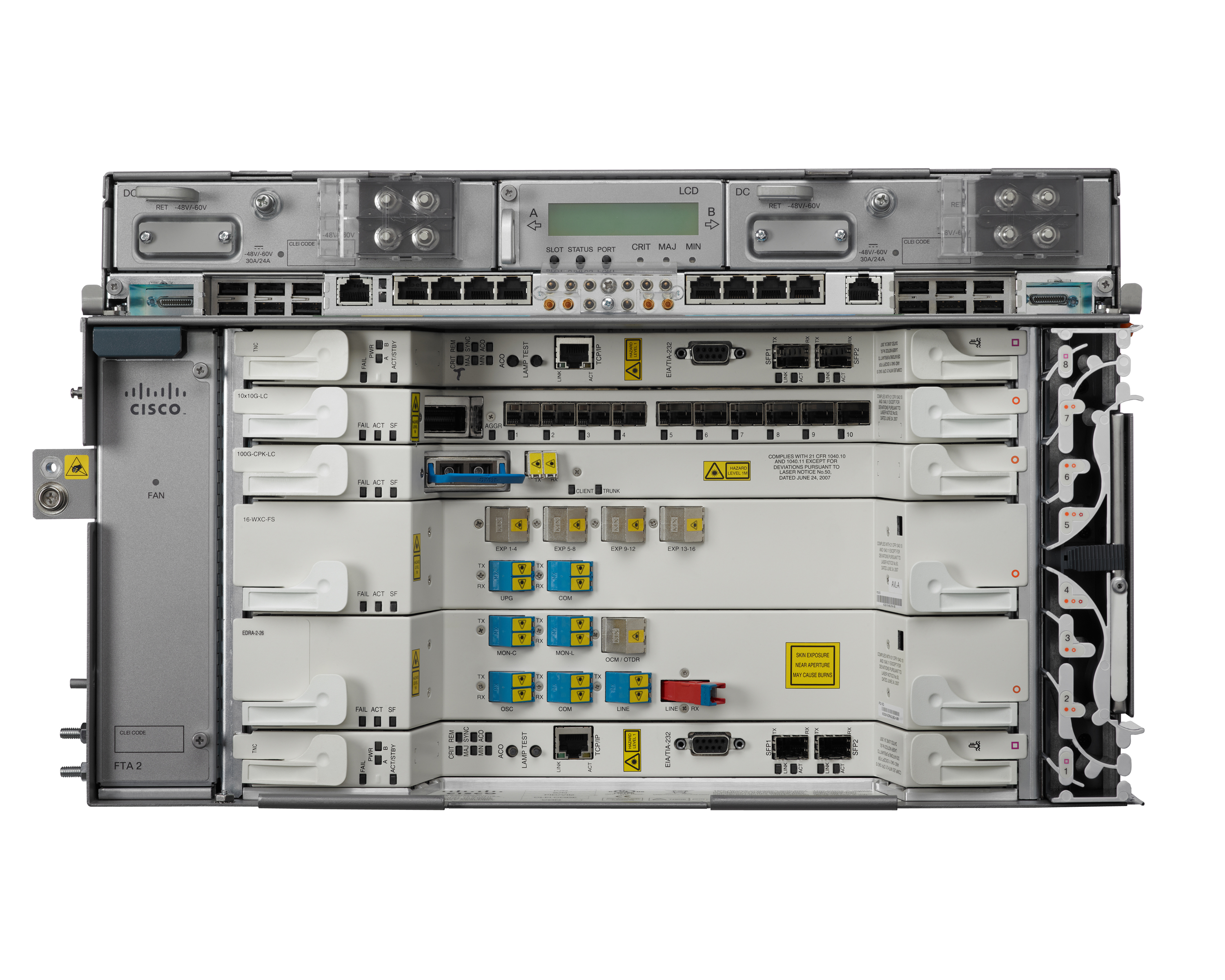
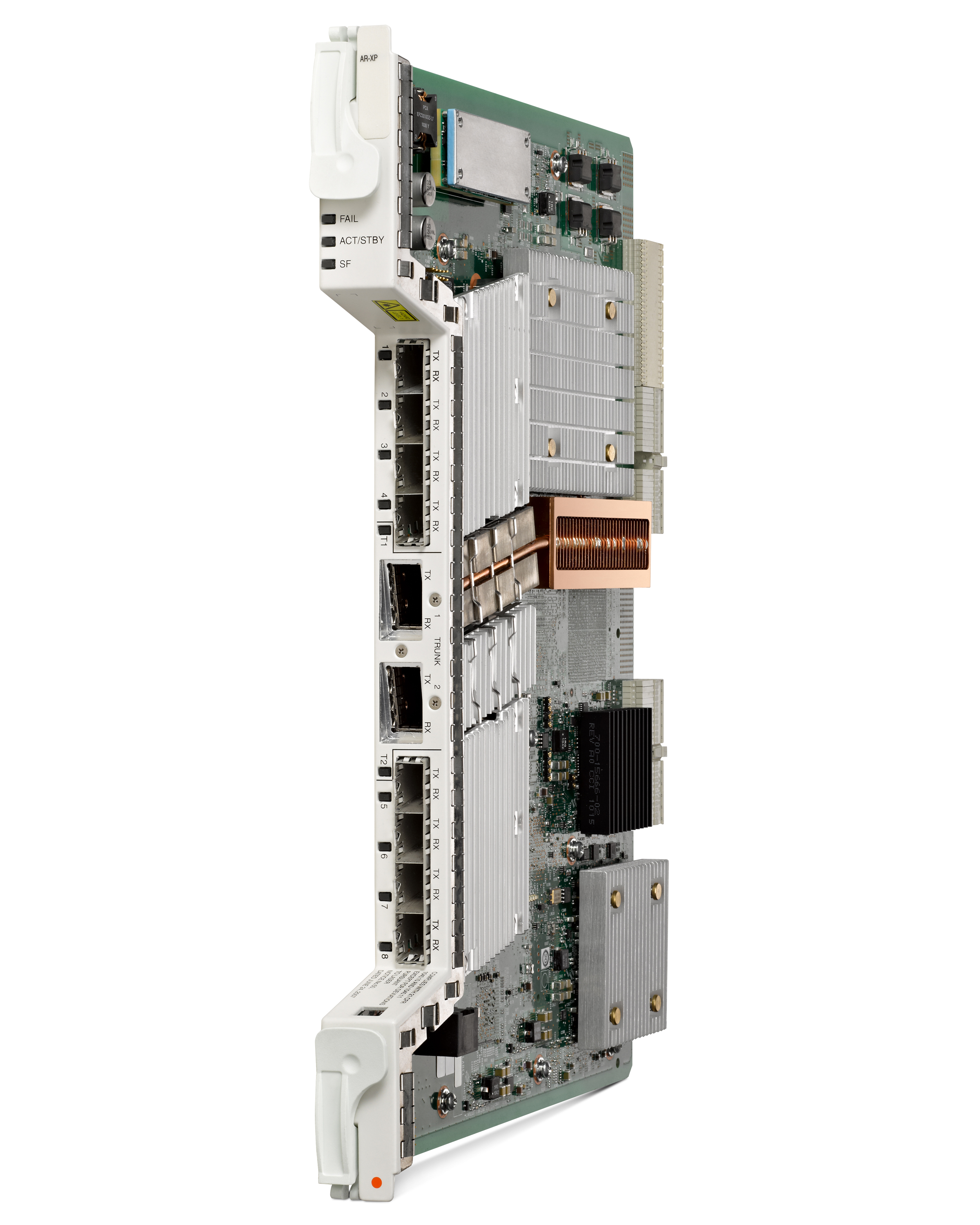
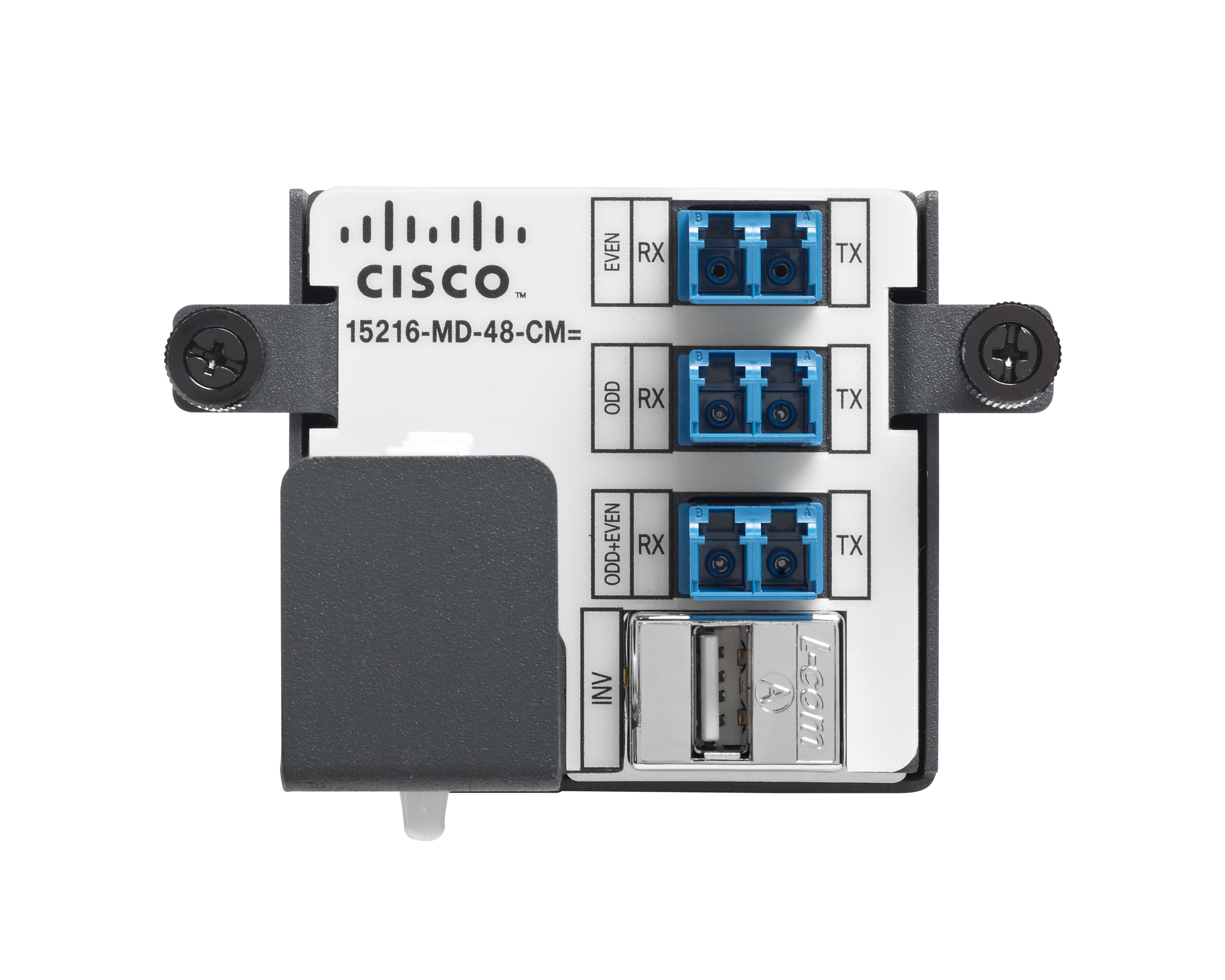
Cisco Optical Networking is a suite of products supporting data center networking, including the NCS 1000, 2000, 4000, 4200, and the Cisco Evolved Programmable Network Manager (Cisco EPN Manager), as well as Cisco ONS 15000 series platforms and devices.
A de minimis incentive was given to thank the reviewer for their time. The incentive was not used to bias or drive a particular response, nor was the incentive contingent on a positive endorsement. More Info
Well-suited for big companies like mine, where we have a lot of users that we have to connect together. Getting all the switches into one big stack that you can just manage all at one time is fantastic for ease of use. Not suited for maybe smaller mom and pop shops or smaller companies that don’t have as many. They could probably go with something much easier to manage.
A de minimis incentive was given to thank the reviewer for their time. The incentive was not used to bias or drive a particular response, nor was the incentive contingent on a positive endorsement. TR verified that a representative sample of customers was invited. More Info
Based on my experience, I think it's a goldmine for the experienced professional and a hectic job for newbies. I recommend newbies to have some experience and then jump to Cisco Optical Networking so that they can easily understand what they paid for and take the best out of it. It's best for network scalability so I highly recommend it to those who intend to scale their network in the near future however, if you know that your network will remain the same and you don't require it, there are cheaper options within Cisco.
A de minimis incentive was given to thank the reviewer for their time. The incentive was not used to bias or drive a particular response, nor was the incentive contingent on a positive endorsement. More Info
Easy-to-use management interfaces. The CLI commands go across the whole Cisco Catalyst Switches 9000 series, so it makes it easy, the code being the same on the 9000 series. Just being able to do port channels, trunks, and connecting up edge switches to it with the Cisco Catalyst Switches 9000 Series.
A de minimis incentive was given to thank the reviewer for their time. The incentive was not used to bias or drive a particular response, nor was the incentive contingent on a positive endorsement. More Info
A de minimis incentive was given to thank the reviewer for their time. The incentive was not used to bias or drive a particular response, nor was the incentive contingent on a positive endorsement. TR verified that a representative sample of customers was invited. More Info
One thing is that these, every time Cisco gets a new switch, they just make an amendment to the power supply, so they'll just put a knob on it. So let's say if you lose any power supply unit, you'll have to purchase another one, which costs a lot of extra money because we have a lot of another power supply units from the redundant, which we can use, but we can't now because they have just tweaked the modeling of that. Which makes no sense, particularly to me because it's an extra money making machine kind of a thing. But that's fine.
Another thing is these ports, I believe they are a bit less of, if I can say the quality of the oldest switches, they were quite sturdy. As I said earlier, the new switches, they're very light and when you lift them you feel it. So that's one thing, which I think the quality or the material which we are using has gone down.
A de minimis incentive was given to thank the reviewer for their time. The incentive was not used to bias or drive a particular response, nor was the incentive contingent on a positive endorsement. TR verified that a representative sample of customers was invited. More Info
A simplified management platform that provides services without having to invest In multiple products, each with an additional cost. The product should just come with the services and features.
Simplifying the BOM selection process. There are to many hidden part numbers you need to know.
A de minimis incentive was given to thank the reviewer for their time. The incentive was not used to bias or drive a particular response, nor was the incentive contingent on a positive endorsement. TR verified that a representative sample of customers was invited. More Info
They are consistently reliable and this switch in particular is a very affordable solution. We can place the Cisco Catalyst 1000 Series Switches gear in areas that we normally would not place a switch because it is affordable enough to make it justifiable. And because it is a reliable solution, we are confident it will continue to provide service over the long haul.
A de minimis incentive was given to thank the reviewer for their time. The incentive was not used to bias or drive a particular response, nor was the incentive contingent on a positive endorsement. TR verified that a representative sample of customers was invited. More Info
We will renew our use of Cisco Optical Networking due to its reliability in maintaining high-performance, low-latency connections, its scalability in supporting growing bandwidth demands, and its integration with existing Cisco infrastructure, which simplifies management and reduces operational complexity. Additionally, its robust security features and automation capabilities have enhanced network resilience, making it a valuable long-term solution for our expanding needs.
A de minimis incentive was given to thank the reviewer for their time. The incentive was not used to bias or drive a particular response, nor was the incentive contingent on a positive endorsement. More Info
Cisco by and far does a great job with the Catalyst line. From a layer 2 dumb switch all the way up to ISP carrier grade switching within the Catalyst portfolio. The best part about it is command parity among the various tiers of product. The only differences are going to lie in what features are available per switch.
A de minimis incentive was given to thank the reviewer for their time. The incentive was not used to bias or drive a particular response, nor was the incentive contingent on a positive endorsement. More Info
It just works depending on what your requirement is. Cisco also provides a well formed cheat sheet on which gear to use for which scenario. Very convenient. It makes my job as a Sales Engineer easier when I have a short timeline to get a solution designed. It is also build well enough to be used in austere environments.
A de minimis incentive was given to thank the reviewer for their time. The incentive was not used to bias or drive a particular response, nor was the incentive contingent on a positive endorsement. More Info
We have very few is any outages due to a Cisco hardware failure. Some of our gear is exposed to some pretty harsh environments, and they keep on ticking!
A de minimis incentive was given to thank the reviewer for their time. The incentive was not used to bias or drive a particular response, nor was the incentive contingent on a positive endorsement. TR verified that a representative sample of customers was invited. More Info
No, the packets flow. Sometimes you will see collisions and broadcast storms can happen which will slow performance but that can be fixed and the packets will flow.
A de minimis incentive was given to thank the reviewer for their time. The incentive was not used to bias or drive a particular response, nor was the incentive contingent on a positive endorsement. More Info
We rarely have issues with the product. I have only had to contact support one time since we put it in and that was to see if another vendor was giving me accurate information on an issue I was having.
A de minimis incentive was given to thank the reviewer for their time. The incentive was not used to bias or drive a particular response, nor was the incentive contingent on a positive endorsement. More Info
I would rate the overall support for Cisco Optical Networking at 9/10. The support team is highly responsive, knowledgeable, and effective in resolving issues quickly. Cisco’s comprehensive online resources, documentation, and community forums also make it easy to find solutions. However, there is always room for improvement in terms of response time during peak periods.
A de minimis incentive was given to thank the reviewer for their time. The incentive was not used to bias or drive a particular response, nor was the incentive contingent on a positive endorsement. More Info
Cisco Networking Academy partners with many local Colleges and High Schools to provide great hands-on training. You do need to drive to learn the topic. The in-class session only go so far. You really need to apply this to the real world. Cisco makes it easy for business to connect via CLC or Cisco Learning Credits.
A de minimis incentive was given to thank the reviewer for their time. The incentive was not used to bias or drive a particular response, nor was the incentive contingent on a positive endorsement. More Info
A de minimis incentive was given to thank the reviewer for their time. The incentive was not used to bias or drive a particular response, nor was the incentive contingent on a positive endorsement. TR verified that a representative sample of customers was invited. More Info
The implementation of the Cisco Catalyst 1000 Series Switches is fairly seamless, especially if you are familiar with Cisco products. We have had Brocade switch gear in place too, and the differences between the manufacturers [are] not a major issue.
A de minimis incentive was given to thank the reviewer for their time. The incentive was not used to bias or drive a particular response, nor was the incentive contingent on a positive endorsement. TR verified that a representative sample of customers was invited. More Info
2960s, 9200s, 9400s, 3650s, 3800s. I think that this product is a lot better. I know I just complained about the noise, but it’s still much quieter than our other ones. So we do have a couple of public deployments, and once we swap these out, they complained less. Sometimes we have small offices that get the gear in with them, and these sound less like a jet engine. And yeah, these are a lot easier to manage as well. Everything in the same family. It’s a lot.
A de minimis incentive was given to thank the reviewer for their time. The incentive was not used to bias or drive a particular response, nor was the incentive contingent on a positive endorsement. More Info
We selected Cisco Optical Networking after evaluating alternatives such as Ciena, Nokia, and Infinera. Cisco stood out for its seamless integration with our existing network infrastructure, which already relied heavily on Cisco solutions. This made deployment and management significantly easier. The Cisco NCS 2000 series offered flexible ROADM capabilities, allowing us to scale bandwidth dynamically without extensive infrastructure changes. Additionally, Cisco’s Evolved Programmable Network Manager (EPNM) provided intuitive management and automation, streamlining provisioning and monitoring tasks. While Ciena’s WaveLogic Ai impressed us with its adaptive modulation and Nokia’s 1830 PSS offered strong scalability, both required more complex configurations that didn’t align as well with our existing setup. Infinera’s GX Series excelled in long-haul capacity, but Cisco’s modular design better suited our evolving bandwidth needs. Ultimately, Cisco Optical Networking provided the best combination of scalability, integration ease, and operational efficiency, making it the ideal choice for our organization.
A de minimis incentive was given to thank the reviewer for their time. The incentive was not used to bias or drive a particular response, nor was the incentive contingent on a positive endorsement. More Info
We are exclusive Cisco at our organization. In truth part of the reason is, with one type of switch and one manufacturer, it is easier to support. It is also easier to give consistent training to our staff in our tech department
A de minimis incentive was given to thank the reviewer for their time. The incentive was not used to bias or drive a particular response, nor was the incentive contingent on a positive endorsement. TR verified that a representative sample of customers was invited. More Info
A de minimis incentive was given to thank the reviewer for their time. The incentive was not used to bias or drive a particular response, nor was the incentive contingent on a positive endorsement. More Info
The best impact it had was to lower my network maintenance cost by the time span of more than a year
It might look a bit pricey at the beginning, but along with time, you'll feel that you're actually saving a lot of your time and money in terms of network management
A de minimis incentive was given to thank the reviewer for their time. The incentive was not used to bias or drive a particular response, nor was the incentive contingent on a positive endorsement. More Info