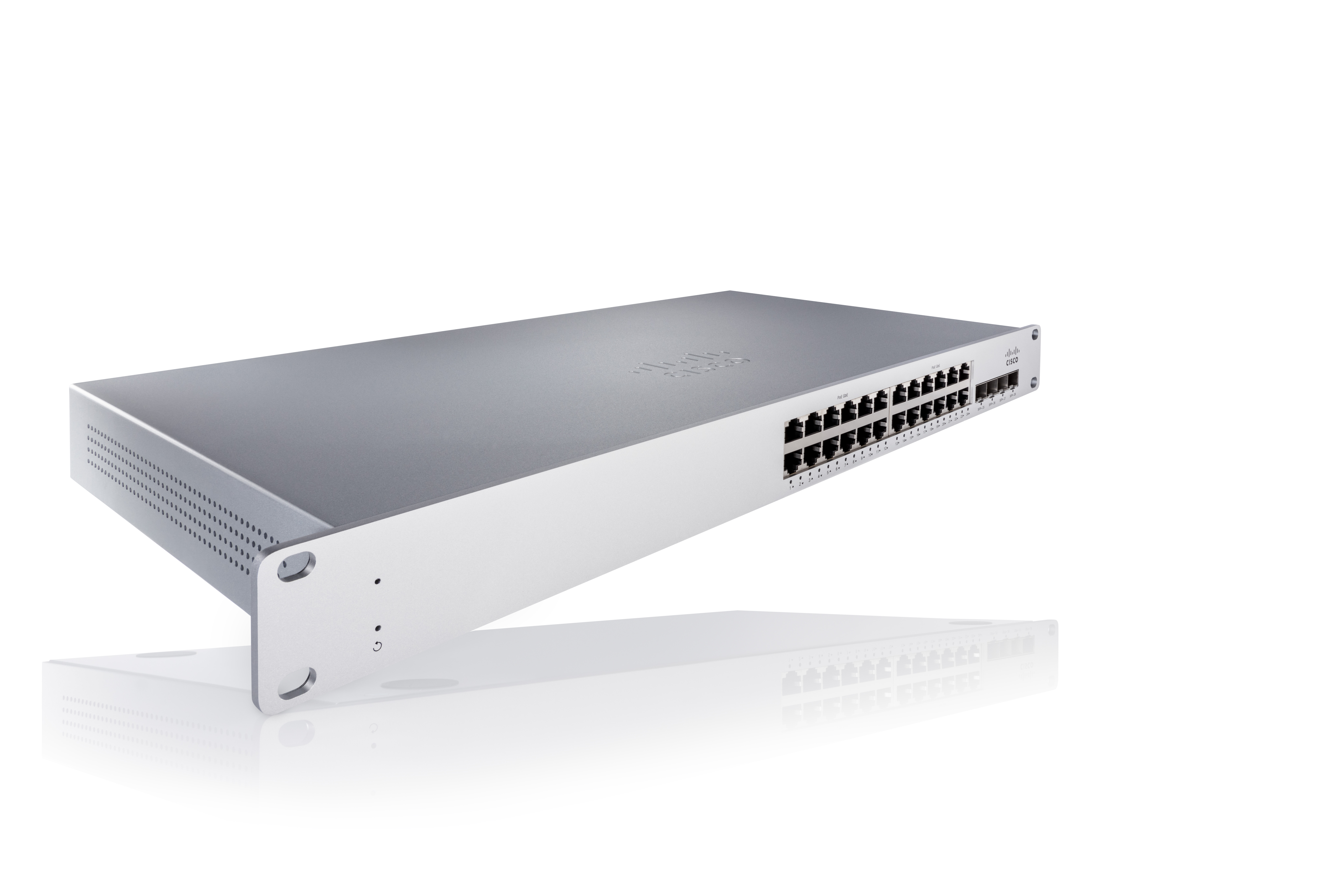
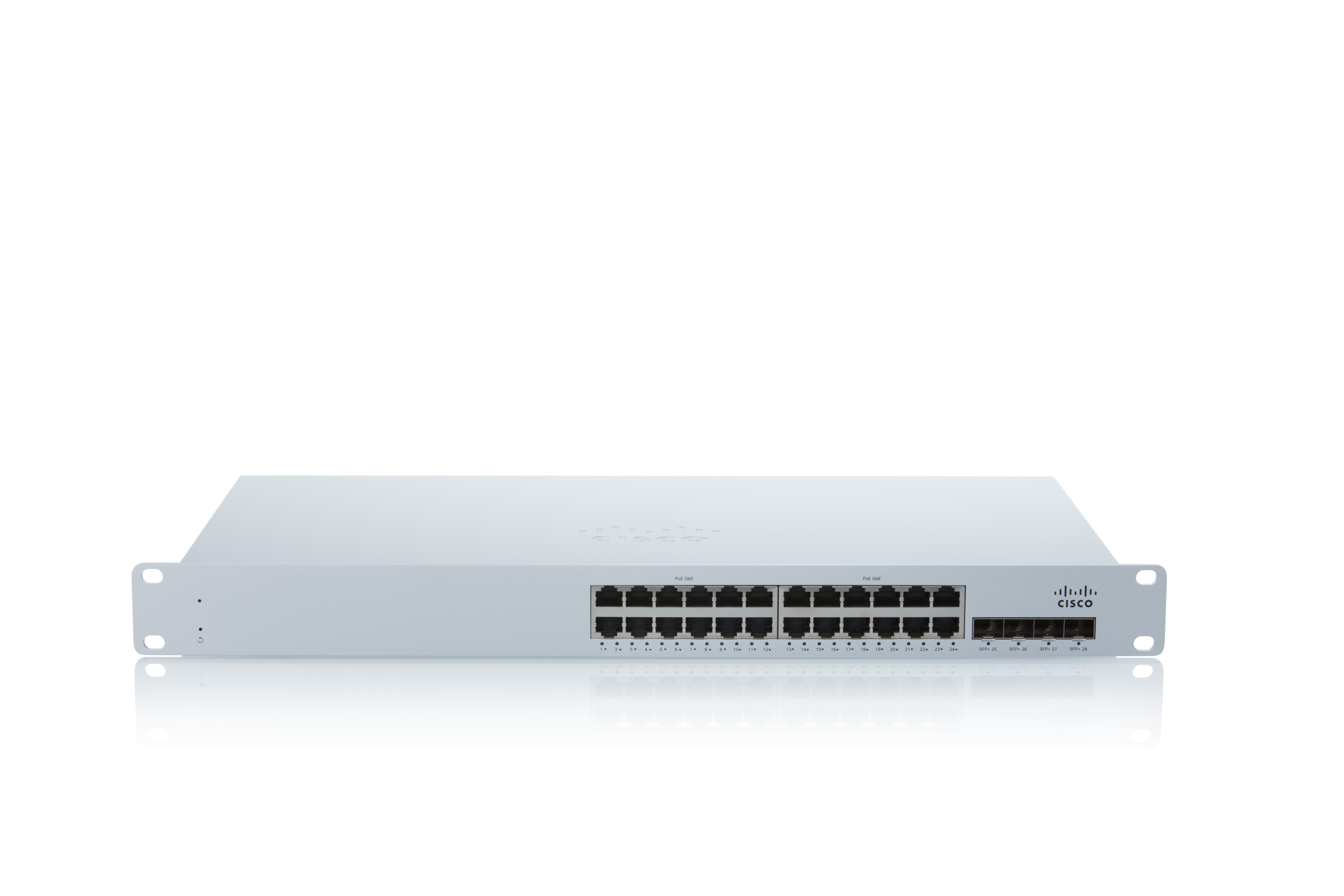
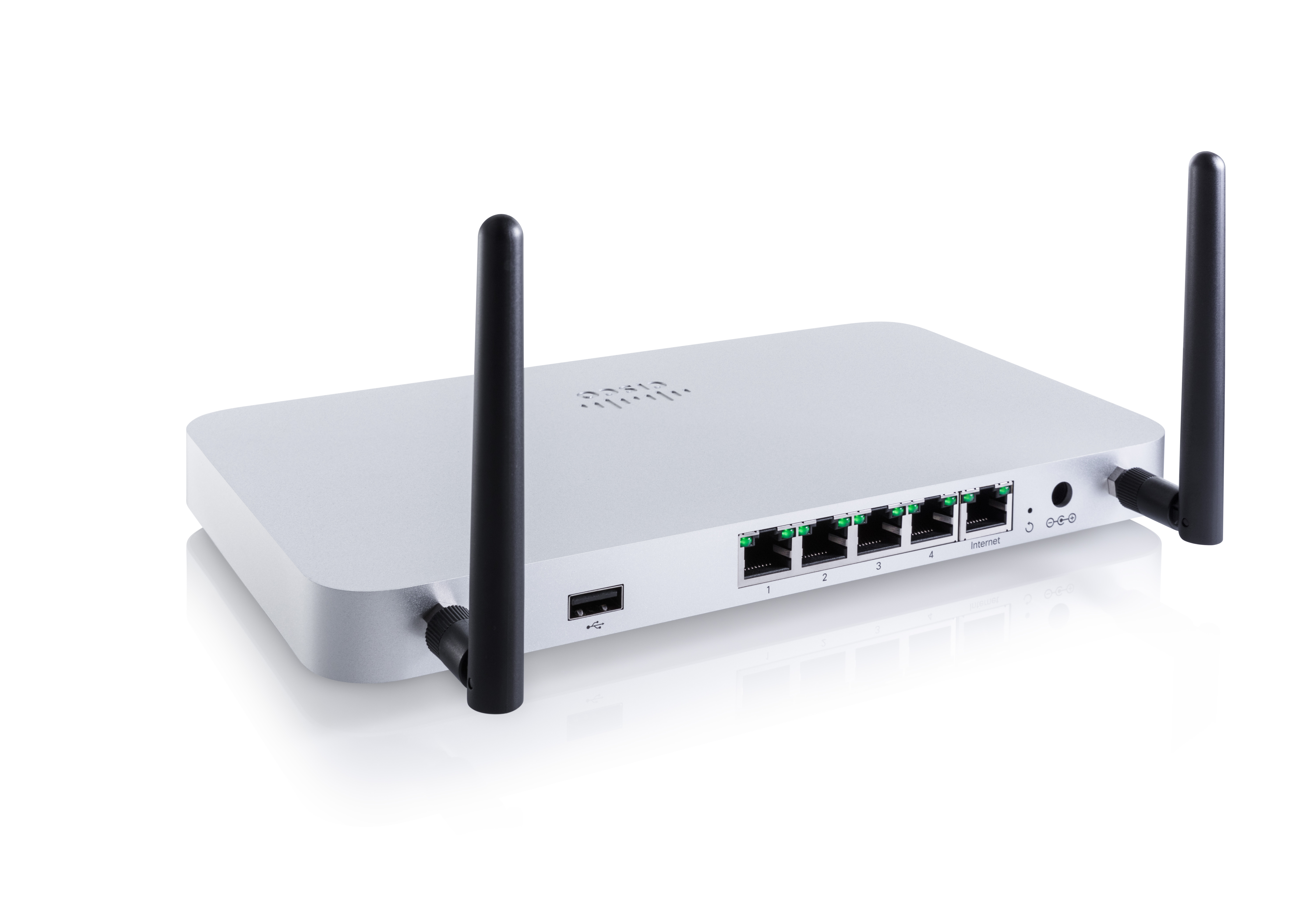
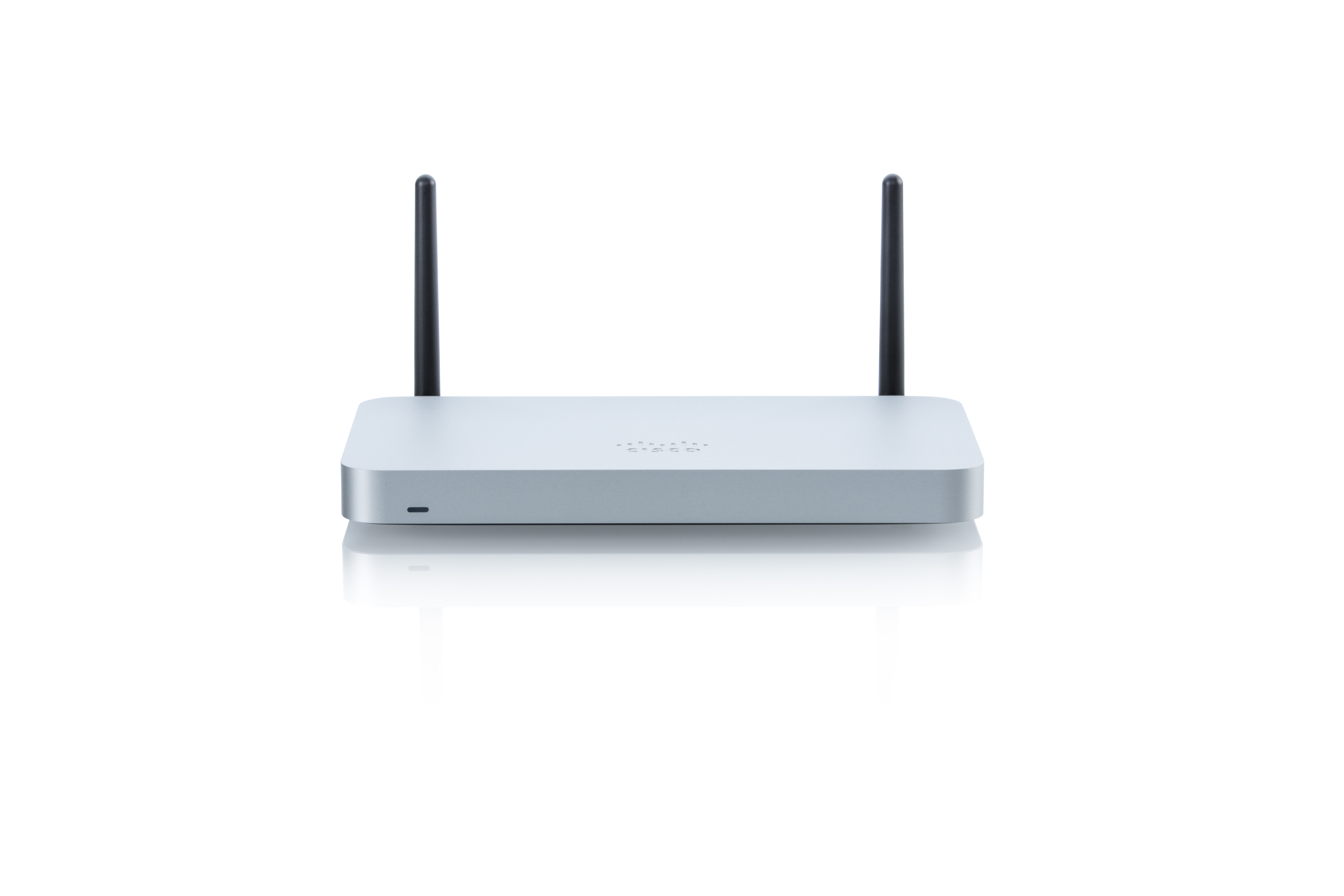
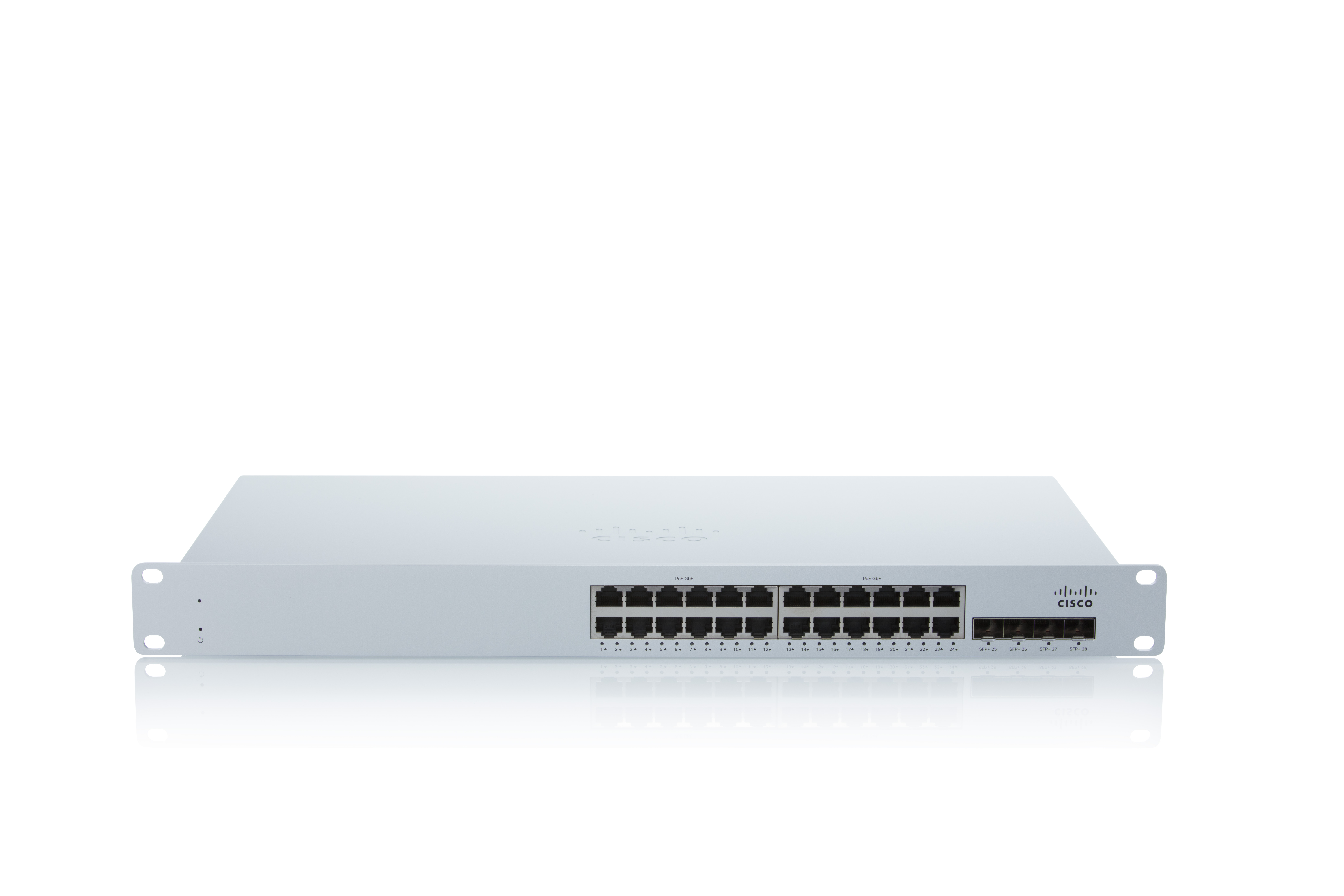
As a cloud-managed network management solution, the Cisco Meraki Dashboard enables users to provision, configure, and troubleshoot global networking and IoT deployments.
N/A
Riverbed Modeler (discontinued)
Score6 out of 10
N/A
Riverbed Modeler provided a comprehensive development environment to model and analyze communication networks and distributed systems. The application has been sunsetted, and is no longer available.
Well suited is if you do configuration one time and roll out to multiple sites, multiple networks, multiple wireless S societies. You create a profile and rollout, and you use automation that takes care of a lot of your manual work. So it's pretty suitable for those divers. Anything related to customization that a Cisco Meraki Dashboard doesn't offer and you use your other automation tool, I think there is an improvement for Cisco Meraki Dashboard to involve all those features and integrate with other third party services.
A de minimis incentive was given to thank the reviewer for their time. The incentive was not used to bias or drive a particular response, nor was the incentive contingent on a positive endorsement. More Info
Riverbed Modeler is well suited for wireless, wired, ZigBee, and Cisco networks. All these scenarios are efficiently designed and simulated using Riverbed Modeler, as all the devices are available in its object pallet, so we just need to drag and drop for the best scenario design in the given dimensions. The simulation results are around 95% accurate. However, it is not suited for data security, as data encryption algorithms are not available in Riverbed Modeler.
A de minimis incentive was given to thank the reviewer for their time. The incentive was not used to bias or drive a particular response, nor was the incentive contingent on a positive endorsement. More Info
Oh, just the ease of use. I am not an IT technical expert by trade—I’m more on the leadership side. So this makes it easy for me to understand everything that is going on and be able to provide an honest review of how the organization is doing at that particular time.
A de minimis incentive was given to thank the reviewer for their time. The incentive was not used to bias or drive a particular response, nor was the incentive contingent on a positive endorsement. More Info
A de minimis incentive was given to thank the reviewer for their time. The incentive was not used to bias or drive a particular response, nor was the incentive contingent on a positive endorsement. TR verified that a representative sample of customers was invited. More Info
Riverbed Modeler needs to improve the scenarios of LAN MAN WAN, as the available scenarios under all of these follow a simple area structure that's not connected to the ISP when it comes to simulation. This generates dummy traffic.
Riverbed Modeler also needs to work on the selection of result sets so that, as with most designed networks, we can select any result parameter to show. All the parameters are displayed, whether they are relevant or not. It needs to display only relevant result parameters to select.
The back-end TCP/IP model needs more clarity to expose the structure to some changes.
A de minimis incentive was given to thank the reviewer for their time. The incentive was not used to bias or drive a particular response, nor was the incentive contingent on a positive endorsement. More Info
A de minimis incentive was given to thank the reviewer for their time. The incentive was not used to bias or drive a particular response, nor was the incentive contingent on a positive endorsement. TR verified that a representative sample of customers was invited. More Info
Cisco Meraki Dashboard is a modern interface that makes it easy to find devices and their health status. It has powerful remote tools that can help you manage every aspect of the network at a granular level. Something that may be frustrating is that some advanced settings are sometimes oversimplified, and the customization is limited.
A de minimis incentive was given to thank the reviewer for their time. The incentive was not used to bias or drive a particular response, nor was the incentive contingent on a positive endorsement. TR verified that a representative sample of customers was invited. More Info
A de minimis incentive was given to thank the reviewer for their time. The incentive was not used to bias or drive a particular response, nor was the incentive contingent on a positive endorsement. TR verified that a representative sample of customers was invited. More Info
Cisco Meraki Dashboard is easy to use compared to other vendors. They do not have all the intricate configurations offered by products from competitors, but for the price point and what it gives you there is nothing better. The lower learning curve with onboarding a new hire and get them familiar with Meraki is much easier which our company loves.
A de minimis incentive was given to thank the reviewer for their time. The incentive was not used to bias or drive a particular response, nor was the incentive contingent on a positive endorsement. TR verified that a representative sample of customers was invited. More Info
The only thing comparable to OPNET is Packet Tracer, which is basic and very limited. Packet Tracer in terms of tool comparison between the two is like OPNET's stone-age relative.
A de minimis incentive was given to thank the reviewer for their time. The incentive was not used to bias or drive a particular response, nor was the incentive contingent on a positive endorsement. More Info
When there's an issue with communication to the cloud. EX: unable to fetch configs. This due to like new device being installed or if you have to factory reset the device. This has been a negative impact.
Incorrect status. Sometimes the status of the device or network is not reflected as it should be. This has had a negative impact in the past. However, for the most part, the Status is fairly accurate.
Incident response has been very good. Anytime an issue has been reported to Cisco regarding Cisco Meraki Dashboard, the issue is quickly investigated and doesn't take long to resolve.
Customer support and Cisco's technical team has been very helpful and responsive.
A de minimis incentive was given to thank the reviewer for their time. The incentive was not used to bias or drive a particular response, nor was the incentive contingent on a positive endorsement. TR verified that a representative sample of customers was invited. More Info
It comes with a costly paid license, but simulating the network before actual deployment saves a lot of costs, in case after deployment we feel performance is not good and we need to change. This would waste a lot of money, but Riverbed saves this money.
Its OPNET GURU academic edition is available free of cost, but with limited functionality, which is good for students in maximum case. This will degrade our sale of Riverbed Modeler.
A one-time investment in Modeler saves a lot of cost regarding networks, topology, designing, and provides a lifetime license with updates.
A de minimis incentive was given to thank the reviewer for their time. The incentive was not used to bias or drive a particular response, nor was the incentive contingent on a positive endorsement. More Info