
Collibra Platform vs. ER/Studio vs. Informatica Cloud Data Quality
Collibra Platform vs. ER/Studio vs. Informatica Cloud Data Quality
| Product | Rating | Most Used By | Product Summary | Starting Price |
|---|---|---|---|---|
 Collibra Platform | N/A | The Collibra Platform is a cloud-based data governance platform from the company of the same name in Brussels, enabling users to gain visibility into their data, collaborate intelligently and enable users to easily access trustworthy data, automate processes, manage compliance and, ultimately, make data meaningful. | N/A | |
 ER/Studio | N/A | ER/Studio is a database development and management tool from Embarcadero Technologies (acquired by Idera) in California. | $2,687 per year per user | |
 Informatica Cloud Data Quality | N/A | The vendor states that Informatica Data Quality empowers companies to take a holistic approach to managing data quality across the entire organization, and that with Informatica Data Quality, users are able to ensure the success of data-driven digital transformation initiatives and projects across users, types, and scale, while also automating mission-critical tasks. | N/A |
| Collibra Platform | ER/Studio | Informatica Cloud Data Quality | ||||||||||||||||||||||
|---|---|---|---|---|---|---|---|---|---|---|---|---|---|---|---|---|---|---|---|---|---|---|---|---|
| Editions & Modules | No answers on this topic |
| No answers on this topic | |||||||||||||||||||||
| Offerings |
| |||||||||||||||||||||||
| Entry-level Setup Fee | No setup fee | No setup fee | No setup fee | |||||||||||||||||||||
| Additional Details | — | Pricing for new customers only, first year maintenance included. Maintenance includes access to technical support and product updates for the defined period of the agreement. | — | |||||||||||||||||||||
| More Pricing Information | ||||||||||||||||||||||||
| Collibra Platform | ER/Studio | Informatica Cloud Data Quality |
|---|
| Collibra Platform | ER/Studio | Informatica Cloud Data Quality | |||||||||||||||||||||||||||
|---|---|---|---|---|---|---|---|---|---|---|---|---|---|---|---|---|---|---|---|---|---|---|---|---|---|---|---|---|---|
| Data Quality |
|
| Collibra Platform | ER/Studio | Informatica Cloud Data Quality | |
|---|---|---|---|
| Small Businesses |  Egnyte Score 9.5 out of 10 | No answers on this topic |  HubSpot Data Hub Score 8.3 out of 10 |
| Medium-sized Companies |  IBM InfoSphere Information Server Score 8.0 out of 10 | No answers on this topic | IBM InfoSphere Information Server Score 8.0 out of 10 |
| Enterprises | IBM InfoSphere Information Server Score 8.0 out of 10 | No answers on this topic | IBM InfoSphere Information Server Score 8.0 out of 10 |
| All Alternatives | View all alternatives | View all alternatives | View all alternatives |
| Collibra Platform | ER/Studio | Informatica Cloud Data Quality | |
|---|---|---|---|
| Likelihood to Recommend | 10.0 (1 ratings) | 8.0 (5 ratings) | 9.0 (19 ratings) |
| Likelihood to Renew | - (0 ratings) | - (0 ratings) | 6.6 (14 ratings) |
| Usability | - (0 ratings) | - (0 ratings) | 8.0 (1 ratings) |
| Availability | - (0 ratings) | - (0 ratings) | 9.0 (2 ratings) |
| Performance | - (0 ratings) | - (0 ratings) | 9.0 (1 ratings) |
| Support Rating | - (0 ratings) | 9.0 (1 ratings) | - (0 ratings) |
| Online Training | - (0 ratings) | - (0 ratings) | 10.0 (1 ratings) |
| Implementation Rating | - (0 ratings) | - (0 ratings) | 10.0 (1 ratings) |
| Product Scalability | - (0 ratings) | - (0 ratings) | 9.0 (1 ratings) |
| Collibra Platform | ER/Studio | Informatica Cloud Data Quality | |
|---|---|---|---|
| Likelihood to Recommend | Collibra
 Ron Layne Manager, Data Quality and Governance |  Idera, Inc.
 Jody Gitchel Senior Data Solutions Architect |  Informatica
 Angel Caroline Information Technology Consultant |
| Pros | Collibra
Ron Layne Manager, Data Quality and Governance | Idera, Inc.
| Informatica
|
| Cons | Collibra
Ron Layne Manager, Data Quality and Governance | Idera, Inc.
 Jay Coppola Database Architect | Informatica
|
| Likelihood to Renew | Collibra No answers on this topic | Idera, Inc. No answers on this topic | Informatica
 Satish Yasumreddy Etl Lead |
| Usability | Collibra No answers on this topic | Idera, Inc. No answers on this topic | Informatica
|
| Reliability and Availability | Collibra No answers on this topic | Idera, Inc. No answers on this topic | Informatica
|
| Performance | Collibra No answers on this topic | Idera, Inc. No answers on this topic | Informatica
|
| Support Rating | Collibra No answers on this topic | Idera, Inc.
Jay Coppola Database Architect | Informatica No answers on this topic |
| Alternatives Considered | Collibra
Ron Layne Manager, Data Quality and Governance | Idera, Inc.
 Michael Romm Principal Data Architect | Informatica
|
| Scalability | Collibra No answers on this topic | Idera, Inc. No answers on this topic | Informatica
|
| Return on Investment | Collibra
Ron Layne Manager, Data Quality and Governance | Idera, Inc.
 Praveena Amancha Senior Informatica Developer | Informatica
|
| ScreenShots | ER/Studio Screenshots  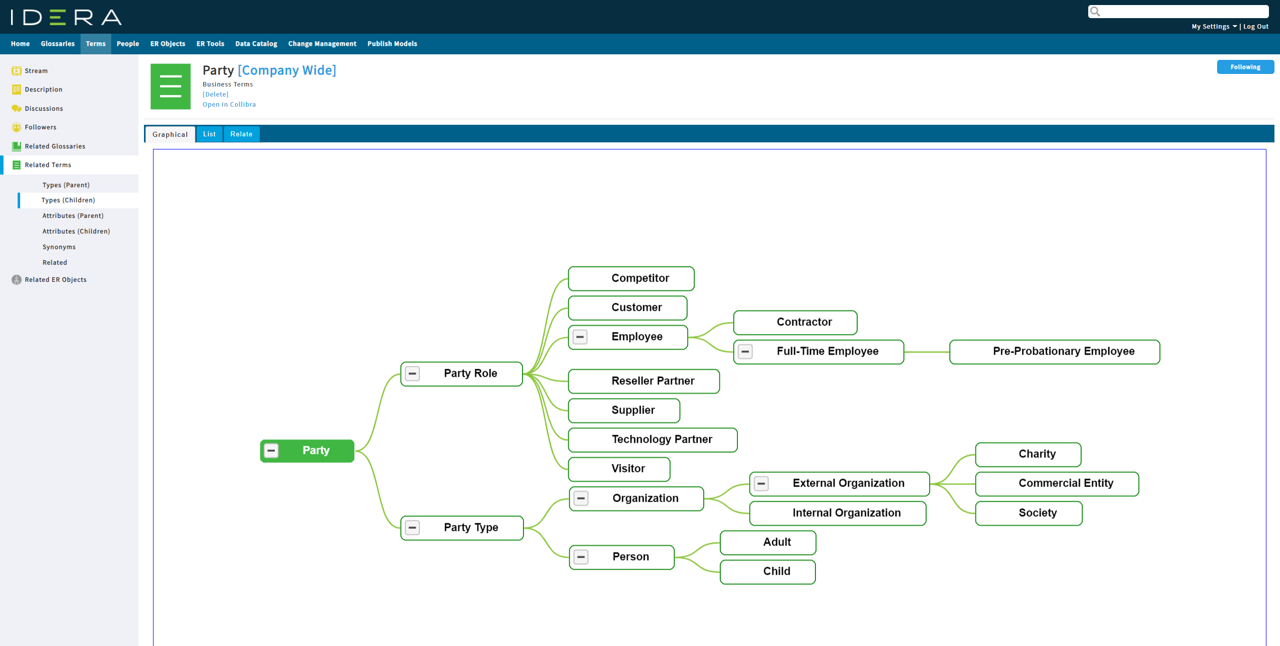 |