
DBeaver vs. Redgate Flyway
| Product | Rating | Most Used By | Product Summary | Starting Price |
|---|---|---|---|---|
 DBeaver | Score8.6 out of 10 | N/A | DBeaver offers comprehensive data management tools designed to help teams explore, process, and administrate SQL, NoSQL, and cloud data sources. DBeaver is available commercially as DBeaver PRO and for free as DBeaver Community. | $11 per month per user |
 Redgate Flyway | Score9 out of 10 | N/A | Redgate Flyway extends DevOps practices to databases to speed up software delivery while keeping business-critical data safe. From version control to continuous delivery, Redgate Flyway helps enterprises build on application delivery processes to automate database development and deployments. | $0 |
| DBeaver | Redgate Flyway | |||||||||||||||
|---|---|---|---|---|---|---|---|---|---|---|---|---|---|---|---|---|
| Editions & Modules |
|
| ||||||||||||||
| Offerings |
| |||||||||||||||
| Entry-level Setup Fee | No setup fee | Optional | ||||||||||||||
| Additional Details | Discounts are available for multi-user licenses. | — | ||||||||||||||
| More Pricing Information | ||||||||||||||||
| DBeaver | Redgate Flyway | |
|---|---|---|
| Considered Both Products | No answer on this topic | No answer on this topic |
| Key User Insights | ||
| Would buy again | ||
100% Would buy again 9 Answers | 100% Would buy again 7 Answers | |
| Delivers good value for the price | ||
100% Delivers good value for the price 9 Answers | 100% Delivers good value for the price 7 Answers | |
| Happy with the feature set | ||
100% Happy with the feature set 9 Answers | 100% Happy with the feature set 7 Answers | |
| Lived up to sales and marketing promises | ||
100% Lived up to sales and marketing promises 7 Answers | 100% Lived up to sales and marketing promises 6 Answers | |
| Implementation went as expected | ||
100% Implementation went as expected 8 Answers | 86% Implementation went as expected 6 Answers | |
| DBeaver | Redgate Flyway | |||||||||||||||||||
|---|---|---|---|---|---|---|---|---|---|---|---|---|---|---|---|---|---|---|---|---|
| Database Development |
| |||||||||||||||||||
| Database Administration |
| |||||||||||||||||||
| DBeaver | Redgate Flyway | |
|---|---|---|
| Small Businesses |  Sequel Pro Score9.5 out of 10 | No answers on this topic |
| Medium-sized Companies |  Oracle Autonomous Database Score8.5 out of 10 |  Toad Database Developer Tools Score9.2 out of 10 |
| Enterprises | Oracle Autonomous Database Score8.5 out of 10 | Toad Database Developer Tools Score9.2 out of 10 |
| All Alternatives | View all alternatives | View all alternatives |
| DBeaver | Redgate Flyway | |
|---|---|---|
| Likelihood to Recommend | 9.0 | 9.0 |
| Usability | 8.5 | 9.1 |
| Support Rating | 6.0 | - |
| DBeaver | Redgate Flyway | |
|---|---|---|
| Likelihood to Recommend |
|
|
| Pros |
|
|
| Cons |
|
|
| Usability |
|
|
| Support Rating |
| No answers on this topic |
| Alternatives Considered |
|
|
| Return on Investment |
|
|
| ScreenShots | Redgate Flyway Screenshots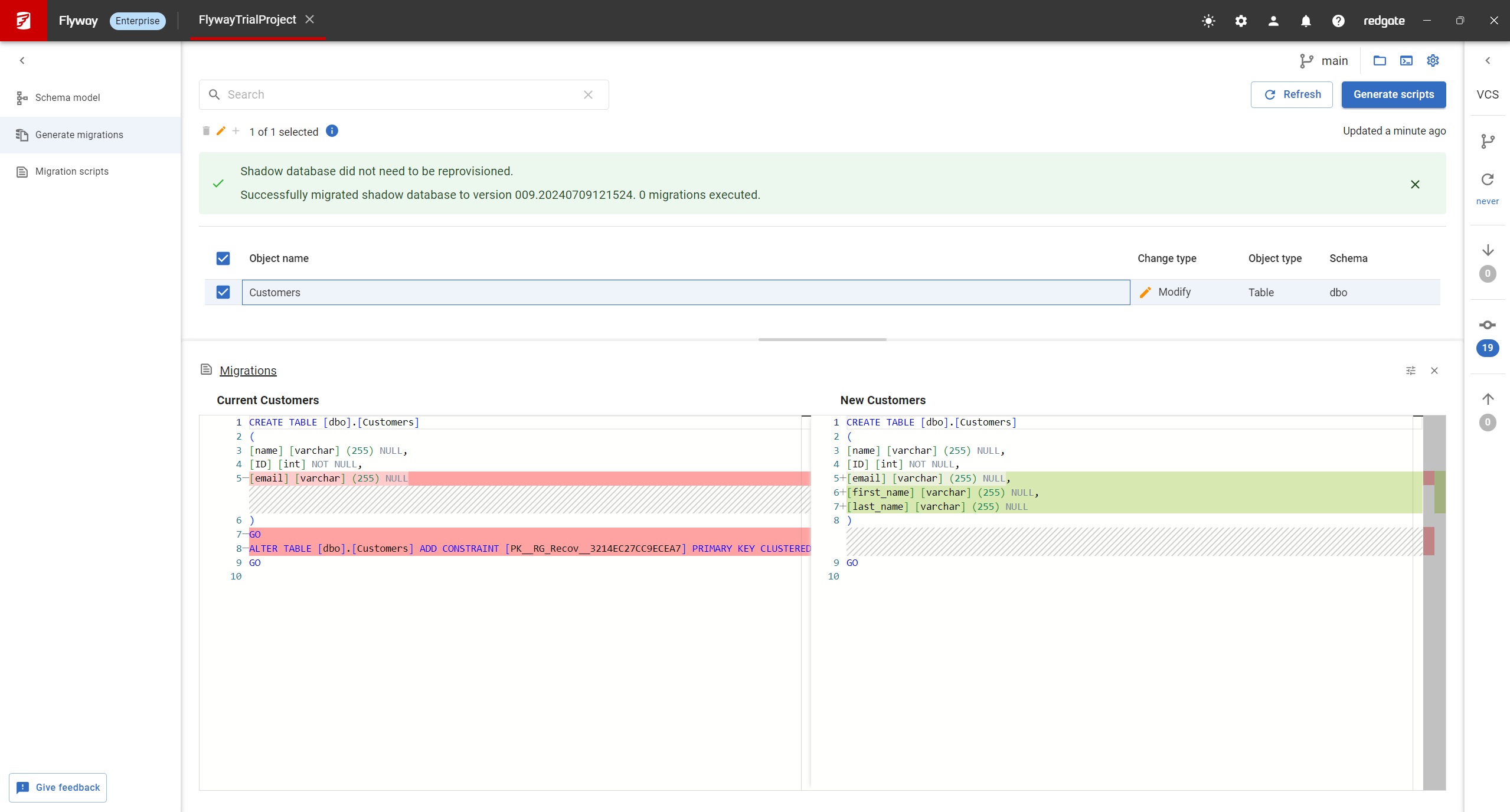 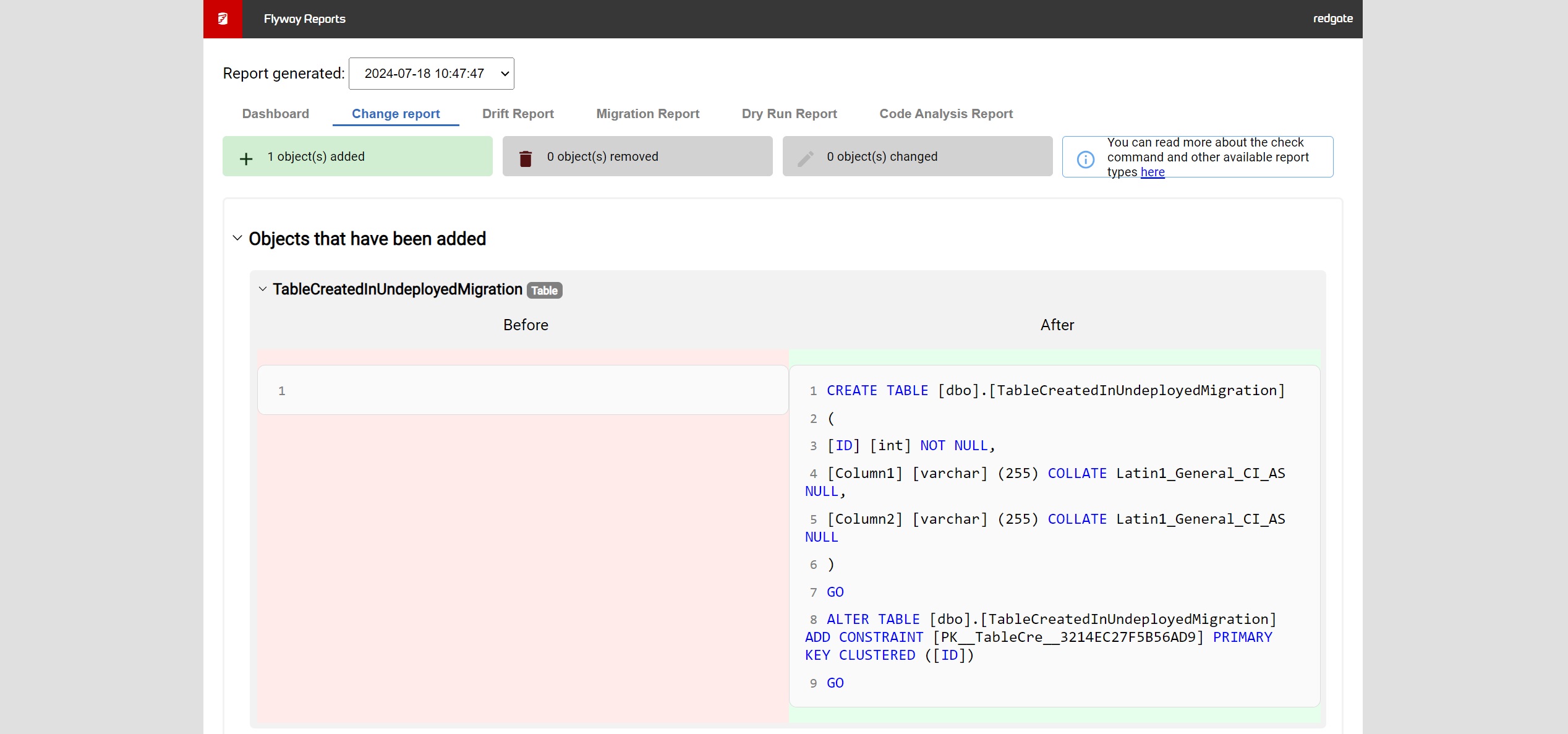 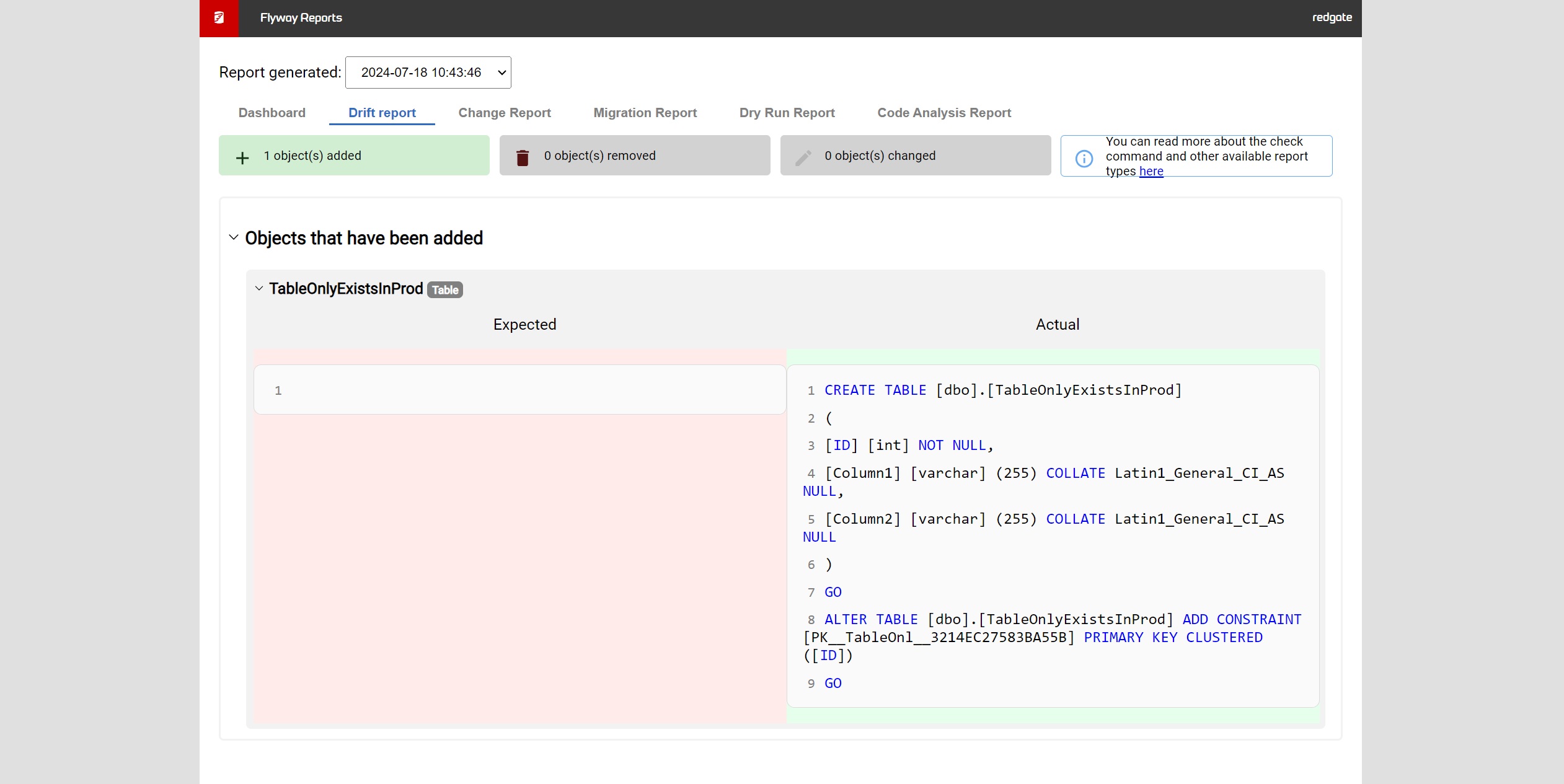 |


