Displayr is a survey data discovery and visualization tool, with free tools for publishing dashboards, reports and infographics (e.g. charts, and graphs) to the web or other repositories for sharing and demonstration, as well as support for analysis of large datasets (more than 1,000 rows and 100 column) on paid plans.
N/A
Logi Symphony
Score8.9 out of 10
N/A
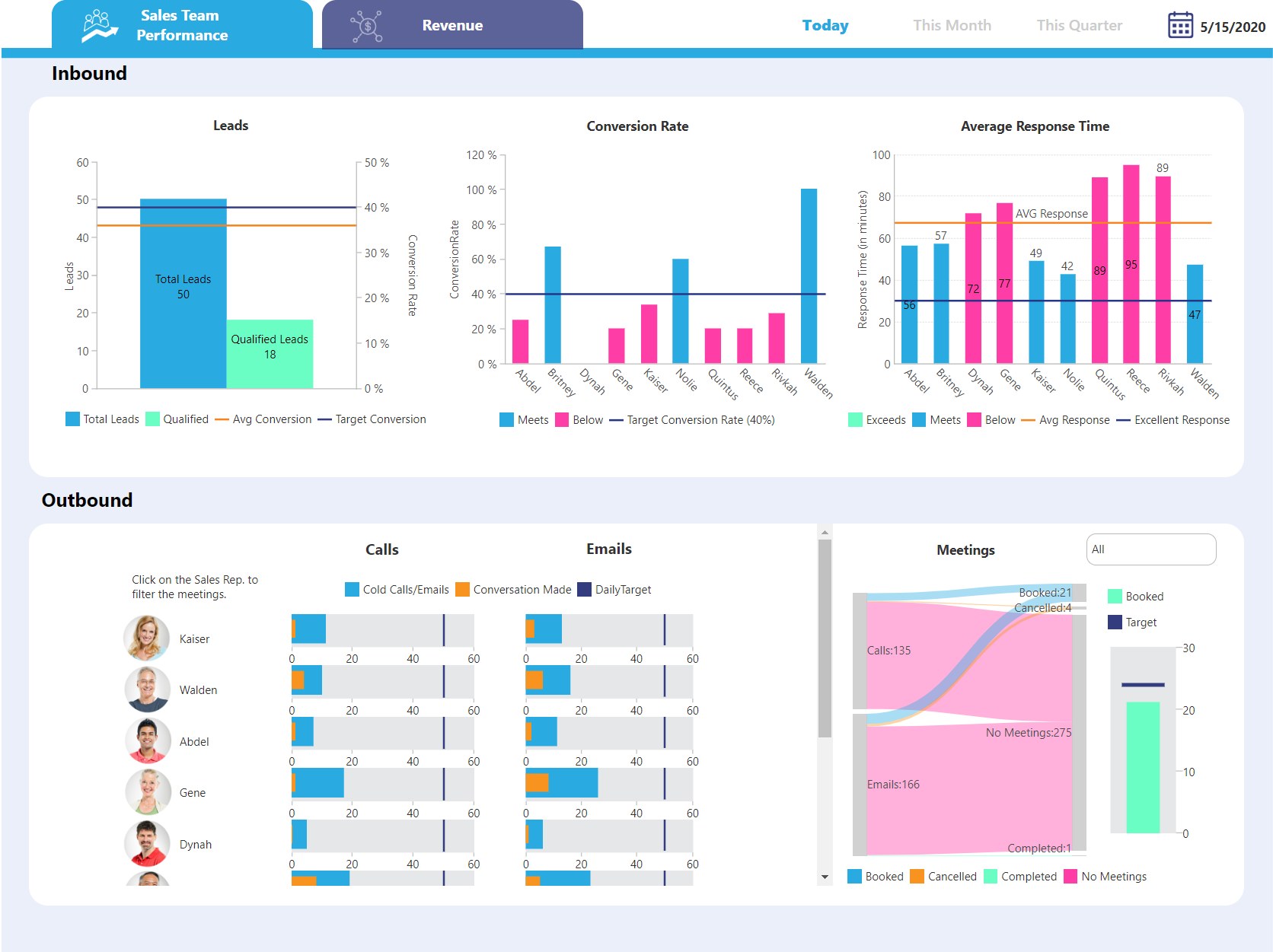
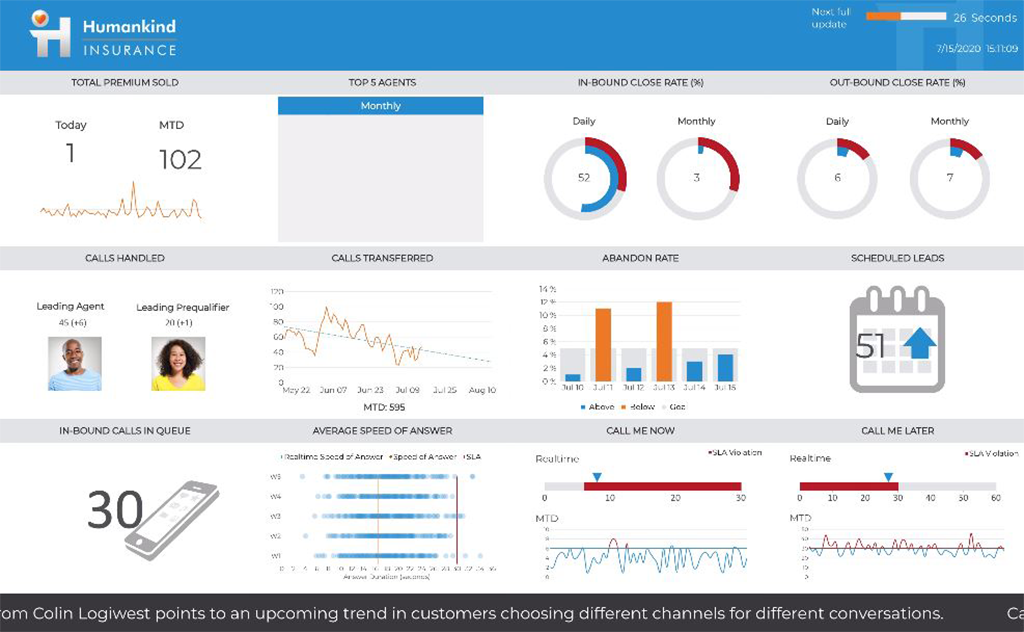
Logi Symphony is a business intelligence and data visualization software that includes customizable dashboards, reporting, and visual data analytics. It can be integrated into users’ existing business applications and its visualization and reporting tools can be customized.
Displayr is perfectly suited for any insights or data people that understand the type of analysis they want to do, but don't know R code - or just want to get to results more quickly than coding themselves. It's probably not the best learning ground, if you've never done any quantitative analysis before, but then neither are traditional tools like SPSS or Q.
A de minimis incentive was given to thank the reviewer for their time. The incentive was not used to bias or drive a particular response, nor was the incentive contingent on a positive endorsement. More Info
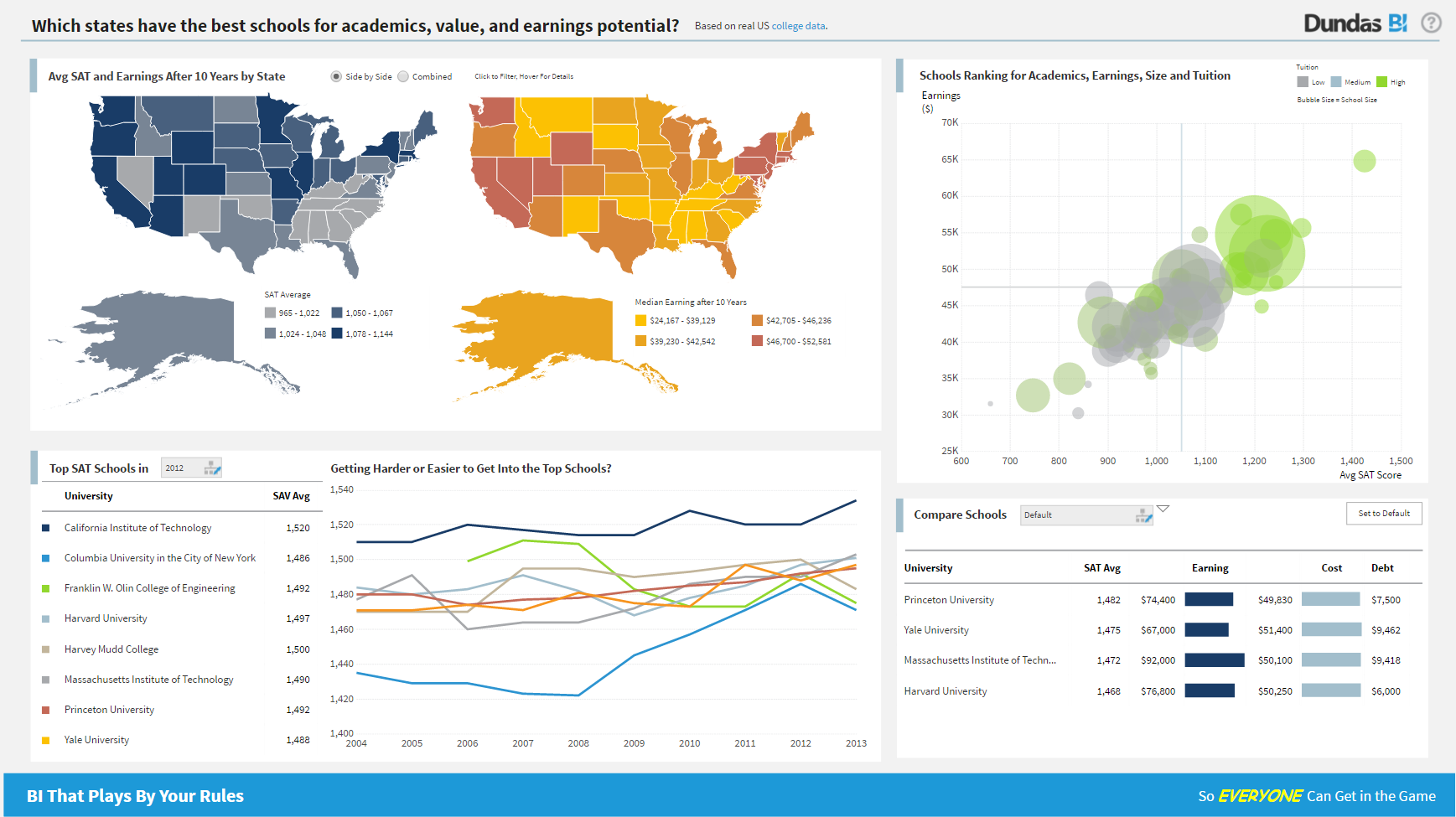
For all the scenarios I have so far worked on or I am currently working on, Dundas BI has proved to be more than adequate and apt to handle all of those. It is a very easy-to-use tool with quick shortcuts enabling you to prepare ad-hoc reports or dashboards in a matter of minutes.
A de minimis incentive was given to thank the reviewer for their time. The incentive was not used to bias or drive a particular response, nor was the incentive contingent on a positive endorsement. More Info
The intuitive interface and menus make it easy to quickly learn Displayr and find the types of data transformation or analysis that we're looking to do.
The support level from Displayr's team is FIRST CLASS. Where othe platforms force you to an FAQ or AI chat bot, Displayr's team will jump in first hand, into our data, or on a live call, and help us run a new type of analysis or troubleshoot a problem.
The ability to work collaboratively, asynchronously and remotely, on the same data set and report is a really huge plus for us.
The in-built options for multivariate analysis cover 99.9% of anything we have - or will - ever need to run.
A de minimis incentive was given to thank the reviewer for their time. The incentive was not used to bias or drive a particular response, nor was the incentive contingent on a positive endorsement. More Info
Project organization from Development to Production, you get a production and development license but I think the best way to do it is with DEV and Prod project in the Production box. Use the development box for testing updates and really crazy things. With the Dev and Prod projects on the same box, you just publish from Dev to Prod and you are done. Users only have access to the Prod projects so no one can mess up what you are working on.
Security - If you have a hierarchy (subsidiaries, divisions, department, teams) and you want each group to see only their data, then Security hierarchies are for you!
Dependent filters! What's this you ask? Here is an example of how it can be used, in your company you have departments and who works for what department is in your database. You make a dashboard that has a department filter (only show these departments), a managers filter, and employee filter. Not every manager or employee is in multiple departments usually only one. With dependent filters you can say that the manager and employee filter are dependent on what is selected in the departments filter so when you go to filter them they only show the managers or employees that are part of that department, and you can even it do so employees are not only dependent on department but on manager as well. Then it gets even better as it can be done in reverse as well so when you select a manager then go to the department it only shows the departments he works for (there are better situations where this is more useful).
It is scriptable! From calculate columns, null replacements, button actions, load actions, hover over events there a way to do what you want.
They are constantly improving and listens to your suggestions.
A de minimis incentive was given to thank the reviewer for their time. The incentive was not used to bias or drive a particular response, nor was the incentive contingent on a positive endorsement. More Info
The new "glow-up" on the interface has helped make it a bit easier on the eye, but there are some features of working in the "three pane" browser that are a bit frustrating: especially having to 'rearrange' when resizing the window to look at another app simultaneously.
Such a small point, but being able to drag and move multiple elements in a table (eg drag two rows to the top) SIMULTANEOUSLY would help a bunch.
I don't think we take advantage of all the visualisation capabilities in Displayr, and perhaps an AI 'recommendation' engine that sees the data I'm working with and prompts either a specific visualisation, or additional analysis option I might use, would be great.
A de minimis incentive was given to thank the reviewer for their time. The incentive was not used to bias or drive a particular response, nor was the incentive contingent on a positive endorsement. More Info
Not too many cons for how we use the application. It really is easy and powerful. Very powerful.
Licensing is one thing that could be looked into. It is simple, but a little confusing. For example, if I get a license today, but a new release comes out tomorrow, it seems that the license doesn't work with the new release. Maybe that is by design, but it would be nice to clearly understand.
It's really quite intuitive, but the visual interface could be made a bit more easy to use (window/pane rescaling etc) and I think there could be more 'proactive prompts' to suggest features we're underutilising.
A de minimis incentive was given to thank the reviewer for their time. The incentive was not used to bias or drive a particular response, nor was the incentive contingent on a positive endorsement. More Info
We are still in the implementation phase, but so far we are finding it to be easy to use and learn. The eLearning courses that they have made available for free, as well as User Forums and other training videos have made even difficult concepts easier to understand.
We have bi-weekly calls with our Success Manager, as well as access to support as needed. Any question that I have had, multiple people have been willing and able to jump on a call to talk me through it, or send an email with the solution
SPSS (the last version I looked at) still requires much more underlying knowledge and coding ability to get where we want to be. That's not where we add value, so the speed and simplicity with which Displayr allows us to get the data analysis done, and move onto developing insight and delivering value is why I chose Displayr.
A de minimis incentive was given to thank the reviewer for their time. The incentive was not used to bias or drive a particular response, nor was the incentive contingent on a positive endorsement. More Info
Per dollar spent, it offers the widest range of features of the tools that we evaluated. It offers lots of options for how to configure your environment, though they are not always intuitive to figure out. Having an ETL layer was a must have for us, as well as the ability to host to secure HIPAA compliance. It is not a replacement for ad hoc reporting, but does a great job of creating parameterized reports and dashboards that look great.
A de minimis incentive was given to thank the reviewer for their time. The incentive was not used to bias or drive a particular response, nor was the incentive contingent on a positive endorsement. More Info
I think Displayr is quite expensive, but has the biggest impact on our P&L of any of our subscriptions, because it has unlocked our ability to deliver bigger, more complex analytic projects for clients - and hence grow our topline.
The ability to scale the license between years has also been a god-send as our team has gone up or down to deliver the level of quant work available to us.
There's also a bottom line efficiency driven by some of the speed of analysis that Displayr enables.
A de minimis incentive was given to thank the reviewer for their time. The incentive was not used to bias or drive a particular response, nor was the incentive contingent on a positive endorsement. More Info
A de minimis incentive was given to thank the reviewer for their time. The incentive was not used to bias or drive a particular response, nor was the incentive contingent on a positive endorsement. More Info