F5 Distributed Cloud DNS vs. NGINX

Overview
ProductRatingMost Used ByProduct SummaryStarting Price
F5 Distributed Cloud DNS
Score 8.1 out of 10
N/A
More than 75% of enterprises today operate in multiple clouds, according to the 2022 F5 State of Application Strategy Report. But a much smaller percentage are known to have implemented a cloud-based DNS (Domain Name System), which offers considerable speed and performance benefits for publishing applications. Why? It is because extending traditional DNS to all their applications across different environments, especially those running in the cloud, can be time-consuming and…N/A
NGINX
Score 9.2 out of 10
Mid-Size Companies (51-1,000 employees)
NGINX, a business unit of F5 Networks, powers over 65% of the world's busiest websites and web applications. NGINX started out as an open source web server and reverse proxy, built to be faster and more efficient than Apache. Over the years, NGINX has built a suite of infrastructure software products o tackle some of the biggest challenges in managing high-transaction applications. NGINX offers a suite of products to form the core of what organizations need to create…N/A
Pricing
F5 Distributed Cloud DNSNGINX
Editions & Modules
No answers on this topic
Offerings
Pricing Offerings
F5 Distributed Cloud DNSNGINX
Free Trial
YesYes
Free/Freemium Version
YesYes
Premium Consulting/Integration Services
NoYes
Entry-level Setup FeeOptionalOptional
Additional Details
More Pricing Information
Community Pulse
F5 Distributed Cloud DNSNGINX
Features
F5 Distributed Cloud DNSNGINX
Application Servers
Comparison of Application Servers features of Product A and Product B
F5 Distributed Cloud DNS
-
Ratings
NGINX
8.7
32 Ratings
9% above category average
IDE support00 Ratings7.617 Ratings
Security management00 Ratings8.627 Ratings
Administration and management00 Ratings8.827 Ratings
Application server performance00 Ratings9.327 Ratings
Installation00 Ratings8.929 Ratings
Open-source standards compliance00 Ratings9.025 Ratings
Best Alternatives
F5 Distributed Cloud DNSNGINX
Small Businesses
Cloudflare
Cloudflare
Score 8.9 out of 10
Apache HTTP Server
Apache HTTP Server
Score 9.1 out of 10
Medium-sized Companies
Cloudflare
Cloudflare
Score 8.9 out of 10
Apache Tomcat
Apache Tomcat
Score 8.0 out of 10
Enterprises
NGINX
NGINX
Score 9.2 out of 10
Apache Tomcat
Apache Tomcat
Score 8.0 out of 10
All AlternativesView all alternativesView all alternatives
User Ratings
F5 Distributed Cloud DNSNGINX
Likelihood to Recommend
8.2
(1 ratings)
8.9
(50 ratings)
Likelihood to Renew
-
(0 ratings)
9.1
(1 ratings)
Usability
9.1
(1 ratings)
8.3
(3 ratings)
Support Rating
-
(0 ratings)
8.1
(4 ratings)
User Testimonials
F5 Distributed Cloud DNSNGINX
Likelihood to Recommend
F5
Probably less appropriate for smaller, very small IT departments, but more suited like when you're doing migrations to the cloud. If it is going to be doing setups for DNS within the cloud, this will let you help you set it up so there's no loss of communication between the two.
Read full review
F5
Nginx is well-suited for any web server scenarios, such as web applications, backend or reverse proxy for both application and HTTP requests, and distribution. It is less appropriate for Windows-based applications that run directly on a Windows Server host. In any case, it is very easy to manage, through separate conf files for each application or site you want to host with it.
Read full review
Pros
F5
  • I think probably the UI, it's very easily you could scan through and select what you're going to do, and it's kind of similar of the functionality when you compare it to say the Oracle Cloud. So you can go side by side with the windows and then just go through these level when you're going to sell like a new DNS or a new opening on that.
Read full review
F5
  • Very low memory usage. Can handle many more connections than alternatives (like Apache HTTPD) due to low overhead. (event-based architecture).
  • Great at serving static content.
  • Scales very well. Easy to host multiple Nginx servers to promote high availability.
  • Open-Source (no cost)!
Read full review
Cons
F5
  • Probably more like AI suggested customizations, like when you do something and then have something like in the background of the AI. When you start doing something, it'll show you what you previously have done and then you could select, you wouldn't have to go through the whole steps over again. It'll say this is what you've done before, do you want to do a copy? And then just modify a couple of things so you don't have to go through the whole process.
Read full review
F5
  • Customer support can be strangely condescending, perhaps it's a language issue?
  • I find it a little weird how the release versions used for Nginx+ aren't the same as for open source version. It can be very confusing to determine the cross-compatibility of modules, etc., because of this.
  • It seems like some (most?) modules on their own site are ancient and no longer supported, so their documentation in this area needs work.
  • It's difficult to navigate between nginx.com commercial site and customer support. They need to be integrated together.
  • I'd love to see more work done on nginx+ monitoring without requiring logging every request. I understand that many statistics can only be derived from logs, but plenty should work without that. Logging is not an option in many environments.
Read full review
Likelihood to Renew
F5
No answers on this topic
F5
Great value for the product
Read full review
Usability
F5
Very user friendly.
Read full review
F5
This tool is really easy to use and configure. Consumes very less system resources. It is highly modular and configurable. You can easily use it with other tools like certbot for SSLs. You can configure basic security with configuration and headers
Read full review
Support Rating
F5
No answers on this topic
F5
Community support is great, and they've also had a presence at conferences. Overall, there is no shortage of documentation and community support. We're currently using it to serve up some WordPress sites, and configuring NGINX for this purpose is well documented.
Read full review
Alternatives Considered
F5
No answers on this topic
F5
I have found that [NGINX] seems to perform better throughout the years with less issues although I've used Apache more. I would definitely recommend [NGINX] for any high volume site and I've seen this to usually be the case from most provided web hosts who will pick [NGINX] over alternatives
Read full review
Return on Investment
F5
  • I guess positive because we know when we're going to open up, say a DNS or anything, or we're going to have to set something up. We can do it quick and fast instead of having to wait longer for the different steps of how we used to do it before.
Read full review
F5
  • By using Nginx, we can host multiple web services on a single server, keeping our infrastructure costs lower.
  • Nginx maintains our HTTPS connections, allowing us to keep our promise to our customers that their data is safe in transit.
  • Due to Nginx's extremely low failure rate, our web addresses always return something meaningful, even when individual services go down. In sense, this means we are "always online" and allows us to maintain brand and support our customers even in the face of catastrophe.
Read full review
ScreenShots

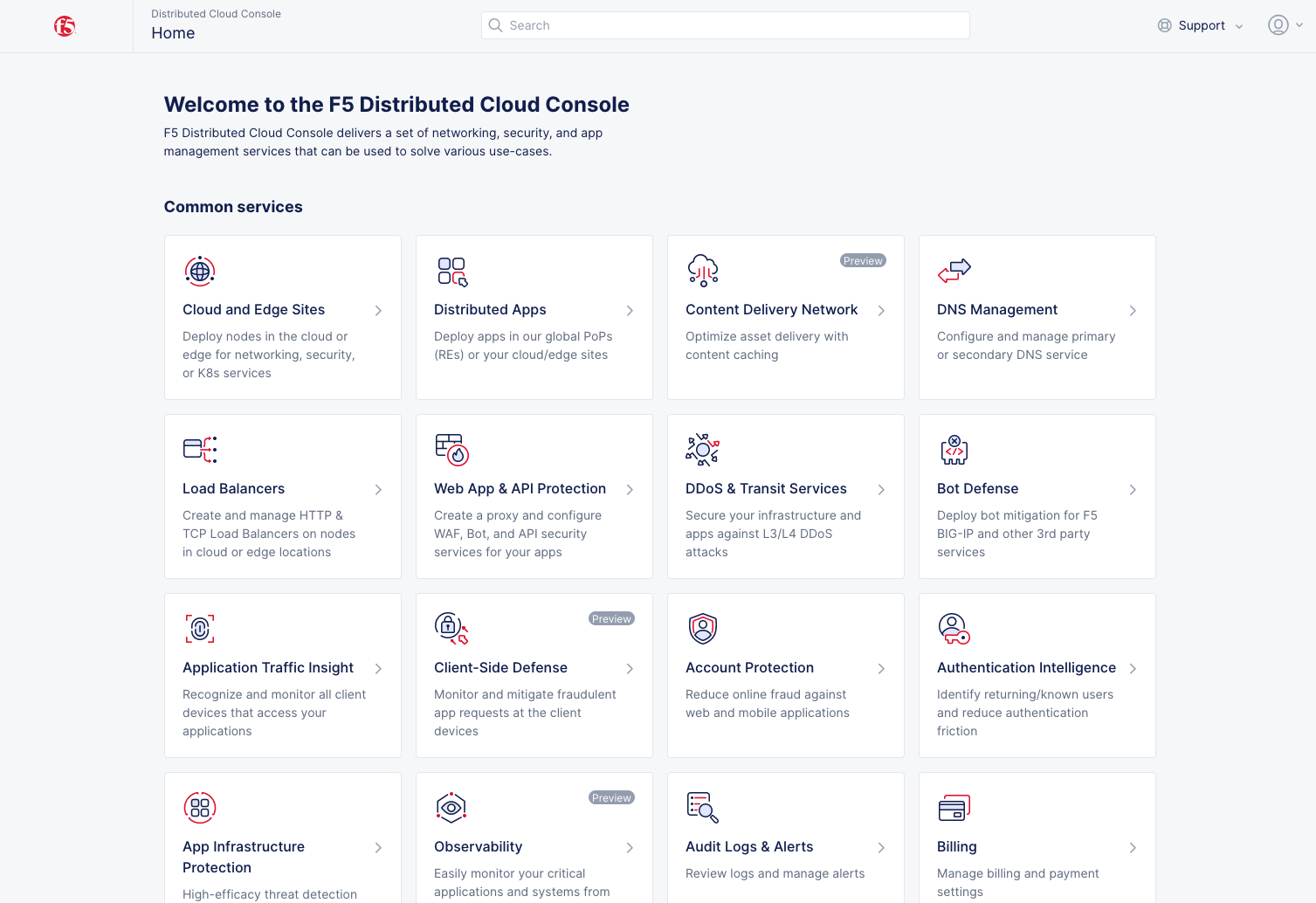
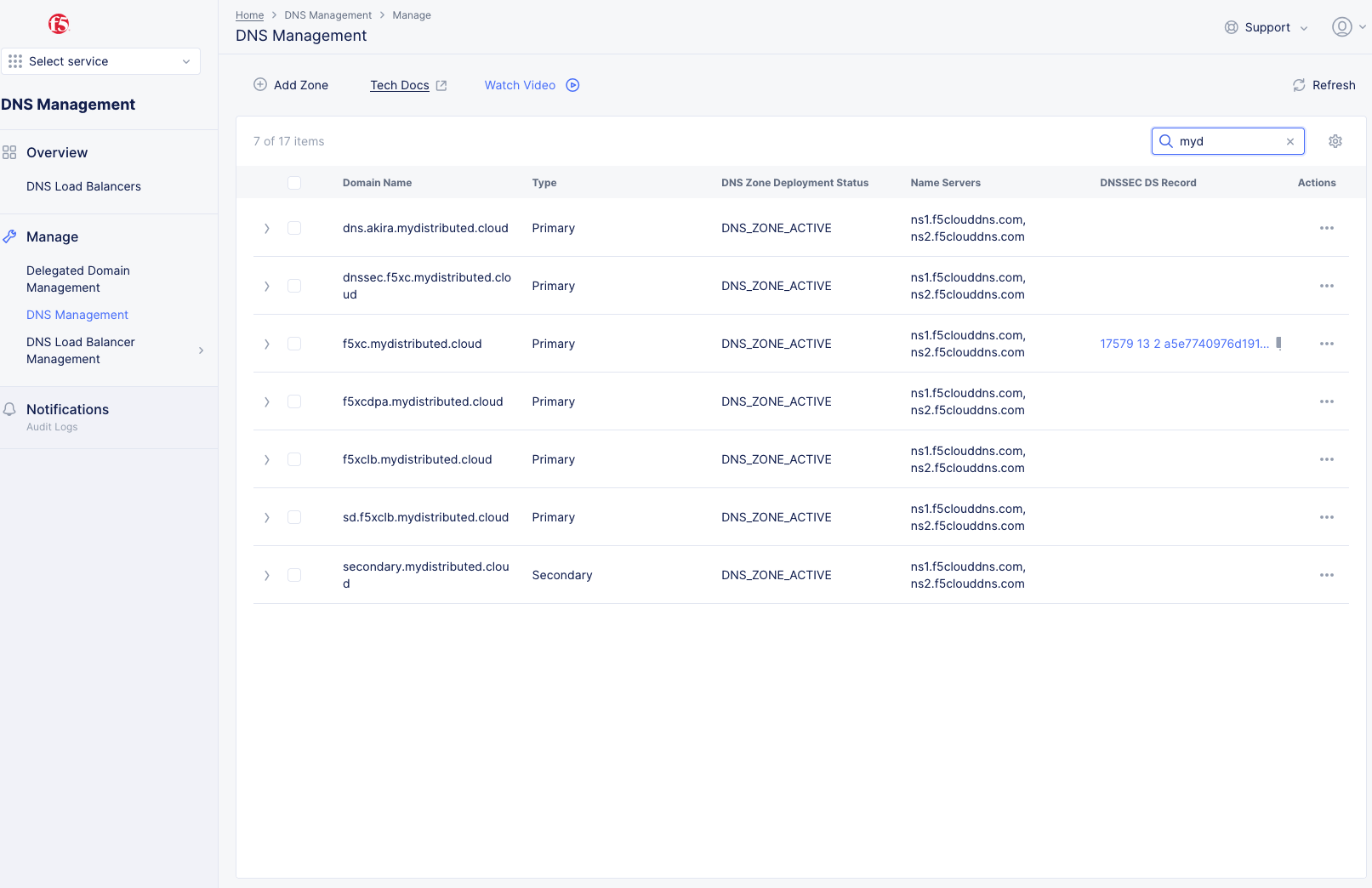
F5 Distributed Cloud DNS Screenshots
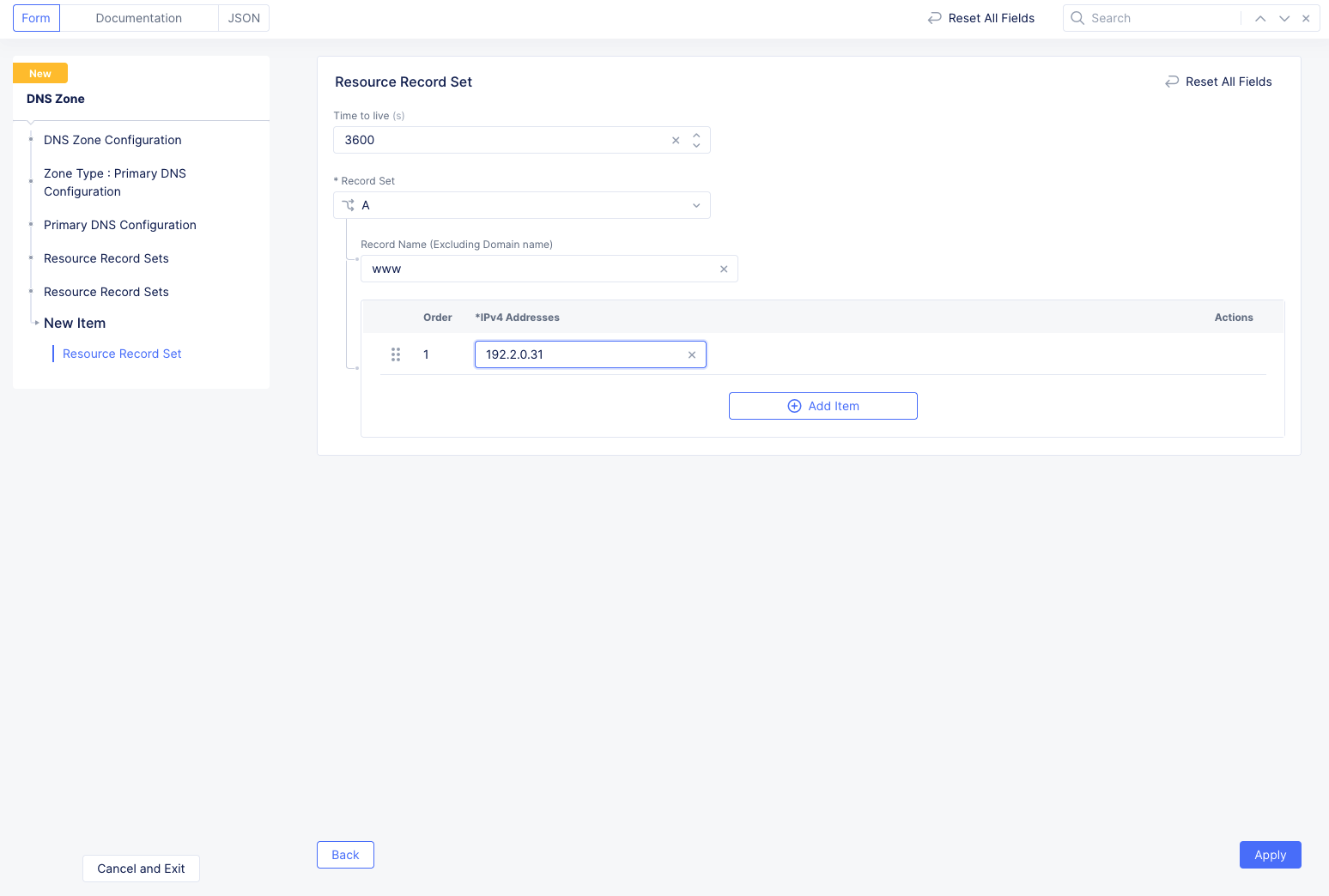
Screenshot of Screenshot of Screenshot of Screenshot of

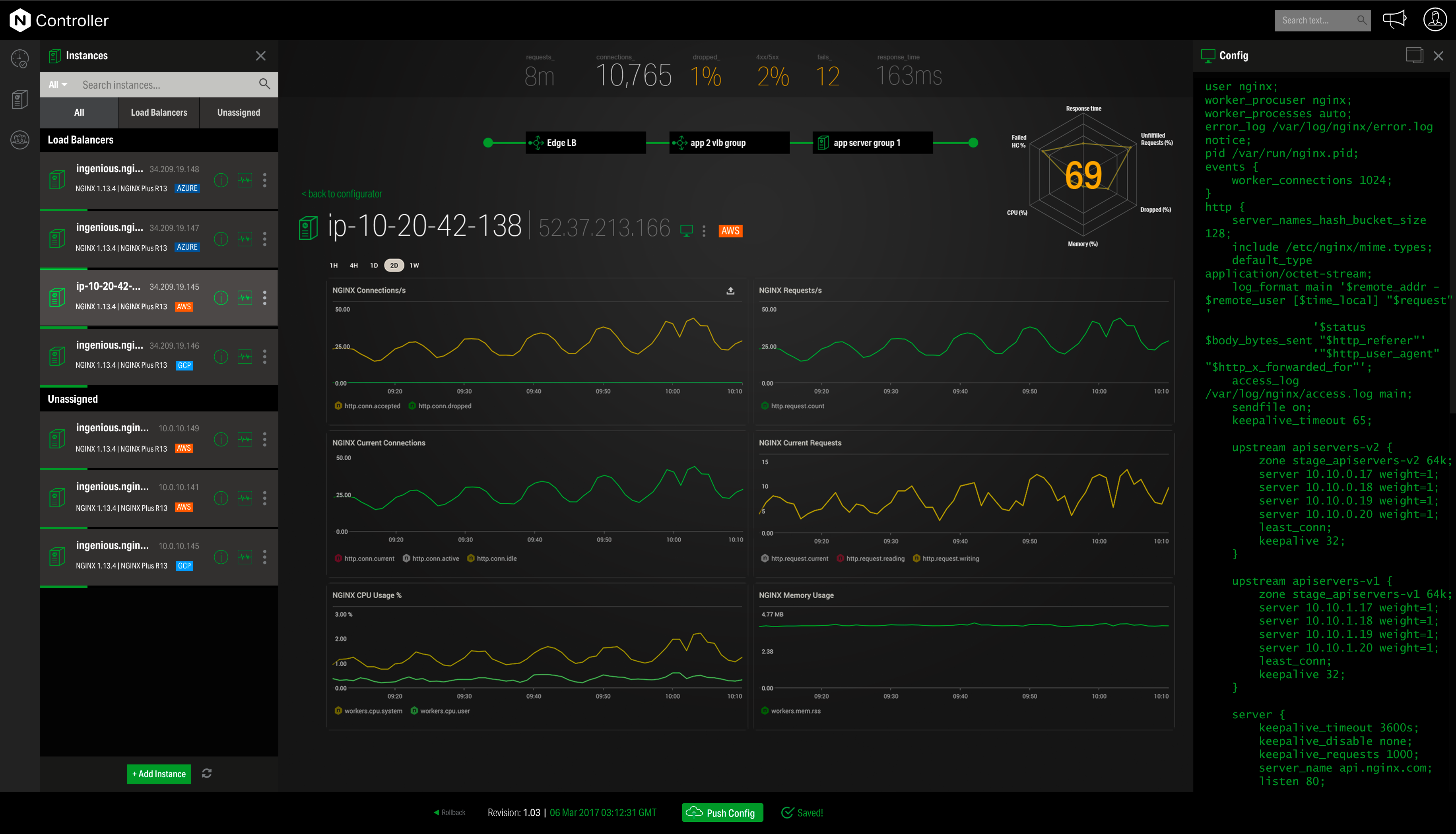
NGINX Screenshots

Screenshot of Overview of the NGINX Application PlatformScreenshot of NGINX Controller - MonitoringScreenshot of NGINX Controller - Configuration