
IBM Cloud Databases vs. Oracle Autonomous Database
| Product | Rating | Most Used By | Product Summary | Starting Price |
|---|---|---|---|---|
 IBM Cloud Databases | Score8 out of 10 | N/A | IBM Cloud Databases are open source data stores for enterprise application development. Built on a Kubernetes foundation, they offer a database platform for serverless applications. They are designed to scale storage and compute resources seamlessly without being constrained by the limits of a single server. Natively integrated and available in the IBM Cloud console, these databases are now available through a consistent consumption, pricing, and interaction model. They aim to provide a cohesive… | N/A |
 Oracle Autonomous Database | Score8.5 out of 10 | N/A | Oracle Autonomous Database provides a self-driving, self-securing, self-repairing cloud service that eliminate the overhead and human errors associated with traditional database administration. Oracle Autonomous Database takes care of configuration, tuning, backup, patching, encryption, scaling, and more. | N/A |
| IBM Cloud Databases | Oracle Autonomous Database | |||||||||||||||
|---|---|---|---|---|---|---|---|---|---|---|---|---|---|---|---|---|
| Editions & Modules | No answers on this topic | No answers on this topic | ||||||||||||||
| Offerings |
| |||||||||||||||
| Entry-level Setup Fee | No setup fee | Optional | ||||||||||||||
| Additional Details | — | — | ||||||||||||||
| More Pricing Information | ||||||||||||||||
| IBM Cloud Databases | Oracle Autonomous Database | |
|---|---|---|
| Considered Both Products | No answer on this topic | No answer on this topic |
| Key User Insights | ||
| Would buy again | ||
94% Would buy again 15 Answers | 98% Would buy again 47 Answers | |
| Delivers good value for the price | ||
80% Delivers good value for the price 12 Answers | 95% Delivers good value for the price 39 Answers | |
| Happy with the feature set | ||
100% Happy with the feature set 16 Answers | 98% Happy with the feature set 47 Answers | |
| Lived up to sales and marketing promises | ||
93% Lived up to sales and marketing promises 14 Answers | 97% Lived up to sales and marketing promises 34 Answers | |
| Implementation went as expected | ||
93% Implementation went as expected 14 Answers | 93% Implementation went as expected 41 Answers | |
| IBM Cloud Databases | Oracle Autonomous Database | ||||||||||||||||||||||
|---|---|---|---|---|---|---|---|---|---|---|---|---|---|---|---|---|---|---|---|---|---|---|---|
| Database-as-a-Service |
| ||||||||||||||||||||||
| Database Development |
| ||||||||||||||||||||||
| Database Administration |
| ||||||||||||||||||||||
| IBM Cloud Databases | Oracle Autonomous Database | |
|---|---|---|
| Small Businesses |  MongoDB Atlas Score7.8 out of 10 |  DBeaver Score8.6 out of 10 |
| Medium-sized Companies |  Azure Database Score8.8 out of 10 | DBeaver Score8.6 out of 10 |
| Enterprises |  Google Cloud SQL Score8.7 out of 10 | DBeaver Score8.6 out of 10 |
| All Alternatives | View all alternatives | View all alternatives |
| IBM Cloud Databases | Oracle Autonomous Database | |
|---|---|---|
| Likelihood to Recommend | 8.0 | 8.5 |
| Likelihood to Renew | 8.0 | 9.0 |
| Usability | 8.0 | 8.0 |
| Support Rating | 1.0 | - |
| IBM Cloud Databases | Oracle Autonomous Database | |
|---|---|---|
| Likelihood to Recommend |
|
|
| Pros |
|
|
| Cons |
|
|
| Likelihood to Renew |
|
|
| Usability |
|
|
| Support Rating |
| No answers on this topic |
| Alternatives Considered |
|
|
| Return on Investment |
|
|
| ScreenShots | Oracle Autonomous Database Screenshots   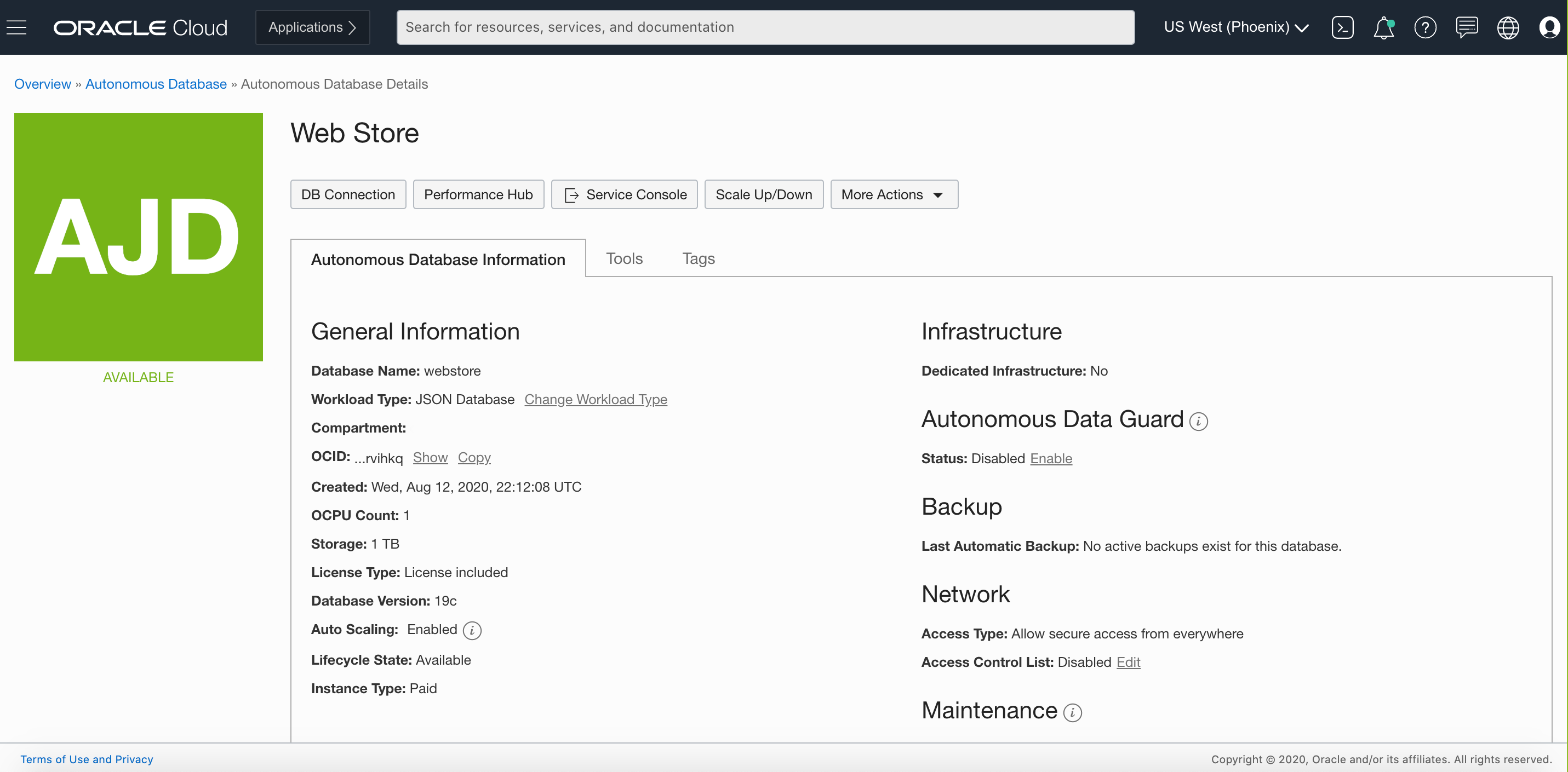  |




