IBM Security QRadar is security information and event management (SIEM) Software.
N/A
Microsoft Defender for Endpoint
Score 8.9 out of 10
N/A
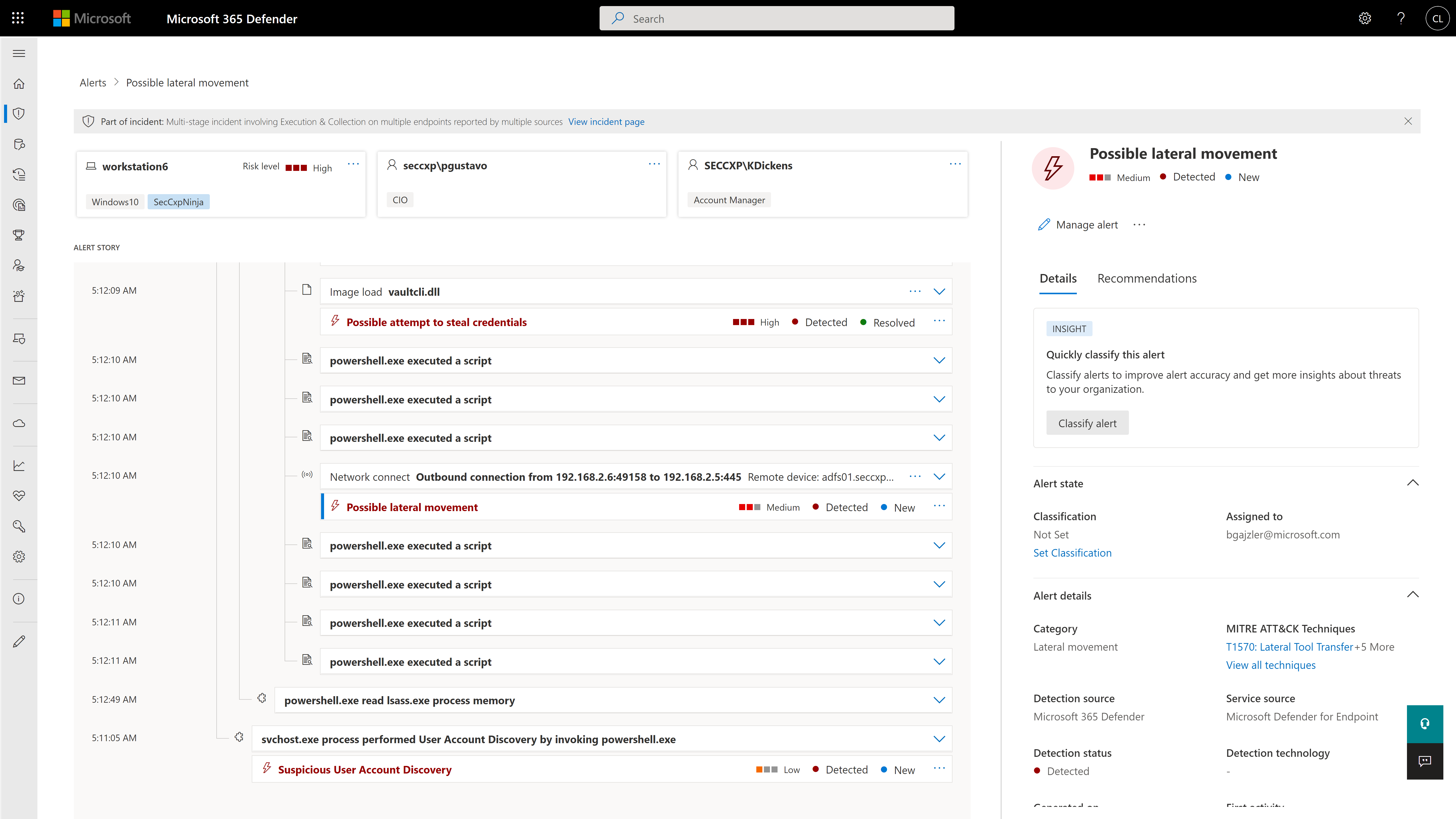
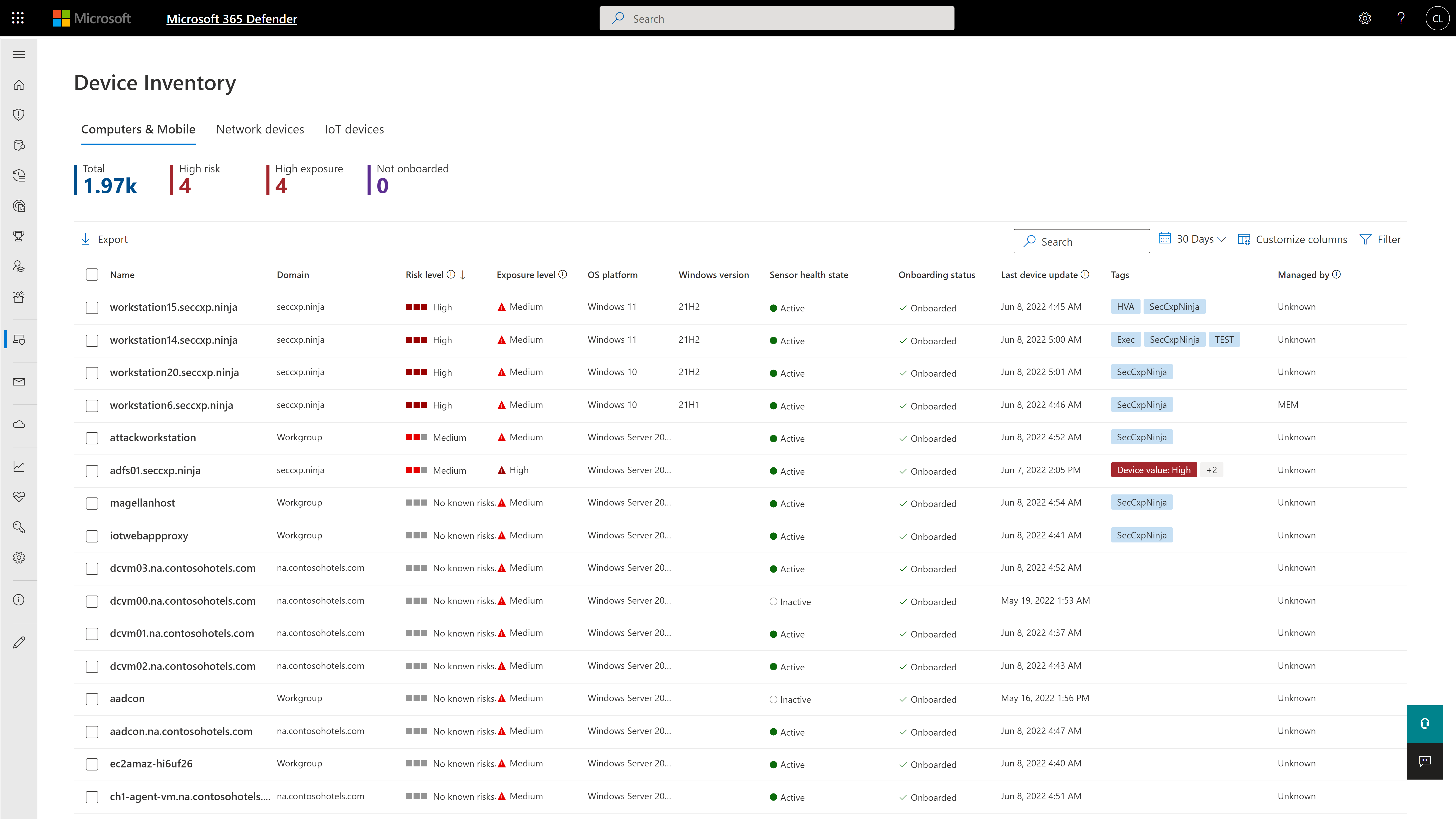
Microsoft Defender for Endpoint (formerly Microsoft Defender ATP) is a holistic, cloud delivered endpoint security solution that includes risk-based vulnerability management and assessment, attack surface reduction, behavioral based and cloud-powered next generation protection, endpoint detection and response (EDR), automatic investigation and remediation, managed hunting services, rich APIs, and unified security management.
$2.50
per user/per month
SolarWinds Security Event Manager (SEM)
Score 7.8 out of 10
N/A
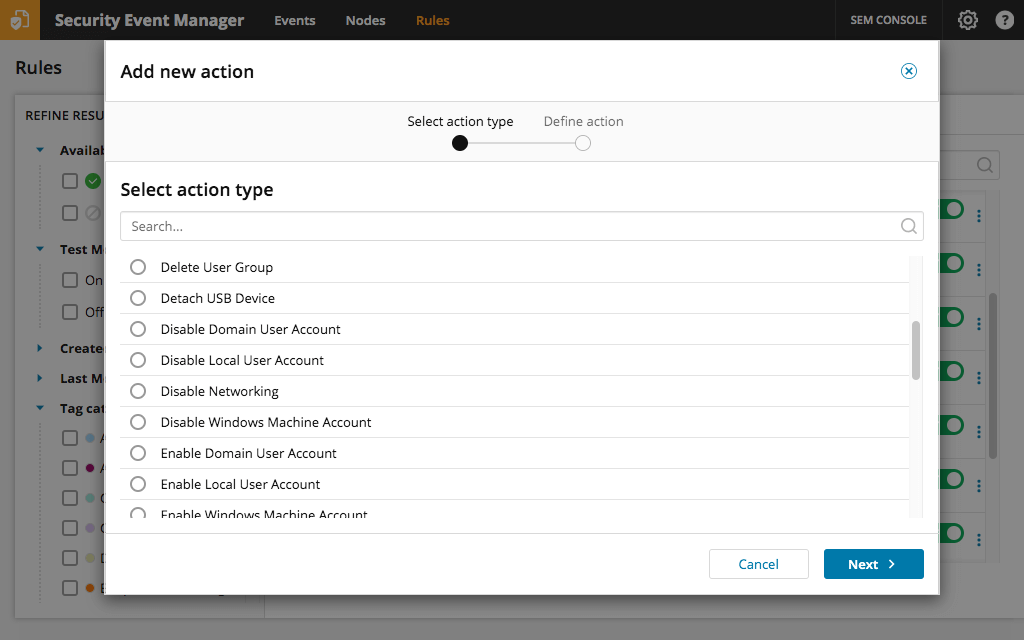
SolarWinds LEM is security information and event management (SIEM) software.
IBM Qradar takes the best from its competitors. Reliable and stable but sometimes very expensive, the SIEM from IBM offers a wide range of scenarios in which the customers can suite and size their own infrastructures. IBM Qradar doesn't really needs to stack up againt its …
Before we switched to using Endpoint, we were using McAfee and we weren't getting the most use out of that, weren't super happy with it, and so we switched, got rid of that and switched to just using all the endpoint features.
The compare well against the others - the pricing models for all but Splunk (free version) are based on EPS/TB consumed... the problem they pose is guesstimating the price tag per month. SolarWinds Security Event Manager gets around that.
Solarwinds Security Event Manager (SEM) is the best solution for price/performance. The solution has an easily understandable architecture and also the solution can be installed easily. The solution is a very stable and fast solution for our company size.
I know the Qradar is not the right SIEM tool to compete with Solarwinds SEM but when we looked from a cost, audit & compliance perspective (which are major for many customers), we knew the log management and compliance with regulation would be achieved with SEM. But no machine …
I would only recommend IBM Security QRadar SIEM in a few situations. For one, it's very easy to setup and use if all your log sources are generic from known vendors. It's also significantly cheaper than Splunk, which is nice if you're trying to save money or be more efficient. I would not recommend IBM Security QRadar SIEM for environments with a lot of custom logs and complicated detection requirements.
Microsoft Defender for Endpoint is easy to deployed across the entire organization. Having a cloud based solution with a single pane of glass to manage all assets is a real no-brainer. Being able to receive immediate alerts when suspicious activity occurs is extremely helpful in keeping risks at a minimum. Microsoft Defender for Endpoint management is also smart enough to not send several alerts when an attack could be hitting multiple targets within a certain time frame or when it's the same attack multiple times. However, be prepared to click through multiple pages all over the site to figure out what happened when an attack occurs.
Optimal for SolarWinds Security Event Manager needs for smaller companies - it is a very cool product but has some limitations around EPS (which gets chewed up quickly if you're doing it the right way & adding servers/storage/FW & other network devices)... Also pricing model is GREAT (not consumption-based, which is the greatest grift the SIEM industry has created).
One, it's crazy lightweight, so compared to some of the competitors that we also have used with our security services, it's really lightweight and so I don't have a lot of overhead on the system that it's running on.
It does a great job of notifying us when accounts have been locked out. We can then find out the device on the network where the login attempt occurred.
Searching for incidents is now a lot faster with the implementation of the HTML 5 interface.
Need to spend more time configuring the system to properly interpret and normalize different type of data collected from multiple resources.
While Rule creation QRadar uses that rules to detect security threats and generate alerts, but to creating and managing rules is bit complex & tedious work to complete.
IBM Security QRadar SIEM is excellent in handling large & complex systems that requires in-depth knowledge and extensive training to configure and maintain the system which includes upgrading, optimization of performance & issue troubleshooting.
All SolarWinds product suffer from slow response times in management portals. SolarWinds SEM is no exception. While it is much preferred over a "thick client" there is much room for improvement in speed.
If you use the email alert features with SolarWinds make sure to prepare you staff and team for the large amount of emails they could receive. Make sure to reduce the number of alerts so your team does not ignore the alerts.
QRadar is an established and stable product, we have been using it for many years and want to continue to focus on it. Anyone who has used the product and knows it knows how reliable it is and how it facilitates continuous monitoring of threats from outside and inside. it is an exceptional product that is very useful for us.
Cost add-ons for Security features is nickel and diming the process to keep pace with cybercrime. Limited Education budgets require us to be more pro-active in finding cost-effective measures to protect our devices, staff and students. Defender is a strong, well-featured product that is pricing itself out of the education market
It is pretty likely that we will renew SEM when the time comes up. It is easy to use and maintain so there isn't much of a need to replace this product. It is also a pretty fair price for the capabilities provided by the SEM
As a grade I give 8 as QRadar is not easy to learn. It requires some time to master it. It also needs a team of people actively working on the product. Once you learn to use it the software works very well and it is easy to correlate and understand detected threats. It only takes time to learn how to use it well and configure it properly.
It offers multiple security features and integrates well with Microsoft ecosystems. A workflow for threat detection, investigation, automated remediation, and a centralized dashboard is an added advantage. This application is mainly designed for experienced users; new users may feel challenged.
If you are familiar with SolarWinds then you can use this product it's as easy as that. If you have never used a SolarWinds product then it will take a minute to get how they do reports and make dashboards but that being said the tool is great and can make things very easy once you get a feel for how it works and get everything setup how you like it.
Microsoft Defender for Endpoint chugs along just fine no matter what we throw at it and what systems it's running on. It doesn't take up a lot of resources either, so that's welcomed.
Customer support is Good of IBM, While Using IBM QRadar its deployment is to slow and suddenly stop working and crashed we have contacted IBM Support and Rised a Ticket within a few minute we get call back from customer support and Query Resolved by them Fast And Rapid Support of Ibm
The first time I tried to onboard my macOS endpoints to MDE I struggled for quite a bit. I had to reach out to Microsoft's MDE support team. The tech was very helpful in walking me through the steps during a screen share session
The quality of support can vary depending on whom you end up speaking with. I was fortunate enough to work with a support representative who was very familiar with the product. He had even authored some of the support documentation on the website. On the flip side, I had two other experiences where I was simply directed to online training material.
The training was very useful and the people who taught us were very knowledgeable. Although the software may initially seem difficult to learn they made things much easier for us.
The training was very useful and the people who taught us were very knowledgeable. Although the software may initially seem difficult to learn they made things much easier for us.
Initial patience is required to learn how to use the product, and it takes a dedicated team to use it. One person is not enough, and it's not enough to just set it up and check it once in a while. It has to be used daily and kept under control to be used effectively
Deployment was handled by our team here and everything went pretty smoothly. We did have a few hiccups in our test group, but that only took a bit to get ironed out.
IBM Qradar takes the best from its competitors. Reliable and stable but sometimes very expensive, the SIEM from IBM offers a wide range of scenarios in which the customers can suite and size their own infrastructures. IBM Qradar doesn't really needs to stack up againt its competitors because it already sets an example in the SIEM world.
Defender is far easier to deploy and manage than Sophos and tends to work without as many issues. The threat assessment portal provides an in-depth view of the organization's security posture, whereas Sophos only shows the patching status of the PCs. We did need Intune to get many of the control features (disabling USB drives) that Sophos offered out of the box.
Fortianalzyer can only do logs from FortiGate so usefulness is limited. Elasticsearch was a lot slower than Solarwinds and the filters were a lot harder to set up and use. The connectors for SEM were far more stable.
For the price, it produced a decent value. It did a lot of the easy stuff well. I can't give any specific data given the objective of the product was to monitor very basic events in the environment.