Most of the time, server utilization is reliable and stable during peak times. Truly amazing, this product offers a lot and gets it done in no time without any confusion.It is reliable, too accurate and the performance is top-notch. It seems to be competitive in all virtual energy systems and its connectivity is also good. It's available at a low cost, but it's enough to have as many low-cost, more efficient systems as possible. It's a minor thing, but very rarely, it can cause work interruptions while it can get stuck due to more frequent use such as restless work. These power servers are very efficient and really help when things go wrong. I am using this product to retrieve data much faster.
SAP Manufacturing Integration and Intelligence as a stand-alone platform seems to be quite powerful with a wide range of capabilities and integration options. The integration itself proved to be challenging which was mentioned before. We also had some issues with delays in data queries which resulted in delays of the visual representation on the SSCE dashboards.
A de minimis incentive was given to thank the reviewer for their time. The incentive was not used to bias or drive a particular response, nor was the incentive contingent on a positive endorsement. More Info
A de minimis incentive was given to thank the reviewer for their time. The incentive was not used to bias or drive a particular response, nor was the incentive contingent on a positive endorsement. More Info
MII is particularly good at providing and customizing dashboards for quick analysis of industrial IoT data.
MII also has built-in analysis functionality to make more sense of all the IoT data being streamed.
MII (and ME) are particularly effective at identifying outliers and problems with equipment/processes before they cause delays or other cascading issues. This allows for effective preventative maintenance.
A de minimis incentive was given to thank the reviewer for their time. The incentive was not used to bias or drive a particular response, nor was the incentive contingent on a positive endorsement. More Info
A de minimis incentive was given to thank the reviewer for their time. The incentive was not used to bias or drive a particular response, nor was the incentive contingent on a positive endorsement. More Info
A de minimis incentive was given to thank the reviewer for their time. The incentive was not used to bias or drive a particular response, nor was the incentive contingent on a positive endorsement. More Info
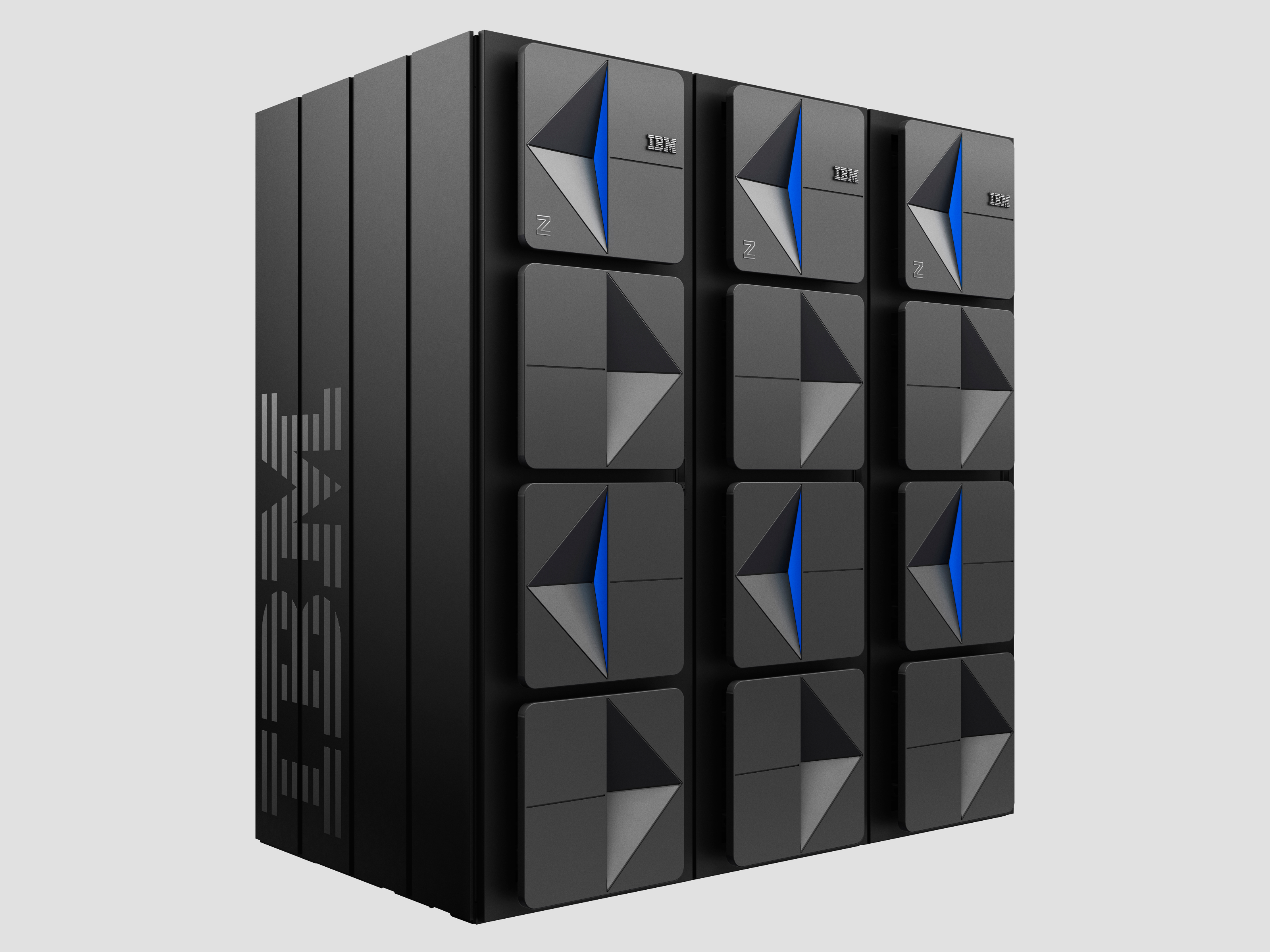
The IBM Z mainframe capabilities are unmatched for cloud readiness and optimization the learning capabilities are matched perfectly with Watson and the expandability of the cloud makes it a perfect choice.
A de minimis incentive was given to thank the reviewer for their time. The incentive was not used to bias or drive a particular response, nor was the incentive contingent on a positive endorsement. More Info
A de minimis incentive was given to thank the reviewer for their time. The incentive was not used to bias or drive a particular response, nor was the incentive contingent on a positive endorsement. More Info
If a proper UI5-based implementation is done, the system works at best if a proper application server and database exist. However, from a customization perspective and an easy-to-implement application-from-scratch perspective, MII is top-notch compared to the other mentioned systems. SAP ME sits on top of SAP MII as a foundation.
A de minimis incentive was given to thank the reviewer for their time. The incentive was not used to bias or drive a particular response, nor was the incentive contingent on a positive endorsement. More Info
A de minimis incentive was given to thank the reviewer for their time. The incentive was not used to bias or drive a particular response, nor was the incentive contingent on a positive endorsement. More Info
Performance is a major part when you configure your system. IBM has many tools to study your system and suggest the appropriate configuration. With the right contract, you can add processing power dynamically and remove it when no longer needed
A de minimis incentive was given to thank the reviewer for their time. The incentive was not used to bias or drive a particular response, nor was the incentive contingent on a positive endorsement. More Info
Support is usually superb, only occasionally dropping to very good. We participate in some of the CD (Continuous Delivery) aspects of z/OS, IMS, MQ, and DB2.
A de minimis incentive was given to thank the reviewer for their time. The incentive was not used to bias or drive a particular response, nor was the incentive contingent on a positive endorsement. More Info
Documentation on some of our implementations was lacking. As an example, creating the query that reads the tag is explained through the documentation but this only explains very specific data models. Other models are not explained and take time to debug. Customer support was willing to help and an official note was created after we found some issues with the integration tools.
A de minimis incentive was given to thank the reviewer for their time. The incentive was not used to bias or drive a particular response, nor was the incentive contingent on a positive endorsement. More Info
A de minimis incentive was given to thank the reviewer for their time. The incentive was not used to bias or drive a particular response, nor was the incentive contingent on a positive endorsement. More Info
A de minimis incentive was given to thank the reviewer for their time. The incentive was not used to bias or drive a particular response, nor was the incentive contingent on a positive endorsement. More Info
A de minimis incentive was given to thank the reviewer for their time. The incentive was not used to bias or drive a particular response, nor was the incentive contingent on a positive endorsement. More Info
IBM Z is the best storage solution as it provides the best in class data protection with the cryptographic hardware keys, no loss in data while migration, and a user-friendly interface that makes it easy for develops to understand and has less of a learning curve. This makes it well above the competition.
A de minimis incentive was given to thank the reviewer for their time. The incentive was not used to bias or drive a particular response, nor was the incentive contingent on a positive endorsement. More Info
SAP MII is a robust platform for data visualization and data integration. It isn't very intuitive and has the shortcomings explained throughout the review. It still uses old Java versions which is incompatible with updated versions. The SAP ME and SAP CP provide cloud-based solutions that seem to provide a more innovative approach.
A de minimis incentive was given to thank the reviewer for their time. The incentive was not used to bias or drive a particular response, nor was the incentive contingent on a positive endorsement. More Info
If you need more processing power, just add more CPU's or memory. The largest system can have close to 200 CPU's and 40 TB of memory. If that is not enough, you can add more physical computers, and connect them using a sysplex
A de minimis incentive was given to thank the reviewer for their time. The incentive was not used to bias or drive a particular response, nor was the incentive contingent on a positive endorsement. More Info
A de minimis incentive was given to thank the reviewer for their time. The incentive was not used to bias or drive a particular response, nor was the incentive contingent on a positive endorsement. More Info
A de minimis incentive was given to thank the reviewer for their time. The incentive was not used to bias or drive a particular response, nor was the incentive contingent on a positive endorsement. More Info