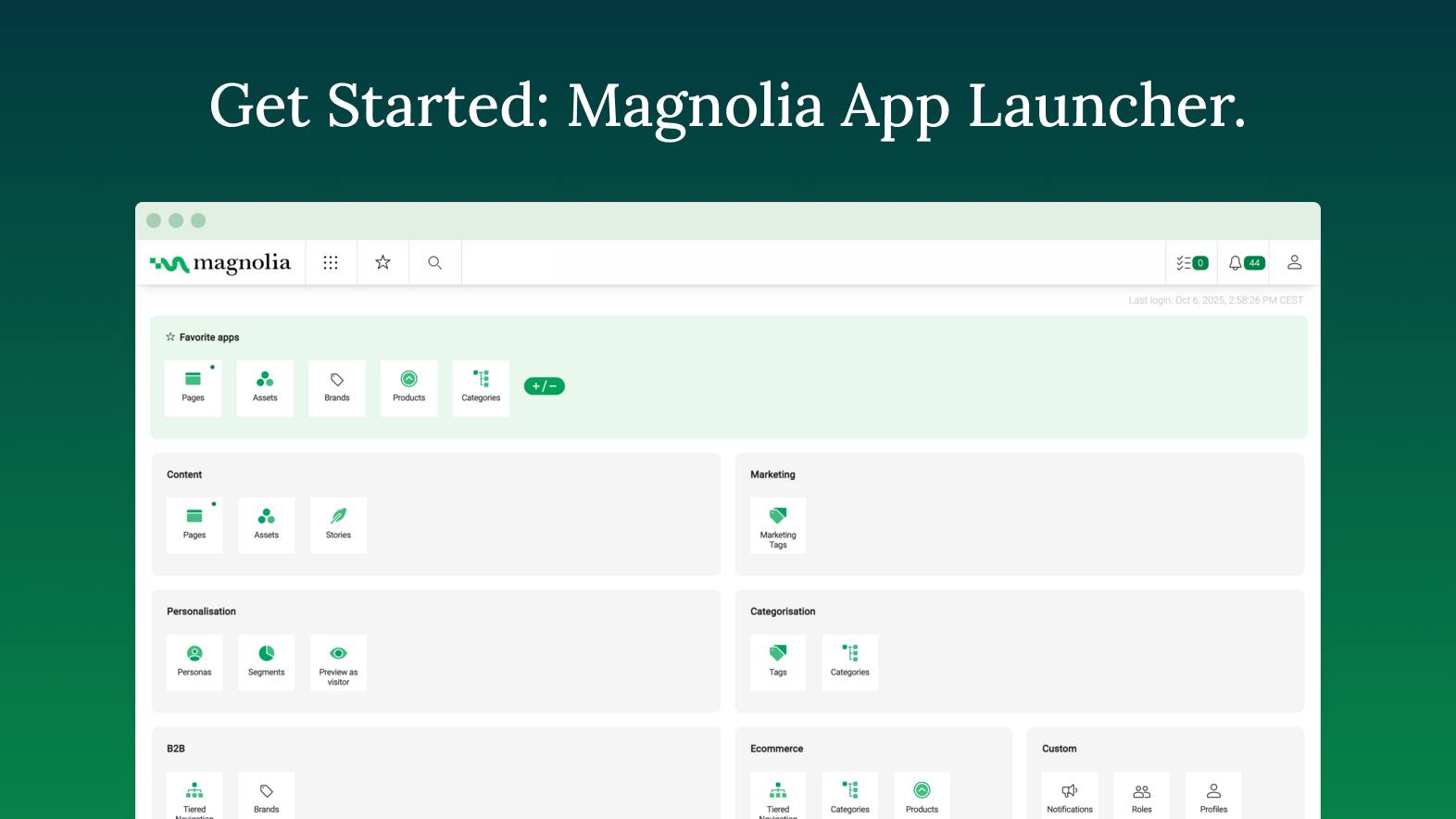
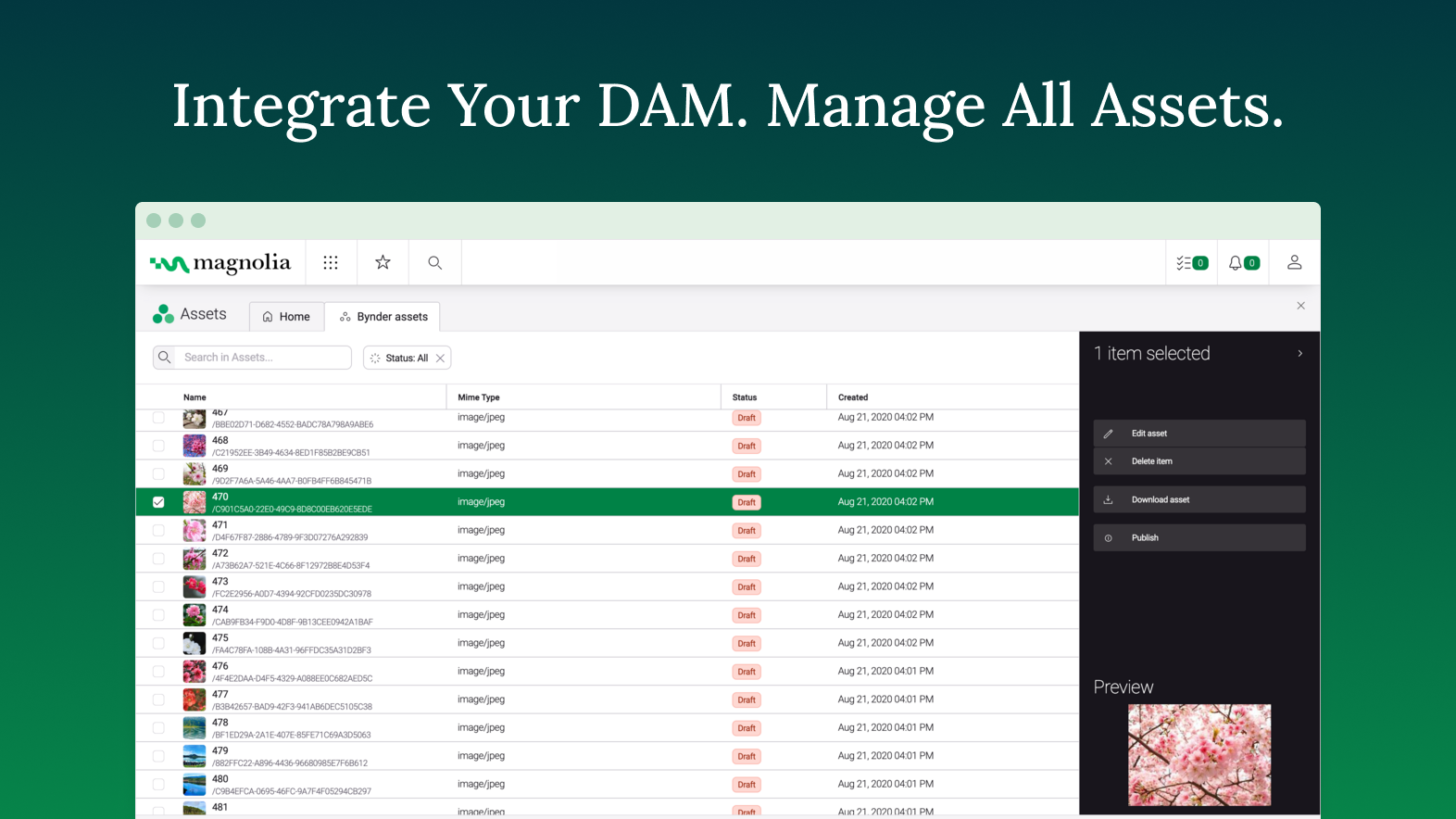
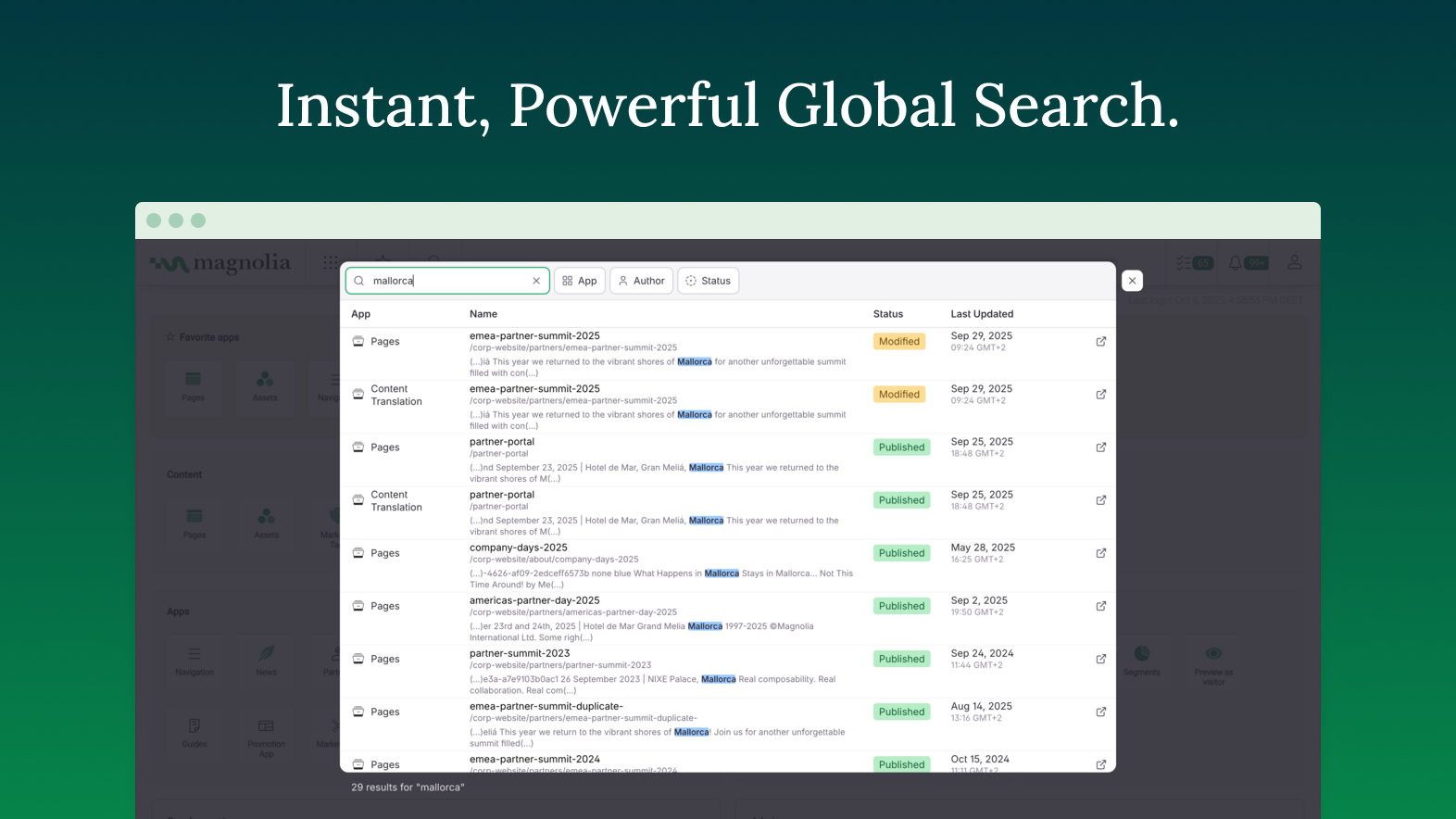
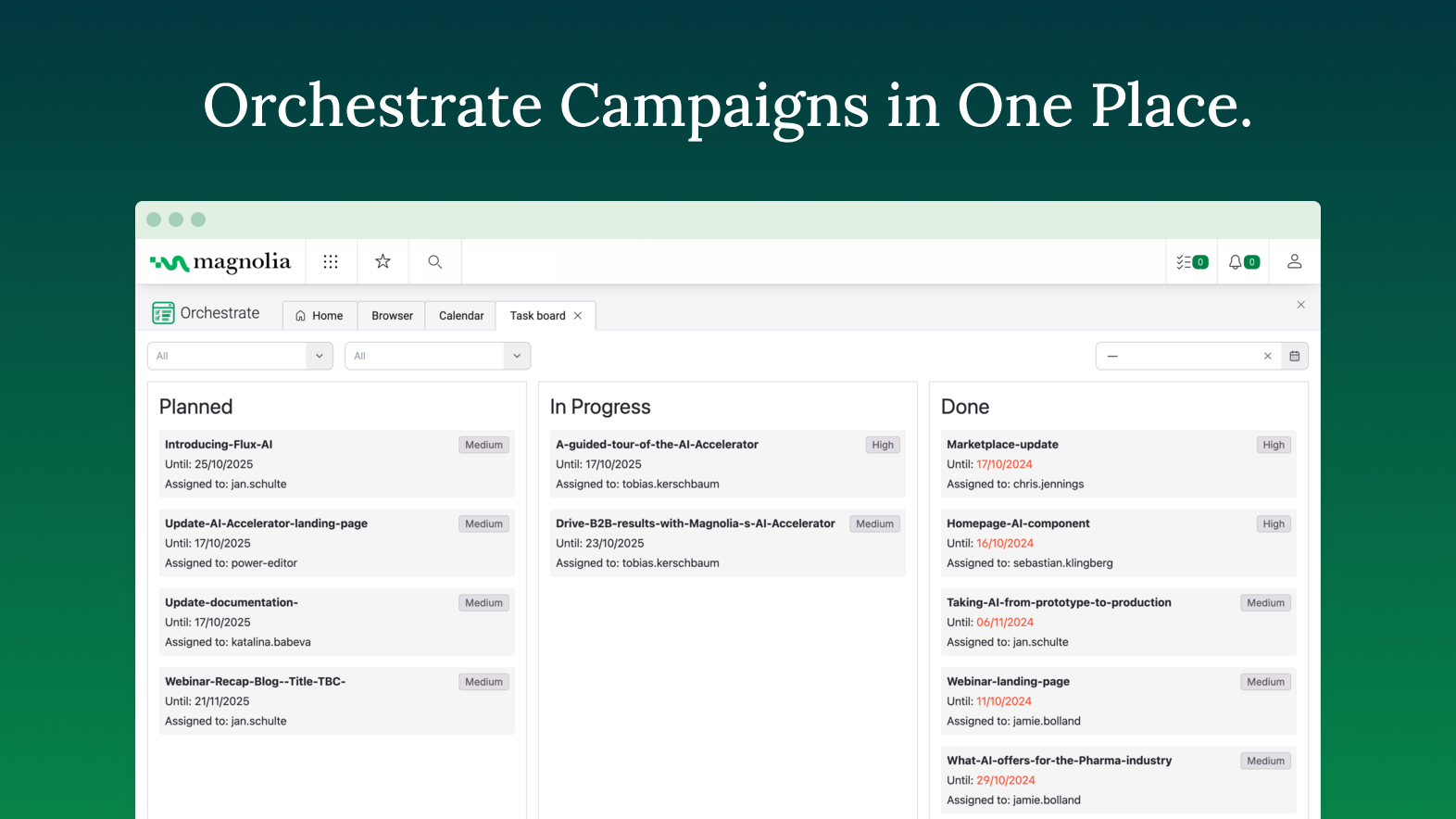
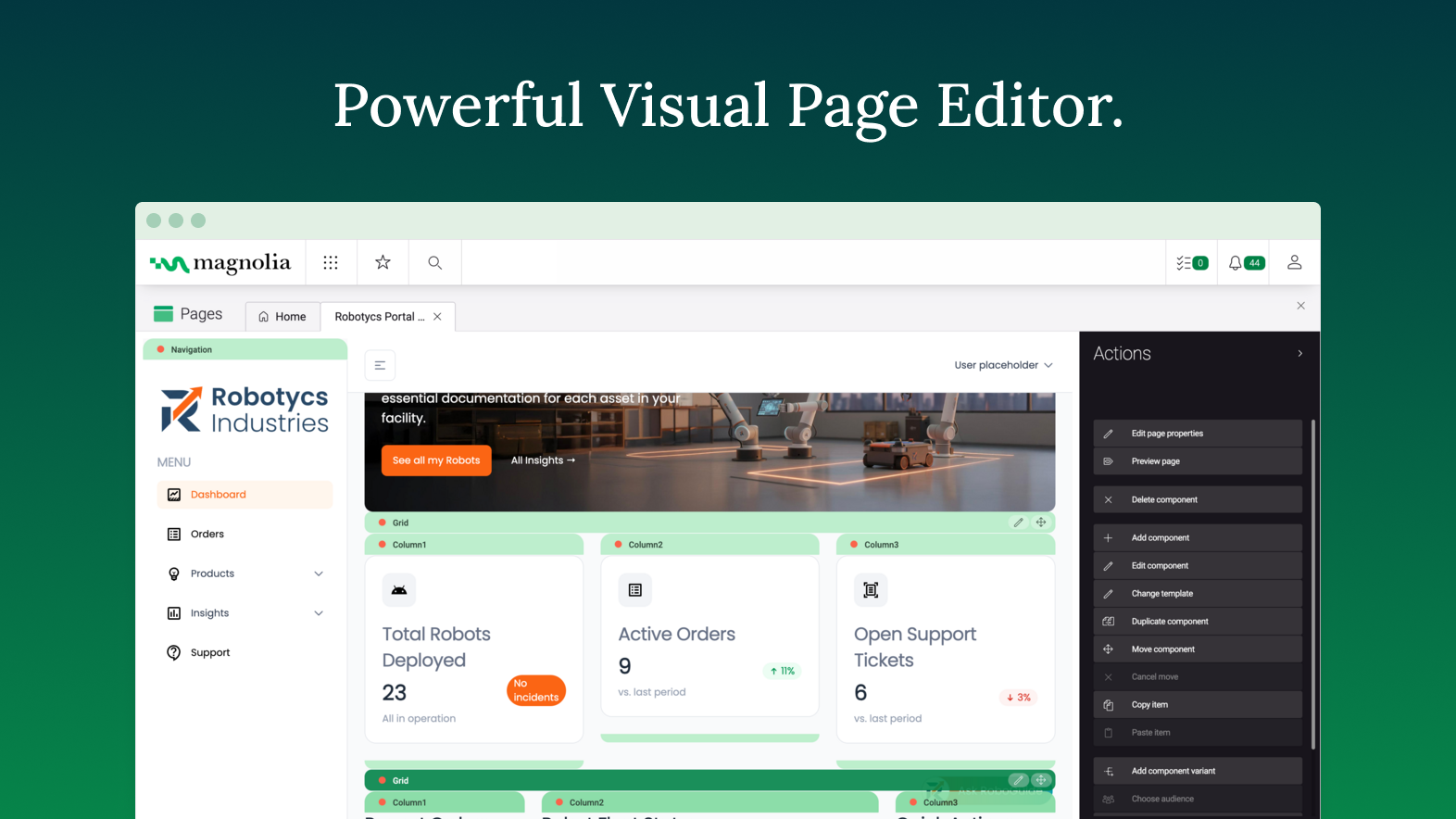
Founded in Switzerland in 1997, Magnolia is a CMS used to build composable digital experiences. Magnolia helps create fully integrated customer experiences and speeds up digital delivery of content. Magnolia boasts 480 enterprise customers, thousands of Community Edition deployments, and more than 200 certified Magnolia Partners around the world. They further state that their enterprise customers include Sanofi, Generali, the Atlassian, The New York Times, Harley Davidson, and Union…
$3,500
per month
sterlo
Score 8.0 out of 10
Enterprise companies (1,001+ employees)
sterlo is an enterprise-grade No-code platform to simplify the development of web and mobile application. sterlo is on a mission to help companies with their digital transformation journey by enabling process owners to develop apps, generate reports and dashboards and custom workflow approvals and all without any need to know coding. sterlo was developed to cater enterprise companies specifically by giving freedom to host the platform on-premise. The cost of sterlo is based on the level…
$9
per month per user
Pricing
Magnolia
sterlo
Editions & Modules
DX Core
$3500
per month
DX Cloud
$6000
per month
Lite User
$9
per month per user
Standard User
$18
per month per user
Offerings
Pricing Offerings
Magnolia
sterlo
Free Trial
Yes
No
Free/Freemium Version
No
No
Premium Consulting/Integration Services
Yes
Yes
Entry-level Setup Fee
No setup fee
Optional
Additional Details
—
Contact sales for On-Premise and Perpetual Licensing (Life-Time Validity).
More Pricing Information
Community Pulse
Magnolia
sterlo
Features
Magnolia
sterlo
Security
Comparison of Security features of Product A and Product B
Magnolia
8.0
69 Ratings
3% below category average
sterlo
-
Ratings
Role-based user permissions
8.069 Ratings
00 Ratings
Platform & Infrastructure
Comparison of Platform & Infrastructure features of Product A and Product B
Magnolia
8.1
68 Ratings
4% above category average
sterlo
-
Ratings
API
8.561 Ratings
00 Ratings
Internationalization / multi-language
7.661 Ratings
00 Ratings
Web Content Creation
Comparison of Web Content Creation features of Product A and Product B
Magnolia
8.0
74 Ratings
3% above category average
sterlo
-
Ratings
WYSIWYG editor
8.565 Ratings
00 Ratings
Code quality / cleanliness
8.465 Ratings
00 Ratings
Admin section
8.070 Ratings
00 Ratings
Page templates
8.972 Ratings
00 Ratings
Library of website themes
7.01 Ratings
00 Ratings
Mobile optimization / responsive design
8.563 Ratings
00 Ratings
Publishing workflow
7.573 Ratings
00 Ratings
Form generator
6.958 Ratings
00 Ratings
Web Content Management
Comparison of Web Content Management features of Product A and Product B
Magnolia
7.5
69 Ratings
1% above category average
sterlo
-
Ratings
Content taxonomy
7.663 Ratings
00 Ratings
SEO support
7.263 Ratings
00 Ratings
Bulk management
7.757 Ratings
00 Ratings
Availability / breadth of extensions
7.962 Ratings
00 Ratings
Community / comment management
6.951 Ratings
00 Ratings
Low-Code Development
Comparison of Low-Code Development features of Product A and Product B
Magnolia
-
Ratings
sterlo
8.5
1 Ratings
3% below category average
Platform Security
00 Ratings
9.01 Ratings
Platform User Management
00 Ratings
8.01 Ratings
Reusability
00 Ratings
9.01 Ratings
Platform Scalability
00 Ratings
8.01 Ratings
No-Code Development
Comparison of No-Code Development features of Product A and Product B
Magnolia is a very capable DXP, that provides client with lots of flexibility in composing its own stack. While the core of the platform is a content management system, the open architecture of Magnolia DXP allows it to connect to any platform, allowing client to extend the capabilities. One scenario would be a centralized content hub - where through a single platform, content authors can choose which channel to distribute what content. For example, long form content for consumers viewing on a laptop, short form content for those using a mobile browser. This allow the client to personalized the experience based on channels. Another scenarios would be leveraging on GenAI - using Magnolia's built-in connector to ChatGPT. If that is not the service that one desire, you can always connect to another AI service such as Google Gemini. With GenAI, connected, content author can use AI as co-pilot to help them scale up their content production.
Built a application integrating an ERP without any need to code and the application build can be replicated without any additional effort for a different client. The pricing model is suitable for enterprise companies and the adoption is simpler. sterlo supports on-premise service as most No-Code platforms usually does not support on-premise. This helps a lot for enterprise companies to retain their data security.
Speed of development - time to delivery from zero to MVP was excellent
Ease of use - the authoring experience is very easy to build and train
PAAS/SAAS - the managed service platform removed the traditional overhead of running in-house technologies, meaning we could focus on value add, with less time spent keeping the lights on.
The documentation provides samples that are often out of context, and difficult to know where the provided example code should be implemented. More tutorials providing the full project or step-by-step instructions on how to implement subject material would help greatly. Baeldung is a resource I would consider the gold standard in how this is done in other spaces.
The use of JCR and Nodes makes object serialization/deserialization painful. Jackson compatibility or similar would be a welcome enhancement to the developer experience. Maybe leveraging code-gen from light modules to build model classes when possible could help accomplish this.
Modifying the home layout from light modules is frustrating. It seems that any configuration overrides made merge with the default rather than overwriting, which makes for a difficult combination of guess-and-check while referencing the documentation to see what should be in each row/column when making changes.
Including "mark all as read" or "delete all" in the notifications app would be a great quality of life improvement. It seems that by default, users have to individually select messages and operate them.
We've shown it to a number of users both clients and our own team and despite initial apprehensions, they "get it" very quickly. It's intuitive and friendly and quick to perform daily tasks. We once had a client tell us "Using Magnolia makes me smile" which says it all for us.
I gave [it] 7/10 only because of the loading time of pages. Otherwise, I think it deserves an 8. Normally this is not an issue per [se] but considering the rating matrix and as I have been asked to honestly write about it. Yes, the page loading times could be improved.
You always get an answer based on your SLA. But you always get a solution. That's the successfactor in this case. To often i was frustrated about people in a company without even a clue what there product is about or how to solve a problem. Magnolia's Support Team does a very good job and try to help you in most of the cases
I've used several CMSs like AEM and EpiServer, and comparatively, they all excel at different things. Magnolia is the best to develop for/against. Episerver has the best/most fluid UI in terms of content editing, and the overall admin experience AEM is just all around sucks.
On-premise support, easy to deploy, freedom to host on cloud of the clients choice, enterprise pricing model, no-code tech as others need coding as they are low-code platforms, new tech stack and it makes scalability easier, helps with digital transformation for enterprise with 3 tier user levels, device agnostic and much more
Magnolia has brought about positive impacts. For instance, we need not outsource web design and marketing services because thanks to this software, we can handle most work inhouse
The software is affordable with no compromises on capabilities and therefore it is gives us value for money.