
NGINX vs. Plesk
| Product | Rating | Most Used By | Product Summary | Starting Price |
|---|---|---|---|---|
 NGINX | Score9.1 out of 10 | Mid-Size Companies (51-1,000 employees) | NGINX, a business unit of F5 Networks, powers over 65% of the world's busiest websites and web applications. NGINX started out as an open source web server and reverse proxy, built to be faster and more efficient than Apache. Over the years, NGINX has built a suite of infrastructure software products o tackle some of the biggest challenges in managing high-transaction applications. NGINX offers a suite of products to form the core of what organizations need to create… | N/A |
 Plesk | Score9.1 out of 10 | N/A | Plesk is a server control panel, providing a solution that enables usres to build and manage multiple sites from a single dashboard. Users can also run updates, monitor performance and onboard new prospects all from the same place. Plesk also boasts a robust toolkit for Wordpress management, and supports other CMS. It is available on the public cloud of the user's choice. | $12 per month |
| NGINX | Plesk | |||||||||||||||
|---|---|---|---|---|---|---|---|---|---|---|---|---|---|---|---|---|
| Editions & Modules | No answers on this topic |
| ||||||||||||||
| Offerings |
| |||||||||||||||
| Entry-level Setup Fee | Optional | No setup fee | ||||||||||||||
| Additional Details | — | Discounts available for an annual subscription. | ||||||||||||||
| More Pricing Information | ||||||||||||||||
| NGINX | Plesk | |
|---|---|---|
| Considered Both Products | No answer on this topic | No answer on this topic |
| Key User Insights | ||
| Would buy again | ||
98% Would buy again 49 Answers | 100% Would buy again 9 Answers | |
| Delivers good value for the price | ||
100% Delivers good value for the price 45 Answers | 100% Delivers good value for the price 9 Answers | |
| Happy with the feature set | ||
100% Happy with the feature set 50 Answers | 100% Happy with the feature set 9 Answers | |
| Lived up to sales and marketing promises | ||
92% Lived up to sales and marketing promises 34 Answers | 100% Lived up to sales and marketing promises 7 Answers | |
| Implementation went as expected | ||
96% Implementation went as expected 43 Answers | 100% Implementation went as expected 8 Answers | |
| NGINX | Plesk | ||||||||||||||||||||||
|---|---|---|---|---|---|---|---|---|---|---|---|---|---|---|---|---|---|---|---|---|---|---|---|
| Application Servers |
| ||||||||||||||||||||||
| NGINX | Plesk | |
|---|---|---|
| Small Businesses | No answers on this topic |  cPanel Score8.6 out of 10 |
| Medium-sized Companies |  Oracle WebLogic Server Score7.3 out of 10 |  VMware vCenter Score8.4 out of 10 |
| Enterprises |  Red Hat JBoss EAP Score8.5 out of 10 | VMware vCenter Score8.4 out of 10 |
| All Alternatives | View all alternatives | View all alternatives |
| NGINX | Plesk | |
|---|---|---|
| Likelihood to Recommend | 9.3 | 9.0 |
| Likelihood to Renew | 9.0 | - |
| Usability | 8.3 | - |
| Support Rating | 8.0 | - |
| Implementation Rating | 8.0 | - |
| NGINX | Plesk | |
|---|---|---|
| Likelihood to Recommend |
|
|
| Pros |
|
|
| Cons |
|
|
| Likelihood to Renew |
| No answers on this topic |
| Usability |
| No answers on this topic |
| Support Rating |
| No answers on this topic |
| Alternatives Considered |
|
|
| Return on Investment |
|
|
| ScreenShots | NGINX Screenshots 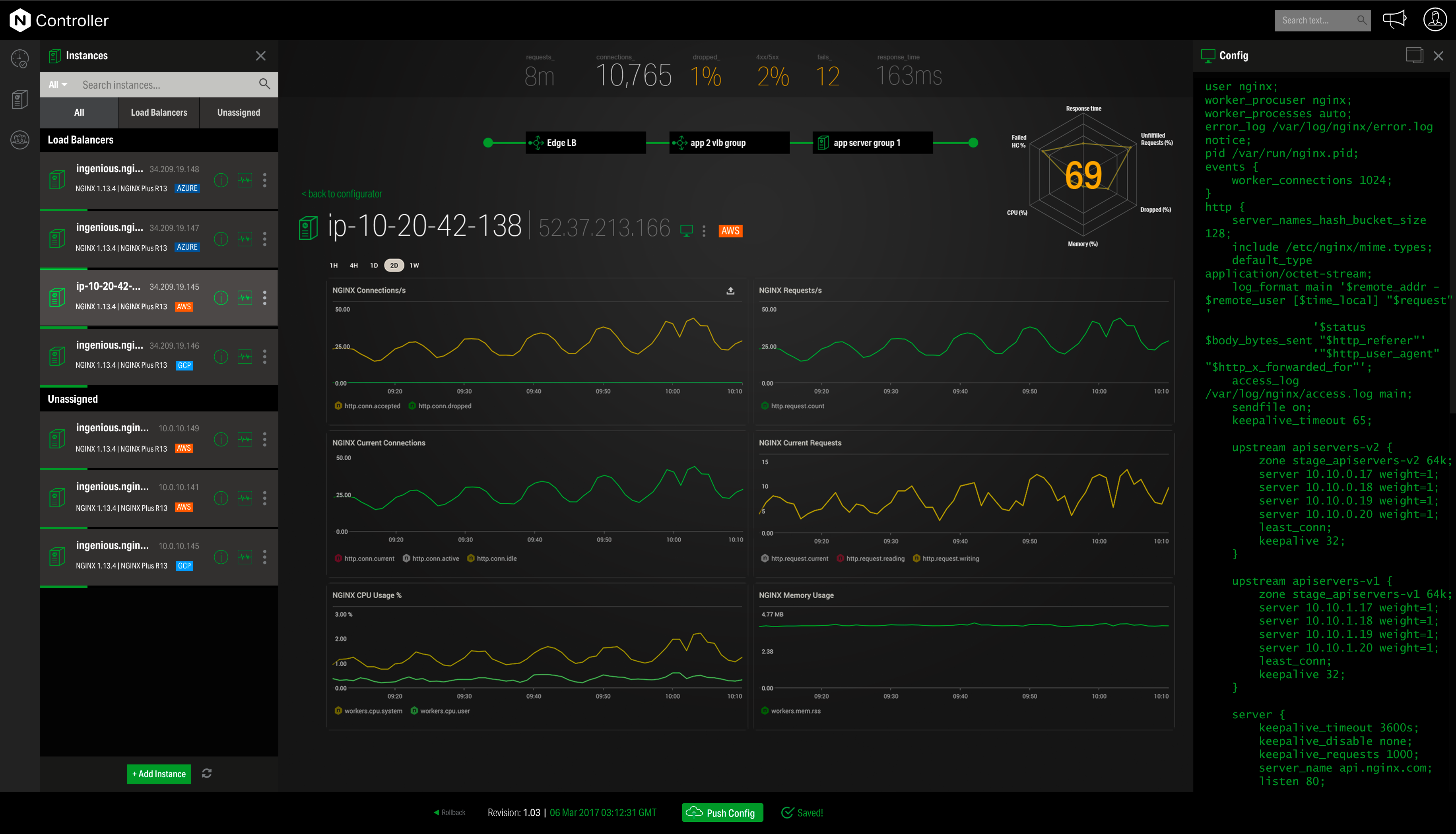  |




