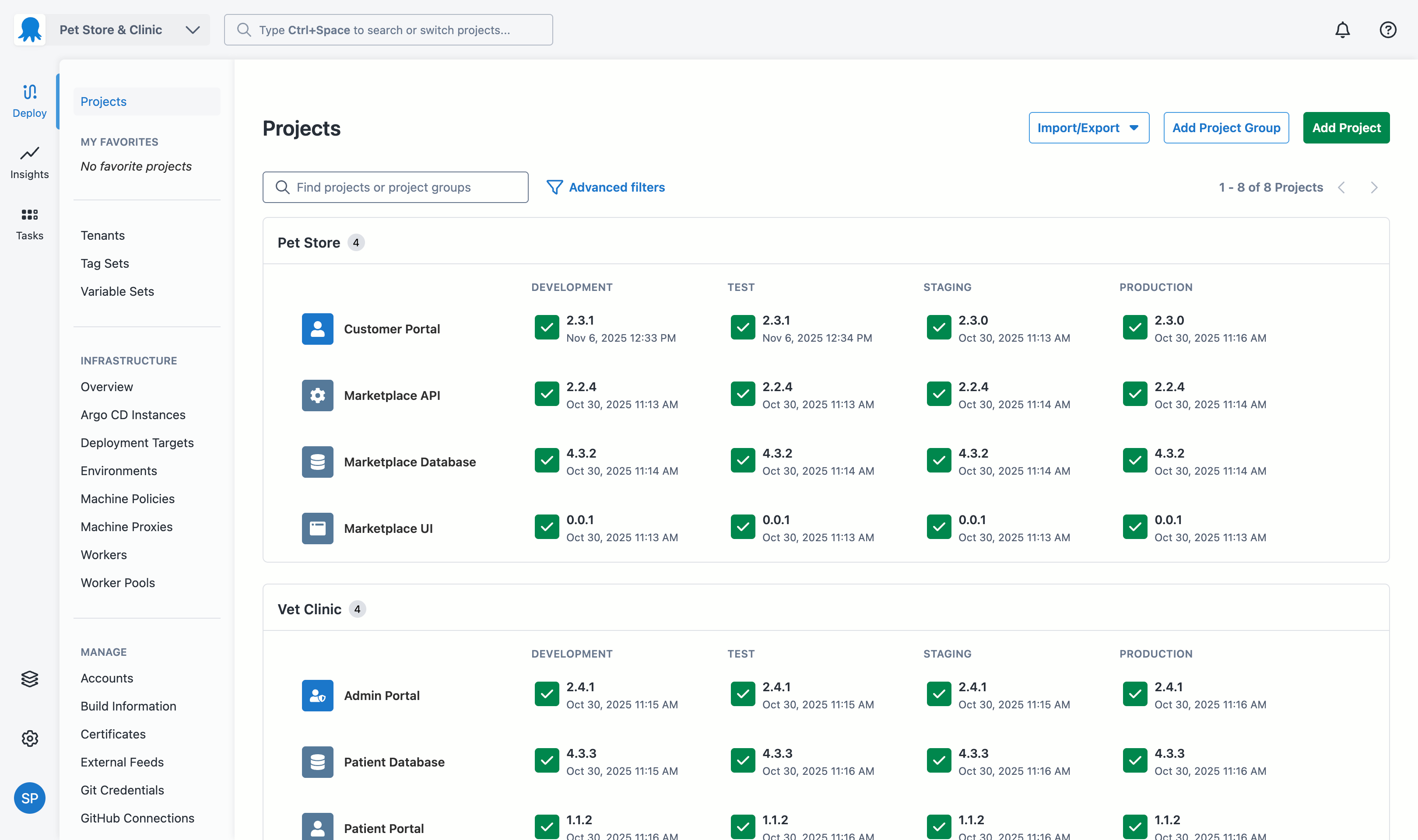
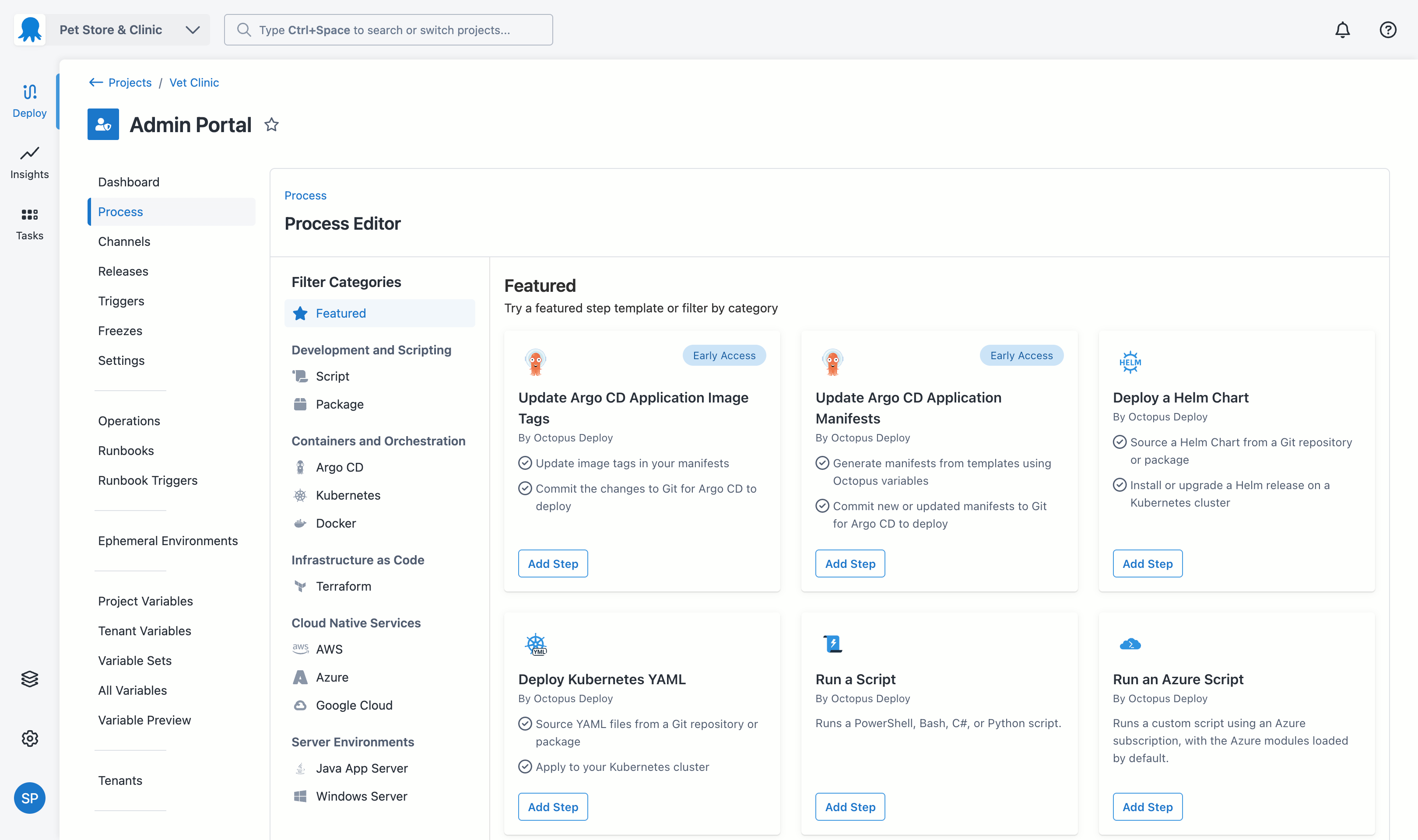
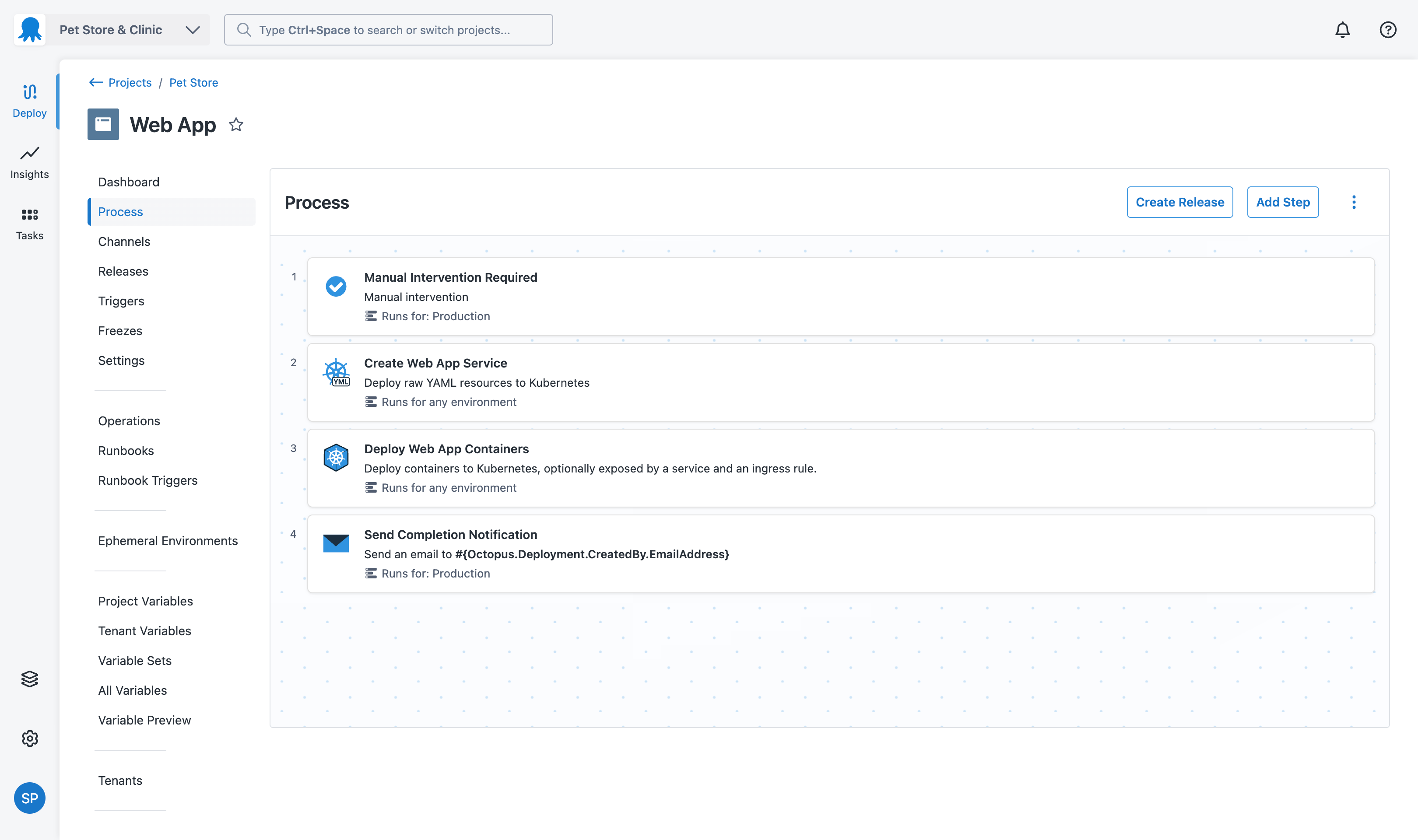
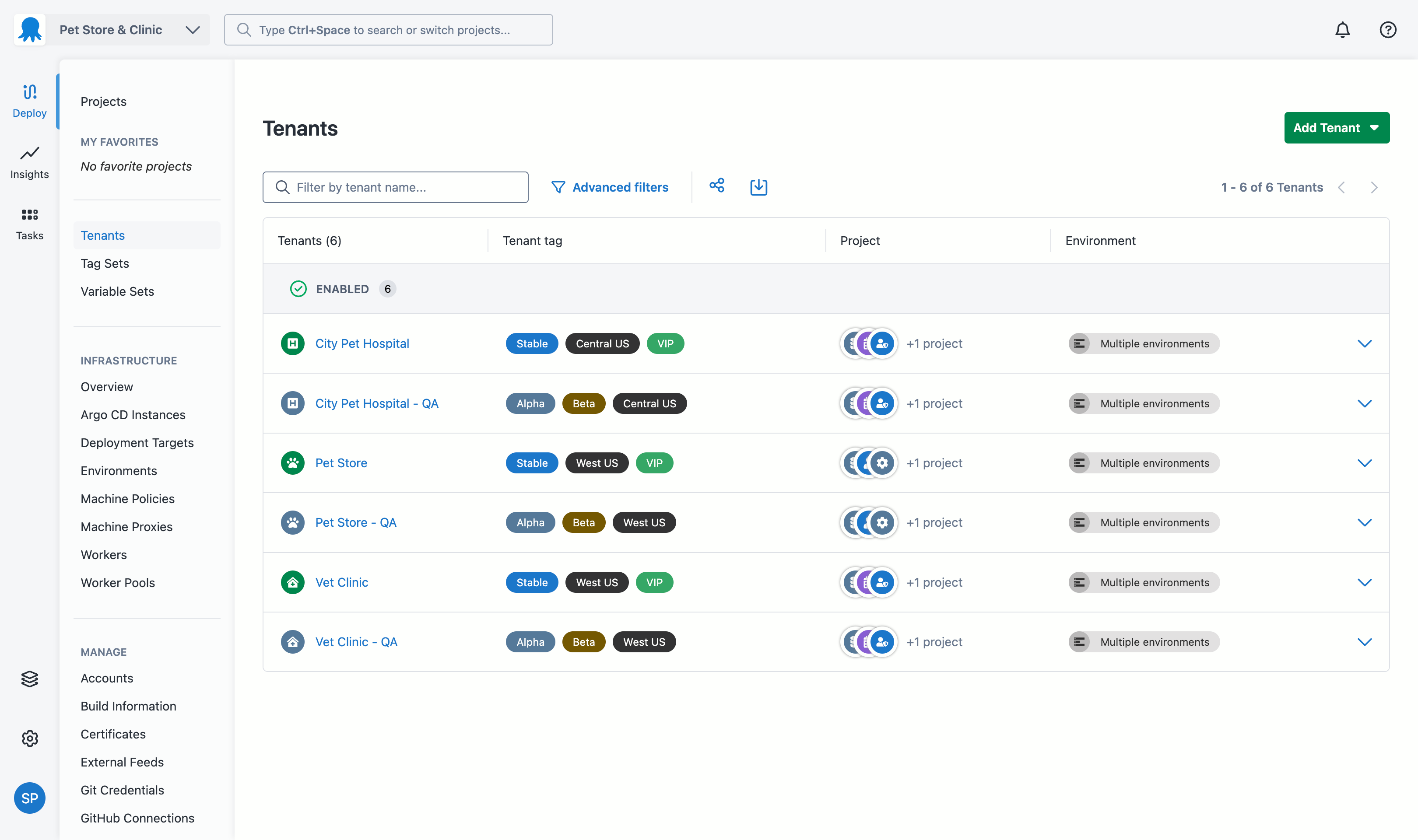
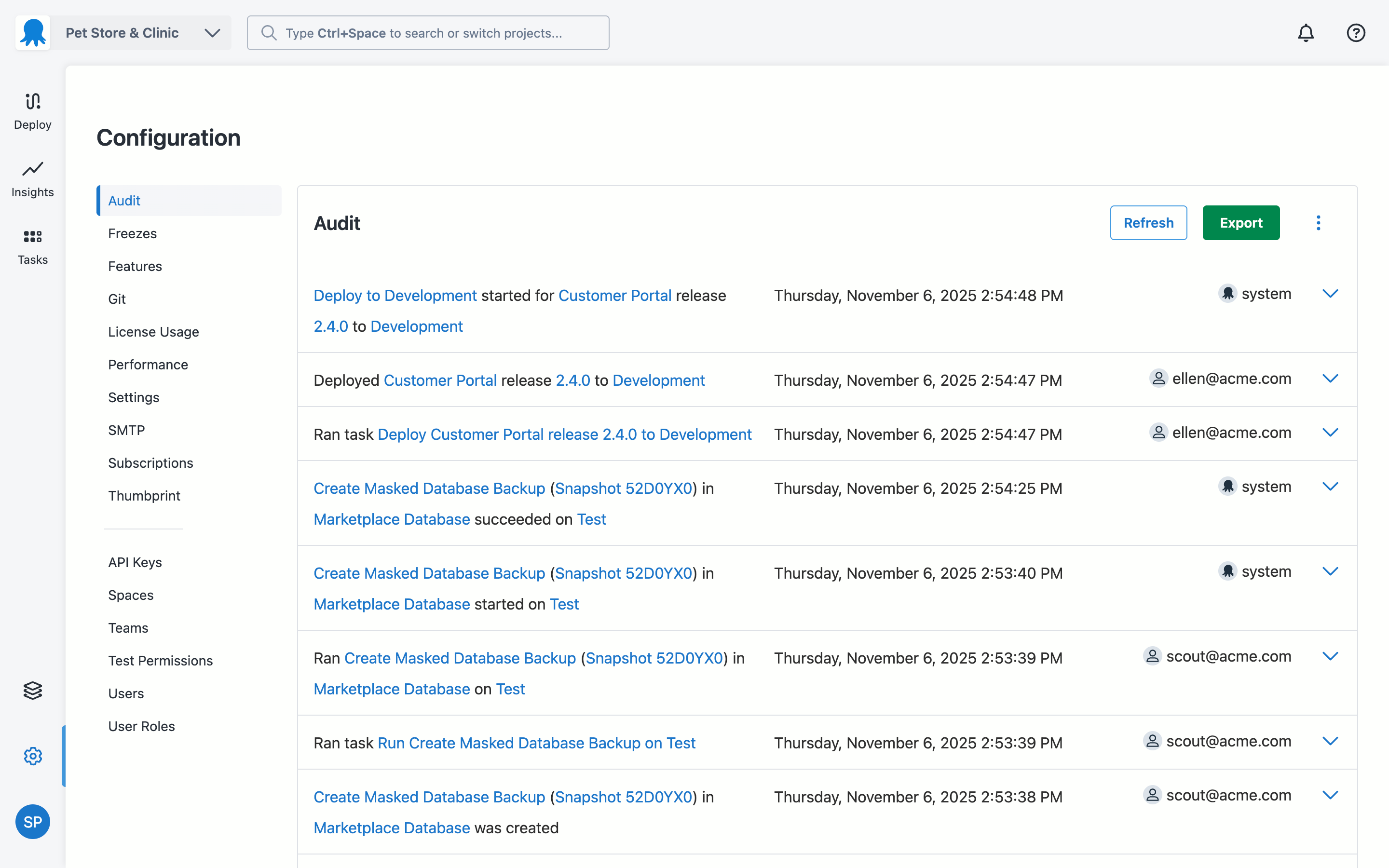
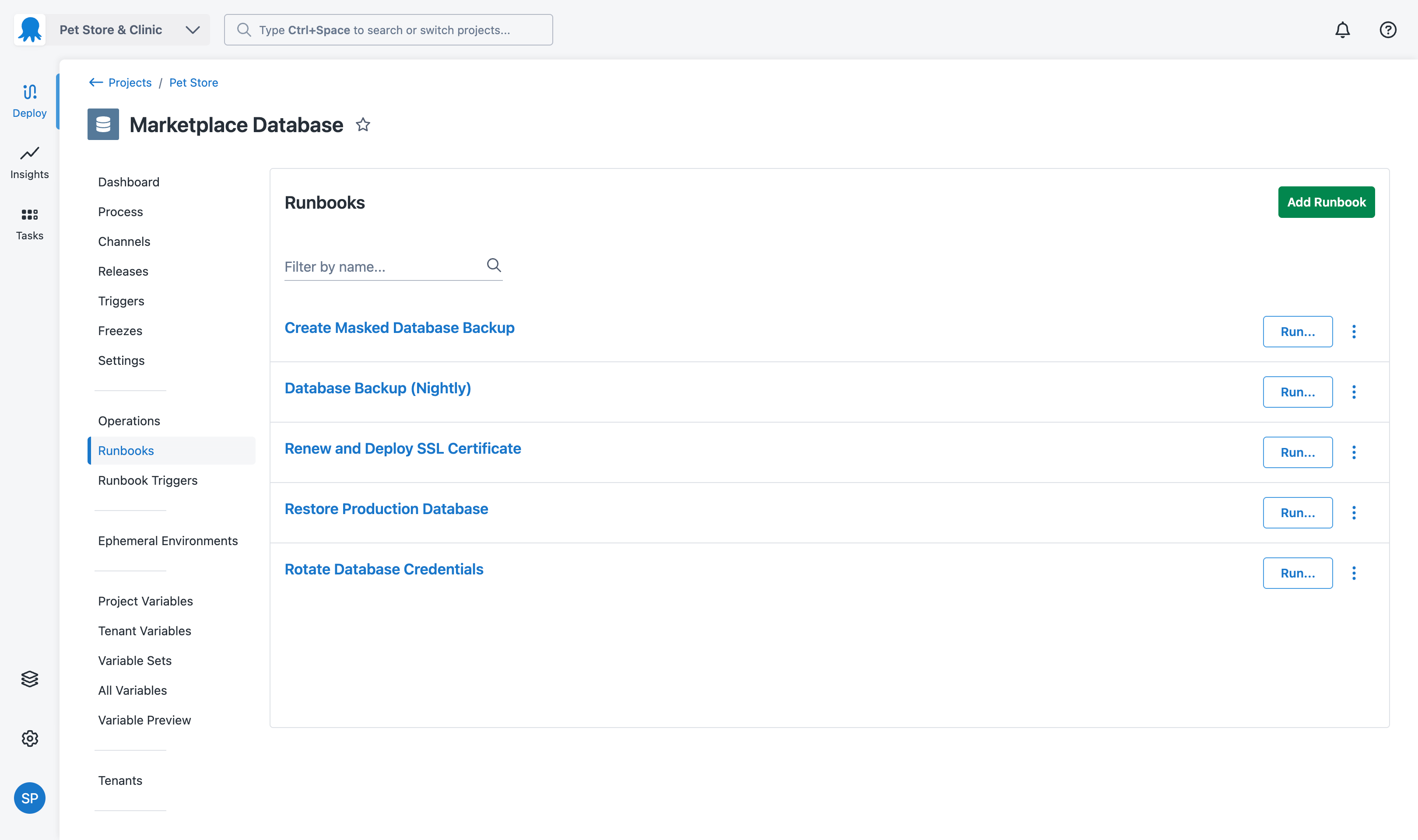
Australian company Octopus Deploy offers their eponymous automated deployment and release management software that integrates with the user's preferred CI server and adds deployment & ops automation capabilities. Octopus Deploy enables developers, release managers, and operations folks to bring all automation into a single place. The vendor states that by reusing configuration variables, environment definition, API keys, connection strings, permissions, service principals, and automation logic,…
$0
per month
Pricing
Octopus Deploy
Editions & Modules
Octopus Server - Professional
$1920
per year starting with 20 projects
Octopus Cloud - Professional
$4170
per year starting with 20 projects
Octopus Server - Enterprise
$14400
per year starting with 100 projects
Octopus Cloud - Enterprise
$23400
per year starting with 100 projects
Cloud
Free
10 users/10 projects/10 tenants/10 machines
Server
Free
10 users/10 projects/10 tenants/10 machines
Offerings
Pricing Offerings
Octopus Deploy
Free Trial
Yes
Free/Freemium Version
Yes
Premium Consulting/Integration Services
Yes
Entry-level Setup Fee
Optional
Additional Details
Octopus Deploy offers a Free tier (Cloud and Server) and a 30-day free trial of the Enterprise tier. No credit card needed.
Octopus also offers a Professional tier with 8/5 support (9 am–5 pm on weekdays). The Enterprise tier provides advanced features for teams to scale, including high availability, DevOps Insights, ServiceNow & Jira Service Management integration, unlimited instances, 24/7 support & service credits, and a dedicated Customer Success Manager.
Octopus Deploy was deemed to be the most user friendly at the time. The demo environment we set up as a test seemed to tick all the boxes in terms of requirements. DevOps may be a longer term solution for our company but the initial setup time was too high for our needs.
We also use Ansible, which is much broader and platform/tool diverse. Octopus [Deploy] currently serves a niche for us - .Net and .Net Core deployments. It is capable of doing other things, but it does its original function better than broader tools like Ansible.
I used TFS back when it was called that, and that was a mess. ADO isn't as bad but has many limitations and things that are hard to do. The main difference is I ENJOY working in Octopus Deploy. Not so much with ADO. I'm always trying to figure out things that are stupid. …
Verified User
Engineer
Chose Octopus Deploy
Octopus showed better cost numbers than Azure DevOps and more flexibility against GitLab CI/CD. Octopus customization in step templates that can be reused and easily created gives big advantages against many of its competitors. Octopus was selected for these features and …
Verified User
Professional
Chose Octopus Deploy
Octopus Deploy was the obvious choice at the time, its strong .net support, robustness, ease of use, and integration into an existing process was a big plus. Also, Octopus Deploy was kind enough to give my organization a not for profit community licence. In addition, the …
This software, unlike Chef, is much easier to configure or manage, since its platform provides documentation or tutorials on how to use it, besides its interface is much more modern and easy to use, it allows you to choose where you want carry out the implementations of the …
I am not aware of other products like Octopus that are available, but it is a great product for our company. We can stay ahead of the game by allowing developers to deploy code in a continuous deployment model while still maintaining the overrall infrastructure and enabling …
TeamCity is focused more on the build process. It's deployment capabilities are weak compared to Octopus. Bamboo is a proper competitor, but it is far more costly for our needs. The free version of Octopus has proven incredibly competent and sufficient for our needs, and Bamb…
There aren't really any competitors in the land of ASP.NET. Deployment is too ad-hoc. Other tools exist that have massive downsides, like Web Deploy. Most aren't even supported anymore. You could argue that containers (Docker) are a competitor, but containers cannot be used for …
Octopus Deploy is a deployment focused tool. Its purpose is to manage deployment environments. Tools like TeamCity and Visual Studio Team Services are Continuous Integration tools. You can accomplish many of the same tasks in TeamCity and VSTS but their focus on CI also means …
We looked at IBM UrbanCode Deploy and Release and Microsoft VSTS while looking for Application Release Automation tools. While VSTS doesn't work with cross-platform technologies IBM UrbanCode Deploy commands a premium price for the features it offers. Also, it needs UrbanCode …
Octopus Deploy is well suited for our requirements of deploying across multiple environments with one consistent release. We are saving a lot of time by not having to package and move release files around. Our release process is more efficient and consistent with automation. There are some parts that we could probably perform with existing tools such as DevOps and there are one or two features we have to workaround to fit for our setup such as the step templates to install websites. These are minor in our opinion.
In the past has been somewhat .net focused but that has been changing in recent times
Would be great if community licenses for NFP organizations were perpetual - but in saying that I appreciate that Octopus does provide my organization with a community [license]. Not all organisations do
Octopus Deploy has greatly helped us to improve our reliability and frequency of our deployments and given us the confidence to deploy much more often, with a direct benefit to customers. Cross-platform support and release to Cloud require more focus on the product side.
Octopus Deploy is a software that runs very effectively, is easy to use, does not require such a high learning curve, provides the necessary tools to carry out the functions it offers, making it a very flexible software, it also allows that can be configured according to the needs of the user and provides integrations with other very advantageous tools since they are carried out in a very favorable way.
Octopus Deploy support has always been there for us, even when using the free tier, we get responsive hands-on help. We haven't needed to use that level of support since the documentation is clearly written, and help is readily available within the interface itself. Using Octopus Deploy is a truly joyful experience.
There aren't really any competitors in the land of ASP.NET. Deployment is too ad-hoc. Other tools exist that have massive downsides, like Web Deploy. Most aren't even supported anymore. You could argue that containers (Docker) are a competitor, but containers cannot be used for everything and solve a somewhat different problem. Octopus Deploy is even able to help with containers. To us, Octopus Deploy was really the only really polished solution.