PTC offers Windchill, the company's Product Lifecycle Management (PLM) platform that includes BOM (a digital bill of materials) for cost and product quality control via parts-centric source of truth, dynamic and updated product change and configuration management to ensure up-to-date product information, industry standards and requirements validation and control, and role-based data access among other features.
N/A
SAP Integrated Product Development
Score 9.0 out of 10
N/A
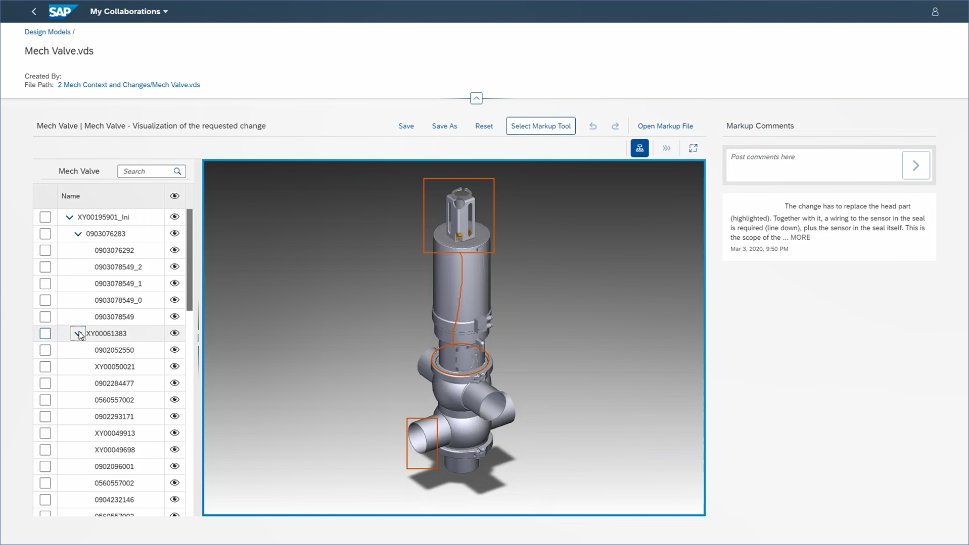
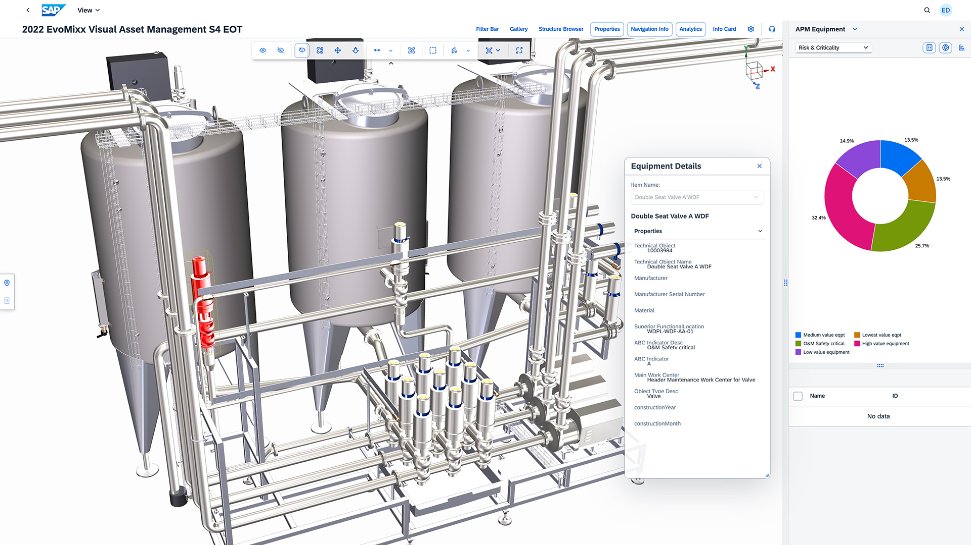
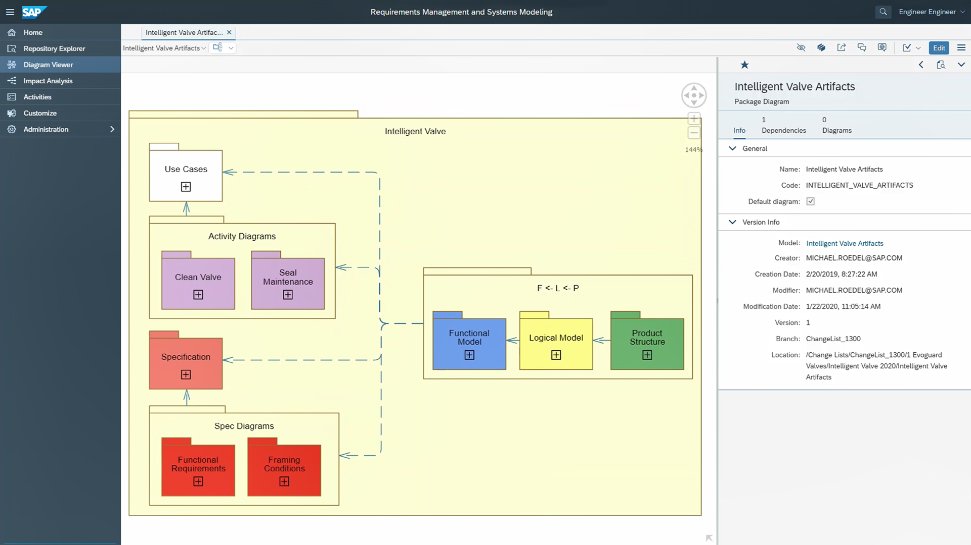
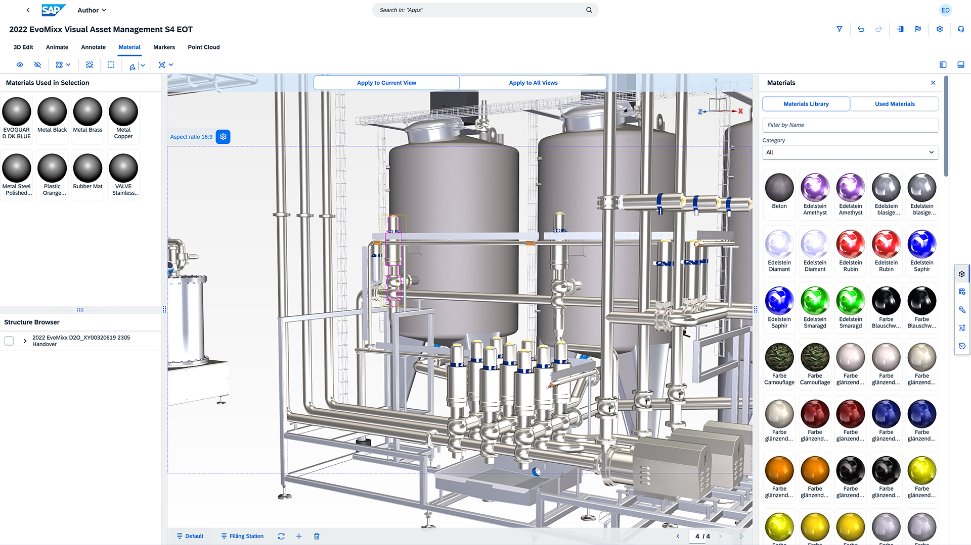
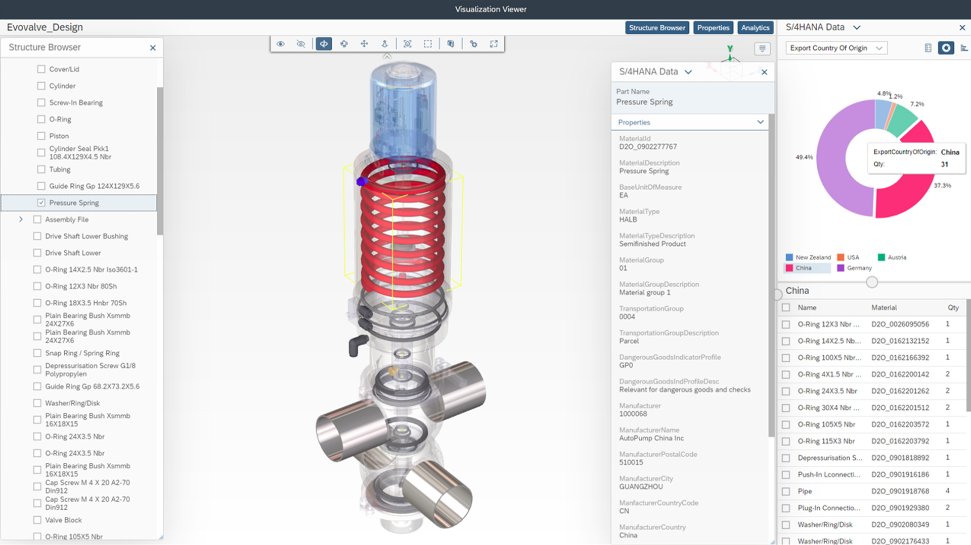
SAP Integrated Product Development is a product lifecycle management solution used to define, develop, and deliver innovative and sustainable products faster by connecting insights, processes, and people.
N/A
Wind River Simics
Score 0.0 out of 10
N/A
Wind River Simics is a full-system simulator used by software developers to simulate the hardware of complex electronic systems. Simics allows on-demand access to any target system, more collaboration between developers, and automation. Simics helps the user adopt new development techniques that are simply not possible with physical hardware, to help users develop better software.
It can be compared directly to any CMS at the base level. Sharepoint/Drupal are in this category and support document versioning, search, collections. Furthermore, certainly in Sharepoint you can build flows and manage system logic through power automate, sharepoint lists and …
It has wonderful features and excellent customised facilities. It has wonderful integration with CREO and ERP. These features make this software my choice.
Windchill is having a great market share & its UI is simple & neat, integration with Creo & ERP system. These are the main reasons of considering Windchill by our organization.
PTC Windchill is a PLM complete system for a larger company. You can connect all areas of your company to a single source data system. It helps solve the age-old question, what is the best way to get the most important information into the hands that need it. It helps organize …
Unified ecosystem with existing SAP ERP clients, which is the major advantage for us. Also backend support from BTP integration for technical reporting, which indeed uses HANA database and improves performance. Plus point of being to be integrated inside SAP Integration suite …
The "One Version of the Truth" Mandate: Most organizations select SAP IPD not because it has the best CAD tools, but because it eliminates the "wall" between engineering and the rest of the company. If you need to know the real-time cost of a design change or its impact on your …
SAP PLM encompasses SAP BW and SAP PRD. We tend to focus more on the SAP PRD portion as it directly involves more closely to production. We selected SAP PLM because it gives us a great visibility in the life cycle of materials, products and overall costs. SAP PLM compliments …
It provides in-depth product information such as Technical Data, CAD model, 2D drawing, ECR document, ECN document. Integration between windchill and creo is seamless. In addition to it, it provides necessary tools for data transfer, distribution, reviewing, and publishing of product data. Moreover, one can manage the complete product life cycle just on the web.
Pros: Global collaboration and cloud based solutions in once place. As this suits the environment we are in with more presence in different countries. Cons: Its difficult in for integrations to third party tools and also not recommended when implemented smaller levels (like single country or product line based)
Windchill is an extremely verbose and unintuitive system, with masses of unnecessary duplication of fields, convoluted workflows, unclear roles and terrible search capabilities. It is one of the worst software products I have ever seen to propose solving something that is actually factors quicker to do with manual writing and paper work
We just need to think about where we were back in the past and where we are at now! We used to have total chaos where everyone was working their own way. Now all involved groups work together as one team. This has increased the overall efficiency and the results are really astonishing!
It can be compared directly to any CMS at the base level. SharePoint/Drupal are in this category and support document versioning, search, collections. Furthermore, certainly in SharePoint you can build flows and manage system logic through power automate, SharePoint lists and power apps. Furthermore, it is possible to assign a multitude of roles/groups to SharePoint. SharePoint can present documents in-frame, it can search and so on. Where Windchill proposes to improve upon the CMS is in providing the roles and flows, in this case, specific to a QMS. Unfortunately it does not include the grass roots level build of something like SimplerQMS which incorporates even the generation of the required documents in phase through templates and suggestions. Windchill proposes to address the niche problem of an eQMS, without really providing anything that is implied by the "e" for electronic, meaning faster and more efficient. No, everything in Windchill is manual, intensive and convoluted. I don't have a good word to say about it.
Unified ecosystem with existing SAP ERP clients, which is the major advantage for us. Also backend support from BTP integration for technical reporting, which indeed uses HANA database and improves performance. Plus point of being to be integrated inside SAP Integration suite with other third party software as well.
Saves time as all of our drawings and business instructions and procedures are housed in a central location with check-in/out capability and version control.
Accurately able to order raw materials which are necessary for the current production run, thus reducing overhead.
The negative impact would be the initial cost of the software and how long it would take to ROI that cost.
It has allowed us to control batches of product creation much more closer and have the ability to cut some erroneous costs which were found in large batches.