
PTC Windchill vs. SAP Integrated Product Development vs. SiliconExpert
PTC Windchill vs. SAP Integrated Product Development vs. SiliconExpert
| Product | Rating | Most Used By | Product Summary | Starting Price |
|---|---|---|---|---|
 PTC Windchill | N/A | PTC offers Windchill, the company's Product Lifecycle Management (PLM) platform that includes BOM (a digital bill of materials) for cost and product quality control via parts-centric source of truth, dynamic and updated product change and configuration management to ensure up-to-date product information, industry standards and requirements validation and control, and role-based data access among other features. | N/A | |
 SAP Integrated Product Development | N/A | SAP Integrated Product Development is a product lifecycle management solution used to define, develop, and deliver innovative and sustainable products faster by connecting insights, processes, and people. | N/A | |
 SiliconExpert | N/A | SiliconExpert Technologies headquartered in Cambridge offers a bill of materials management suite, providing part search, and product cost management. | N/A |
| PTC Windchill | SAP Integrated Product Development | SiliconExpert | ||||||||||||||||||||||
|---|---|---|---|---|---|---|---|---|---|---|---|---|---|---|---|---|---|---|---|---|---|---|---|---|
| Editions & Modules | No answers on this topic | No answers on this topic | No answers on this topic | |||||||||||||||||||||
| Offerings |
| |||||||||||||||||||||||
| Entry-level Setup Fee | No setup fee | No setup fee | No setup fee | |||||||||||||||||||||
| Additional Details | — | — | — | |||||||||||||||||||||
| More Pricing Information | ||||||||||||||||||||||||
| PTC Windchill | SAP Integrated Product Development | SiliconExpert |
|---|
| PTC Windchill | SAP Integrated Product Development | SiliconExpert | |
|---|---|---|---|
| Small Businesses |  monday dev Score 8.5 out of 10 | monday dev Score 8.5 out of 10 | No answers on this topic |
| Medium-sized Companies |  Teamcenter Score 8.8 out of 10 | Teamcenter Score 8.8 out of 10 | Teamcenter Score 8.8 out of 10 |
| Enterprises |  Roadmunk Score 9.0 out of 10 | Roadmunk Score 9.0 out of 10 | Teamcenter Score 8.8 out of 10 |
| All Alternatives | View all alternatives | View all alternatives | View all alternatives |
| PTC Windchill | SAP Integrated Product Development | SiliconExpert | |
|---|---|---|---|
| Likelihood to Recommend | 1.0 (6 ratings) | 6.8 (6 ratings) | 8.0 (3 ratings) |
| Usability | 1.0 (1 ratings) | 7.3 (3 ratings) | - (0 ratings) |
| Support Rating | - (0 ratings) | 8.1 (2 ratings) | - (0 ratings) |
| PTC Windchill | SAP Integrated Product Development | SiliconExpert | |
|---|---|---|---|
| Likelihood to Recommend |  PTC
| SAP
 Sam Figueroa Associate Staff Systems Specialist | SiliconExpert Technologies
|
| Pros | PTC
 Harmeet Singh Senior Engineer- Design & Development | SAP
| SiliconExpert Technologies
 Anurag Chaudhary Engineer (Design & Development) |
| Cons | PTC
 Akash Dubey Senior Design Engineer | SAP
| SiliconExpert Technologies
|
| Usability | PTC
| SAP
| SiliconExpert Technologies No answers on this topic |
| Support Rating | PTC No answers on this topic | SAP
| SiliconExpert Technologies No answers on this topic |
| Alternatives Considered | PTC
Anurag Chaudhary Engineer (Design & Development) | SAP
Sam Figueroa Associate Staff Systems Specialist | SiliconExpert Technologies
|
| Return on Investment | PTC
| SAP
Sam Figueroa Associate Staff Systems Specialist | SiliconExpert Technologies
Anurag Chaudhary Engineer (Design & Development) |
| ScreenShots | SAP Integrated Product Development Screenshots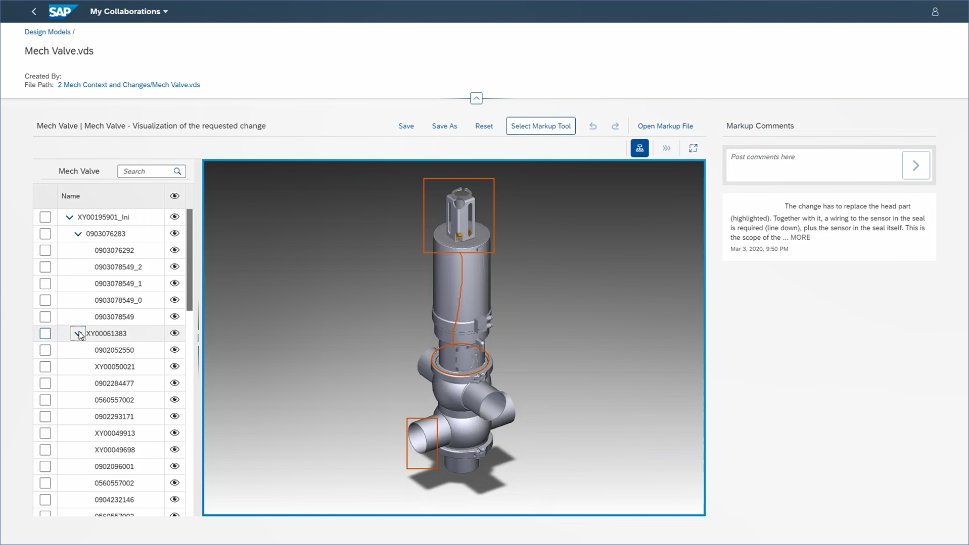 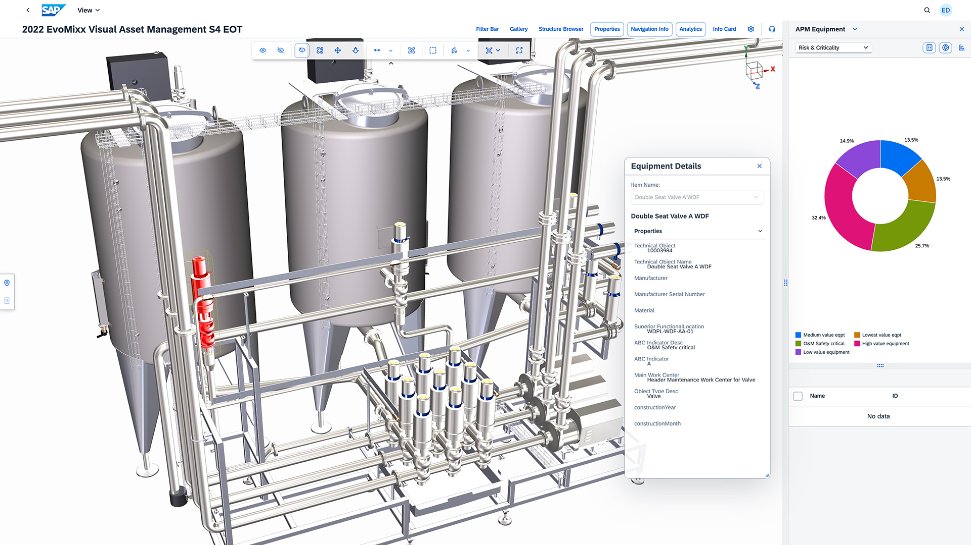 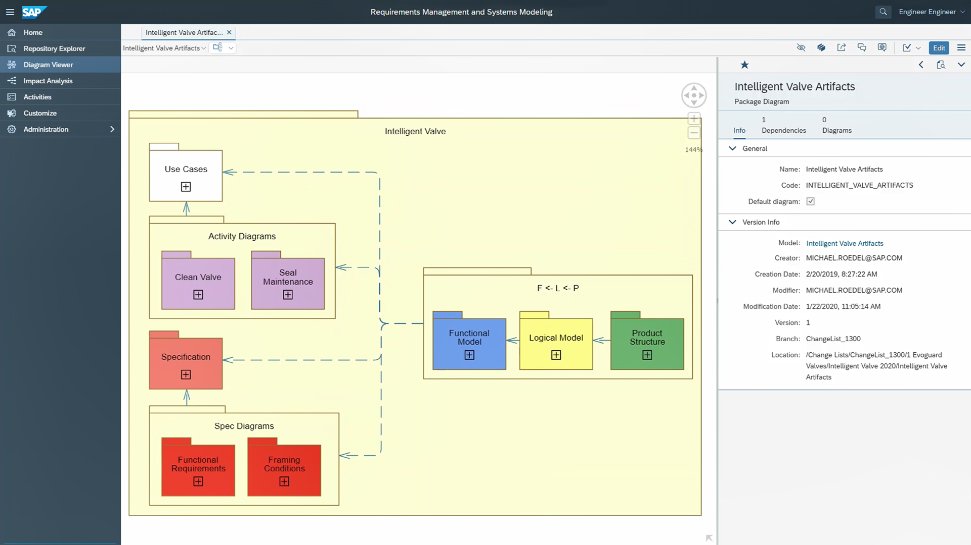 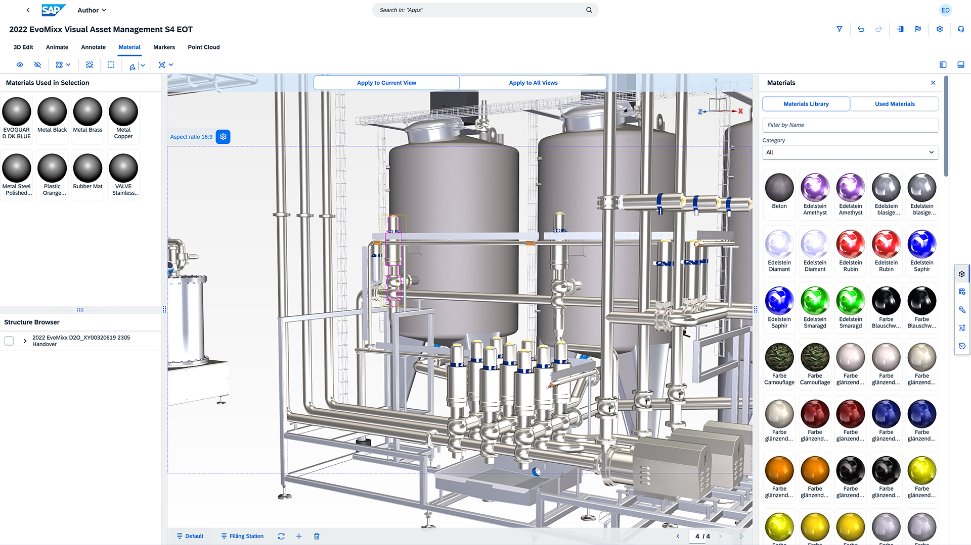 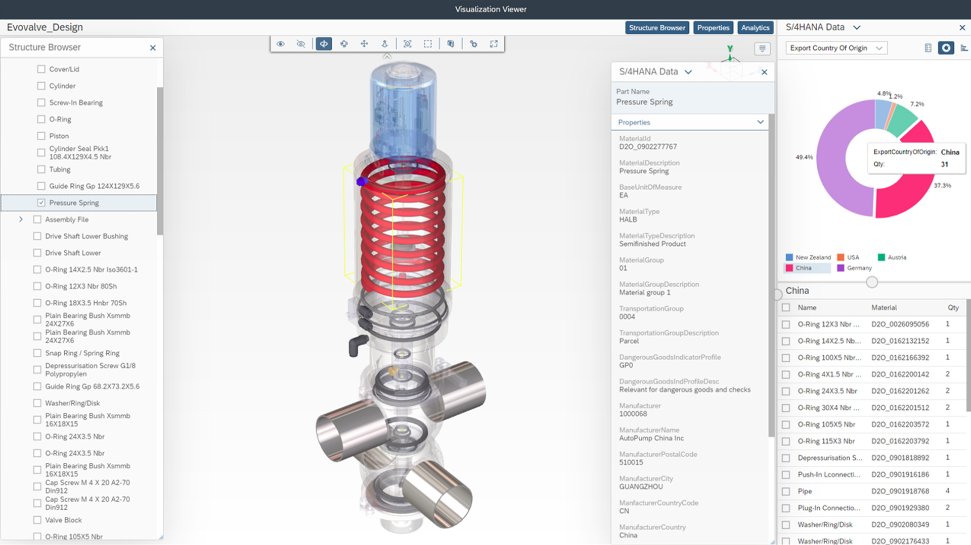 |