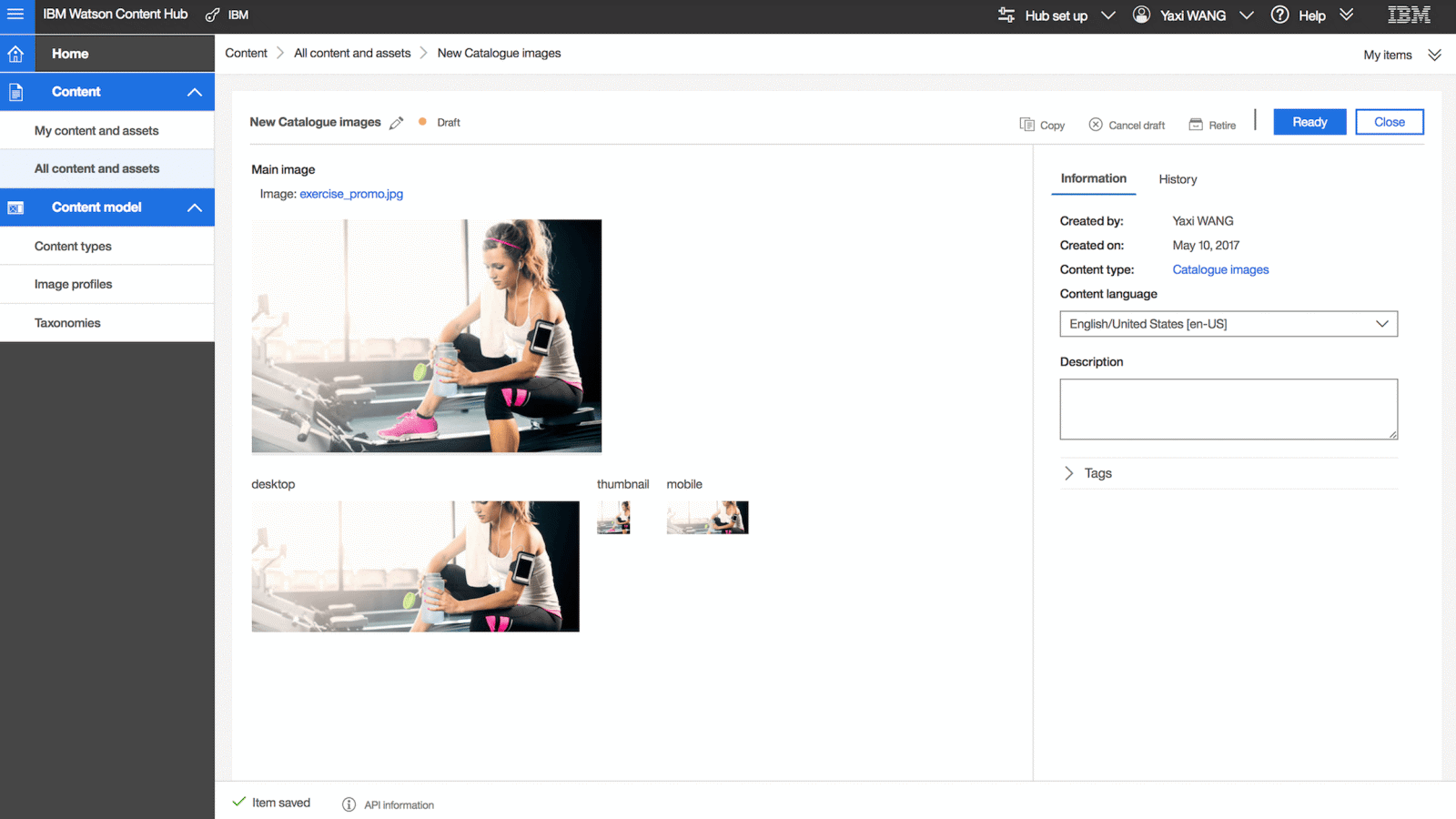
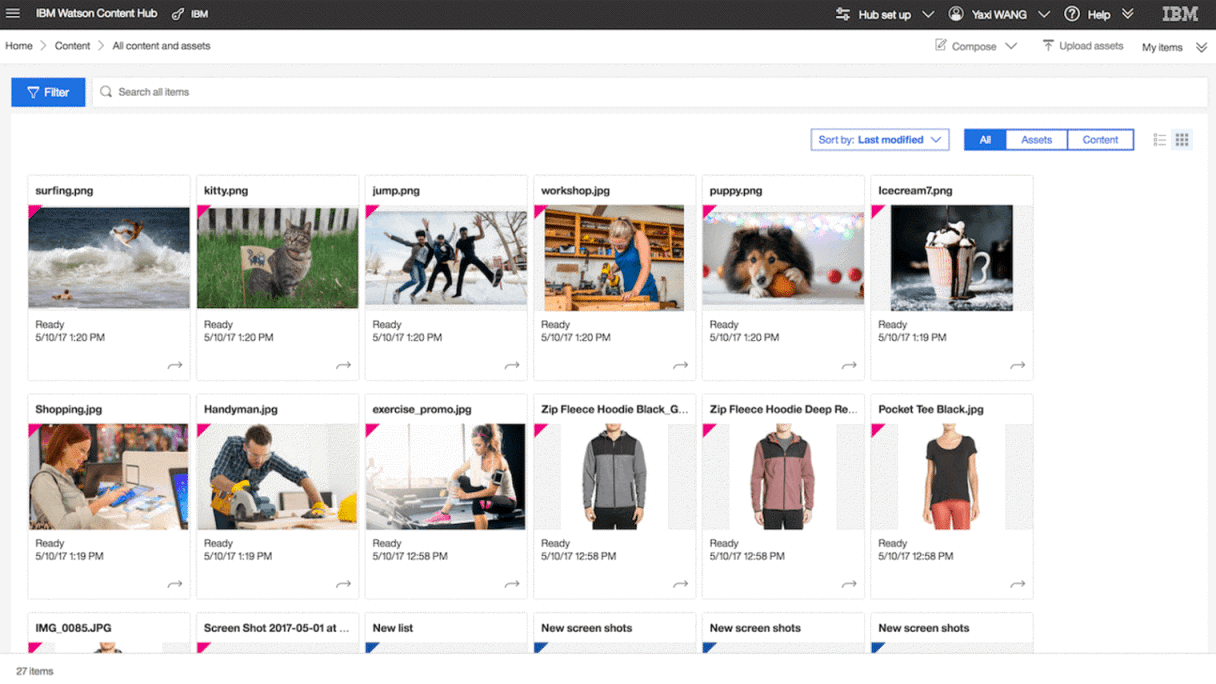
Acoustic Content (formerly Watson Content Hub) gives business owners the power to create, robust and consistent brand experiences using cloud-based, cognitive content management capabilities. Marketing and merchandising professionals can quickly select content to create relevant offers delivered across multiple channels, such as mobile, web-based or email. Acoustic is an independent spun off from IBM Watson Marketing in 2019.
N/A
Makeswift
Score8 out of 10
N/A
Makeswift is a composable visual editor for headless websites and storefronts. From BigCommerce, the page builder aims to put marketers in the driver's seat without compromising on site performance or developer experience.
$79
per month
Pricing
Acoustic Content
Makeswift
Editions & Modules
No answers on this topic
Starter
$79
per month
Team
$299
per month
Enterprise
Contact Sales
plans start at 10 users, 100 monthly publishes, and 10 locales
Offerings
Pricing Offerings
Acoustic Content
Makeswift
Free Trial
Yes
No
Free/Freemium Version
No
Yes
Premium Consulting/Integration Services
No
No
Entry-level Setup Fee
No setup fee
No setup fee
Additional Details
—
—
More Pricing Information
Features
Acoustic Content
Makeswift
Security
Comparison of Security features of Acoustic Content and Makeswift
Feature
Acoustic Content
8.4
3 Ratings
2% above category average
Makeswift
8.0
1 Ratings
3% below category average
Role-based user permissions
8.43 Ratings
8.01 Ratings
Platform & Infrastructure
Comparison of Platform & Infrastructure features of Acoustic Content and Makeswift
Feature
Acoustic Content
8.4
3 Ratings
7% above category average
Makeswift
8.5
1 Ratings
8% above category average
API
8.33 Ratings
9.01 Ratings
Internationalization / multi-language
8.43 Ratings
8.01 Ratings
Web Content Creation
Comparison of Web Content Creation features of Acoustic Content and Makeswift
Feature
Acoustic Content
8.6
3 Ratings
9% above category average
Makeswift
7.5
1 Ratings
4% below category average
WYSIWYG editor
7.43 Ratings
10.01 Ratings
Code quality / cleanliness
8.33 Ratings
9.01 Ratings
Admin section
8.33 Ratings
7.01 Ratings
Page templates
8.33 Ratings
6.01 Ratings
Library of website themes
9.03 Ratings
5.01 Ratings
Mobile optimization / responsive design
9.03 Ratings
9.01 Ratings
Publishing workflow
9.43 Ratings
8.01 Ratings
Form generator
9.43 Ratings
6.01 Ratings
Web Content Management
Comparison of Web Content Management features of Acoustic Content and Makeswift
We can organize all our content easily by uploading content files and other digital assets. CMS smart AI generates metadata by tagging them automatically which helps us to sort our content into different categories. CMS content modeling feature helps us to visualize our content structure, assemble them in an intelligent manner and reuse the content whenever we want to for different purposes.
A de minimis incentive was given to thank the reviewer for their time. The incentive was not used to bias or drive a particular response, nor was the incentive contingent on a positive endorsement. More Info
Makeswift is an excellent choice when you need to create high quality landing pages. Since it removes the code process, you can move from a design concept to a live site easily. It is particularly helpful for designers who want total creative freedom, as the interface feels more like Figma than a normal website builder. Plus, it’s a lifesaver for collaborative teams because the real time editing allows different people to create and design at the same time without any friction. On the other hand, it might not be the right tool if you are trying to build a complex web application like a custom dashboard or an e-commerce store with thousands of filters. It’s also important to note that while it is no code for design work, the initial setup like getting custom components or the localhost environment running usually requires a developer’s assistance.
A de minimis incentive was given to thank the reviewer for their time. The incentive was not used to bias or drive a particular response, nor was the incentive contingent on a positive endorsement. More Info
A de minimis incentive was given to thank the reviewer for their time. The incentive was not used to bias or drive a particular response, nor was the incentive contingent on a positive endorsement. More Info
A de minimis incentive was given to thank the reviewer for their time. The incentive was not used to bias or drive a particular response, nor was the incentive contingent on a positive endorsement. More Info
A de minimis incentive was given to thank the reviewer for their time. The incentive was not used to bias or drive a particular response, nor was the incentive contingent on a positive endorsement. More Info
Once you are inside the builder, the daily experience is incredibly smooth. It really does feel like a strong design tool rather than a clunky website builder. The drag and drop feature is fluid and the collaboration mode makes working with my team feel natural rather than a headache. It’s intuitive enough that I can jump in and make significant changes without feeling like I need a manual next to me.
A de minimis incentive was given to thank the reviewer for their time. The incentive was not used to bias or drive a particular response, nor was the incentive contingent on a positive endorsement. More Info
A de minimis incentive was given to thank the reviewer for their time. The incentive was not used to bias or drive a particular response, nor was the incentive contingent on a positive endorsement. More Info
Essentially the learning curve. I chose Makeswift because it feels much more like a design tool (like Figma) than a development environment. It gives the designers the control to create what they want. It allows to move faster, collaborate in real time without locking each other out of pages, and still gives the developers the freedom to drop in custom components when we need something specific.
A de minimis incentive was given to thank the reviewer for their time. The incentive was not used to bias or drive a particular response, nor was the incentive contingent on a positive endorsement. More Info
With the AI based content organizer in place, we can focus more on the content creation.
Acoustic Content makes sure your content is safe and secure with its Content Delivery Networks and we can easily pull out the right content into our channels with the help of its REST APIs.
With their rich Digital Asset Management capabilities, we can find most suitable images to go with your content
A de minimis incentive was given to thank the reviewer for their time. The incentive was not used to bias or drive a particular response, nor was the incentive contingent on a positive endorsement. More Info
A de minimis incentive was given to thank the reviewer for their time. The incentive was not used to bias or drive a particular response, nor was the incentive contingent on a positive endorsement. More Info