
Pavan sreevatsav Akula
Cyber Security Analyst
Chose ArangoDB
It uses AQL query Language, which is different from other Databases.
It has flexibility to integrate in cloud, on-prem anywhere
It has flexibility to integrate in cloud, on-prem anywhere

| Product | Rating | Most Used By | Product Summary | Starting Price |
|---|---|---|---|---|
 ArangoDB | N/A | ArangoDB is a distributed free and open-source database with a flexible data model for graphs, documents, and key-values. Its supporters state that developers can build high performance applications on top of ArangoDB using a convenient SQL-like query language or JavaScript extensions. | N/A | |
 MongoDB | N/A | MongoDB is an open source document-oriented database system. It is part of the NoSQL family of database systems. Instead of storing data in tables as is done in a "classical" relational database, MongoDB stores structured data as JSON-like documents with dynamic schemas (MongoDB calls the format BSON), making the integration of data in certain types of applications easier and faster. | $0.10 million reads | |
 Presto | N/A | Presto is an open source SQL query engine designed to run queries on data stored in Hadoop or in traditional databases. Teradata supported development of Presto followed the acquisition of Hadapt and Revelytix. | N/A |
| ArangoDB | MongoDB | Presto | ||||||||||||||||||||||
|---|---|---|---|---|---|---|---|---|---|---|---|---|---|---|---|---|---|---|---|---|---|---|---|---|
| Editions & Modules | No answers on this topic |
| No answers on this topic | |||||||||||||||||||||
| Offerings |
| |||||||||||||||||||||||
| Entry-level Setup Fee | No setup fee | No setup fee | No setup fee | |||||||||||||||||||||
| Additional Details | — | Fully managed, global cloud database on AWS, Azure, and GCP | — | |||||||||||||||||||||
| More Pricing Information | ||||||||||||||||||||||||
| ArangoDB | MongoDB | Presto | |
|---|---|---|---|
| Considered Multiple Products |  ArangoDB Pavan sreevatsav Akula Cyber Security Analyst Chose ArangoDB It uses AQL query Language, which is different from other Databases. It has flexibility to integrate in cloud, on-prem anywhere |  MongoDB No answer on this topic | Presto No answer on this topic |
| ArangoDB | MongoDB | Presto | |||||||||||||||||||||||||||||||
|---|---|---|---|---|---|---|---|---|---|---|---|---|---|---|---|---|---|---|---|---|---|---|---|---|---|---|---|---|---|---|---|---|---|
| NoSQL Databases |
|
| ArangoDB | MongoDB | Presto | |
|---|---|---|---|
| Small Businesses |  InfluxDB Score 8.8 out of 10 |  IBM Cloudant Score 7.4 out of 10 |  InterSystems IRIS Score 7.8 out of 10 |
| Medium-sized Companies |  SQLite Score 8.1 out of 10 | IBM Cloudant Score 7.4 out of 10 | InterSystems IRIS Score 7.8 out of 10 |
| Enterprises | SQLite Score 8.1 out of 10 | IBM Cloudant Score 7.4 out of 10 |  SAP IQ Score 10.0 out of 10 |
| All Alternatives | View all alternatives | View all alternatives | View all alternatives |
| ArangoDB | MongoDB | Presto | |
|---|---|---|---|
| Likelihood to Recommend | 8.0 (1 ratings) | 10.0 (79 ratings) | 7.8 (2 ratings) |
| Likelihood to Renew | - (0 ratings) | 10.0 (67 ratings) | - (0 ratings) |
| Usability | - (0 ratings) | 10.0 (15 ratings) | - (0 ratings) |
| Availability | - (0 ratings) | 9.0 (1 ratings) | - (0 ratings) |
| Support Rating | - (0 ratings) | 9.6 (13 ratings) | - (0 ratings) |
| Implementation Rating | - (0 ratings) | 8.4 (2 ratings) | - (0 ratings) |
| ArangoDB | MongoDB | Presto | |
|---|---|---|---|
| Likelihood to Recommend | ArangoDB
Pavan sreevatsav Akula Cyber Security Analyst | MongoDB
 Kendal Droddy Senior System Engineer | Open Source  Praveen Murugesan Engineering Manager - Ride Experience |
| Pros | ArangoDB
Pavan sreevatsav Akula Cyber Security Analyst | MongoDB
 Ronald Melendez Desarrollador de software | Open Source
 Corinne Nacin-Martinez Consumer Sales & Sevice Manager |
| Cons | ArangoDB
Pavan sreevatsav Akula Cyber Security Analyst | MongoDB
 Joshua Weaver Developer | Open Source
Praveen Murugesan Engineering Manager - Ride Experience |
| Likelihood to Renew | ArangoDB No answers on this topic | MongoDB
 Jon Kern Manager Strategic Products | Open Source No answers on this topic |
| Usability | ArangoDB No answers on this topic | MongoDB
 Jose Manuel Ortega Software Engineer && Security researcher | Open Source No answers on this topic |
| Support Rating | ArangoDB No answers on this topic | MongoDB
 Mehmet Fatih Onal Technical Architect | Open Source No answers on this topic |
| Implementation Rating | ArangoDB No answers on this topic | MongoDB
 Tom Maiaroto Sr. Platform Developer / UX Designer / Optimization Engineer | Open Source No answers on this topic |
| Alternatives Considered | ArangoDB
Pavan sreevatsav Akula Cyber Security Analyst | MongoDB
 Oleg Chumin Java Software Engineer | Open Source
Corinne Nacin-Martinez Consumer Sales & Sevice Manager |
| Return on Investment | ArangoDB
Pavan sreevatsav Akula Cyber Security Analyst | MongoDB
 Jeff Sherard Senior Leader | Open Source
Praveen Murugesan Engineering Manager - Ride Experience |
| ScreenShots | MongoDB Screenshots     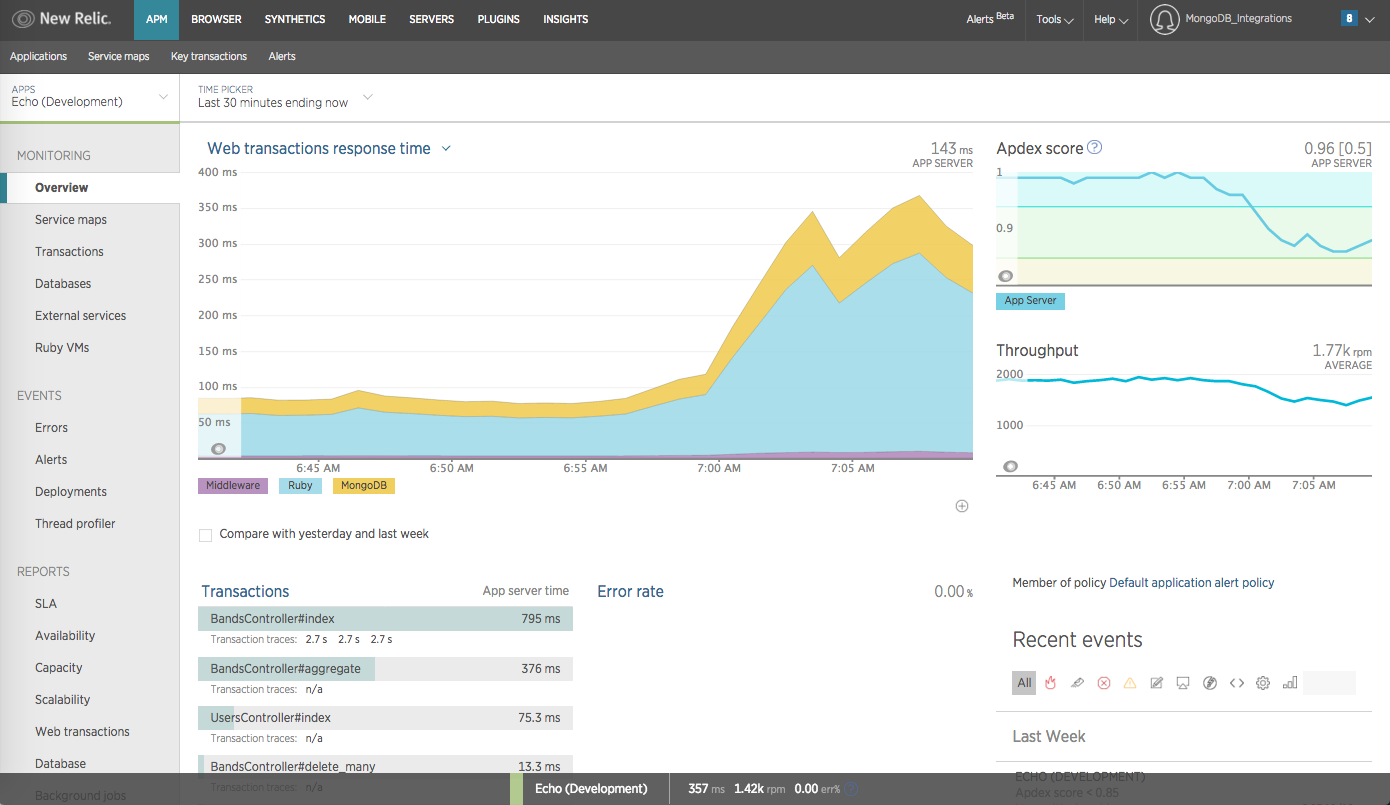 |