Avira Prime, now from Gen (the company formed from the merger of NortonLifeLock, Avast, Avira, and AVG), is an antivirus solution used to protect small businesses, a cross-platform and multi-device solution replacing Avira's legacy antivirus solutions phased out in December of 2021.
$9.99
per month 5 devices
Microsoft Defender for Endpoint
Score 8.9 out of 10
N/A
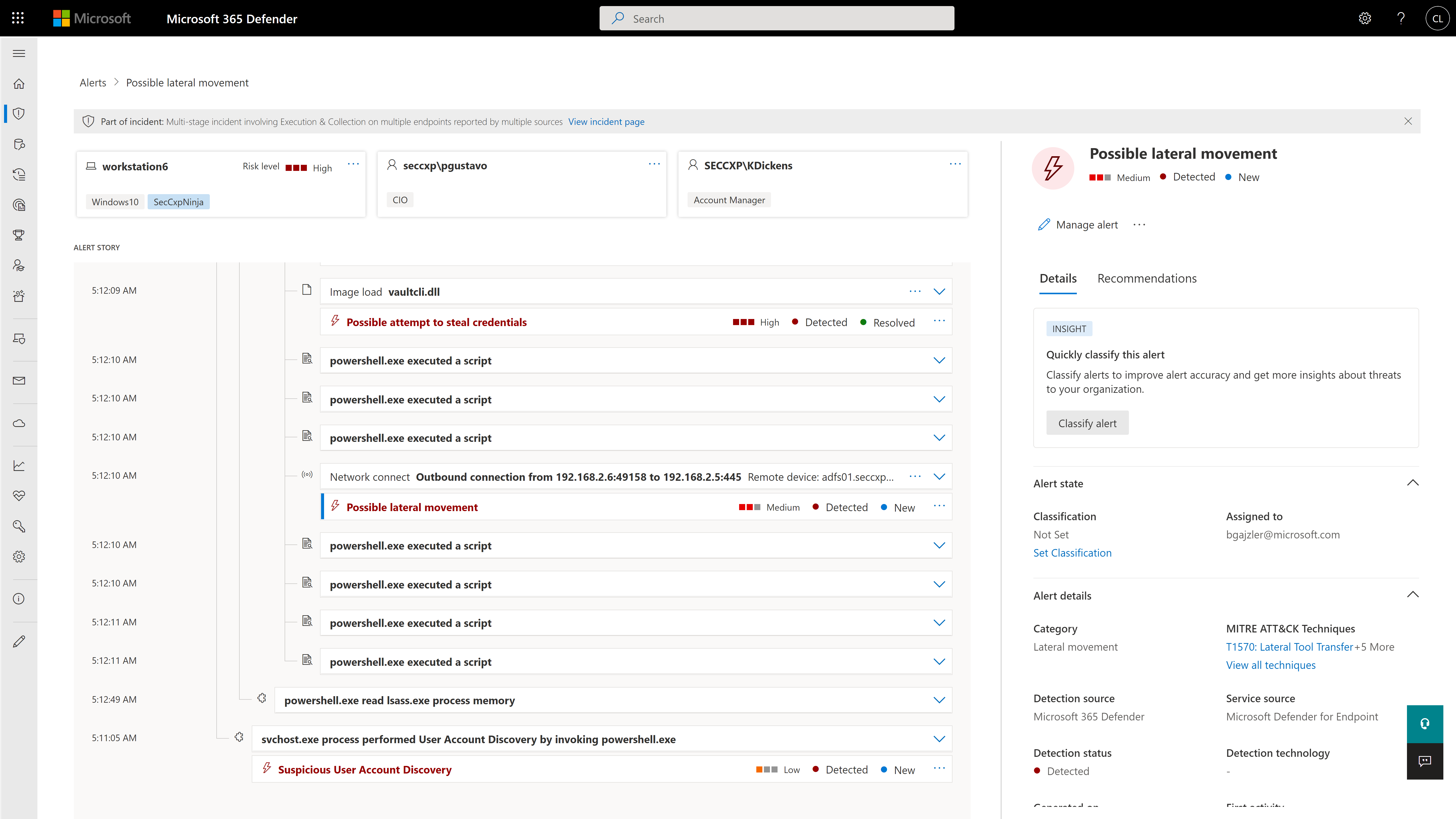
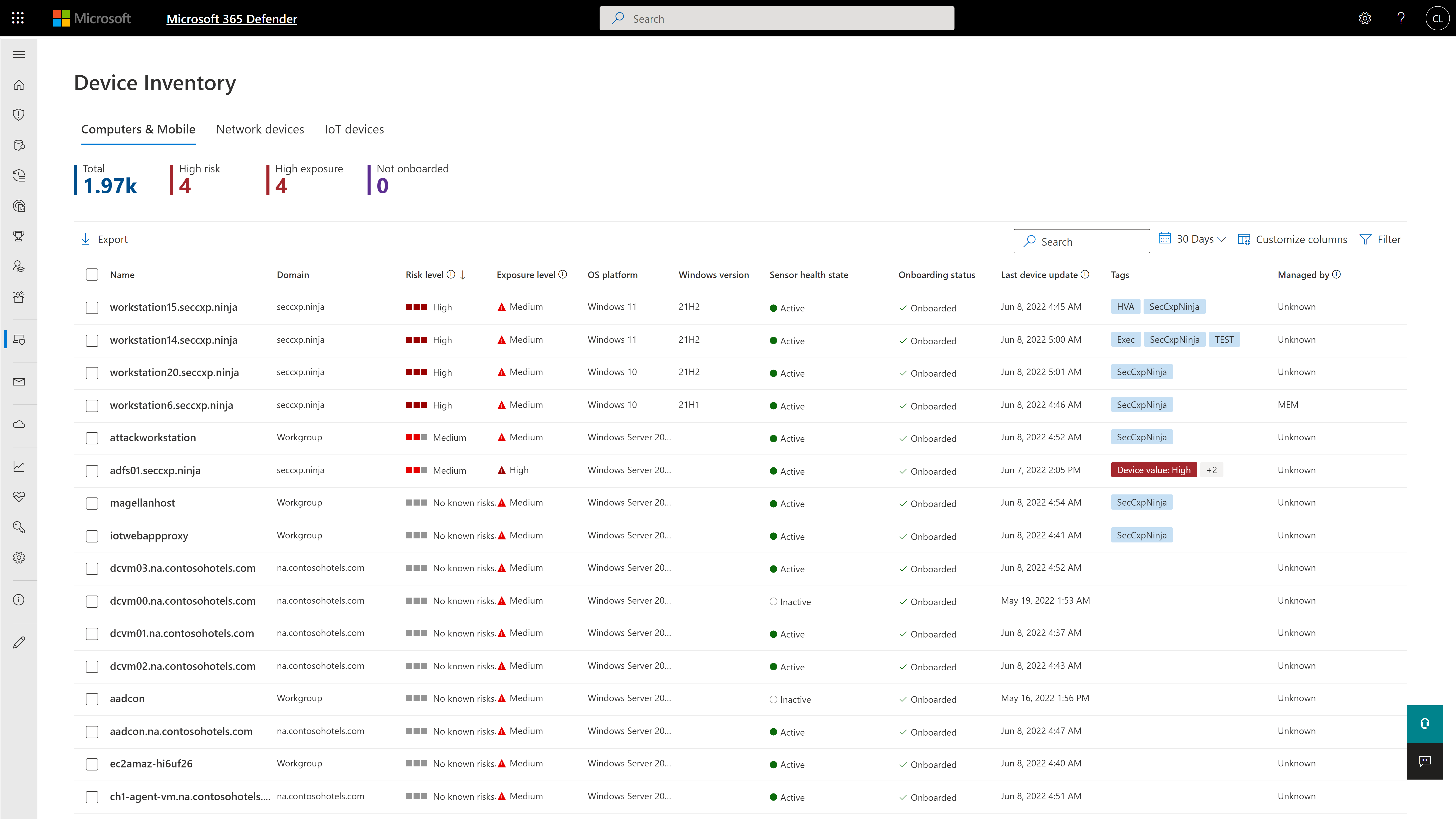
Microsoft Defender for Endpoint (formerly Microsoft Defender ATP) is a holistic, cloud delivered endpoint security solution that includes risk-based vulnerability management and assessment, attack surface reduction, behavioral based and cloud-powered next generation protection, endpoint detection and response (EDR), automatic investigation and remediation, managed hunting services, rich APIs, and unified security management.
It is good for organizations that need an AV solution that does really well in AV detection/performance tests, and also has a good track record for using little system resources on the client machine. It is less suited for organizations that want an AV product that is historically used by the industry or is known as an industry standard (e.g. Microsoft products, etc).
Microsoft Defender for Endpoint is easy to deployed across the entire organization. Having a cloud based solution with a single pane of glass to manage all assets is a real no-brainer. Being able to receive immediate alerts when suspicious activity occurs is extremely helpful in keeping risks at a minimum. Microsoft Defender for Endpoint management is also smart enough to not send several alerts when an attack could be hitting multiple targets within a certain time frame or when it's the same attack multiple times. However, be prepared to click through multiple pages all over the site to figure out what happened when an attack occurs.
One, it's crazy lightweight, so compared to some of the competitors that we also have used with our security services, it's really lightweight and so I don't have a lot of overhead on the system that it's running on.
For the use that I currently give to my laptop it works very well, but it can fail if your way of surfing the web is careful and you dedicate yourself to visit infected forums, download files from any part, or use bad programs.
Cost add-ons for Security features is nickel and diming the process to keep pace with cybercrime. Limited Education budgets require us to be more pro-active in finding cost-effective measures to protect our devices, staff and students. Defender is a strong, well-featured product that is pricing itself out of the education market
It offers multiple security features and integrates well with Microsoft ecosystems. A workflow for threat detection, investigation, automated remediation, and a centralized dashboard is an added advantage. This application is mainly designed for experienced users; new users may feel challenged.
Microsoft Defender for Endpoint chugs along just fine no matter what we throw at it and what systems it's running on. It doesn't take up a lot of resources either, so that's welcomed.
Since the product runs really well overall, and I haven't really run into any major issues, I have not had a need to contact the vendor directly for support. I have perused the vendor's site for other support channels, and they do have a number of good support options, such as submitting a request, KB articles, and Community forums. One support option that does not seem to be available (or might be really hard to find) is a direct line to call for phone support. As an individual or business member you can submit a request via a web form, which then will be sent to the tech support team, at which point they will call you.
The first time I tried to onboard my macOS endpoints to MDE I struggled for quite a bit. I had to reach out to Microsoft's MDE support team. The tech was very helpful in walking me through the steps during a screen share session
Deployment was handled by our team here and everything went pretty smoothly. We did have a few hiccups in our test group, but that only took a bit to get ironed out.
F-Secure despite being a good antivirus when it comes to protecting home equipment does not act the same for business protection because its performance is much lower as well as its ease of use while Avira meets these requirements and its protection is much more complete and efficient, since not only acts against common threats but it is also optimal to protect against advanced threats and the one that works in real time makes the virus detection rate much more efficient before any other antivirus, that is why It is ideal for the protection of business teams
Defender is far easier to deploy and manage than Sophos and tends to work without as many issues. The threat assessment portal provides an in-depth view of the organization's security posture, whereas Sophos only shows the patching status of the PCs. We did need Intune to get many of the control features (disabling USB drives) that Sophos offered out of the box.
I have not had serious infections due to viruses or Trojans. In addition, every time a malicious code is downloaded, Avira detects it and blocks it fast enough. So, I have not had to re-format my PC, I have not lost documents that I had stored on disk C, and of course, I have not lost time trying to recover the data from my PC.
I've also been able to install it on not-so-powerful PCs, so its users have been able to continue using their computers without any problem and also avoid serious infections.