
AWS CloudFormation vs. Red Hat OpenShift vs. Virtuozzo Application Platform
AWS CloudFormation vs. Red Hat OpenShift vs. Virtuozzo Application Platform
| Product | Rating | Most Used By | Product Summary | Starting Price |
|---|---|---|---|---|
 AWS CloudFormation | N/A | AWS CloudFormation gives developers and systems administrators a way to create and manage a collection of related AWS resources, provisioning and updating them in a predictable fashion. Use AWS CloudFormation’s sample templates or create templates to describe the AWS resources, and any associated dependencies or runtime parameters, required to run an application. Users don’t need to figure out the order for provisioning AWS services or the subtleties of making those dependencies work.… | $0 | |
 Red Hat OpenShift | N/A | OpenShift is Red Hat's Cloud Computing Platform as a Service (PaaS) offering. OpenShift is an application platform in the cloud where application developers and teams can build, test, deploy, and run their applications. | $0.08 per hour | |
 Virtuozzo Application Platform | N/A | Formerly Jelastic, the Virtuozzo Application Platform is an elastic, high performance PaaS solution for cloud and hosting providers. The easy way to sell cloud hosting to DevOps-focused SaaS companies. | N/A |
| AWS CloudFormation | Red Hat OpenShift | Virtuozzo Application Platform | ||||||||||||||||||||||
|---|---|---|---|---|---|---|---|---|---|---|---|---|---|---|---|---|---|---|---|---|---|---|---|---|
| Editions & Modules |
| No answers on this topic | No answers on this topic | |||||||||||||||||||||
| Offerings |
| |||||||||||||||||||||||
| Entry-level Setup Fee | No setup fee | No setup fee | No setup fee | |||||||||||||||||||||
| Additional Details | There is no additional charge for using AWS CloudFormation with resource providers in the following namespaces: AWS::*, Alexa::*, and Custom::*. In this case you pay for AWS resources (such as Amazon EC2 instances, Elastic Load Balancing load balancers, etc.) created using AWS CloudFormation as if you created them manually. You only pay for what you use, as you use it; there are no minimum fees and no required upfront commitments. When you use resource providers with AWS CloudFormation outside the namespaces mentioned above, you incur charges per handler operation. Handler operations are create, update, delete, read, or list actions on a resource. | — | — | |||||||||||||||||||||
| More Pricing Information | ||||||||||||||||||||||||
| AWS CloudFormation | Red Hat OpenShift | Virtuozzo Application Platform |
|---|
| AWS CloudFormation | Red Hat OpenShift | Virtuozzo Application Platform | |||||||||||||||||||||||||||||||||||||||||||||||
|---|---|---|---|---|---|---|---|---|---|---|---|---|---|---|---|---|---|---|---|---|---|---|---|---|---|---|---|---|---|---|---|---|---|---|---|---|---|---|---|---|---|---|---|---|---|---|---|---|---|
| Configuration Management |
| ||||||||||||||||||||||||||||||||||||||||||||||||
| Platform-as-a-Service |
|
| AWS CloudFormation | Red Hat OpenShift | Virtuozzo Application Platform | |
|---|---|---|---|
| Small Businesses |  HashiCorp Vagrant Score 10.0 out of 10 | AWS Lambda Score 8.3 out of 10 | AWS Lambda Score 8.3 out of 10 |
| Medium-sized Companies |  Ansible Score 9.2 out of 10 |  IBM Cloud Private Score 9.6 out of 10 | Red Hat OpenShift Score 9.2 out of 10 |
| Enterprises | Ansible Score 9.2 out of 10 | IBM Cloud Private Score 9.6 out of 10 | Red Hat OpenShift Score 9.2 out of 10 |
| All Alternatives | View all alternatives | View all alternatives | View all alternatives |
| AWS CloudFormation | Red Hat OpenShift | Virtuozzo Application Platform | |
|---|---|---|---|
| Likelihood to Recommend | 8.0 (7 ratings) | 9.1 (266 ratings) | 7.0 (1 ratings) |
| Likelihood to Renew | - (0 ratings) | 8.9 (27 ratings) | - (0 ratings) |
| Usability | 8.0 (2 ratings) | 8.4 (12 ratings) | - (0 ratings) |
| Availability | - (0 ratings) | 5.5 (1 ratings) | - (0 ratings) |
| Performance | - (0 ratings) | 8.7 (131 ratings) | - (0 ratings) |
| Support Rating | - (0 ratings) | 6.9 (10 ratings) | - (0 ratings) |
| In-Person Training | - (0 ratings) | 7.0 (1 ratings) | - (0 ratings) |
| Implementation Rating | - (0 ratings) | 6.7 (4 ratings) | - (0 ratings) |
| Contract Terms and Pricing Model | - (0 ratings) | 8.0 (3 ratings) | - (0 ratings) |
| Professional Services | - (0 ratings) | 7.3 (1 ratings) | - (0 ratings) |
| Vendor post-sale | - (0 ratings) | 8.0 (1 ratings) | - (0 ratings) |
| Vendor pre-sale | - (0 ratings) | 8.0 (1 ratings) | - (0 ratings) |
| AWS CloudFormation | Red Hat OpenShift | Virtuozzo Application Platform | |
|---|---|---|---|
| Likelihood to Recommend |  Amazon AWS
| Red Hat
|  Virtuozzo
 Willian Molinari Tech lead |
| Pros | Amazon AWS
| Red Hat
| Virtuozzo
Willian Molinari Tech lead |
| Cons | Amazon AWS
| Red Hat
| Virtuozzo
Willian Molinari Tech lead |
| Likelihood to Renew | Amazon AWS No answers on this topic | Red Hat
| Virtuozzo No answers on this topic |
| Usability | Amazon AWS
| Red Hat
| Virtuozzo No answers on this topic |
| Reliability and Availability | Amazon AWS No answers on this topic | Red Hat
| Virtuozzo No answers on this topic |
| Performance | Amazon AWS No answers on this topic | Red Hat
| Virtuozzo No answers on this topic |
| Support Rating | Amazon AWS No answers on this topic | Red Hat
| Virtuozzo No answers on this topic |
| In-Person Training | Amazon AWS No answers on this topic | Red Hat
| Virtuozzo No answers on this topic |
| Online Training | Amazon AWS No answers on this topic | Red Hat
| Virtuozzo No answers on this topic |
| Implementation Rating | Amazon AWS No answers on this topic | Red Hat
| Virtuozzo No answers on this topic |
| Alternatives Considered | Amazon AWS
| Red Hat
| Virtuozzo
Willian Molinari Tech lead |
| Contract Terms and Pricing Model | Amazon AWS No answers on this topic | Red Hat
| Virtuozzo No answers on this topic |
| Scalability | Amazon AWS No answers on this topic | Red Hat
| Virtuozzo No answers on this topic |
| Return on Investment | Amazon AWS
| Red Hat
| Virtuozzo
Willian Molinari Tech lead |
| ScreenShots | AWS CloudFormation Screenshots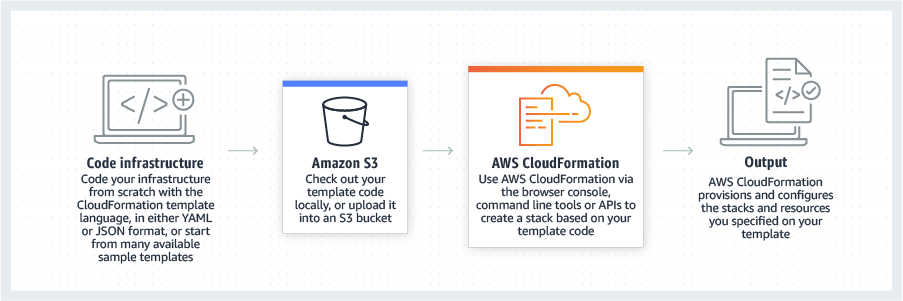    | Virtuozzo Application Platform Screenshots      |