
Azure Data Lake Storage vs. Oracle Cloud Infrastructure vs. Scality ARTESCA
Azure Data Lake Storage vs. Oracle Cloud Infrastructure vs. Scality ARTESCA
| Product | Rating | Most Used By | Product Summary | Starting Price |
|---|---|---|---|---|
 Azure Data Lake Storage | N/A | Azure Data Lake Storage Gen2 is a highly scalable and cost-effective data lake solution for big data analytics. It combines the power of a high-performance file system with massive scale and economy to help you speed your time to insight. Data Lake Storage Gen2 extends Azure Blob Storage capabilities and is optimized for analytics workloads. | N/A | |
 OCI | N/A | Oracle Cloud Infrastructure (OCI) is Oracles's infrastructure-as-a-service (IaaS) platform which combines the utility of public cloud with the granular control, security, and predictability of on-premises infrastructure. | N/A | |
 Scality ARTESCA | N/A | Scality in San Francisco offers scalable file and object storage for media, healthcare, cloud service providers, and others. | N/A |
| Azure Data Lake Storage | Oracle Cloud Infrastructure | Scality ARTESCA | ||||||||||||||||||||||
|---|---|---|---|---|---|---|---|---|---|---|---|---|---|---|---|---|---|---|---|---|---|---|---|---|
| Editions & Modules | No answers on this topic | No answers on this topic | No answers on this topic | |||||||||||||||||||||
| Offerings |
| |||||||||||||||||||||||
| Entry-level Setup Fee | No setup fee | Optional | No setup fee | |||||||||||||||||||||
| Additional Details | — | — | Contact vendor for booking demo and pricing information. | |||||||||||||||||||||
| More Pricing Information | ||||||||||||||||||||||||
| Azure Data Lake Storage | Oracle Cloud Infrastructure | Scality ARTESCA |
|---|
| Azure Data Lake Storage | Oracle Cloud Infrastructure | Scality ARTESCA | |||||||||||||||||||||||||||||||||||||||
|---|---|---|---|---|---|---|---|---|---|---|---|---|---|---|---|---|---|---|---|---|---|---|---|---|---|---|---|---|---|---|---|---|---|---|---|---|---|---|---|---|---|
| Infrastructure-as-a-Service (IaaS) |
|
| Azure Data Lake Storage | Oracle Cloud Infrastructure | Scality ARTESCA | |
|---|---|---|---|
| Small Businesses |  Amazon S3 Glacier Score 9.0 out of 10 |  DigitalOcean Droplets Score 9.4 out of 10 | Amazon S3 Glacier Score 9.0 out of 10 |
| Medium-sized Companies | Azure Blob Storage Score 9.0 out of 10 |  SAP on IBM Cloud Score 9.0 out of 10 | Azure Blob Storage Score 9.0 out of 10 |
| Enterprises | Azure Blob Storage Score 9.0 out of 10 | SAP on IBM Cloud Score 9.0 out of 10 | Azure Blob Storage Score 9.0 out of 10 |
| All Alternatives | View all alternatives | View all alternatives | View all alternatives |
| Azure Data Lake Storage | Oracle Cloud Infrastructure | Scality ARTESCA | |
|---|---|---|---|
| Likelihood to Recommend | 8.2 (13 ratings) | 7.7 (149 ratings) | 8.0 (3 ratings) |
| Likelihood to Renew | - (0 ratings) | 8.6 (6 ratings) | - (0 ratings) |
| Usability | - (0 ratings) | 7.0 (14 ratings) | 9.0 (1 ratings) |
| Availability | - (0 ratings) | 7.9 (3 ratings) | - (0 ratings) |
| Performance | - (0 ratings) | 8.4 (27 ratings) | - (0 ratings) |
| Support Rating | - (0 ratings) | 7.7 (19 ratings) | 8.9 (2 ratings) |
| In-Person Training | - (0 ratings) | 9.0 (3 ratings) | - (0 ratings) |
| Online Training | - (0 ratings) | 9.0 (3 ratings) | - (0 ratings) |
| Implementation Rating | - (0 ratings) | 8.0 (3 ratings) | - (0 ratings) |
| Configurability | - (0 ratings) | 8.0 (2 ratings) | - (0 ratings) |
| Contract Terms and Pricing Model | - (0 ratings) | 6.0 (10 ratings) | - (0 ratings) |
| Ease of integration | - (0 ratings) | 8.0 (2 ratings) | - (0 ratings) |
| Product Scalability | - (0 ratings) | 8.6 (3 ratings) | - (0 ratings) |
| Professional Services | - (0 ratings) | 8.0 (5 ratings) | - (0 ratings) |
| Vendor post-sale | - (0 ratings) | 8.0 (1 ratings) | - (0 ratings) |
| Vendor pre-sale | - (0 ratings) | 8.0 (1 ratings) | - (0 ratings) |
| Azure Data Lake Storage | Oracle Cloud Infrastructure | Scality ARTESCA | |
|---|---|---|---|
| Likelihood to Recommend |  Microsoft
| Oracle
|  Scality
 Jennifer Scarlet Jones Smith Web Administrator |
| Pros | Microsoft
 Abhishek Katara Technical Lead | Oracle
 David Williams CTO (Chief Technical Officer) | Scality
 Domanic Marshall Platform Operations Engineer |
| Cons | Microsoft
 Daniel Ortiz Gerente de marketing | Oracle
 Bill Starling Cloud Engineer Team Lead | Scality
Jennifer Scarlet Jones Smith Web Administrator |
| Likelihood to Renew | Microsoft No answers on this topic | Oracle
| Scality No answers on this topic |
| Usability | Microsoft No answers on this topic | Oracle
 KAUSHIK DEBNATH SAP BASIS Consultant | Scality
Jennifer Scarlet Jones Smith Web Administrator |
| Reliability and Availability | Microsoft No answers on this topic | Oracle
| Scality No answers on this topic |
| Performance | Microsoft No answers on this topic | Oracle
| Scality No answers on this topic |
| Support Rating | Microsoft No answers on this topic | Oracle
| Scality
Domanic Marshall Platform Operations Engineer |
| In-Person Training | Microsoft No answers on this topic | Oracle
 Raosaheb Shinde Warehouse operation | Scality No answers on this topic |
| Online Training | Microsoft No answers on this topic | Oracle
| Scality No answers on this topic |
| Implementation Rating | Microsoft No answers on this topic | Oracle
Raosaheb Shinde Warehouse operation | Scality No answers on this topic |
| Alternatives Considered | Microsoft
| Oracle
| Scality
 Tyler Twitchell Senior System Engineer |
| Contract Terms and Pricing Model | Microsoft No answers on this topic | Oracle
KAUSHIK DEBNATH SAP BASIS Consultant | Scality No answers on this topic |
| Scalability | Microsoft No answers on this topic | Oracle
| Scality No answers on this topic |
| Professional Services | Microsoft No answers on this topic | Oracle
KAUSHIK DEBNATH SAP BASIS Consultant | Scality No answers on this topic |
| Return on Investment | Microsoft
| Oracle
| Scality
Tyler Twitchell Senior System Engineer |
| ScreenShots | OCI Screenshots    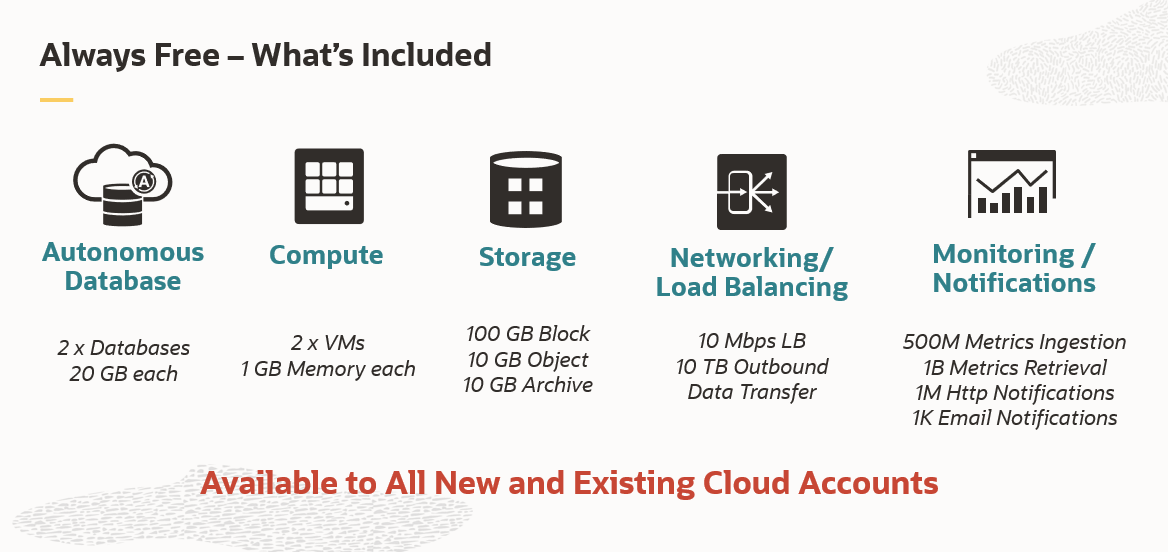 |
