
Eric Huggins
DevOps Manager
Chose Octopus Deploy

| Product | Rating | Most Used By | Product Summary | Starting Price |
|---|---|---|---|---|
 Azure DevOps Services | N/A | Azure DevOps (formerly VSTS, Microsoft Visual Studio Team System) is an agile development product that is an extension of the Microsoft Visual Studio architecture. Azure DevOps includes software development, collaboration, and reporting capabilities. | $2 per GB (first 2GB free) | |
 Octopus Deploy | Mid-Size Companies (51-1,000 employees) | Australian company Octopus Deploy offers their eponymous automated deployment and release management software that integrates with the user's preferred CI server and adds deployment & ops automation capabilities. Octopus Deploy enables developers, release managers, and operations folks to bring all automation into a single place. The vendor states that by reusing configuration variables, environment definition, API keys, connection strings, permissions, service principals, and automation logic,… | $0 per month |
| Azure DevOps Services | Octopus Deploy | |||||||||||||||
|---|---|---|---|---|---|---|---|---|---|---|---|---|---|---|---|---|
| Editions & Modules |
|
| ||||||||||||||
| Offerings |
| |||||||||||||||
| Entry-level Setup Fee | No setup fee | Optional | ||||||||||||||
| Additional Details | — | Octopus Server edition is available as a 30 day free trial on the unlimited tier for any scenario, including production, and commercial use. After the trial period ends a paid license is required to continue working on a configuration and deploying uninterrupted. Octopus Cloud is an alternative that is hosted by Octopus Deploy, and is also available as a 30 day unlimited trial. No credit card is needed to create a Octopus Cloud trial instance. The Cloud trial can be converted to a paid instance at any time during or after the trial period to keep all of the instance configuration. Octopus Deploy offers a Free tier (Cloud and Server) and a 30-day free trial of the Enterprise tier. No credit card needed. Octopus also offers a Professional tier with 8/5 support (9 am–5 pm on weekdays). The Enterprise tier provides advanced features for teams to scale, including high availability, DevOps Insights, ServiceNow & Jira Service Management integration, unlimited instances, 24/7 support & service credits, and a dedicated Customer Success Manager. | ||||||||||||||
| More Pricing Information | ||||||||||||||||
| Azure DevOps Services | Octopus Deploy | |
|---|---|---|
| Considered Both Products |  Azure DevOps Services No answer on this topic | Octopus Deploy Eric Huggins DevOps Manager Chose Octopus Deploy  Ramendra Sahu Sr. Integration Developer / DevOps Engineer Chose Octopus Deploy We looked at IBM UrbanCode Deploy and Release and Microsoft VSTS while looking for Application Release Automation tools. While VSTS doesn't work with cross-platform technologies IBM UrbanCode Deploy commands a premium price for the features it offers. Also, it needs UrbanCode … |
| Azure DevOps Services | Octopus Deploy | |
|---|---|---|
| Small Businesses |  GitHub Score 9.1 out of 10 |  GitLab Score 8.6 out of 10 |
| Medium-sized Companies | GitHub Score 9.1 out of 10 | GitLab Score 8.6 out of 10 |
| Enterprises |  Perforce P4 Score 6.8 out of 10 | GitLab Score 8.6 out of 10 |
| All Alternatives | View all alternatives | View all alternatives |
| Azure DevOps Services | Octopus Deploy | |
|---|---|---|
| Likelihood to Recommend | 8.4 (70 ratings) | 8.6 (24 ratings) |
| Likelihood to Renew | 10.0 (3 ratings) | 8.0 (1 ratings) |
| Usability | 7.6 (9 ratings) | 8.4 (10 ratings) |
| Performance | - (0 ratings) | 8.5 (4 ratings) |
| Support Rating | 8.1 (11 ratings) | 8.2 (9 ratings) |
| Implementation Rating | 10.0 (1 ratings) | - (0 ratings) |
| Contract Terms and Pricing Model | - (0 ratings) | 8.5 (3 ratings) |
| Ease of integration | - (0 ratings) | 8.5 (4 ratings) |
| Professional Services | - (0 ratings) | 9.1 (1 ratings) |
| Azure DevOps Services | Octopus Deploy | |
|---|---|---|
| Likelihood to Recommend | Microsoft
 Chris Studebaker Technical Architect | Octopus Deploy
|
| Pros | Microsoft
| Octopus Deploy
 Tim Hardy Software Architect |
| Cons | Microsoft
| Octopus Deploy
 Anthony Aziz Senior Software Engineer |
| Likelihood to Renew | Microsoft
 Raylene Wall, PMP Business Analyst | Octopus Deploy
Eric Huggins DevOps Manager |
| Usability | Microsoft
 Kyle Kochtan Technical Lead | Octopus Deploy
Ramendra Sahu Sr. Integration Developer / DevOps Engineer |
| Performance | Microsoft No answers on this topic | Octopus Deploy
 Hanna Bedoya Software Developer |
| Support Rating | Microsoft
| Octopus Deploy
|
| Implementation Rating | Microsoft
| Octopus Deploy No answers on this topic |
| Alternatives Considered | Microsoft
| Octopus Deploy
 Sam Rueby (MCSA) Senior ASP.NET Web Application Engineer |
| Professional Services | Microsoft No answers on this topic | Octopus Deploy
|
| Return on Investment | Microsoft
 Amy Liston Product Owner | Octopus Deploy
|
| ScreenShots | Octopus Deploy Screenshots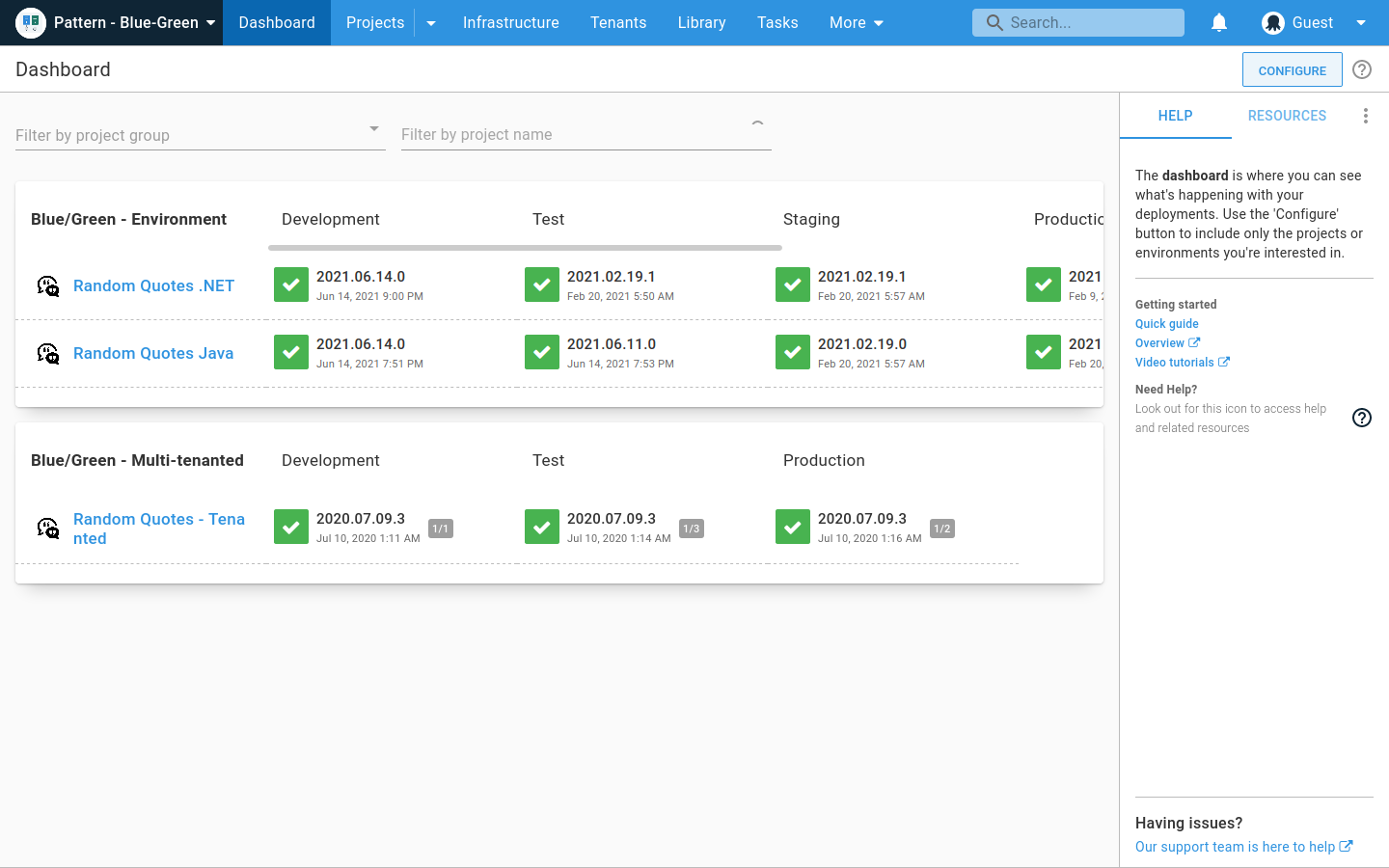  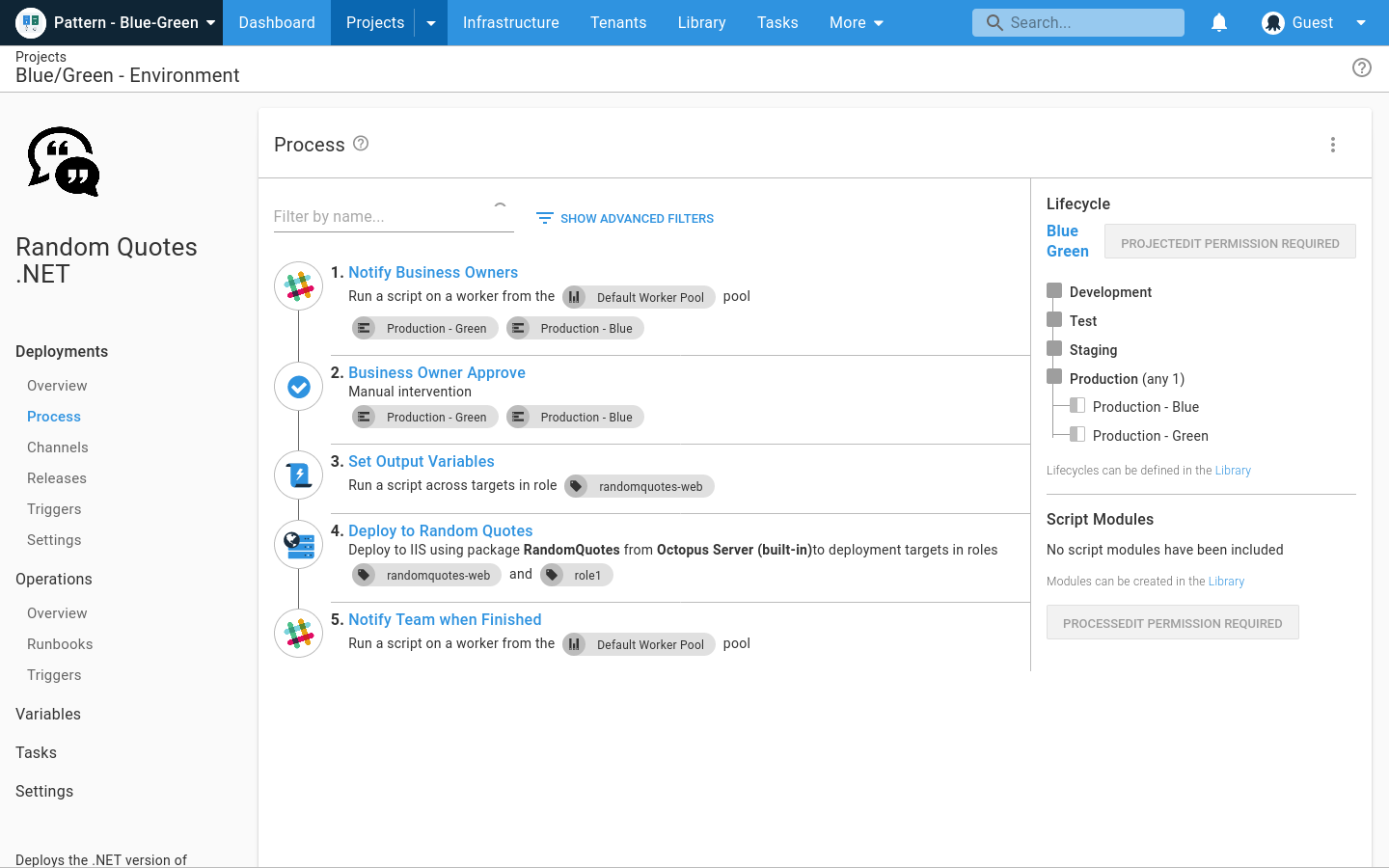   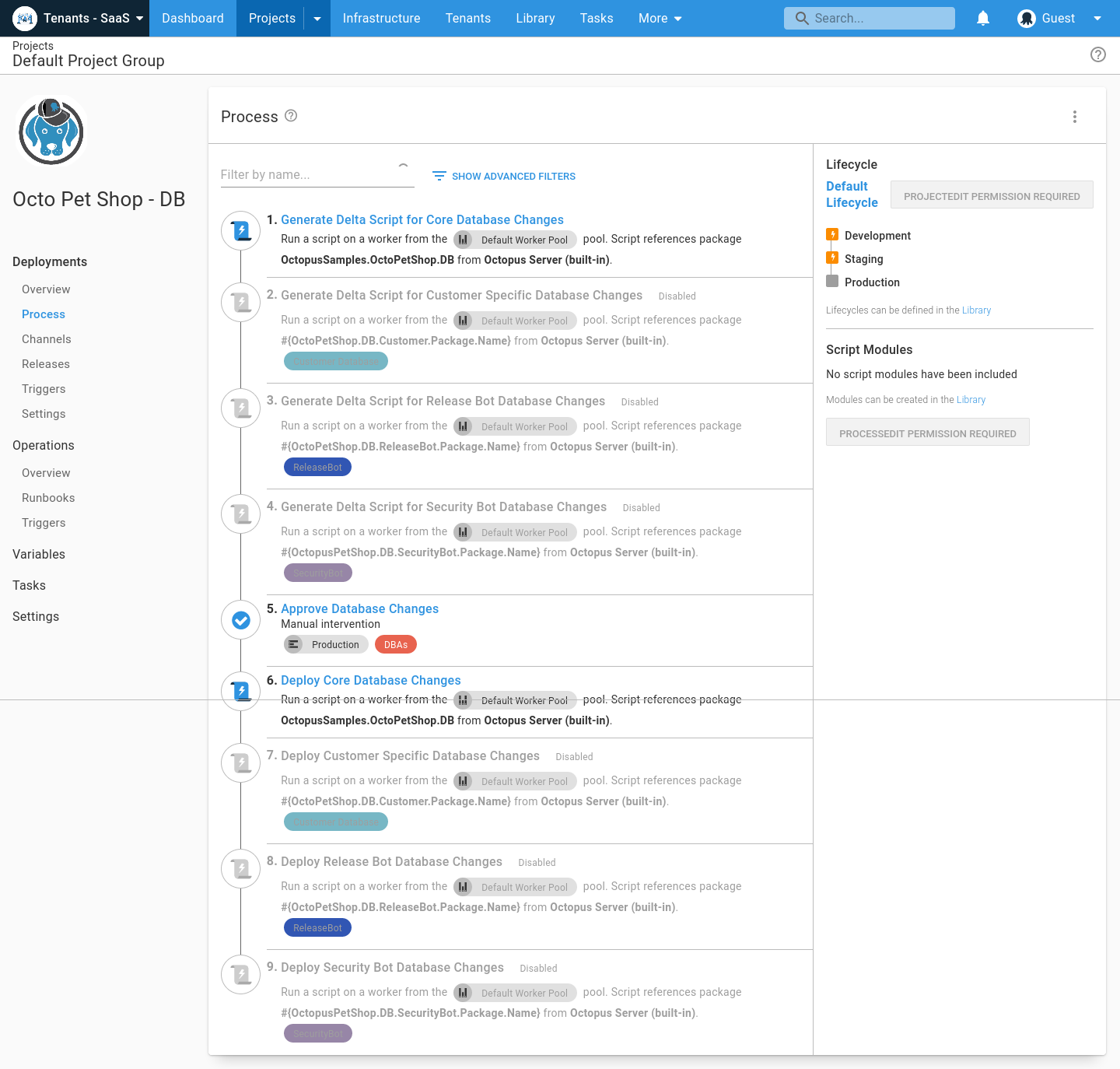 |