
Bizagi vs. Cloud Elements (discontinued)
| Product | Rating | Most Used By | Product Summary | Starting Price |
|---|---|---|---|---|
 Bizagi | Score8.3 out of 10 | N/A | Bizagi is an enterprise orchestration platform designed to make Artificial Intelligence (AI) operational and governable at scale. Utilizing over two decades of enterprise process experience, the platform provides the operational architecture required to integrate AI into critical business workflows. Native AI capabilities—such as AI Agents, AI Workers, and the 'Ask Ada' virtual assistant—run on Microsoft Azure through private OpenAI integrations. These operations run within a secure, governed… | N/A |
 Cloud Elements (discontinued) | Score5 out of 10 | N/A | Cloud Elements was a cloud API integration service acquired by UiPath in 2021. It used cooperative apps to connect an organization’s customers, partners and employees to the cloud services they use. The product was discontinued in 2023. | N/A |
| Bizagi | Cloud Elements (discontinued) | |||||||||||||||
|---|---|---|---|---|---|---|---|---|---|---|---|---|---|---|---|---|
| Editions & Modules | No answers on this topic | No answers on this topic | ||||||||||||||
| Offerings |
| |||||||||||||||
| Entry-level Setup Fee | No setup fee | No setup fee | ||||||||||||||
| Additional Details | — | — | ||||||||||||||
| More Pricing Information | ||||||||||||||||
| Bizagi | Cloud Elements (discontinued) | |||||||||||||||||||||||||
|---|---|---|---|---|---|---|---|---|---|---|---|---|---|---|---|---|---|---|---|---|---|---|---|---|---|---|
| Reporting & Analytics |
| |||||||||||||||||||||||||
| Process Engine |
| |||||||||||||||||||||||||
| Bizagi | Cloud Elements (discontinued) | |
|---|---|---|
| Small Businesses | No answers on this topic |  Make Score9.3 out of 10 |
| Medium-sized Companies |  IBM Cloud Pak for Business Automation Score9 out of 10 |  IBM App Connect Score9 out of 10 |
| Enterprises | IBM Cloud Pak for Business Automation Score9 out of 10 |  Workato Score9.3 out of 10 |
| All Alternatives | View all alternatives | View all alternatives |
| Bizagi | Cloud Elements (discontinued) | |
|---|---|---|
| Likelihood to Recommend | 9.0 | 8.6 |
| Likelihood to Renew | 10.0 | - |
| Usability | 8.0 | - |
| Online Training | 9.0 | - |
| Bizagi | Cloud Elements (discontinued) | |
|---|---|---|
| Likelihood to Recommend |
|
|
| Pros |
|
|
| Cons |
|
|
| Likelihood to Renew |
| No answers on this topic |
| Usability |
| No answers on this topic |
| Online Training |
| No answers on this topic |
| Alternatives Considered |
|
|
| Return on Investment |
|
|
| ScreenShots | Bizagi Screenshots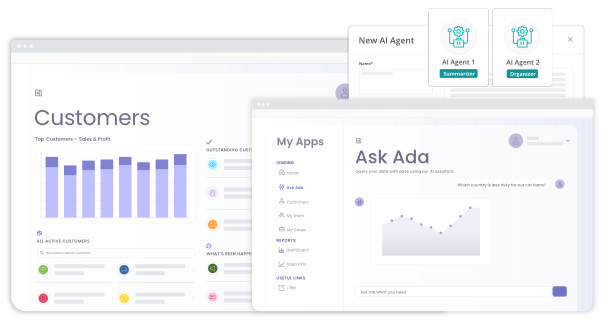 |


