
Boomi vs. Filestack vs. WSO2 API Manager
Boomi vs. Filestack vs. WSO2 API Manager
| Product | Rating | Most Used By | Product Summary | Starting Price |
|---|---|---|---|---|
 Boomi | N/A | Boomi is a cloud-based, on-premise, or hybrid integration platform. It offers a low-code/no-code interface with the capacity for API and EDI connections for integrating with external organizations and systems, as well as compliance with data protection regulations. | $550 per month | |
 Filestack | N/A | Filestack is a developer service for uploading files from anywhere onto the user's application. Filestack allows software developers to integrate more than 25 of the world’s leading cloud drives with just a few lines of code. End users can upload content from websites and mobile apps like Facebook, Instagram, and Dropbox or wherever that content is stored. Filestack enables developers to upload and store large files, transform and manipulate images and other file types, and deliver that… | $69 per month | |
 WSO2 API Manager | Enterprise companies (1,001+ employees) | WSO2 API Manager makes it possible for developers to both develop and manage APIs of different types. Unlike solutions which focus only on managing API proxies, WSO2 API Manager provides tools to develop APIs by integrating different systems as well. It supports a variety of API types from REST, SOAP, GraphQL, WebSockets, WebHooks, SSEs and gRPC APIs with specialized policies and governance for each different type. Being fully open source, its architecture and extensibility… | $0 per month |
| Boomi | Filestack | WSO2 API Manager | ||||||||||||||||||||||
|---|---|---|---|---|---|---|---|---|---|---|---|---|---|---|---|---|---|---|---|---|---|---|---|---|
| Editions & Modules |
|
| No answers on this topic | |||||||||||||||||||||
| Offerings |
| |||||||||||||||||||||||
| Entry-level Setup Fee | No setup fee | No setup fee | No setup fee | |||||||||||||||||||||
| Additional Details | — | Filestack pricing tiers are based off of the number of API calls for file uploads, file transformations, and outbound bandwidth. Start for free, and contact the vendor regarding custom pricing. | — | |||||||||||||||||||||
| More Pricing Information | ||||||||||||||||||||||||
| Boomi | Filestack | WSO2 API Manager |
|---|
| Boomi | Filestack | WSO2 API Manager | |||||||||||||||||||||||||||||||
|---|---|---|---|---|---|---|---|---|---|---|---|---|---|---|---|---|---|---|---|---|---|---|---|---|---|---|---|---|---|---|---|---|---|
| Cloud Data Integration |
| ||||||||||||||||||||||||||||||||
| API Management |
|
| Boomi | Filestack | WSO2 API Manager | |
|---|---|---|---|
| Small Businesses |  Make Score 9.3 out of 10 |  SugarSync Score 4.0 out of 10 |  NGINX Score 9.1 out of 10 |
| Medium-sized Companies |  IBM App Connect Score 9.2 out of 10 |  M‑Files Score 8.9 out of 10 | NGINX Score 9.1 out of 10 |
| Enterprises | IBM App Connect Score 9.2 out of 10 | M‑Files Score 8.9 out of 10 | NGINX Score 9.1 out of 10 |
| All Alternatives | View all alternatives | View all alternatives | View all alternatives |
| Boomi | Filestack | WSO2 API Manager | |
|---|---|---|---|
| Likelihood to Recommend | 9.0 (41 ratings) | 9.5 (4 ratings) | 9.5 (4 ratings) |
| Likelihood to Renew | 10.0 (9 ratings) | - (0 ratings) | - (0 ratings) |
| Usability | 8.0 (6 ratings) | 9.5 (2 ratings) | - (0 ratings) |
| Performance | 7.9 (5 ratings) | - (0 ratings) | - (0 ratings) |
| Support Rating | 6.0 (2 ratings) | - (0 ratings) | - (0 ratings) |
| Boomi | Filestack | WSO2 API Manager | |
|---|---|---|---|
| Likelihood to Recommend | Boomi
 Jef L Business Solution Development Officer | Idera, Inc.
|  WSO2
|
| Pros | Boomi
 Cristian Bodnarasec Senior Software Development Manager | Idera, Inc.
 Lakshya Kashyap Software Engineer | WSO2
|
| Cons | Boomi
| Idera, Inc.
 William (Matt) Wood Sales Engineer | WSO2
|
| Likelihood to Renew | Boomi
| Idera, Inc. No answers on this topic | WSO2 No answers on this topic |
| Usability | Boomi
| Idera, Inc.
| WSO2 No answers on this topic |
| Performance | Boomi
 Phi Hoang Senior Software Engineer | Idera, Inc. No answers on this topic | WSO2 No answers on this topic |
| Support Rating | Boomi
| Idera, Inc. No answers on this topic | WSO2 No answers on this topic |
| Alternatives Considered | Boomi
| Idera, Inc.
 Priyanshu Kumar Software Engineer | WSO2
|
| Return on Investment | Boomi
 Jake J. Darley Director of Finance, Revenue Operations | Idera, Inc.
Lakshya Kashyap Software Engineer | WSO2
|
| ScreenShots | Filestack Screenshots 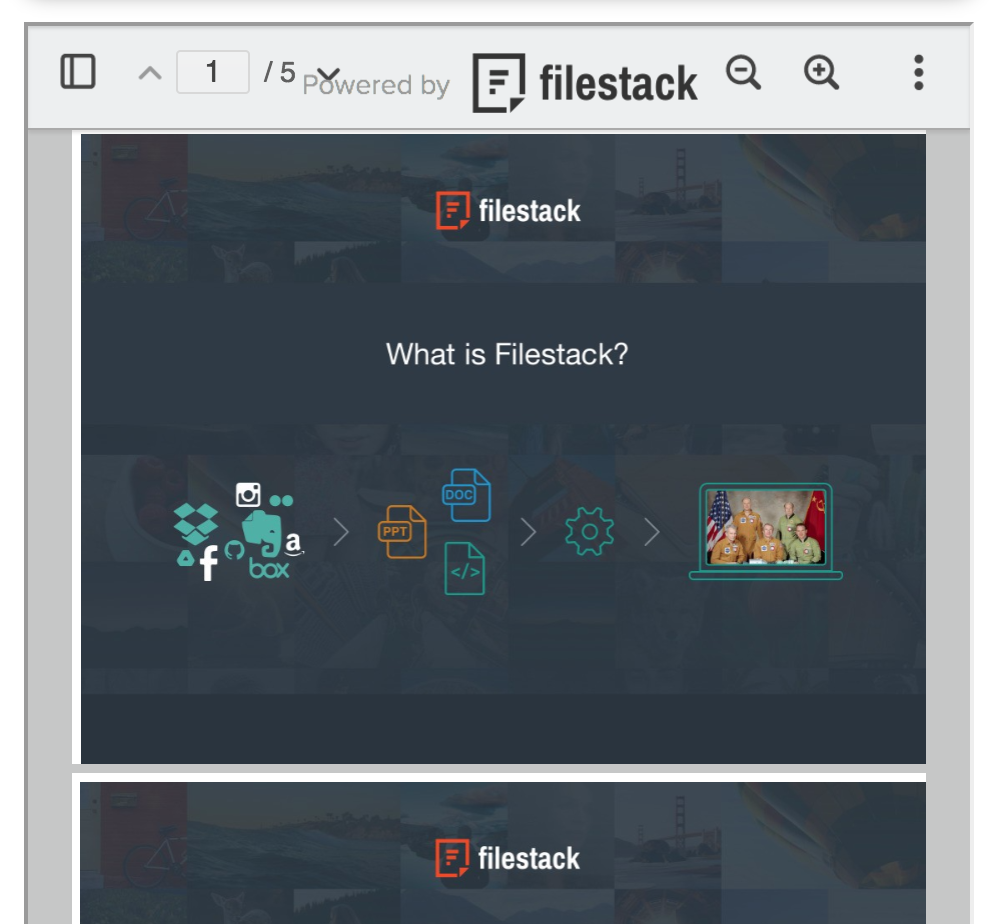  |