
Causal vs. IBM Cognos Analytics
Causal vs. IBM Cognos Analytics
| Product | Rating | Most Used By | Product Summary | Starting Price |
|---|---|---|---|---|
 Causal | N/A | Causal, from the company of the same name in London, presents a way to perform calculations, visualise data, and communicate with numbers. It helps build models faster, connect them directly to data, and share them with interactive dashboards and visuals. Suggested use cases are financial planning, planning CPC campaigns, track KPIs, or determine employee compensation. | $50 per month | |
 IBM Cognos Analytics | N/A | IBM Cognos is a full-featured business intelligence suite by IBM, designed for larger deployments. It comprises Query Studio, Reporting Studio, Analysis Studio and Event Studio, and Cognos Administration along with tools for Microsoft Office integration, full-text search, and dashboards. | $11.25 per month per user |
| Causal | IBM Cognos Analytics | |||||||||||||||
|---|---|---|---|---|---|---|---|---|---|---|---|---|---|---|---|---|
| Editions & Modules |
|
| ||||||||||||||
| Offerings |
| |||||||||||||||
| Entry-level Setup Fee | No setup fee | Optional | ||||||||||||||
| Additional Details | — | — | ||||||||||||||
| More Pricing Information | ||||||||||||||||
| Causal | IBM Cognos Analytics |
|---|
| Causal | IBM Cognos Analytics | |||||||||||||||||||||
|---|---|---|---|---|---|---|---|---|---|---|---|---|---|---|---|---|---|---|---|---|---|---|
| BI Standard Reporting |
| |||||||||||||||||||||
| Ad-hoc Reporting |
| |||||||||||||||||||||
| Report Output and Scheduling |
| |||||||||||||||||||||
| Data Discovery and Visualization |
| |||||||||||||||||||||
| Access Control and Security |
| |||||||||||||||||||||
| Mobile Capabilities |
| |||||||||||||||||||||
| Application Program Interfaces (APIs) / Embedding |
|
| Causal | IBM Cognos Analytics | |
|---|---|---|
| Small Businesses |  Supermetrics Score 9.7 out of 10 |  GoodData.AI Score 8.8 out of 10 |
| Medium-sized Companies | Supermetrics Score 9.7 out of 10 |  Reveal Score 10.0 out of 10 |
| Enterprises |  IBM Analytics Engine Score 7.1 out of 10 |  Kyvos Semantic Layer Score 9.5 out of 10 |
| All Alternatives | View all alternatives | View all alternatives |
| Causal | IBM Cognos Analytics | |
|---|---|---|
| Likelihood to Recommend | 10.0 (1 ratings) | 7.9 (157 ratings) |
| Likelihood to Renew | - (0 ratings) | 8.4 (31 ratings) |
| Usability | - (0 ratings) | 7.3 (10 ratings) |
| Availability | - (0 ratings) | 8.6 (4 ratings) |
| Performance | - (0 ratings) | 9.0 (5 ratings) |
| Support Rating | - (0 ratings) | 1.0 (9 ratings) |
| In-Person Training | - (0 ratings) | 8.7 (4 ratings) |
| Online Training | - (0 ratings) | 8.0 (4 ratings) |
| Implementation Rating | - (0 ratings) | 7.0 (7 ratings) |
| Configurability | - (0 ratings) | 7.0 (3 ratings) |
| Ease of integration | - (0 ratings) | 5.5 (6 ratings) |
| Product Scalability | - (0 ratings) | 6.2 (5 ratings) |
| Vendor post-sale | - (0 ratings) | 7.0 (1 ratings) |
| Vendor pre-sale | - (0 ratings) | 7.0 (1 ratings) |
| Causal | IBM Cognos Analytics | |
|---|---|---|
| Likelihood to Recommend |  Causal, Inc
| IBM
 gunjan kushwaha snr BA |
| Pros | Causal, Inc No answers on this topic | IBM
 Nishant Thakkar Senior Analyst |
| Cons | Causal, Inc No answers on this topic | IBM
 Josepe Bonfante Social Media Strategist |
| Likelihood to Renew | Causal, Inc No answers on this topic | IBM
 Sachin Karkun Technical Lead |
| Usability | Causal, Inc No answers on this topic | IBM
 Robert Goodman Director, Business Intelligence & Analytics |
| Reliability and Availability | Causal, Inc No answers on this topic | IBM
 Gerrit Goewey Senior Analytics Consultant |
| Performance | Causal, Inc No answers on this topic | IBM
 Meghdeep Raval, PMP Manager, Data Architecture |
| Support Rating | Causal, Inc No answers on this topic | IBM
 Jonathan Kyrlach Business Intelligence Architect |
| In-Person Training | Causal, Inc No answers on this topic | IBM
Robert Goodman Director, Business Intelligence & Analytics |
| Online Training | Causal, Inc No answers on this topic | IBM
Gerrit Goewey Senior Analytics Consultant |
| Implementation Rating | Causal, Inc No answers on this topic | IBM
 Toni McKee HR Systems Analyst II |
| Alternatives Considered | Causal, Inc No answers on this topic | IBM
|
| Scalability | Causal, Inc No answers on this topic | IBM
 Bernd Oerthle Head of analytic infrastructure |
| Return on Investment | Causal, Inc No answers on this topic | IBM
|
| ScreenShots | IBM Cognos Analytics Screenshots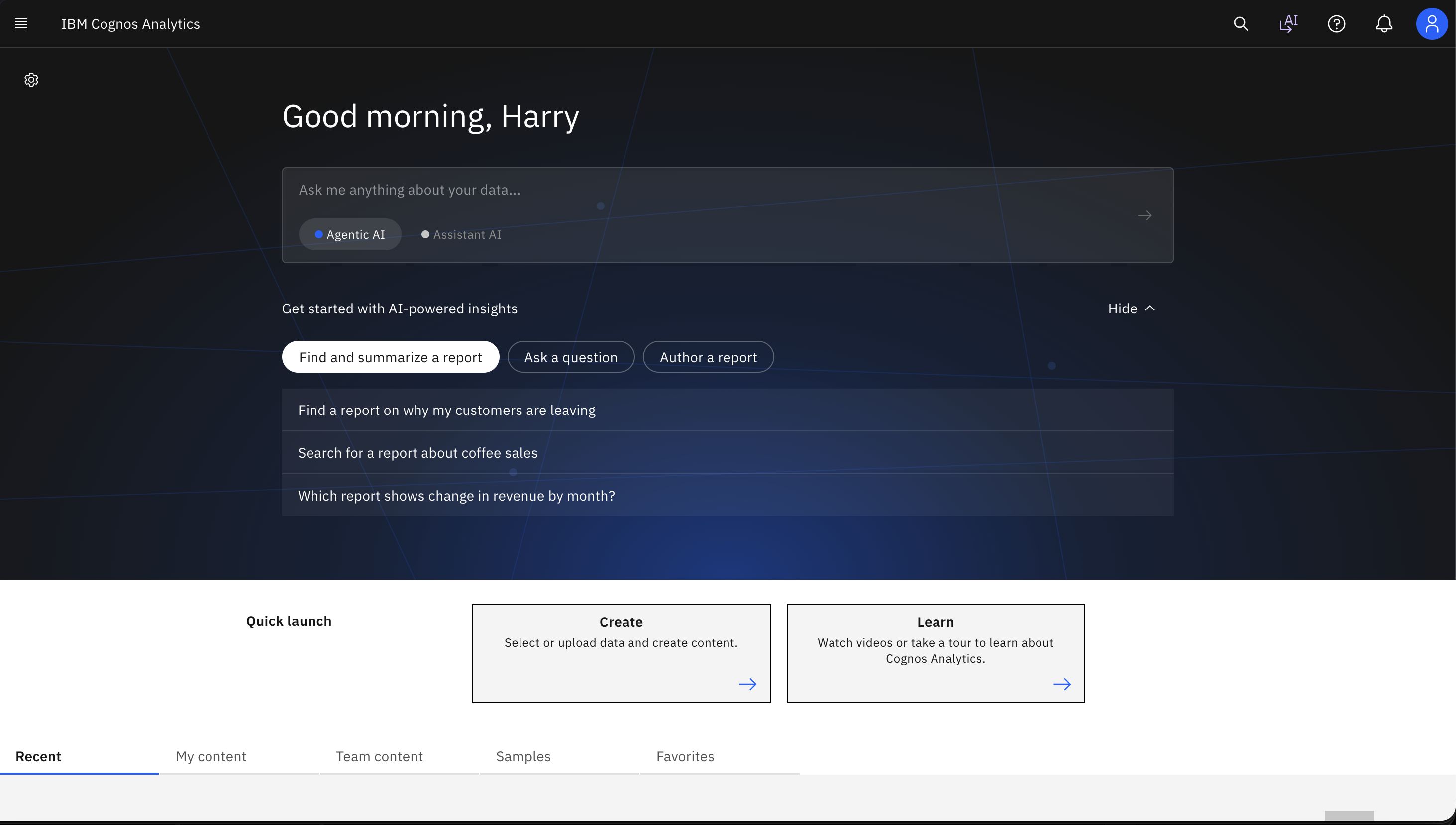    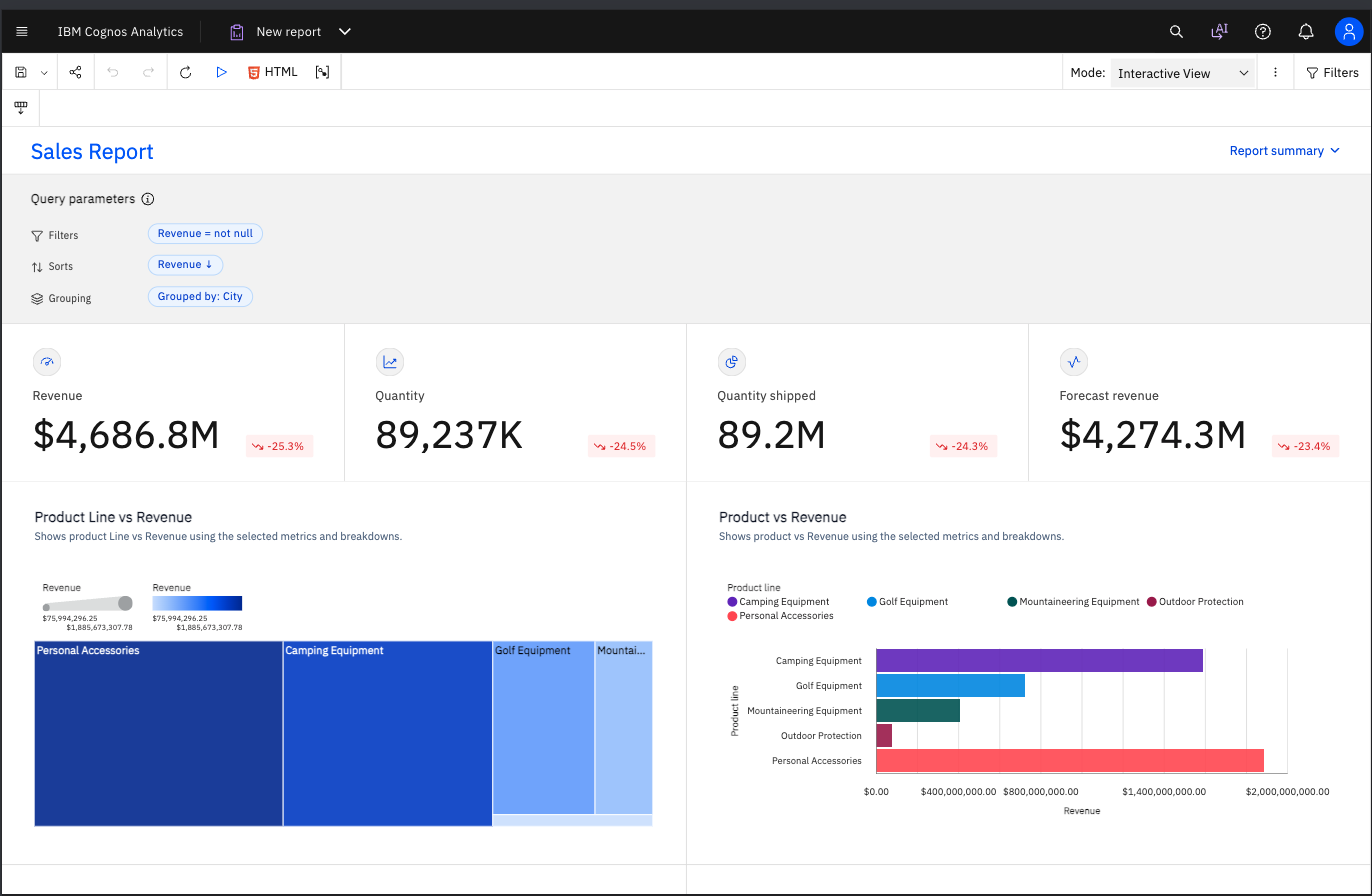 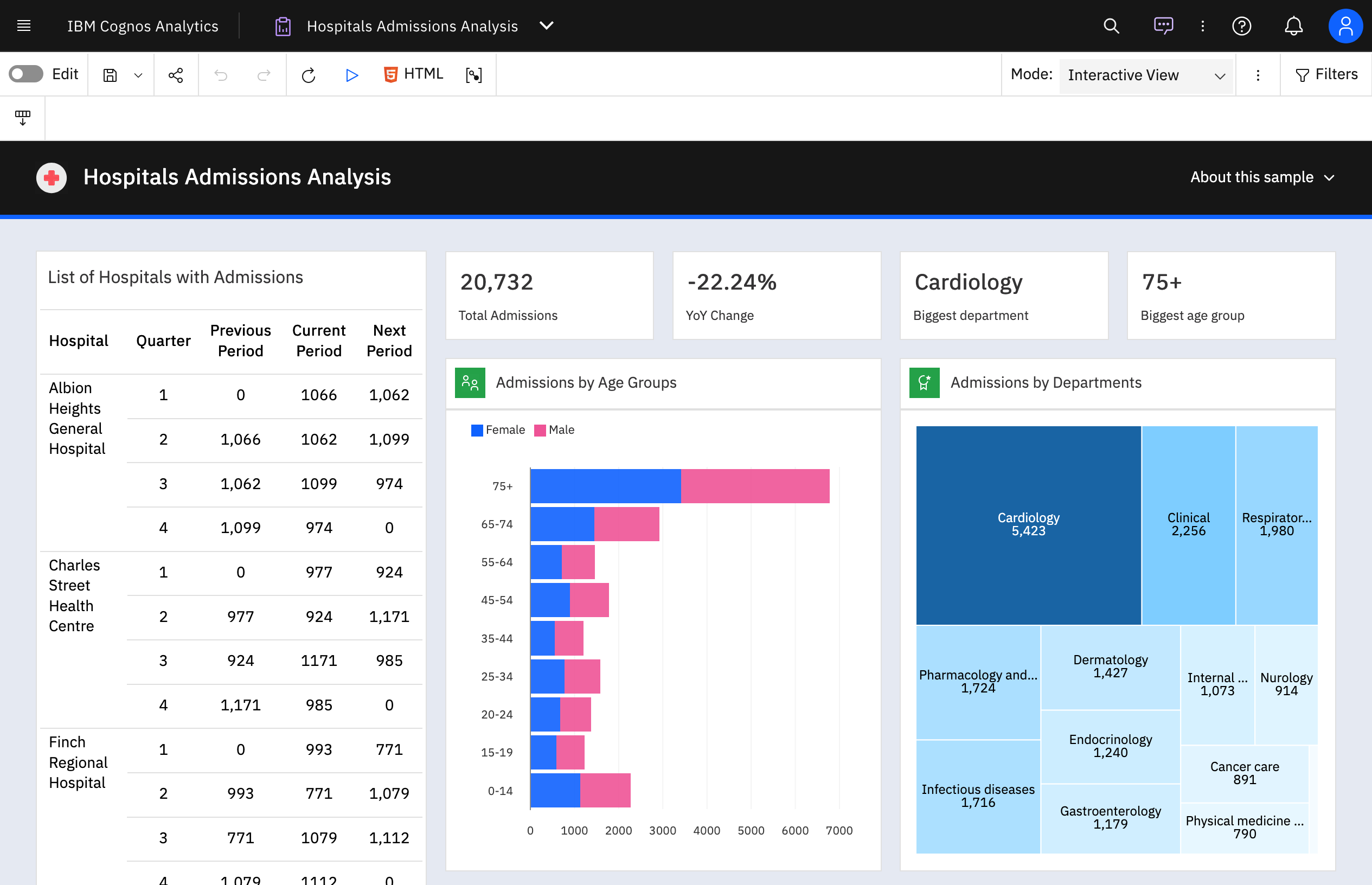 |