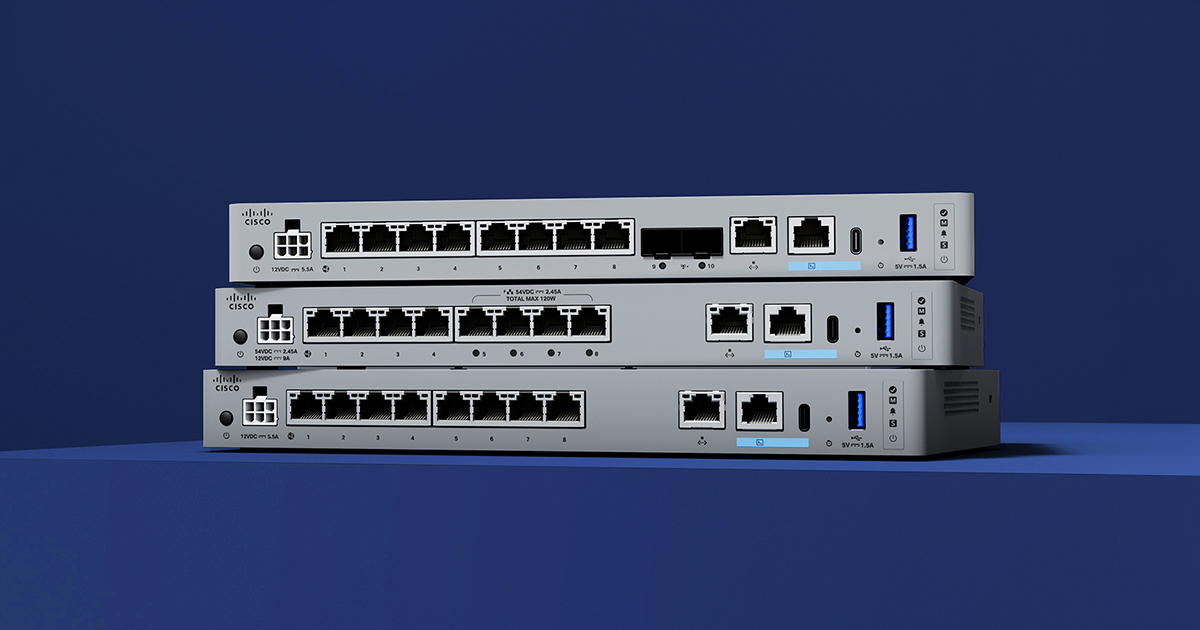
Cisco Catalyst SD-WAN is a software-defined wide area network solution designed to simplify and optimize enterprise network connectivity in complex digital landscapes. It enables organizations to connect any user to any application, whether on-premises, in data centers, or across multiple clouds, with integrated capabilities for multicloud support, security, predictive automation, and enhanced network visibility—all built on a Secure Access Service Edge (SASE)-enabled…
N/A
Cisco Secure Firewall
Score8.4 out of 10
N/A
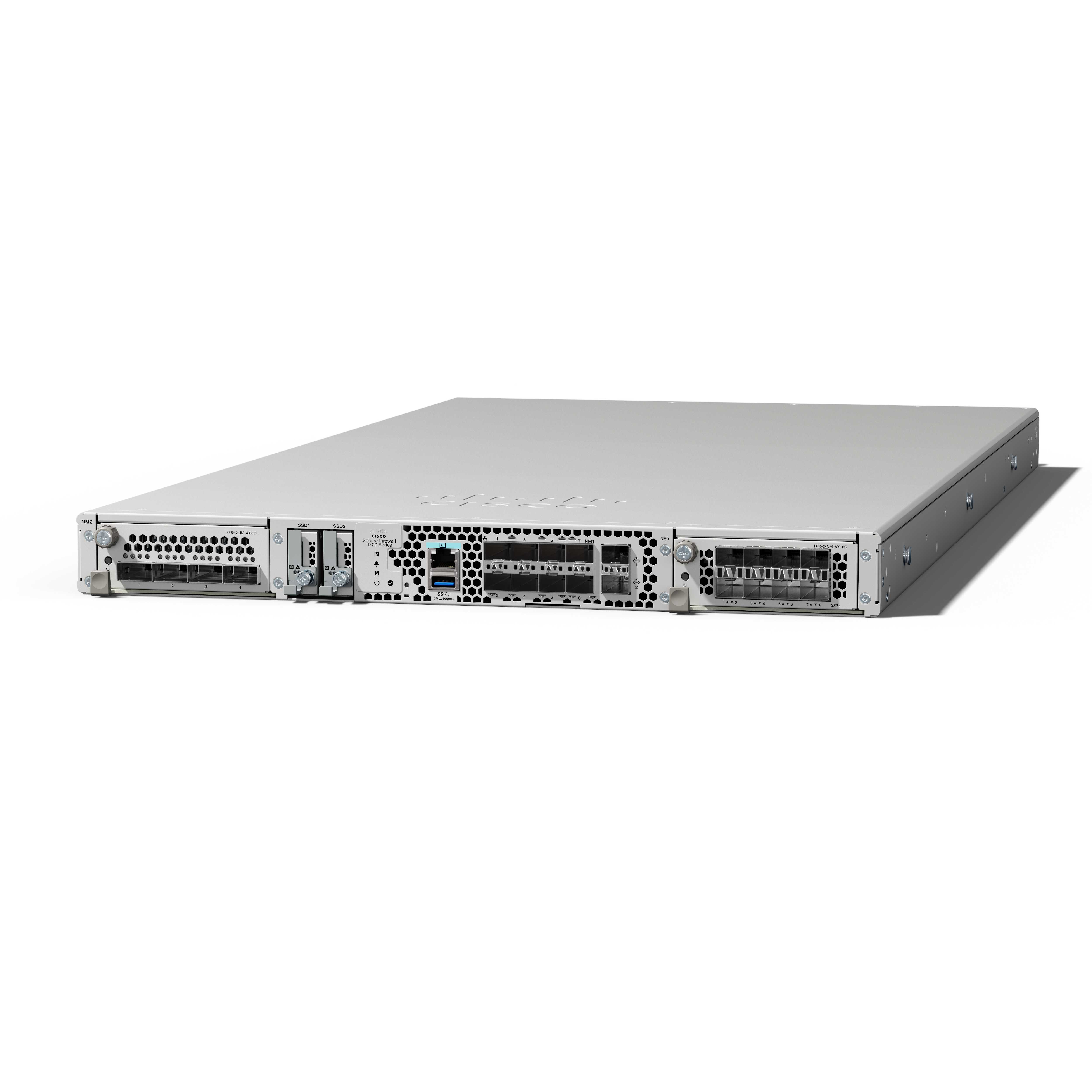
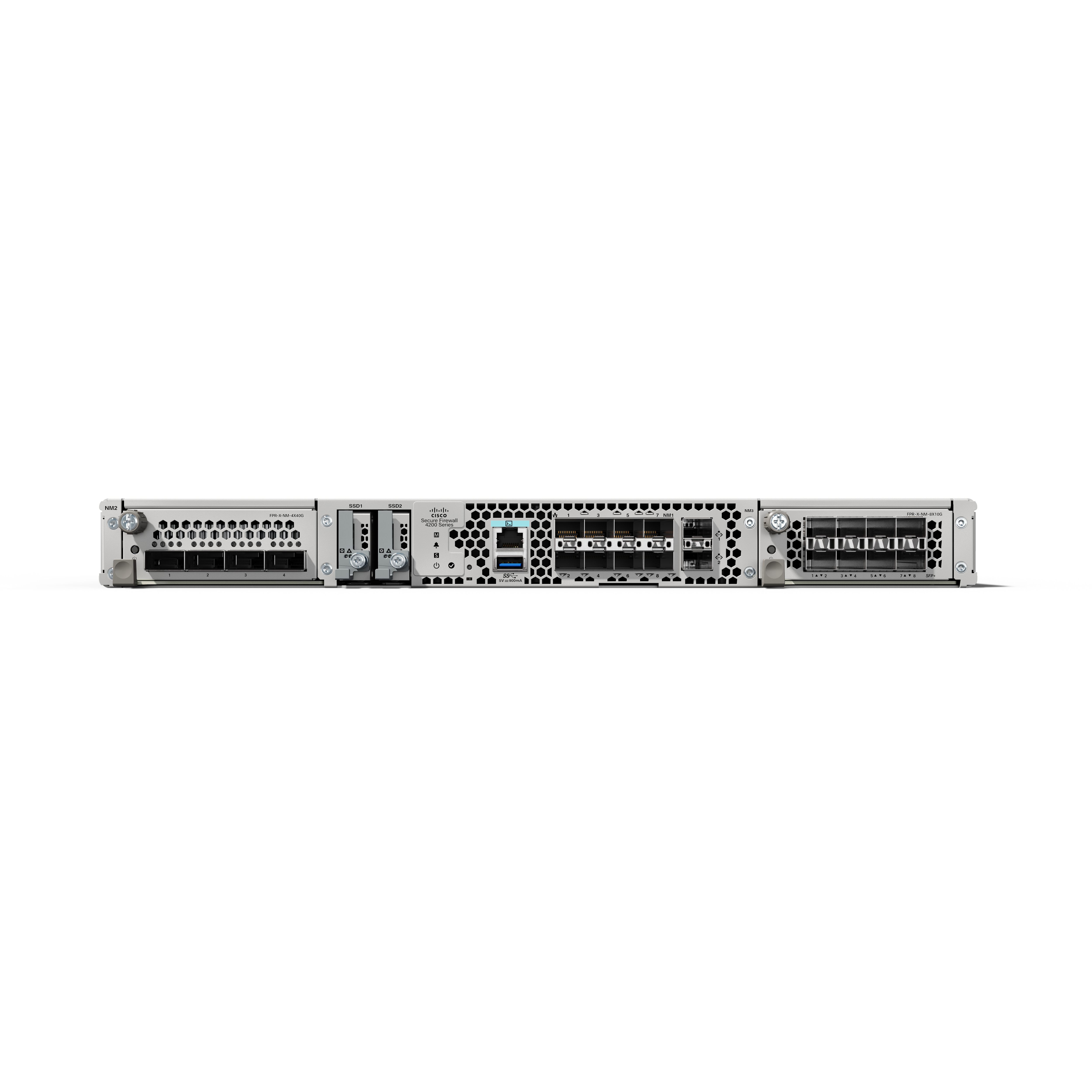
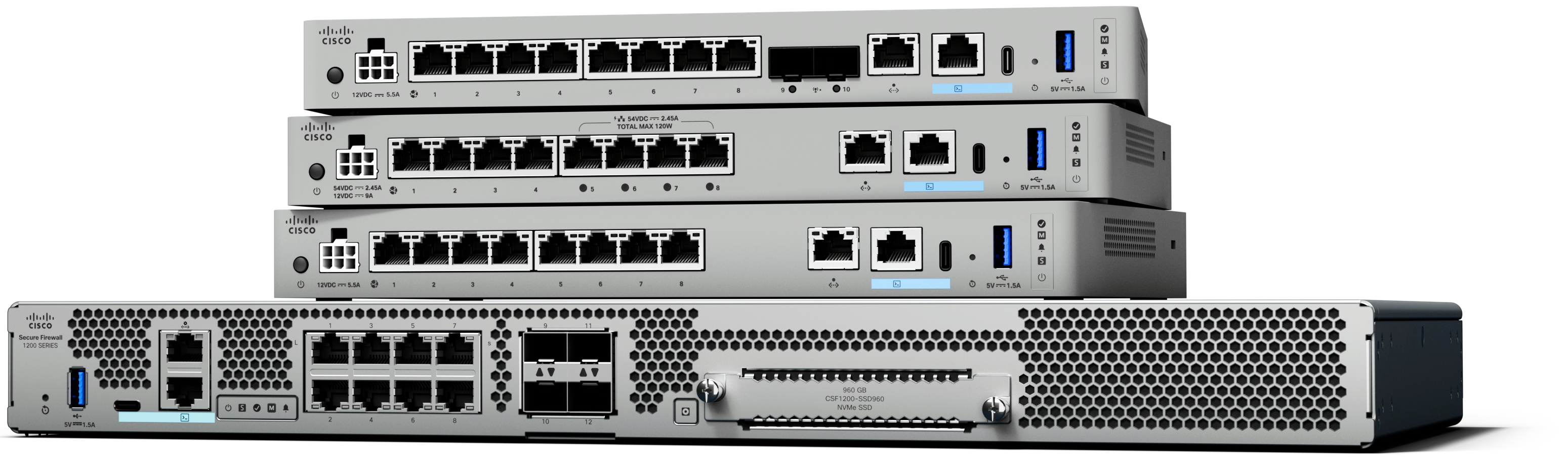
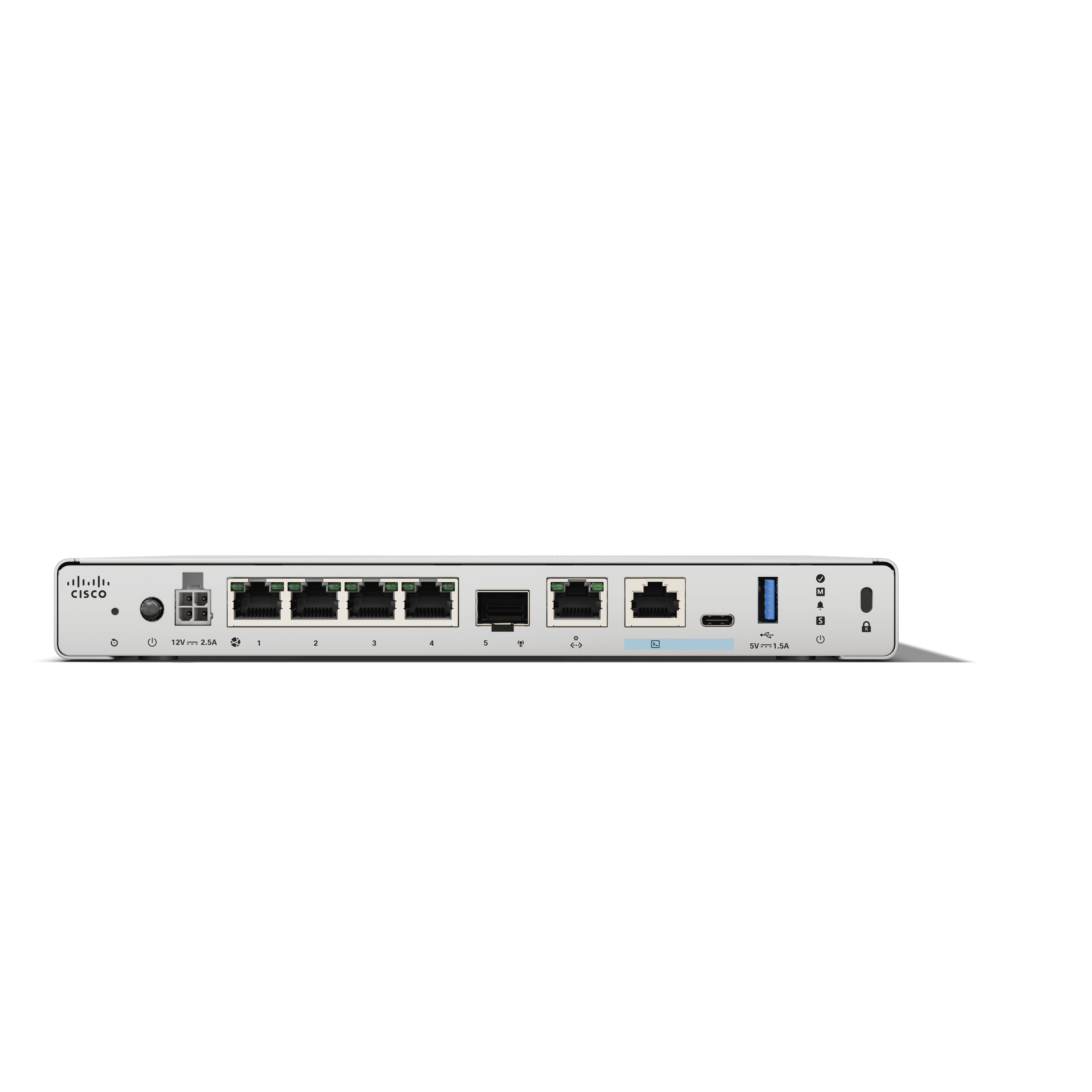
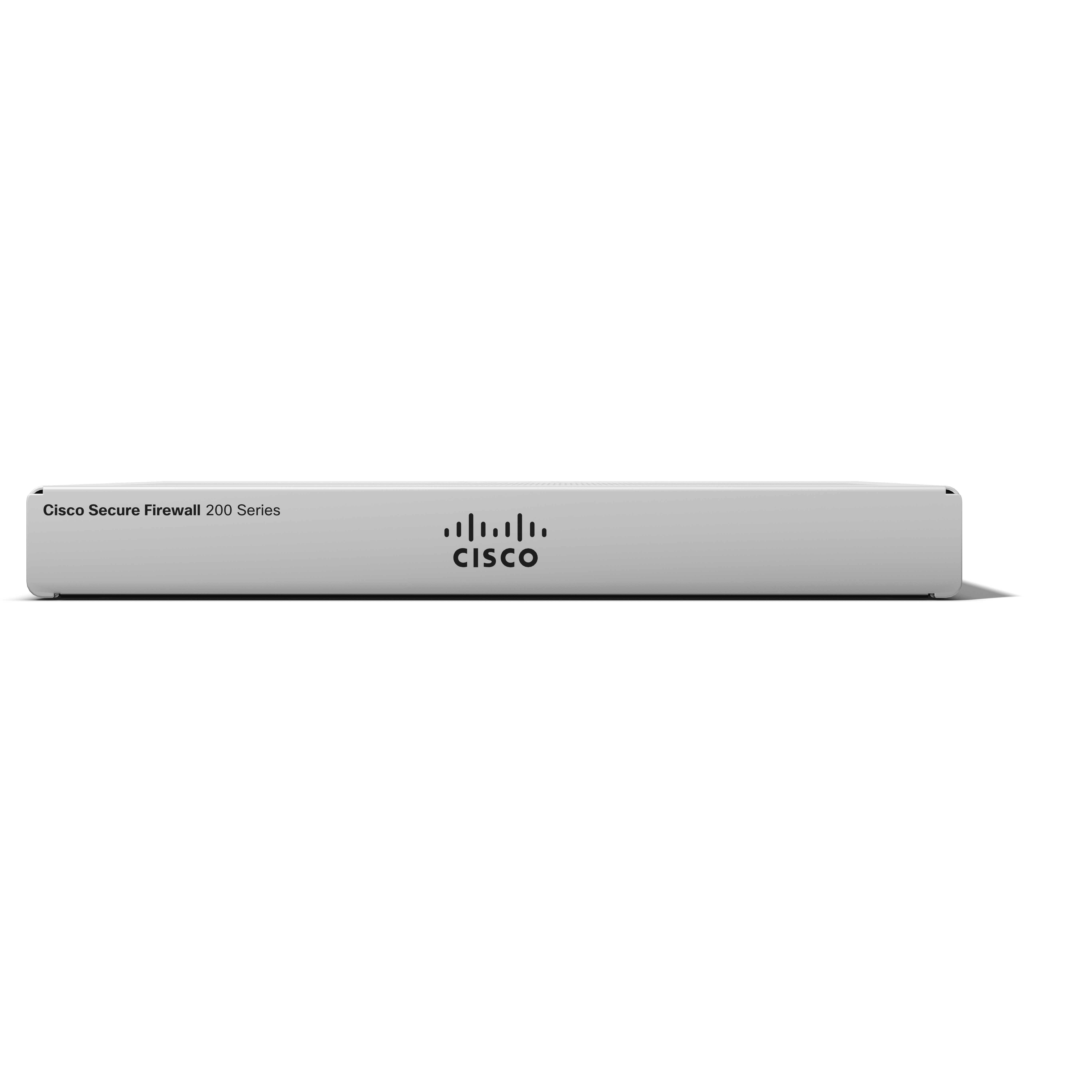
Cisco Secure Firewall delivers comprehensive threat protection for modern, distributed networks. Built to support hybrid workforces and multicloud environments, it enables Zero Trust access, application visibility, and secure remote connectivity. With integration across the Cisco Secure portfolio, including SecureX and Talos threat intelligence, the firewall powers organizations to detect and stop more sophisticated threats. Centralized management simplifies policy enforcement, orchestration,…
A de minimis incentive was given to thank the reviewer for their time. The incentive was not used to bias or drive a particular response, nor was the incentive contingent on a positive endorsement. More Info
A de minimis incentive was given to thank the reviewer for their time. The incentive was not used to bias or drive a particular response, nor was the incentive contingent on a positive endorsement. TR verified that a representative sample of customers was invited. More Info
A de minimis incentive was given to thank the reviewer for their time. The incentive was not used to bias or drive a particular response, nor was the incentive contingent on a positive endorsement. More Info
A de minimis incentive was given to thank the reviewer for their time. The incentive was not used to bias or drive a particular response, nor was the incentive contingent on a positive endorsement. TR verified that a representative sample of customers was invited. More Info
Verified User
Chose Cisco Secure Firewall
We use it because it's the best firewall on the market now. And are the best protection and hardware.
A de minimis incentive was given to thank the reviewer for their time. The incentive was not used to bias or drive a particular response, nor was the incentive contingent on a positive endorsement. TR verified that a representative sample of customers was invited. More Info
It's great for connectivity. I think if you're looking at. There's a lot of players out there that do SD- WAN, you can do hosted solutions, you can do your own. If you're looking to do it yourself, I think this product works out well. I do know it's hosted elsewhere by some other companies, but for us, we want the control and we don't have a huge amount of sites, so being able to control that's important and the data that we can get out of the product, we can see just seeing the application experience through Cisco Catalyst SD-WAN, really gives us good information.
A de minimis incentive was given to thank the reviewer for their time. The incentive was not used to bias or drive a particular response, nor was the incentive contingent on a positive endorsement. More Info
I can't think of scenarios where it is less appropriate, unless we are talking about real tiny businesses. More businesses will find Cisco Secure Firewall an outstanding tool to use, love, and trust from a reputable Network giant vendor. It is a must for businesses that want to focus on what they are doing, and leaving the network security for the pros.
A de minimis incentive was given to thank the reviewer for their time. The incentive was not used to bias or drive a particular response, nor was the incentive contingent on a positive endorsement. More Info
We are able to use a multiple different circuits to go into the cloud, so we are not relying on just one particular private wireless. We're relying on wine circuits, ethernet, ethernet out. So it provides us that flexibility where we didn't have that before. Provides security that is very robust and flexible and scalable and it provides us with, the biggest thing is redundancy, where we have backup. For example, we have a Starlink for nuclear power plants. If our main circuits go down, we have that. And without Cisco Catalyst SD-WAN it would be very hard to actually achieve, to accomplish true redundancy. So we're happy with Cisco Catalyst SD-WAN in that regard.
A de minimis incentive was given to thank the reviewer for their time. The incentive was not used to bias or drive a particular response, nor was the incentive contingent on a positive endorsement. TR verified that a representative sample of customers was invited. More Info
Cisco's firewall actually does its job of blocking what it is supposed to block. We had an old Firewall that led to slippages. Cisco catches 97% of malware and vulnerabilities during testing. For Coitiar, that means an engineer who clicks a link with malware is handled quickly.
We actually tested if failovers would affect running sessions. We pulled our primary unit during a certification submission period. The firewall just switched, and the connection kept running.
The AI assistant in policy management is excellent, and for our lean team, it makes the whole process easy and efficient. I don't have to audit 200 policies manually; the AI steps in and does its thing.
A de minimis incentive was given to thank the reviewer for their time. The incentive was not used to bias or drive a particular response, nor was the incentive contingent on a positive endorsement. TR verified that a representative sample of customers was invited. More Info
I will say the way we use it now, and I think what happened was the way it was deployed, it was fine, but unfortunately over the course of the years we've gotten a little out of hand with our device templates and feature templates. I think if there's any form of feedback that I would give to Cisco is how do we find ways to improve the environment as it stands so we get to a certain point with the environment and then we don't know how to undo it or fix it or optimize the environment. Because right now we're in a position where we're playing a lot of catch up and clean up and if there was a way or some tool or feature that we can take advantage of that would allow us to optimize that environment where we will kind of corner ourselves into a lot of problems in the future. There's some feature or something that we could take advantage of that will allow us to optimize that environment and not let it get out of control pretty easily. That would be my suggestion.
A de minimis incentive was given to thank the reviewer for their time. The incentive was not used to bias or drive a particular response, nor was the incentive contingent on a positive endorsement. TR verified that a representative sample of customers was invited. More Info
I mean I think a lot of the technology with managing them is getting better. There's a few cons to the new firewall management console. You can't sort through routes or I think you can with interfaces now, but there's a few caveats that they haven't really worked out yet, but they're implementing AI into it, so it's getting to be a lot easier to use.
A de minimis incentive was given to thank the reviewer for their time. The incentive was not used to bias or drive a particular response, nor was the incentive contingent on a positive endorsement. TR verified that a representative sample of customers was invited. More Info
I would rate SD-WAN highly because it has significantly improved network performance, reliability, and cost-efficiency for my organization. Its ability to optimize traffic dynamically, enhance security, and simplify management across multiple locations has been invaluable. With SD-WAN, we’ve reduced dependency on costly MPLS, improved cloud application performance, and gained greater control over our network infrastructure.
A de minimis incentive was given to thank the reviewer for their time. The incentive was not used to bias or drive a particular response, nor was the incentive contingent on a positive endorsement. TR verified that a representative sample of customers was invited. More Info
It works really well. We can do most anything we want or need to with it, and you don’t have to have a doctorate or multiple certs to necessarily figure it out. The thing that would probably have to happen to make us switch would be if we just got priced out - Cisco’s more powerful and higher bandwidth models cost a pretty penny.
A de minimis incentive was given to thank the reviewer for their time. The incentive was not used to bias or drive a particular response, nor was the incentive contingent on a positive endorsement. More Info
The niche configurations are given equal focus as the standard use cases, which can make onboarding difficult in the beginning (ie why am I not using an entire tab of the portal), but aside from that part, the dashboard is relatively easy to navigate and apply the configuration. The metrics and analytics available are also nice to have in a single pane.
A de minimis incentive was given to thank the reviewer for their time. The incentive was not used to bias or drive a particular response, nor was the incentive contingent on a positive endorsement. TR verified that a representative sample of customers was invited. More Info
i think overall after ALOT of tac cases it works allright now. But still have alot of issues if you use cloud based mangement. fx, if you open 2 windows of access policys, both of the pages, rules starte to jump form side to side. if you then open one more list, its start to jump even faster. if you close the 2 of them, its back to normal. ALSO the extended access lists for VPN, SUCKS. Its the tiniest window when opening the editor, and you are not able to give the rules names, Which means finding and editing rules SUCKS, its a horrible experience, and eveytime we have to we want to yell :P
A de minimis incentive was given to thank the reviewer for their time. The incentive was not used to bias or drive a particular response, nor was the incentive contingent on a positive endorsement. TR verified that a representative sample of customers was invited. More Info
A de minimis incentive was given to thank the reviewer for their time. The incentive was not used to bias or drive a particular response, nor was the incentive contingent on a positive endorsement. TR verified that a representative sample of customers was invited. More Info
A de minimis incentive was given to thank the reviewer for their time. The incentive was not used to bias or drive a particular response, nor was the incentive contingent on a positive endorsement. TR verified that a representative sample of customers was invited. More Info
A de minimis incentive was given to thank the reviewer for their time. The incentive was not used to bias or drive a particular response, nor was the incentive contingent on a positive endorsement. TR verified that a representative sample of customers was invited. More Info
We have not had any performance issues with Cisco Secure Firewall, even with DPI and IPS enabled, we have not seen a performance hit. Emoployes have not complained about any slow network speeds that could have been attributed to the secure firewall it has always been something else within the office network.
A de minimis incentive was given to thank the reviewer for their time. The incentive was not used to bias or drive a particular response, nor was the incentive contingent on a positive endorsement. TR verified that a representative sample of customers was invited. More Info
Al ser soluciones integradas del portafolio de soluciones de Cisco, el soporte es transversal a cada uno de los componentes implementados, teniendo el cliente la capacidad de resolver sus inconvenientes bajo una misma infraestructura que está totalmente homologada, satisfacciendo de esta manera, las necesidades del cliente asi como permitiendo, que este se concentre en su negocio. Since the Cisco SD-WAN tools are a part of Cisco’s broader portfolio of solutions, support cross-cuts to each of our deployed components, with our company as the customer having the ability to solve our problems through the same, approved infrastructure. Their support team easily satisfies the customer’s needs so that they continue to focus on business functions.
A de minimis incentive was given to thank the reviewer for their time. The incentive was not used to bias or drive a particular response, nor was the incentive contingent on a positive endorsement. More Info
I rarely get the support I need in the time I need it. Often, while they are "looking at packet captures and going to get back to me" I fix the problem on my own. If you were to look at my TAC cases over the past year, you would see some very lengthy cases that usually ended with me contacting the TAC person and telling them to just close the case
A de minimis incentive was given to thank the reviewer for their time. The incentive was not used to bias or drive a particular response, nor was the incentive contingent on a positive endorsement. More Info
A de minimis incentive was given to thank the reviewer for their time. The incentive was not used to bias or drive a particular response, nor was the incentive contingent on a positive endorsement. TR verified that a representative sample of customers was invited. More Info
was a good training but questions was answered not so good. Training was "Fundamentals of Cisco Firewall Threat Defense and Intrusion Prevention (SFWIPF)".
A de minimis incentive was given to thank the reviewer for their time. The incentive was not used to bias or drive a particular response, nor was the incentive contingent on a positive endorsement. TR verified that a representative sample of customers was invited. More Info
A de minimis incentive was given to thank the reviewer for their time. The incentive was not used to bias or drive a particular response, nor was the incentive contingent on a positive endorsement. TR verified that a representative sample of customers was invited. More Info
Our initial implementation was aided by Cisco's professional services and was excellent. The engineer was very knowledgeable and helped us work through issues while building out our new internet security edge Part of this involved tools to migrate the firewall configuration from old to new.
A de minimis incentive was given to thank the reviewer for their time. The incentive was not used to bias or drive a particular response, nor was the incentive contingent on a positive endorsement. TR verified that a representative sample of customers was invited. More Info
We've used the old Cisco SD-WAN, which no longer exists. It was a lot more complex to configure what is now called Cisco Catalyst SD-WAN. So they've definitely come a long way in that it is a lot less complicated to set up and template based.
A de minimis incentive was given to thank the reviewer for their time. The incentive was not used to bias or drive a particular response, nor was the incentive contingent on a positive endorsement. TR verified that a representative sample of customers was invited. More Info
Cisco Secure Firewall works better with the Cisco ecosystem when we can utilize it and feels beefy enough when we utilize it in the data center. The Fortinet we have found are great, small cost boxes for remote offices with a better UI then Cisco Secure Firewalls. The feature set included with the firewalls feels similar from a security point of view.
A de minimis incentive was given to thank the reviewer for their time. The incentive was not used to bias or drive a particular response, nor was the incentive contingent on a positive endorsement. TR verified that a representative sample of customers was invited. More Info
A de minimis incentive was given to thank the reviewer for their time. The incentive was not used to bias or drive a particular response, nor was the incentive contingent on a positive endorsement. TR verified that a representative sample of customers was invited. More Info
A solid, realistic rating most people give for Cisco Secure Firewall pricing is 7 or 8 out of 10 (because the product is strong but licensing can be a bit complex)
A de minimis incentive was given to thank the reviewer for their time. The incentive was not used to bias or drive a particular response, nor was the incentive contingent on a positive endorsement. TR verified that a representative sample of customers was invited. More Info
A de minimis incentive was given to thank the reviewer for their time. The incentive was not used to bias or drive a particular response, nor was the incentive contingent on a positive endorsement. TR verified that a representative sample of customers was invited. More Info
Cisco Secure Firewall has never given us any trouble, it has stayed up at all times, upgrading the appliance has also become much simpler. We operate the appliance in a HA pair, so 0% downtime within our organisation. During switchover while upgrading, not a single packet seems to get lost, so this has been a very valuable asset to our company.
A de minimis incentive was given to thank the reviewer for their time. The incentive was not used to bias or drive a particular response, nor was the incentive contingent on a positive endorsement. TR verified that a representative sample of customers was invited. More Info
A de minimis incentive was given to thank the reviewer for their time. The incentive was not used to bias or drive a particular response, nor was the incentive contingent on a positive endorsement. TR verified that a representative sample of customers was invited. More Info
Our branch offices can connect to our enterprise network and the internet quickly and securely, which has helped to increase productivity and reduce downtime.
We have been able to reduce our dependence on expensive MPLS connections, and instead utilize a combination of broadband and LTE connections, which are more cost-effective
The centralized location improves network visibility and troubleshooting process
A de minimis incentive was given to thank the reviewer for their time. The incentive was not used to bias or drive a particular response, nor was the incentive contingent on a positive endorsement. TR verified that a representative sample of customers was invited. More Info