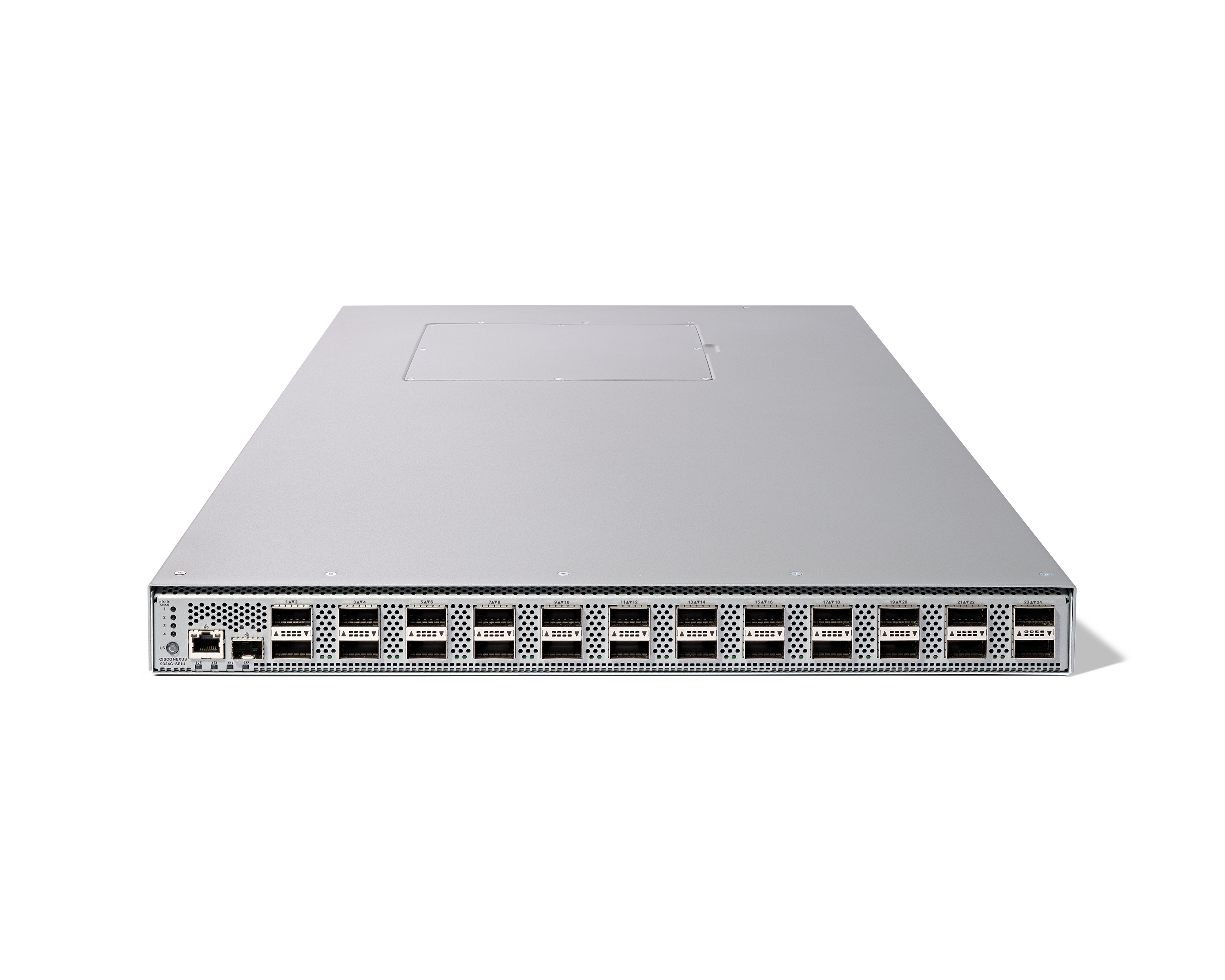
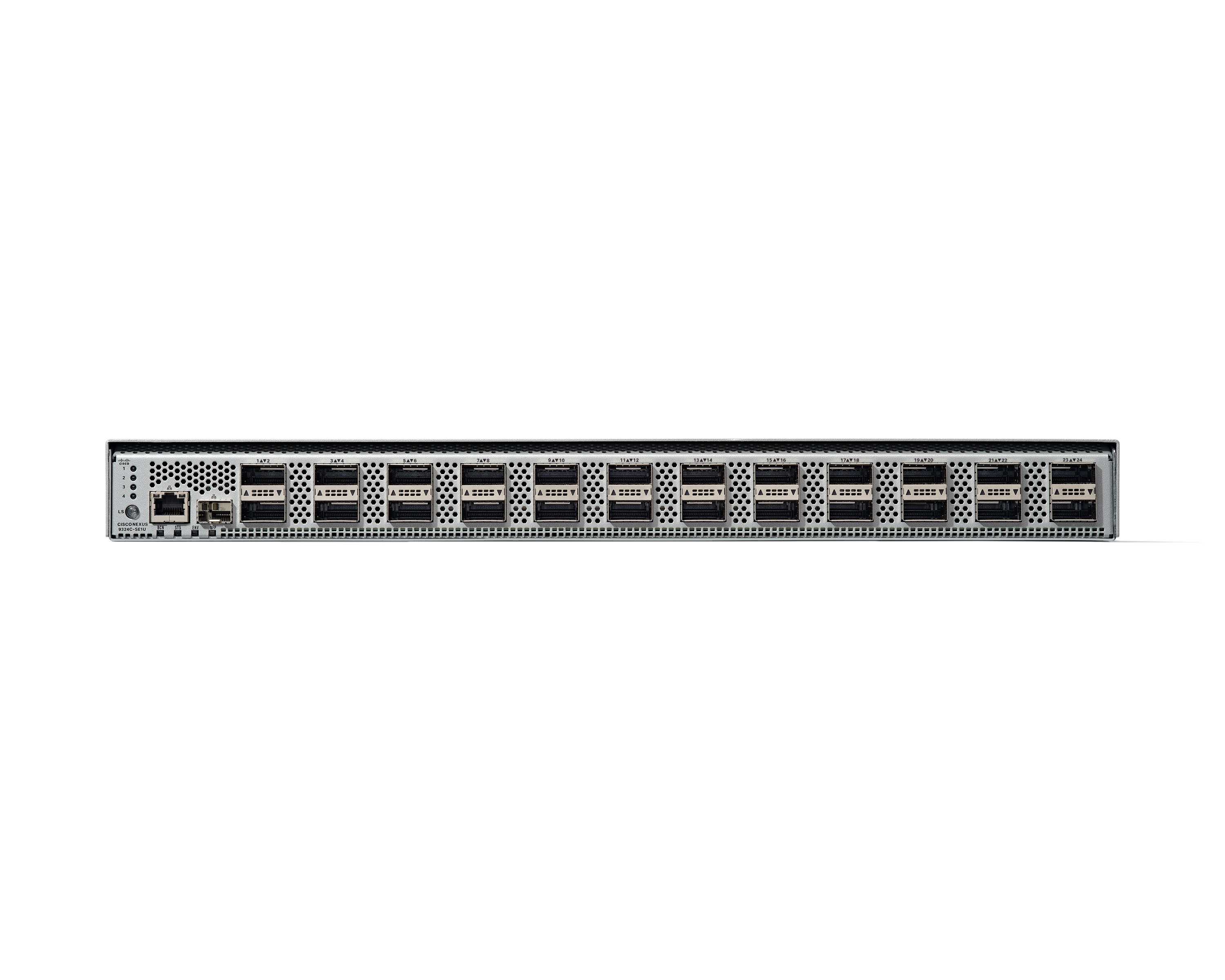
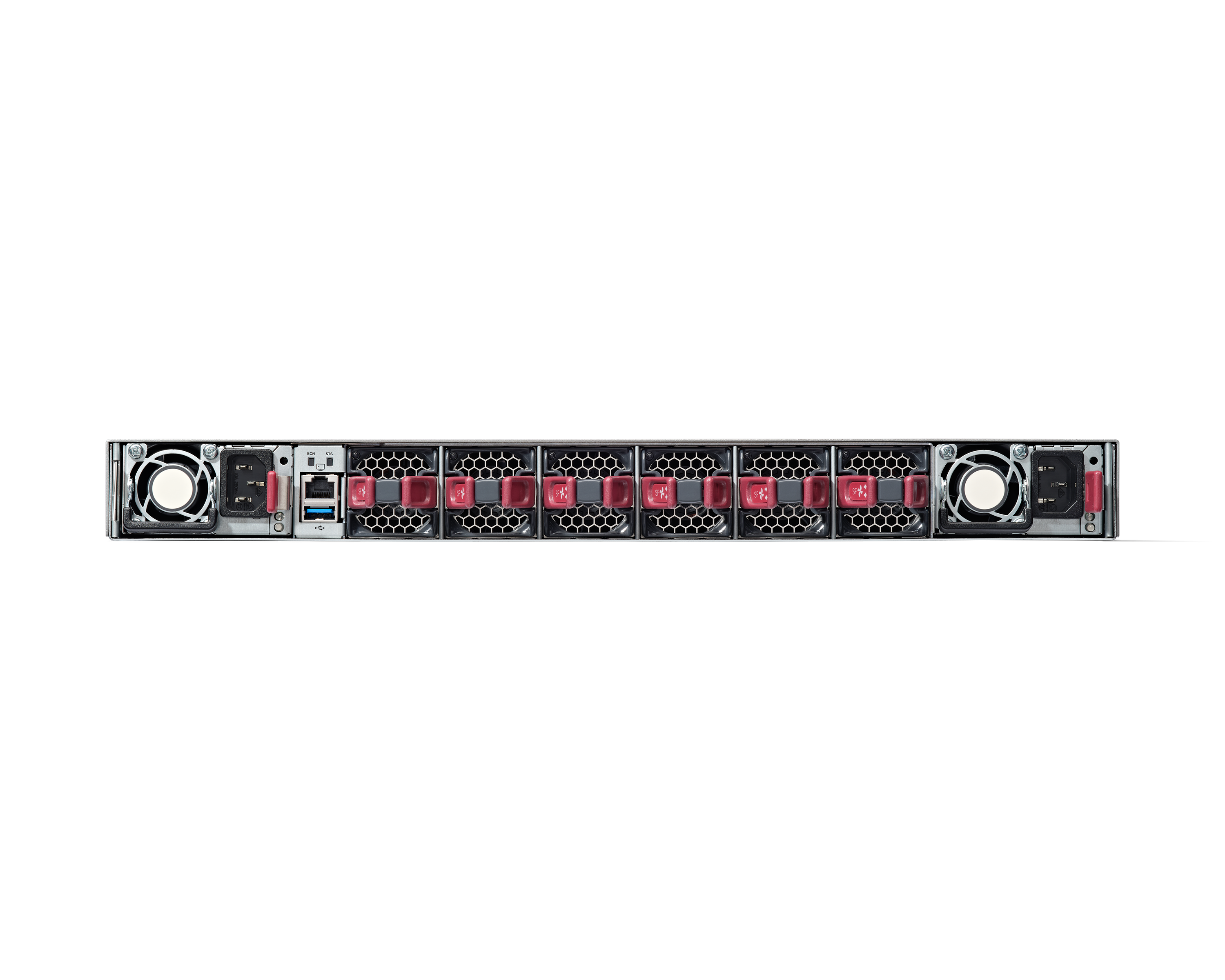
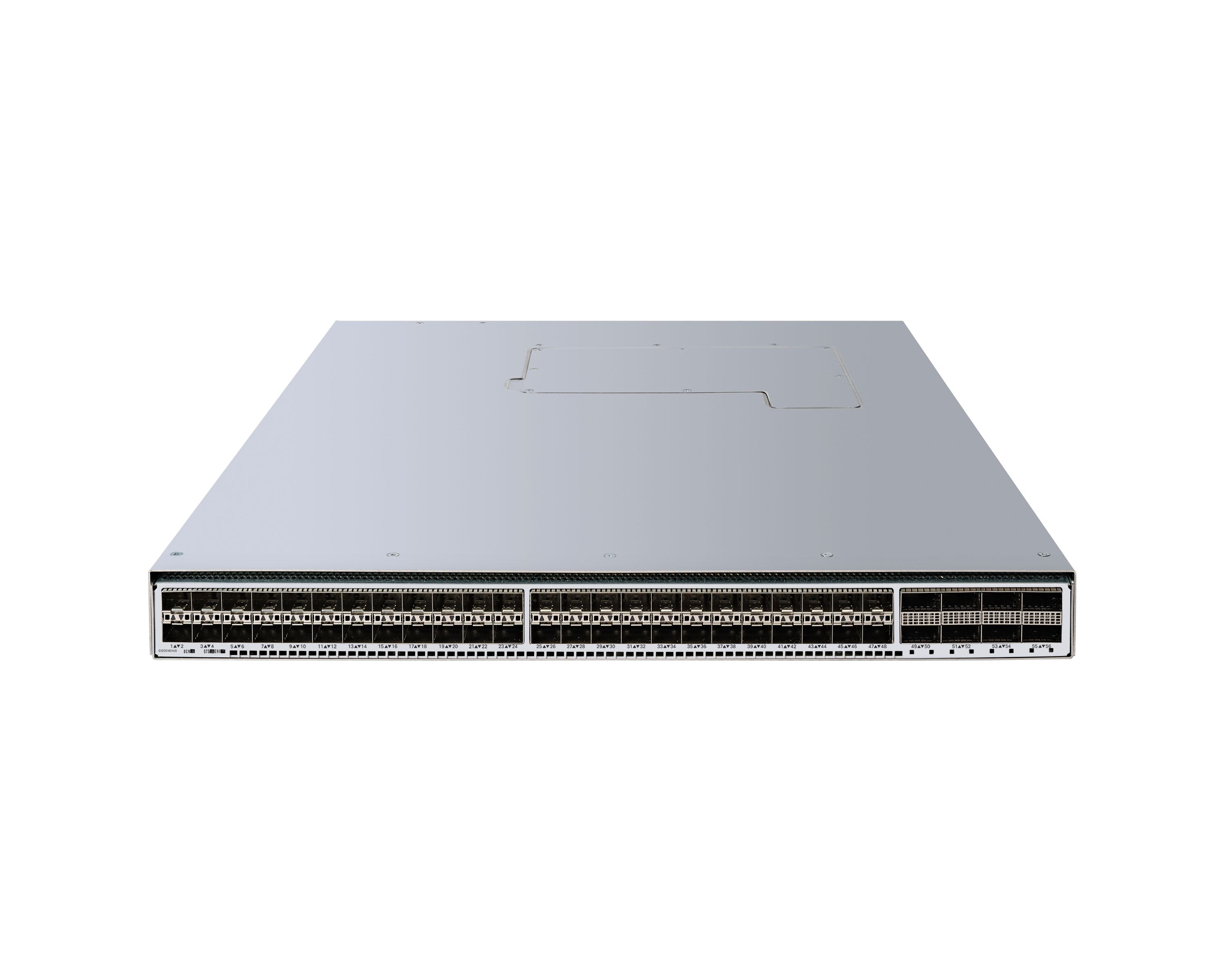
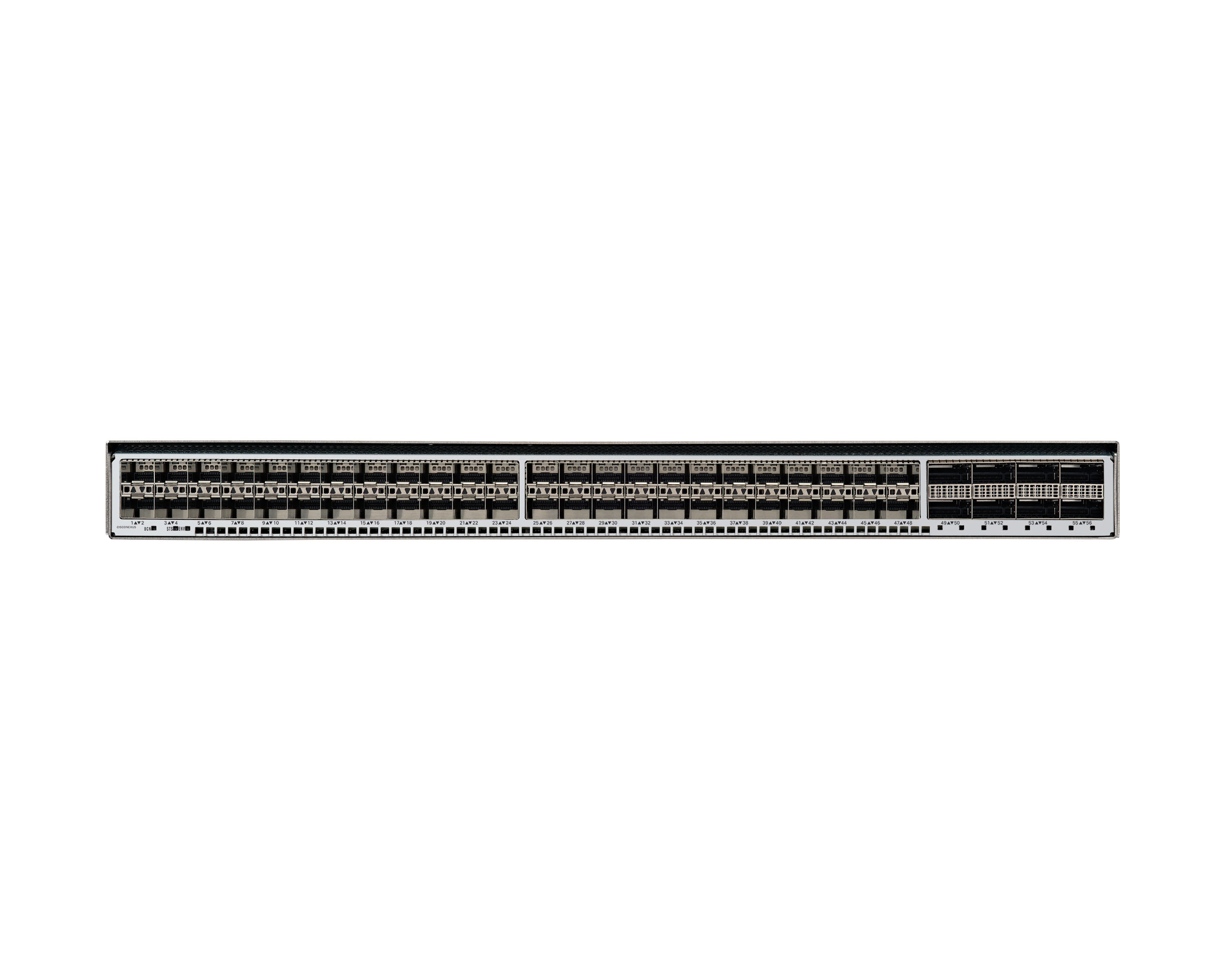
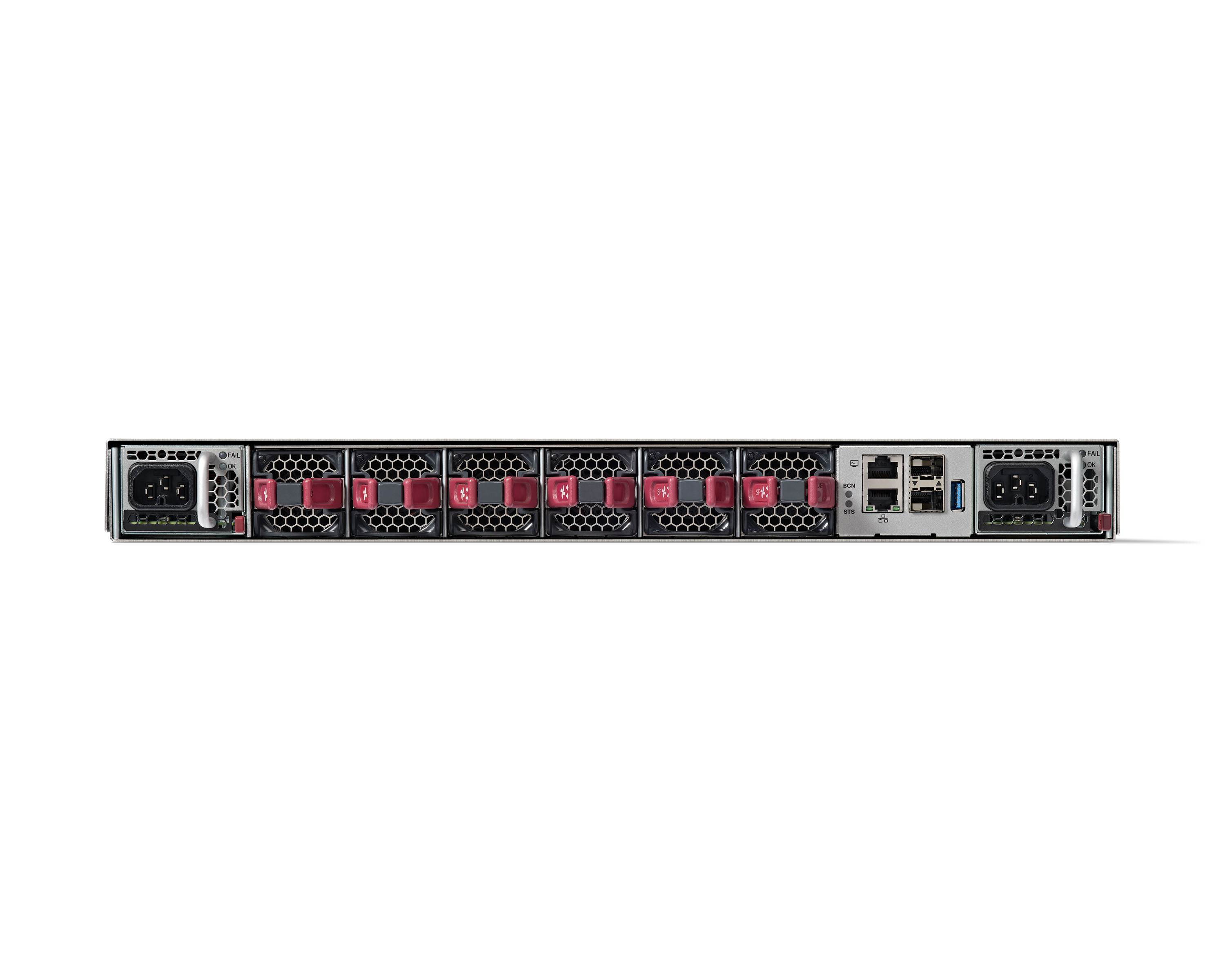
Cisco Nexus Dashboard simplifies data-center networks with automation and analytics. The data-center network helps organizations to meet business demands, and provision reliable data-center networking services as fast as possible, when and where organizations need it. As network infrastructure management is becoming more complex, diverse, and distributed, with multiple configuration points, monitoring tools, and vast amounts of data being generated every second. Cisco Nexus Dashboard is…
N/A
OpenNMS Meridian
Score 8.9 out of 10
N/A
OpenNMS Meridian is a scalable open source network management platform with network traffic analysis, network discovery, alerting, and monitoring. It's presented as a solution to monitor enterprise network performance and ensure the availability and performance of critical network services.
$42,000
per year
Pricing
Cisco Nexus Dashboard
OpenNMS Meridian
Editions & Modules
No answers on this topic
Essential
$42,000
per year Up to 2 Meridian and cores Up to 25 Minions
Premier
$56,700
per year Up to 4 Meridian cores and Up to 100 Minions
Nexus Dashboard is a vital tool for Cisco data center Nexus deployments, in my opinion. By utilizing multiple applications in the suite, a business can utilize orchestration, monitor services and traffic, test deployment scenarios, verify upgrade processes and readiness, etc. The capabilities of the system can allow for SAN MDS controls, traditional Nexus NXOS integration, and/or essential ACI tools
I would recommend all system administrators use some form of network monitoring if they are not already doing so, and I'd definitely recommend people consider OpenNMS if they're shopping around. Small businesses will benefit from the low-cost of entry (it's free!), whilst getting all the enterprise features. Larger businesses can benefit from paid support plans.
However, there's no getting around the fact that you will require some advanced networking and sysadmin knowledge to get the most out of OpenNMS, or at least, be prepared for a steep learning curve. If you don't have the resources to devote this time initially, you may struggle.
With the latest version release of Cisco Nexus Dashboard to version 3.0.1 I can say that most of the features have already improved but one of the wishlists that I want for ND is the possibility of extracting lists of Anomaly.
Include older versions of Firmware in the list of choices when doing the firmware upgrade analysis, currently only the recommended is in the list of choices.
If possible, include all the prechecks in the Firmware pre-upgrade analysis same in the script provided by Cisco.
I haven't quite figured out how to make topologies work yet, but I haven't spent a ton of time on it either.
We've also had a bit of trouble importing some MIBs, but that usually boiled down to working with the vendor to make sure we had the right MIBs and dependencies.
We observe significant product development with each release, along with substantial expansion of functionality. The program code has been consolidated into a single image, which simplifies installation and routine system update operations. Additionally, it is possible to install it outside the production network, which further enhances the solution’s availability.Additionally, the new graphical interface is very simplified and user-friendly.
For the end user, it is relatively easy to use. However, some training and practice is a must because the NSO is not as straightforward as the traditional router CLI. For the administrator, Cisco Network Service Orchestrator (NSO) is just like another program running on the Linux system--there is no big difference.
Great and effective automation functionalities and the tools on network security management are the best and easy data reports building. Cisco Nexus Dashboard Fabric Controller feature for the network monitoring and easy management of various services and even offers the best analytics and also powerful integration tools for easy data migration.
here was never a need to contact support, as the system includes several commands that allow for self-healing. Even if, after the upgrade process, one of the processes was not running, I was able to quickly find the appropriate sequence of commands that definitively resolved the issue. The entire architecture was designed in such a way as to be resilient to the failure of one node in a three-server setup.
Honestly, the product implementation took 1–2 days to comprehensively manage the client’s entire infrastructure. The delivered on-premise solution, provided as physical servers, quickly builds the required environment in which individual data centers are rapidly added. The data collection process takes some time but also depends on the number of devices in the network.
The Cisco Nexus Series switches perform admirably in our blended distributed system. We have been dealing with any of these sorts of switches for over 5 years and have been exceptionally happy with their functionality. Several of our other computer networks in our data rooms have proved effective with Cisco equipment. Because of the simplicity of maintenance and the high quality of technical support provided by Cisco representatives, there is a high level of trust in these switches.
OpenNMS's more attractive GUI and its price break were the main reasons our company chose to explore and use this product. However, it never managed to actually replace Nagios which had a much more established hold within the company. Perhaps we were over-monitoring, but our company claimed a $100k loss per hour of downtime.
The platform is very well done, and to date, I have had no complaints about the implementation of the platform and no security issues or vulnerabilities. Cisco in all its product releases new versions to resolve security issues or bugs that appear on the platform, this is a big plus.
Initial adoption required quite a lot of resources and time to get everything right. Totally worth it for us; just be prepared for a gradual process that will get better and better with time.
Once setup and running smoothly, it provides us with all the reporting we could hope for, at near zero cost.
With OpenNMS, we're able to offer a much more reliable service to our customers, and spend a lot less time dealing with issues.